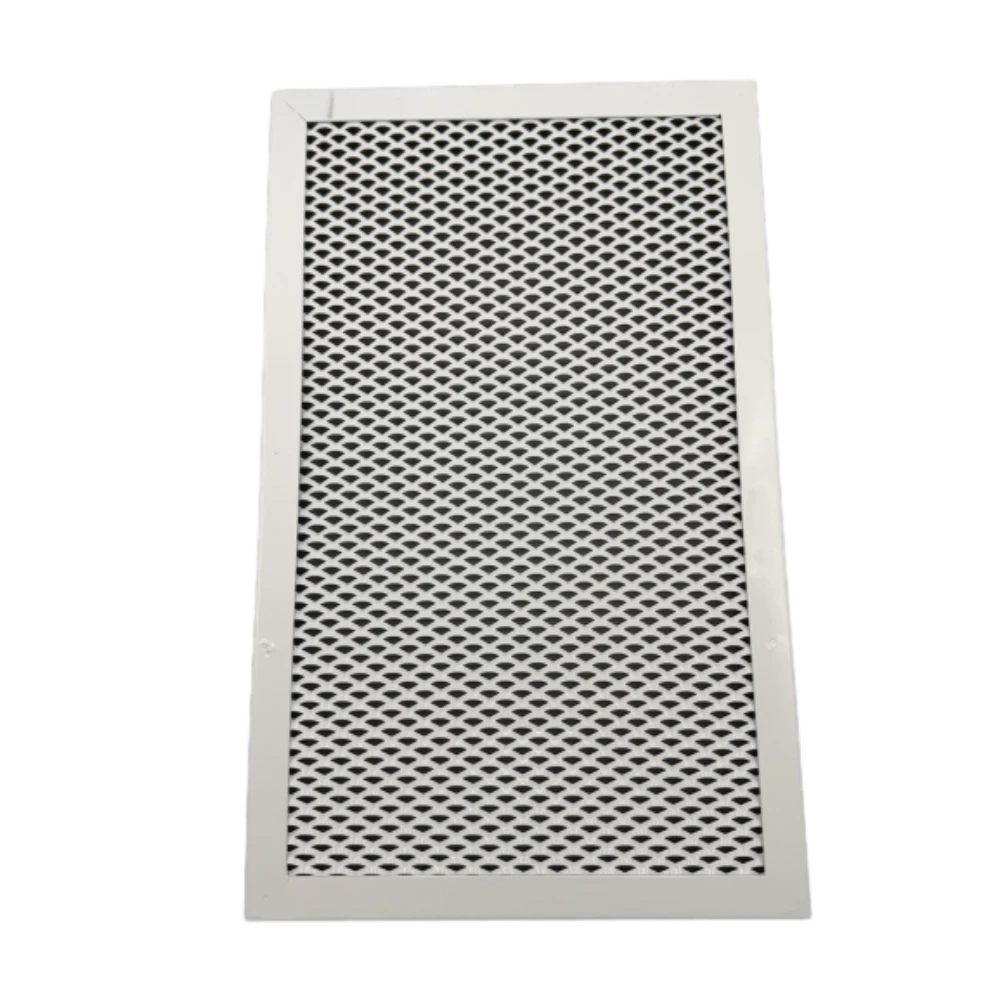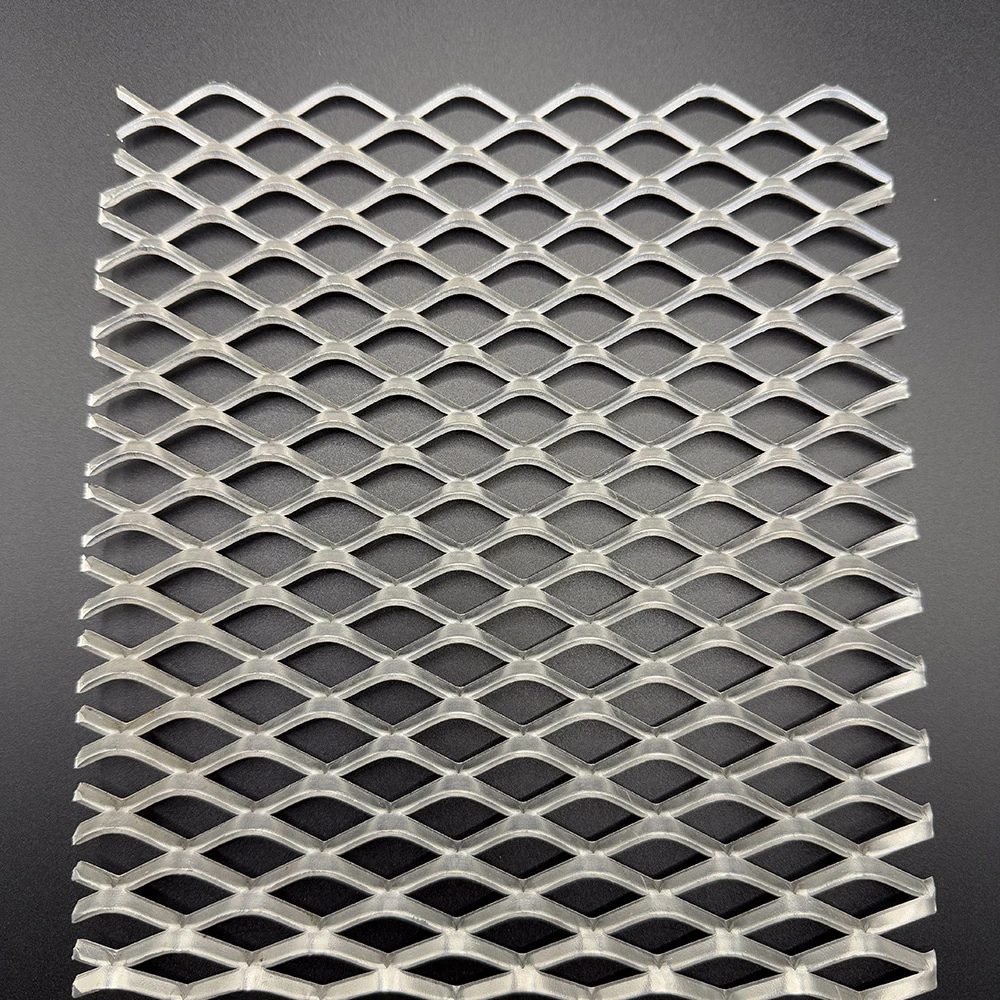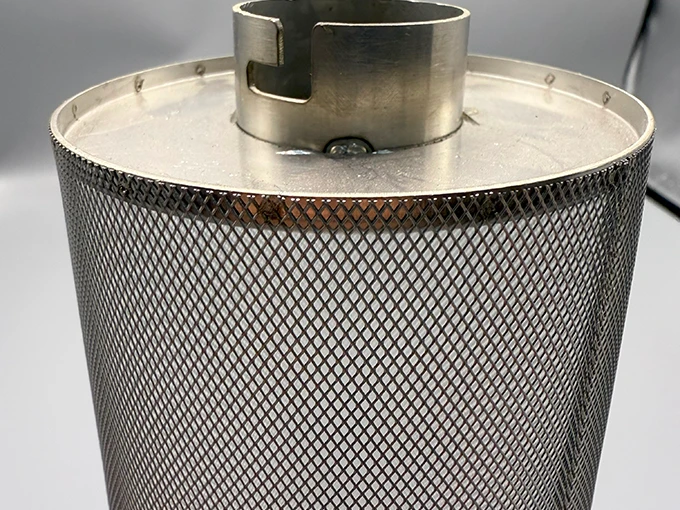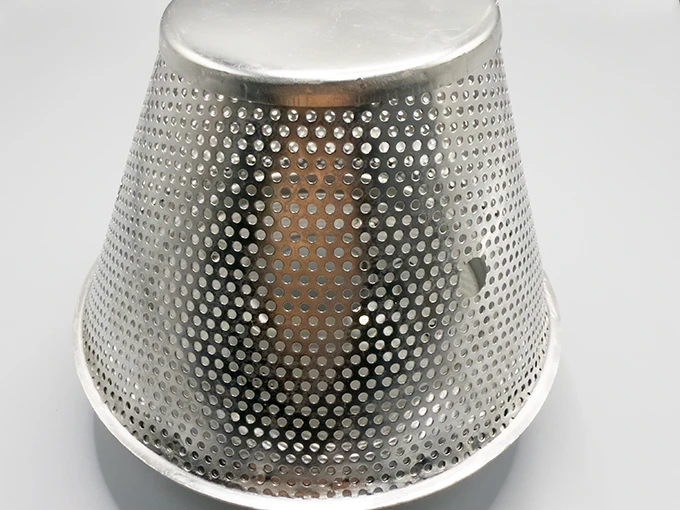

A screen filter mesh is a foundational component in filtration systems across various industries. Its primary function is to separate unwanted particles from liquids or gases, ensuring cleaner output and protecting downstream equipment from damage.
Constructed by weaving or perforating durable materials like stainless steel, carbon steel, or synthetic fibers, screen filter meshes come in a variety of mesh sizes and patterns tailored to different filtration needs. The mesh size defines the particle size the filter can capture. For example, a 100 mesh will block particles larger than approximately 150 microns, while allowing smaller ones to pass.
This versatility enables screen filter mesh to be used in coarse filtration tasks such as removing leaves or sand from water, as well as in fine filtration for chemicals or air pollutants. Its robust construction allows it to resist mechanical stress, corrosion, and chemical degradation, contributing to long filter life and reduced maintenance.
Practical applications of screen filter mesh include water treatment plants, oil and gas filtration, HVAC systems, and industrial chemical processing. Even household items such as coffee machines, aquarium filters, and pool cleaners employ screen filter mesh due to its reliability and durability.
Material choice is critical: stainless steel, especially grades 304 and 316, is preferred for hygienic or corrosive environments. Carbon steel offers a more economical alternative for less demanding conditions, while synthetic fibers serve well in lightweight, disposable filters.
The flexibility in design allows screen filter mesh to be fabricated into sheets, rolls, cylinders, or custom shapes, adapting to various equipment and operational requirements.
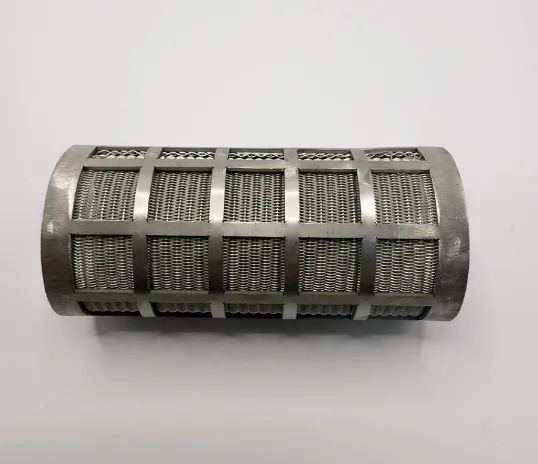
The sieve filter mesh plays a vital role in industries where precise particle size separation is essential. With a tightly woven or perforated structure, sieve filter mesh enables accurate filtration and sorting by particle size, which is critical in manufacturing and processing.
Commonly fabricated from stainless steel for its corrosion resistance and sanitary qualities, sieve meshes are extensively used in food processing, pharmaceuticals, mining, and wastewater treatment. They can handle powders, granules, liquids, and air, ensuring that only particles of the desired size pass through.
The mesh count of a sieve filter directly correlates with the size of particles it filters. For example, a 200 mesh sieve blocks particles larger than about 74 microns, which is crucial in industries where particle uniformity affects product quality.
Sieve filter meshes are integrated into sieving machines, rotary sifters, shaker screens, and filtration systems customized to specific industrial needs. Their ability to endure cleaning via ultrasonic baths, chemical treatments, or mechanical agitation ensures operational efficiency.
In wastewater treatment, sieve mesh screens remove sludge and sediments, protecting ecosystems and complying with environmental standards. In mining, they separate valuable minerals from waste, increasing extraction efficiency.
Customization options including size, shape, weave pattern, and material grade enable precise adaptation to complex filtration tasks.
SS filter mesh (stainless steel filter mesh) is prized for its combination of strength, durability, and corrosion resistance, making it a top choice in demanding filtration environments. Grades like 304 and 316 stainless steel provide outstanding resistance to chemicals, heat, and wear.
This makes SS filter mesh indispensable in industries such as pharmaceuticals, food and beverage, water treatment, and petrochemicals, where hygiene and material integrity are paramount. Its ability to maintain structural integrity under high pressures and temperatures ensures reliable, consistent filtration.
Available in woven and perforated formats, stainless steel filter meshes can be customized in mesh size, wire diameter, thickness, and sheet size to meet specific operational parameters. The metal's recyclability also contributes to sustainable industrial practices.
Moreover, SS filter mesh withstands repeated cleaning cycles, whether mechanical, chemical, or ultrasonic, extending service life and reducing operational costs.
Its non-reactive nature helps prevent contamination in sensitive processes, ensuring product quality and safety.
The water filter mesh is a critical element for maintaining water quality across residential, municipal, and industrial applications. It removes sediments, suspended solids, microorganisms, and debris from water, protecting consumers and equipment alike.
Most water filter meshes are made from stainless steel due to its corrosion resistance and ability to meet strict health regulations. They come in various mesh sizes, from coarse filters that capture large particles such as sand and rust to ultra-fine meshes capable of filtering bacteria and other microscopic contaminants.
Some water filter meshes include special coatings or treatments to reduce fouling and biofilm formation, extending filter life and reducing cleaning intervals.
Applications include household water purifiers, municipal water treatment plants, cooling tower filtration, and industrial process water filtration.
The design of water filter meshes ensures minimal pressure drop and high throughput, vital for energy efficiency and system longevity.
Air quality is a growing concern in both industrial and residential environments. Air filter mesh plays a key role in trapping dust, pollen, mold spores, and other airborne pollutants.
Materials for air filter mesh vary from stainless steel to synthetic fibers, depending on filtration requirements. Stainless steel meshes are especially valued for durability, heat resistance, and cleanability, allowing them to be reused multiple times, which reduces waste.
Air filter mesh is integral in HVAC systems, cleanrooms, manufacturing facilities, and automotive air filters. Fine mesh sizes and multilayer designs improve filtration efficiency, capturing ultrafine particles while maintaining airflow.
Some air filter meshes incorporate electrostatic properties to enhance particle capture without compromising breathability.
Properly selected and maintained air filter mesh contributes to healthier indoor environments and longer equipment lifespan by reducing dust buildup.
Screen filter mesh is a general-purpose mesh used for filtering liquids and gases, while sieve filter mesh is designed for precise particle size separation, often in solids and powders.
Yes, stainless steel mesh is versatile and resistant to corrosion, making it suitable for filtering both water and air.
Cleaning and replacement depend on usage and contamination levels. Regular inspection is necessary to determine the appropriate maintenance schedule.
Most manufacturers offer customization in mesh size, shape, and material to fit specific filtration requirements.
Visit our website to explore a wide range of filter mesh products and request tailored quotes and professional support.
Ready to improve your filtration systems with high-quality filter mesh? Browse our comprehensive product range online and connect with our experts to customize solutions that fit your unique needs efficiently and reliably.



![$item[alt]](https://images.exportstart.com/images/a1393/cc-7691.webp "$item[title]")