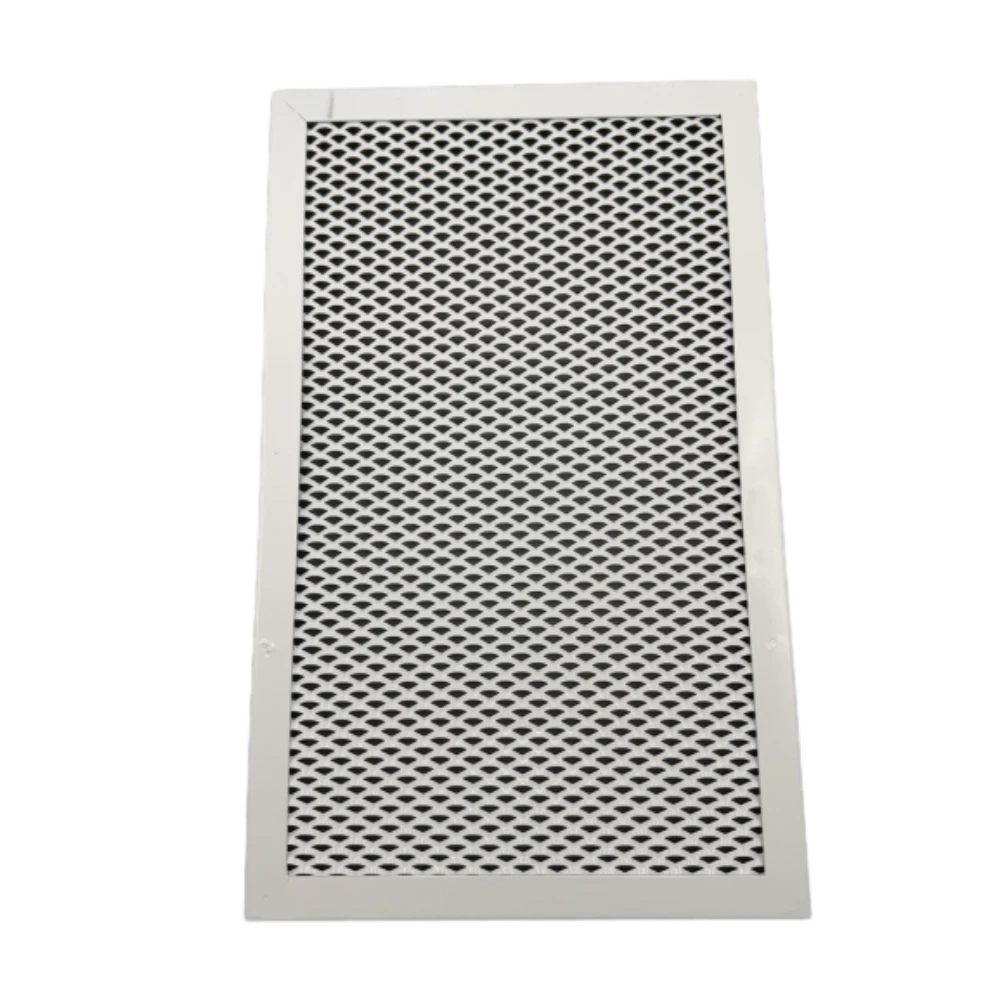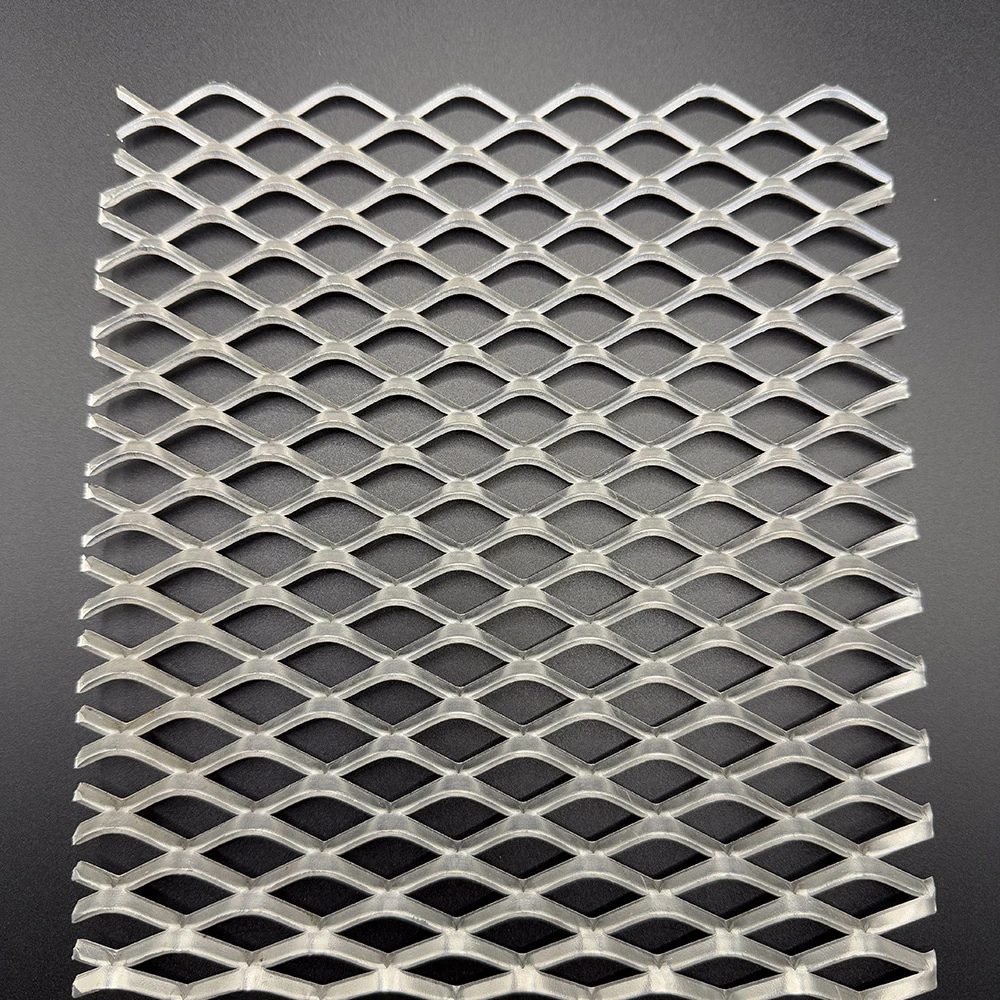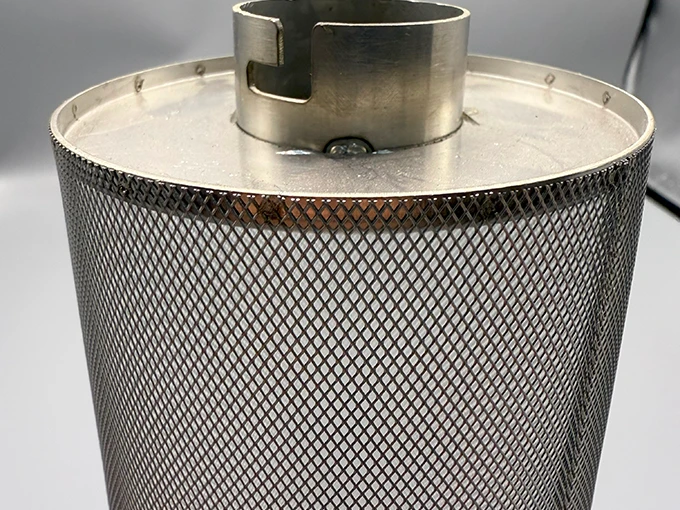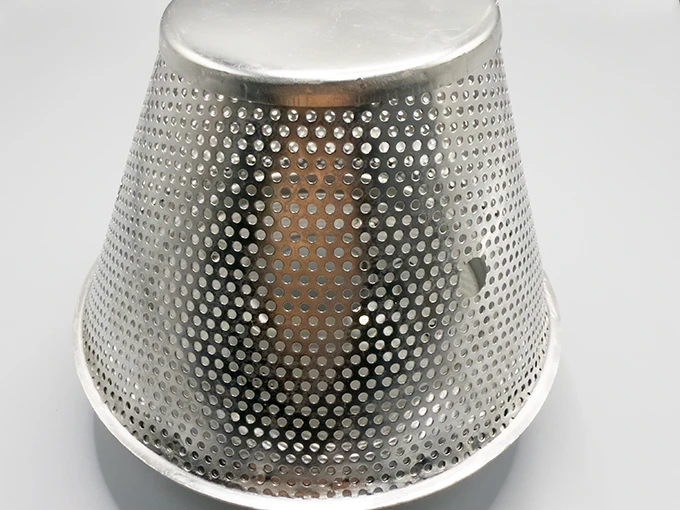
If you’re speccing a Stainless Steel Filter Element for a fluid line that just won’t quit, you probably care about three things: pressure drop, cleanability, and how often maintenance calls you at 2 a.m. To be honest, that’s where a welded basket strainer in 304/316 stainless quietly pays for itself. I’ve seen these more times than I can count in refineries and food plants, and—surprisingly—they tend to outlast polymer cartridges by years when the upstream is unpredictable.
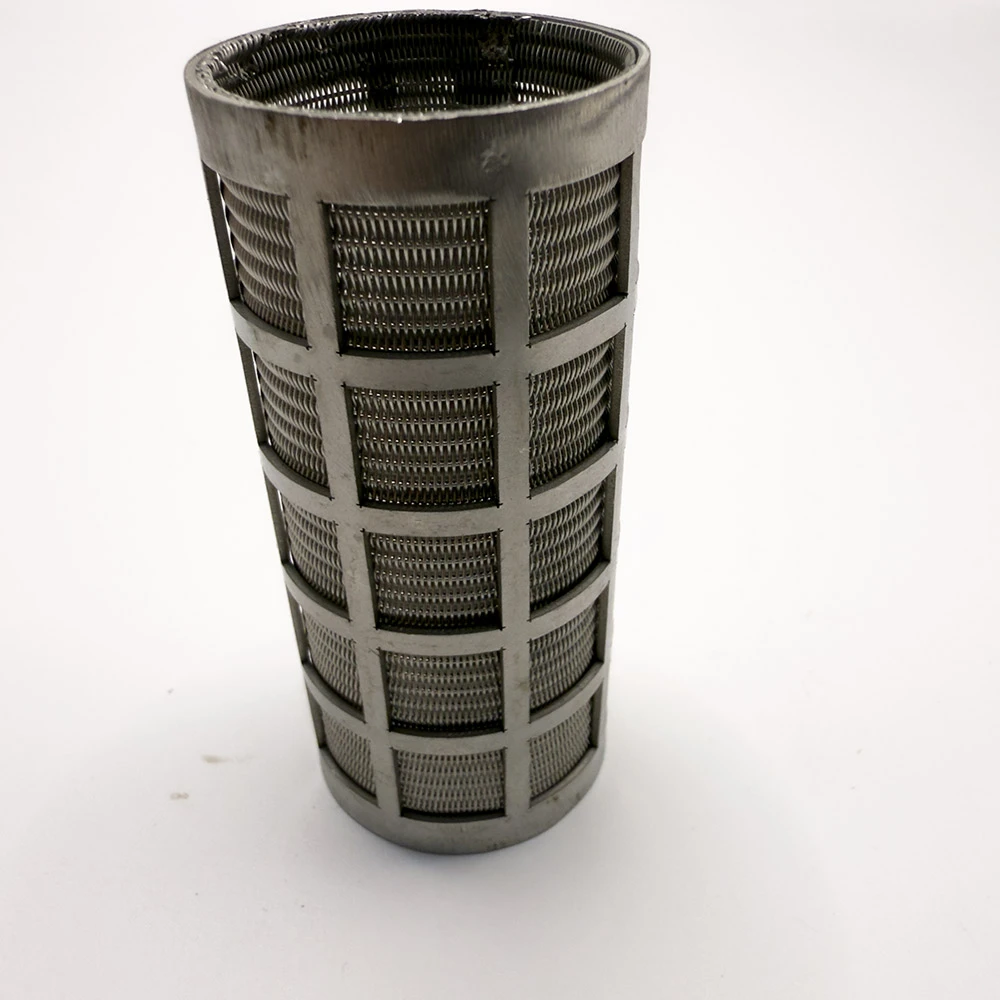
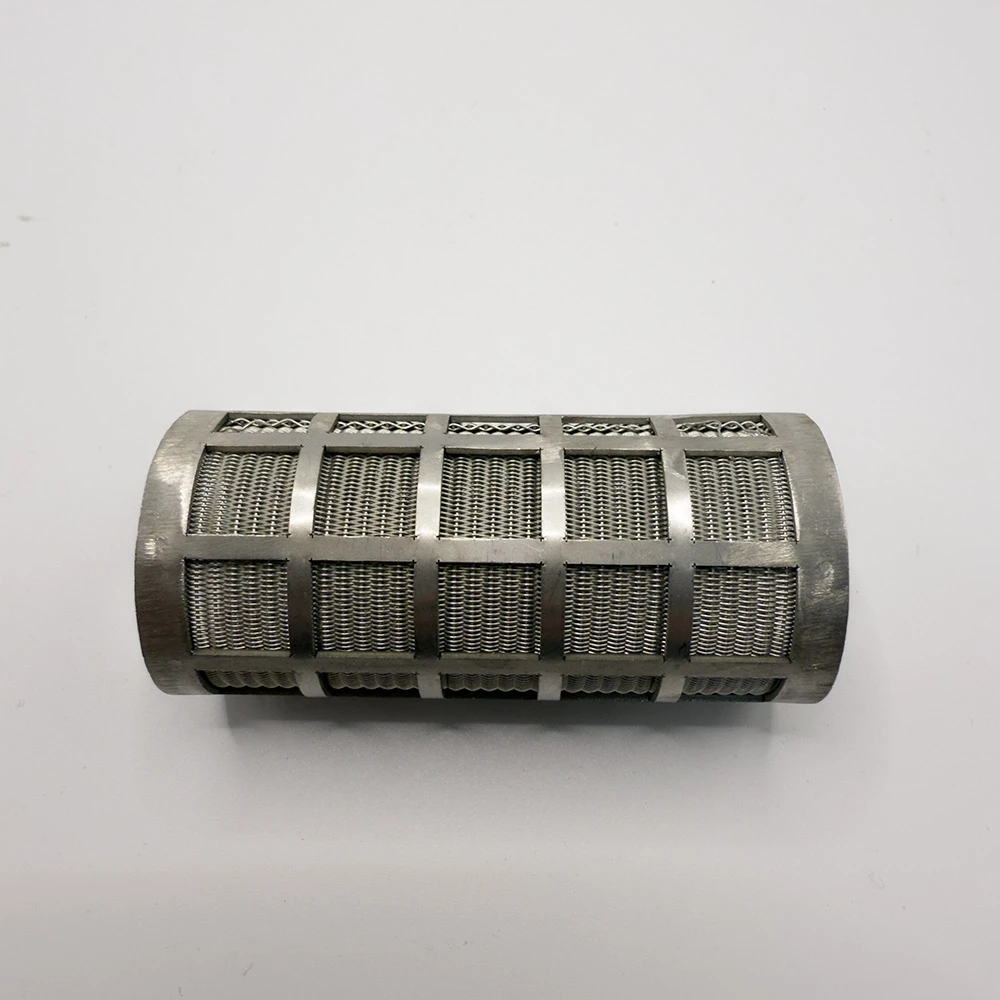
| Product Name | Stainless Steel Basket Strainer Filter (a Stainless Steel Filter Element type) |
| Materials | SS304, SS316/316L, optional 904L; wire mesh, perforated support, or sintered laminate |
| Micron Rating | ≈ 1–5000 μm (real-world use may vary with fluid viscosity and load) |
| Pressure/Temp | Up to 1.6 MPa typical; up to 450°C continuous for 316L mesh/support |
| Connections | Flanged, threaded, or insert basket; gaskets PTFE/EPDM/Viton |
| Certifications | ISO 9001; material per ASTM A240/A580; passivation per ASTM A967; FDA 21 CFR contact (materials), 3‑A optional |
Industry trend check: plants are moving from disposable polymer cartridges to reusable metal media, partly for sustainability, partly because operators want stable differential pressure under thermal cycling. Actually, it’s the cleaning cycle that seals the deal—steam, backflush, or ultrasonic, pick your poison.
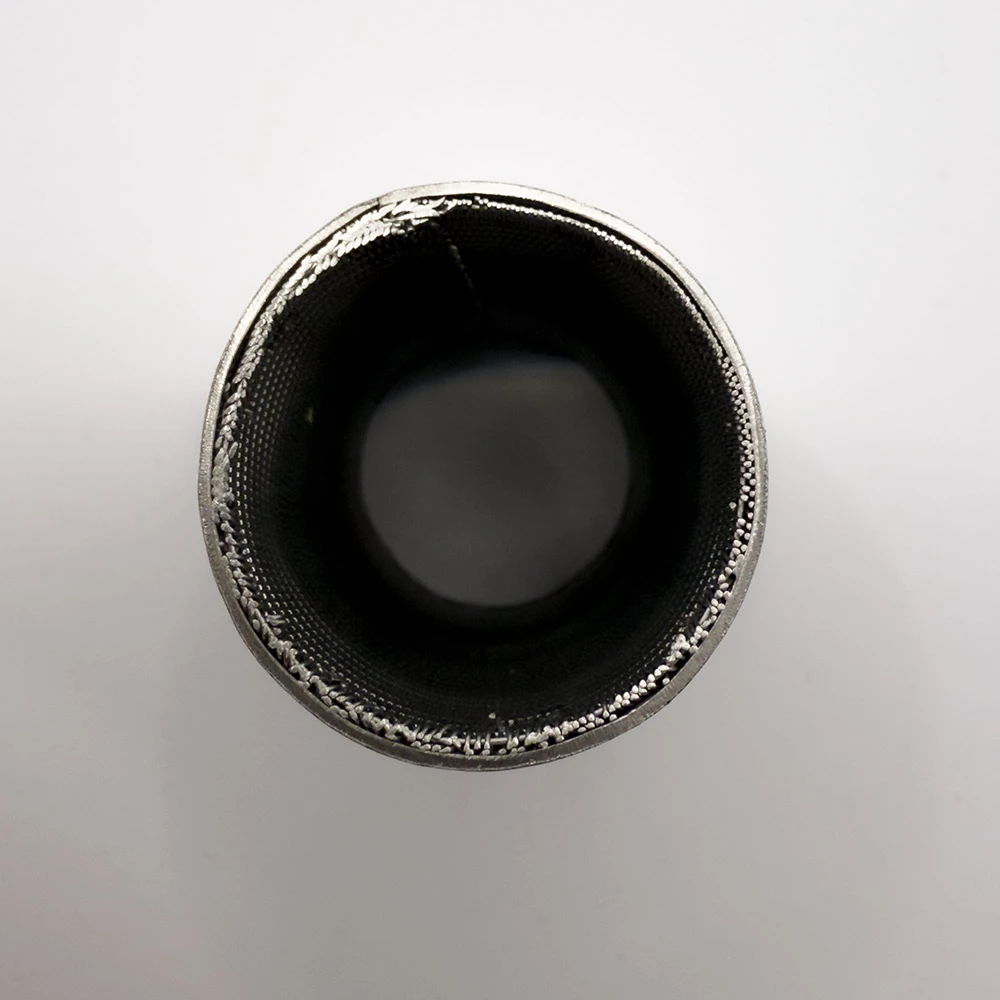
Materials arrive as certified coils and mesh (304/316L). The media is woven or sintered, then formed into a deep basket over a perforated core. Welds are TIG/MIG depending on thickness; edges are deburred; the surface is pickled and passivated (ASTM A967) to restore the chromium oxide layer. QC kicks in with multipass efficiency tests (ISO 16889), bubble point/porometry (ASTM F316) for pore-size validation, collapse/burst (ISO 2941/3724), and salt spray where required (ASTM B117). Service life: around 2–5 years in typical duty, longer with proper CIP and differential-pressure monitoring.
Field datapoint: at 150 L/min, 10 μm basket, clean DP measured ≈ 12–18 kPa on light hydrocarbons (25°C); fouling doubled DP in ~36 hours, then restored to baseline after ultrasonic clean—repeatable over 50 cycles.
| Vendor | Mesh/Media Range | Certs | Lead Time | Price Band | Notes |
|---|---|---|---|---|---|
| CC Metal Mesh (Anping, CN) | 1–5000 μm; woven, sintered, perforated support | ISO 9001; material traceability | 10–25 days | $ | Origin: Hou Zhuang Industry Zone, Anping County, Hebei, 053600 |
| EU Supplier (generic) | 5–2000 μm; sanitary focus | ISO 9001/14001; 3‑A | 3–6 weeks | $$$ | Premium finish; longer documentation packs |
| US Supplier (generic) | 10–3000 μm; heavy-duty | ASME shop, ISO 9001 | 2–5 weeks | $$ | Great for high DP, rugged cores |
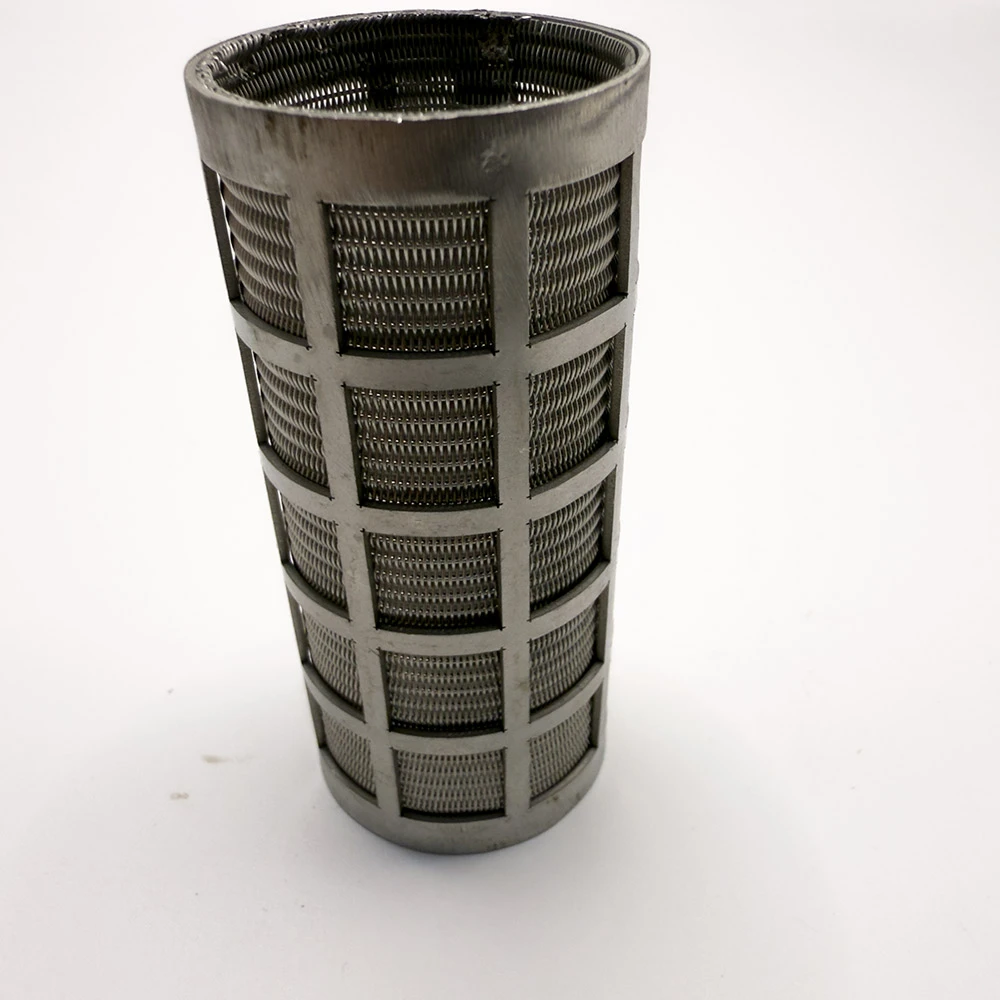
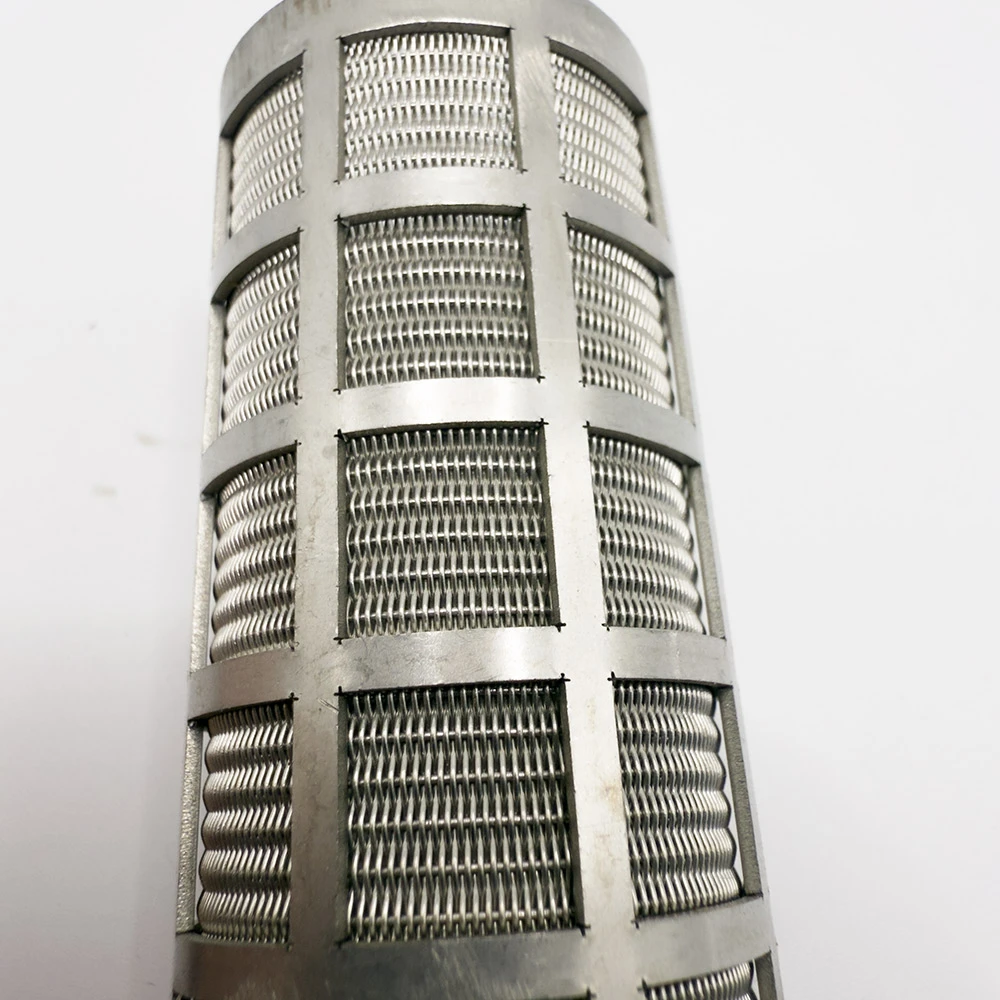
Bottom line: if you need a rugged, cleanable Stainless Steel Filter Element that doesn’t flinch at heat, solvents, or CIP, this basket format is a safe bet. I guess the only caveat is to size generously for fouling load—and verify with an ISO 16889 multipass curve before locking the spec.



![$item[alt]](https://images.exportstart.com/images/a1393/cc-7691.webp "$item[title]")