0%

Table of Contents

Expanded metal mesh is a versatile material experiencing increasing global demand due to its unique combination of strength, lightweight nature, and diverse applications. From industrial flooring and security fencing to architectural features and filtration systems, expanded metal mesh plays a critical role across numerous sectors. Understanding its properties and applications is essential for engineers, architects, manufacturers, and anyone involved in infrastructure development or safety solutions.

The global market for expanded metal is driven by factors like growing industrialization in developing economies, increasing infrastructure investments, and a rising need for effective security measures. According to recent industry reports, the expanded metal market is projected to reach significant growth in the coming years, driven primarily by demand in the construction, automotive, and aerospace industries. Its cost-effectiveness and sustainability also contribute to its growing appeal.

The inherent advantages of expanded metal mesh, such as its open surface area, structural rigidity, and customizable designs, make it a superior alternative to traditional materials in many applications. This contributes to efficiency, reduces material waste, and often enhances the performance and longevity of the final product. It's a material increasingly chosen for its ability to address both practical and aesthetic needs.
The Growing Demand and Diverse Applications of Expanded Metal Mesh

Introduction to expanded metal mesh

The Growing Demand and Diverse Applications of Expanded Metal Mesh

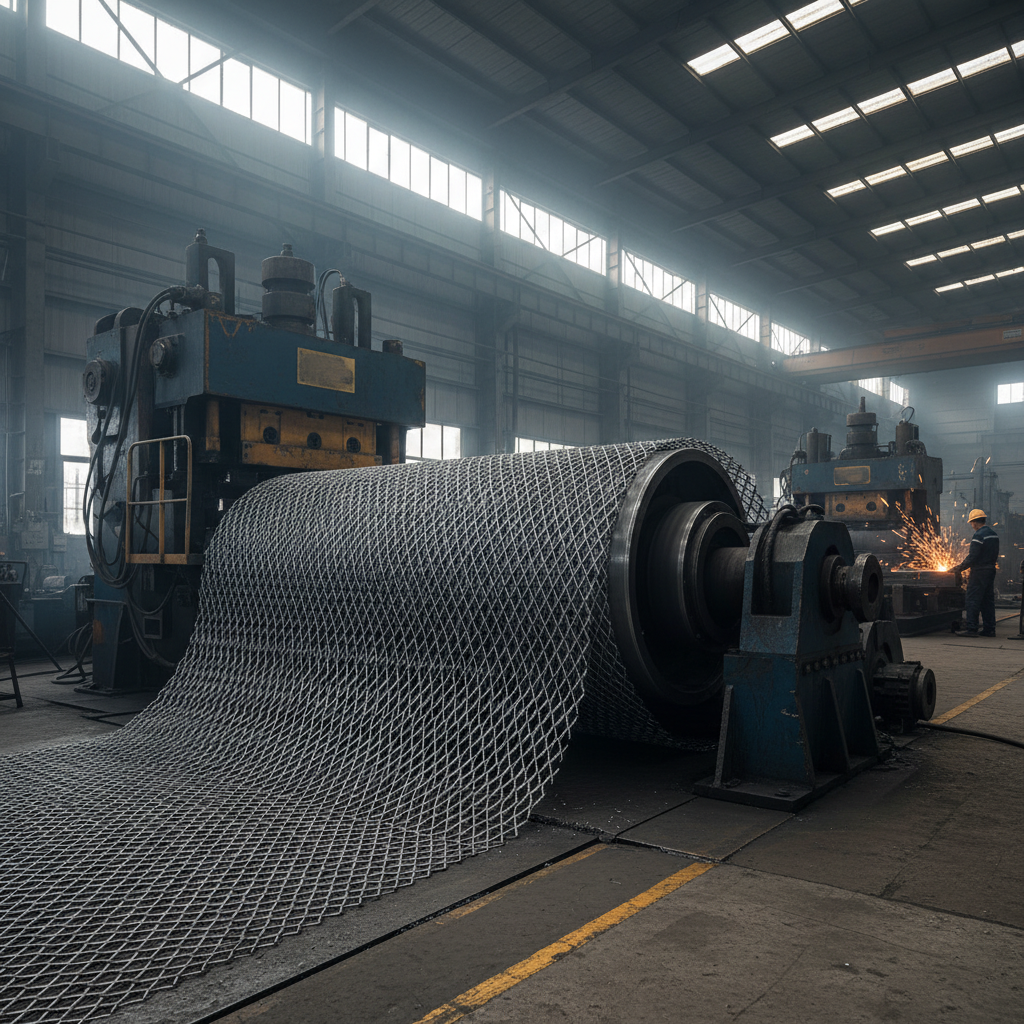
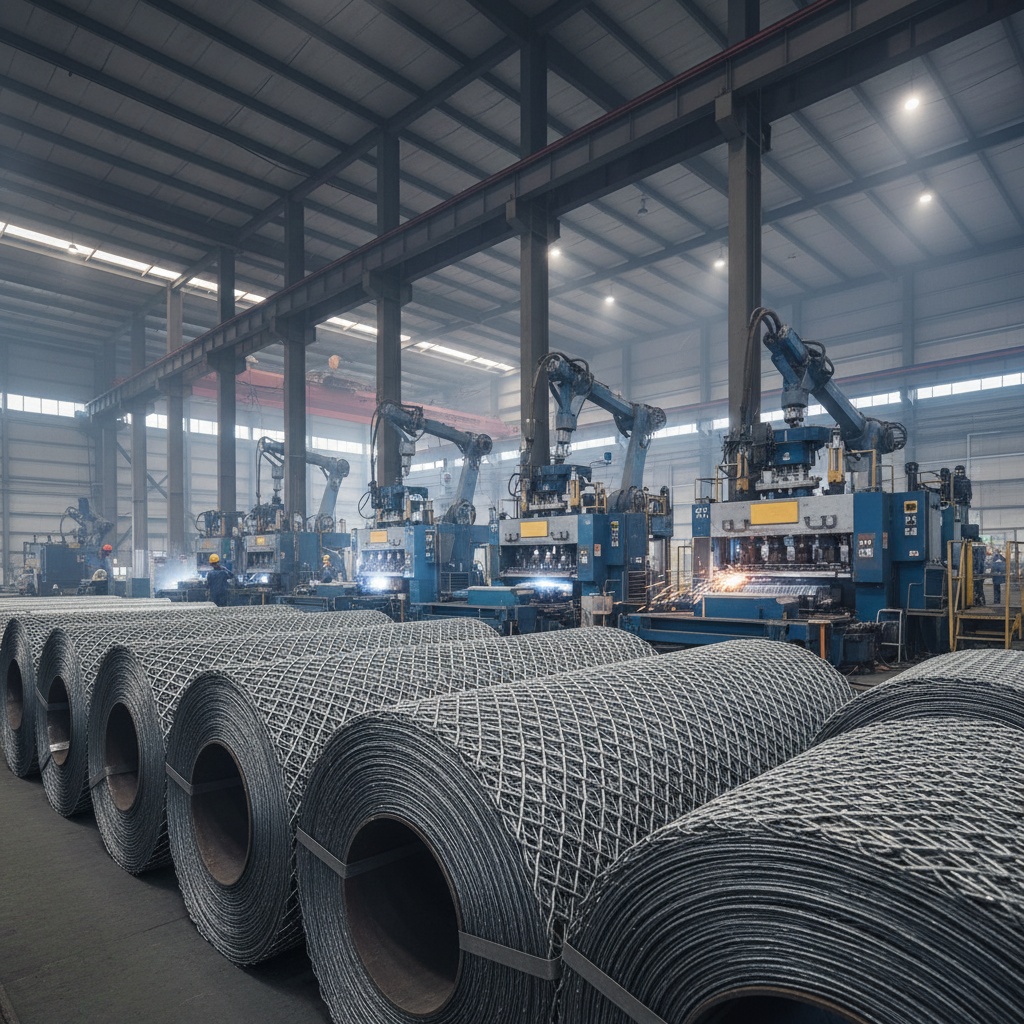
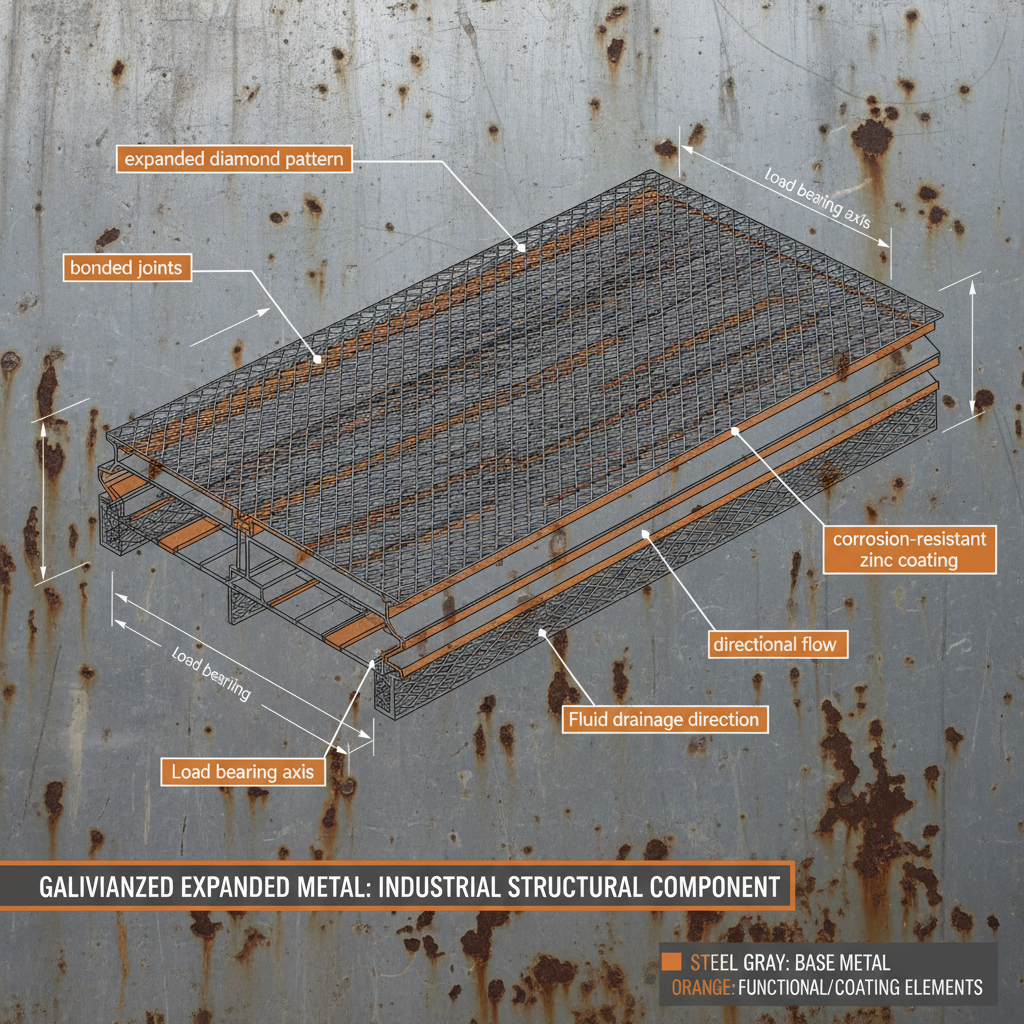
Expanded metal mesh is created by slitting and stretching sheet metal, resulting in a rigid, one-piece structure with diamond-shaped openings. This process maintains a high ratio of open area to gross area, which is a key characteristic that distinguishes it from woven wire mesh. This unique structure offers advantages in applications where air flow, light transmission, or weight reduction are critical.

Unlike welded or woven metal alternatives, expanded metal mesh eliminates the potential for joints to fail, making it exceptionally durable and resistant to deformation. This inherent strength makes it ideal for applications demanding robust performance under stress and harsh environmental conditions. It's a material built to last, offering a reliable solution for diverse needs.

The Global Relevance of expanded metal mesh

The demand for expanded metal mesh is globally distributed, with significant consumption in regions undergoing rapid industrialization, such as Asia-Pacific, and in countries with well-established infrastructure, like North America and Europe. The UN's Sustainable Development Goals, particularly those related to infrastructure development and sustainable cities, indirectly drive demand for durable and efficient materials like expanded metal mesh.

According to the World Bank, investments in infrastructure are critical for economic growth, and expanded metal mesh is frequently used in these projects – from highway sound barriers and bridge decking to airport walkways and building facades. The material also plays a vital role in security applications, particularly in areas facing geopolitical instability.

A key challenge addressed by expanded metal mesh is the need for cost-effective and reliable solutions in projects with limited budgets and demanding performance requirements. Its long lifespan and low maintenance needs contribute to overall project sustainability, aligning with growing global concerns about resource efficiency.

Defining expanded metal mesh

Expanded metal mesh is a solid metal sheet that has been slit and stretched to form a diamond or hexagonal pattern with openings. Unlike woven or welded wire mesh, it is manufactured in one piece, meaning there are no welds or joints to break. This provides exceptional strength, rigidity, and a high degree of dimensional stability.

Its connection to modern industry is profound. It serves as a fundamental building block in a vast range of applications, from heavy-duty industrial flooring and grating to lightweight architectural cladding and decorative panels. Its ability to provide both structural support and open area makes it irreplaceable in many contexts.

In humanitarian contexts, expanded metal mesh can be rapidly deployed for temporary shelters, medical facilities, and sanitation systems. Its durability and resistance to corrosion are particularly valuable in disaster relief situations, offering a safe and reliable solution when conventional building materials are scarce or inaccessible.

Key Characteristics of expanded metal mesh

One of the primary characteristics of expanded metal mesh is its Durability. The single-piece construction minimizes weak points, making it incredibly resistant to damage and wear, even in harsh environments. This translates to lower replacement costs and improved safety over time.

Another crucial factor is Scalability. Expanded metal mesh can be manufactured in a wide range of sheet sizes, thicknesses, and opening configurations, allowing it to be tailored to specific project requirements. This flexibility makes it suitable for both small-scale and large-scale applications.

Expanded Metal Mesh Performance Metrics


Applications Across Industries

In the construction industry, expanded metal mesh is used for flooring, walkways, stair treads, and facade cladding. Its non-slip surface and structural strength make it a safe and durable choice for public spaces. In the automotive sector, it’s employed in radiator grilles, speaker covers, and protective shielding.

The agricultural industry benefits from expanded metal mesh in poultry cages, animal enclosures, and protective fencing. Its ability to withstand harsh weather conditions and resist corrosion makes it a reliable option for outdoor applications. In post-disaster relief operations, it's rapidly deployed for temporary shelters and medical facilities.

Advantages and Long-Term Value

The cost-effectiveness of expanded metal mesh is a major advantage, particularly when considering its long lifespan and minimal maintenance requirements. Its durability reduces the need for frequent replacements, resulting in lower life-cycle costs. Furthermore, its sustainable manufacturing process minimizes material waste.

From a social impact perspective, expanded metal mesh contributes to safety and security in various applications. Its use in protective barriers and security fencing enhances public safety, while its robust construction provides peace of mind to end-users. The inherent reliability fosters trust in the longevity and performance of structures built with this material.

Future Trends in expanded metal mesh

Innovations in materials science are leading to the development of expanded metal mesh made from lighter, stronger, and more corrosion-resistant alloys. The integration of smart technologies, such as sensors embedded within the mesh, is also emerging, enabling real-time monitoring of structural integrity and environmental conditions.

The growing emphasis on sustainability is driving demand for expanded metal mesh manufactured from recycled materials. The use of renewable energy sources in the production process is also gaining traction, reducing the carbon footprint of this versatile material.

Automation and digital manufacturing techniques are streamlining the production process, increasing efficiency and reducing costs. This allows for greater customization and faster turnaround times, meeting the evolving needs of diverse industries.

FAQS

What are the main advantages of using expanded metal mesh over traditional grating?

Expanded metal mesh offers several advantages over traditional grating, including a higher strength-to-weight ratio, a slip-resistant surface, and a more open area for improved light transmission and ventilation. It’s also manufactured as a single piece, eliminating weak points associated with welds or fasteners. This translates to increased safety, durability, and reduced maintenance costs.

How does the expanded metal mesh manufacturing process affect its properties?

The slitting and stretching process inherently work-hardens the metal, increasing its strength and rigidity. The uniformity of the openings provides a consistent load distribution, minimizing stress concentrations. The one-piece construction eliminates the potential for separation at joints, enhancing overall structural integrity. The process is also relatively efficient, minimizing material waste.

Can expanded metal mesh be customized for specific applications?

Absolutely. Expanded metal mesh can be customized in various ways, including sheet thickness, opening size, strand width, and material type. It can also be bent, curved, or fabricated into complex shapes to meet specific design requirements. Surface treatments, such as galvanizing or powder coating, can further enhance its corrosion resistance and aesthetic appeal.

What materials are commonly used to manufacture expanded metal mesh?

Common materials include carbon steel, stainless steel, aluminum, and galvanized steel. The choice of material depends on the specific application and the desired properties, such as strength, corrosion resistance, and weight. Stainless steel is often preferred for applications requiring high corrosion resistance, while aluminum is chosen for its lightweight properties.

What are the typical applications of expanded metal mesh in architectural design?

In architecture, expanded metal mesh is used for facade cladding, sunshades, railings, screens, and decorative panels. Its unique aesthetic appeal, combined with its functional benefits, makes it a versatile material for creating visually striking and energy-efficient buildings. It allows for natural ventilation and daylighting while providing privacy and security.

How does the cost of expanded metal mesh compare to other materials like woven wire mesh or perforated metal?

While initial costs can vary depending on the material and specifications, expanded metal mesh often provides a better value proposition over the long term. It’s generally more durable and requires less maintenance than woven wire mesh. Compared to perforated metal, expanded metal mesh typically has a lower material cost, as it utilizes the entire sheet without removing material to create the openings.

Conclusion

Expanded metal mesh is a remarkably versatile and durable material with a broad range of applications across numerous industries. Its unique combination of strength, lightweight nature, and open surface area makes it an ideal solution for projects demanding reliability, cost-effectiveness, and sustainability. Its inherent advantages over traditional materials position it as a key component in modern infrastructure and design.

Looking ahead, continued innovation in materials science, manufacturing techniques, and smart technologies will further enhance the performance and versatility of expanded metal mesh. As the global focus on sustainability intensifies, the demand for this efficient and durable material is poised to grow, making it an essential element in building a more resilient and sustainable future. For more information and to explore our product range, visit our website: www.ccmetalmesh.com


Christopher Wilson

Christopher Wilson

Christopher Wilson is the Technical Support Specialist at Anping Chencai Metal. He is the primary point of contact for customers seeking installation guidance, troubleshooting assistance, and maintenance recommendations. Christopher has a comprehensive understanding of the company’s product line, including expanded metal, perforated metal, and filter mesh. He creates detailed video
Previous The Versatile Strength of Expanded Steel in Modern Infrastructure and Applications
Next Exploring the Versatility and Global Impact of Expanded Metal Sheet Applications