Type expanded metal is a versatile material finding increasing application across diverse industries globally. Its unique properties – strength, lightweight nature, and permeability – make it an ideal choice for projects ranging from architectural facades to industrial flooring and security fencing. Understanding its characteristics and potential is crucial for engineers, architects, and manufacturers seeking efficient and cost-effective solutions.
The demand for type expanded metal is driven by factors like infrastructure development, growing security concerns, and a rising emphasis on sustainable building practices. Regions experiencing rapid urbanization, such as Asia-Pacific and the Middle East, represent significant growth markets. Furthermore, the material’s recyclability aligns with global efforts to reduce environmental impact and promote circular economy principles.
Ultimately, mastering the knowledge of type expanded metal allows for innovative design possibilities, improved project efficiency, and the ability to address complex engineering challenges in a sustainable manner. Its adaptability ensures its continued relevance and expansion across numerous applications for years to come.
Introduction to type expanded metal
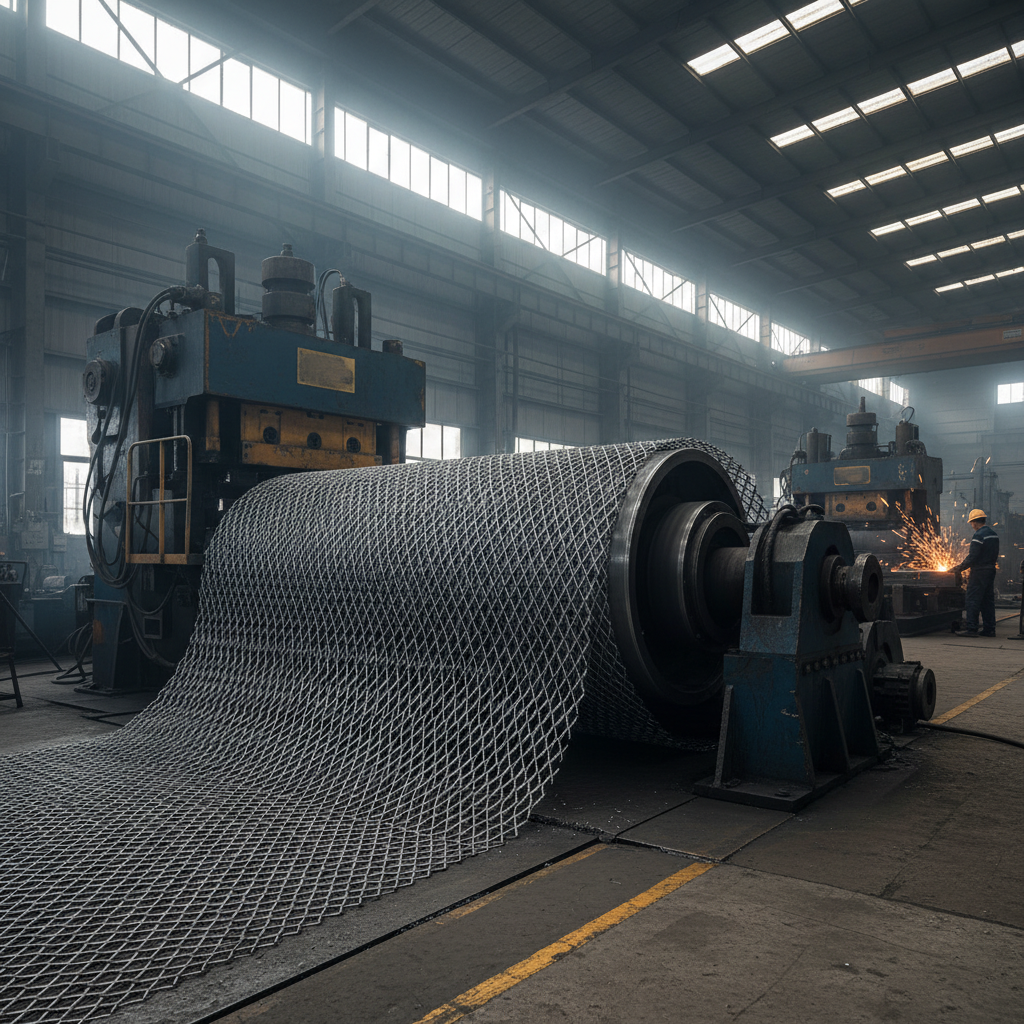
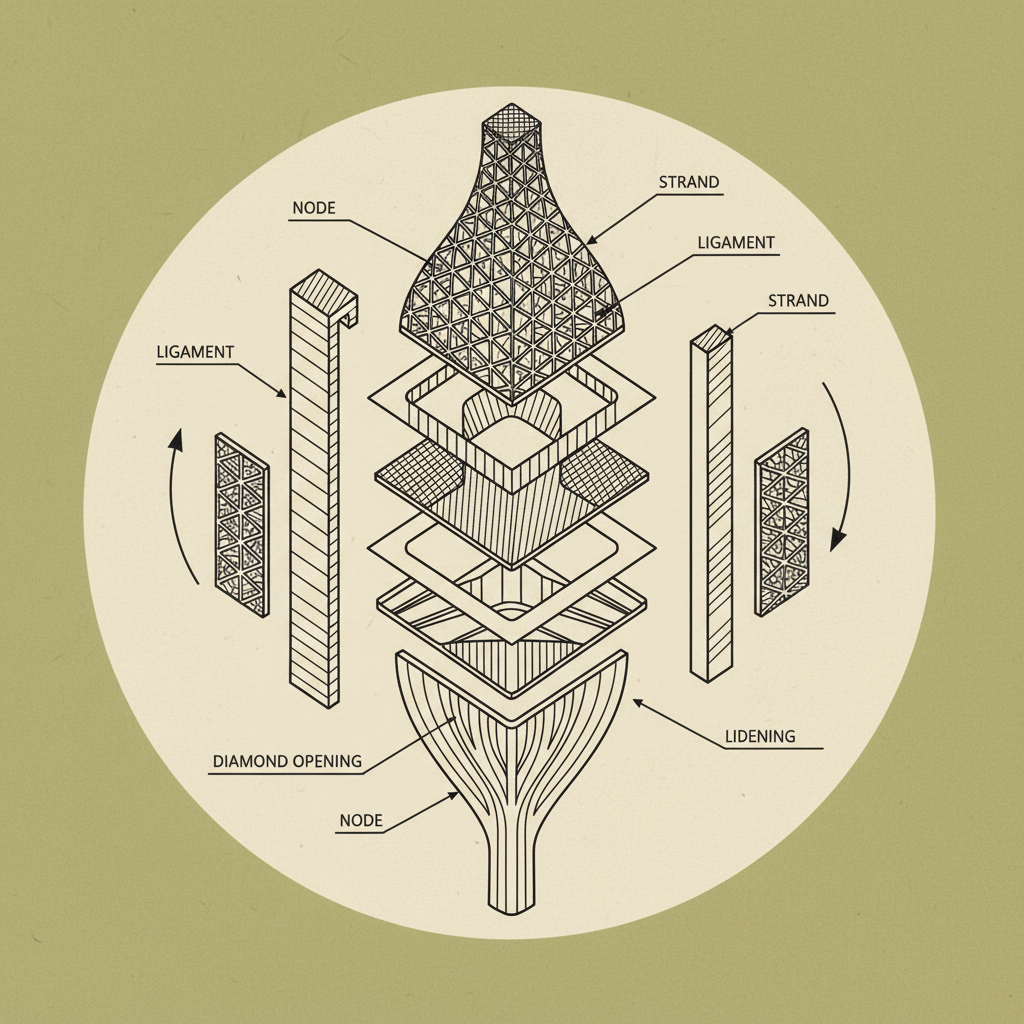
Type expanded metal is created through a stretching process, slitting and expanding metal sheet without forming separate pieces. This results in a rigid, one-piece structure with diamond-shaped openings. type expanded metal offers a unique combination of strength, open area, and aesthetic appeal.
Its production is a relatively simple and cost-effective process, contributing to its widespread use. The versatility of expanded metal allows for customization in terms of mesh size, strand width, and sheet thickness, making it adaptable to numerous application requirements across diverse industries.
Global Relevance of type expanded metal
The global market for type expanded metal is estimated to be worth billions of dollars, driven primarily by infrastructure projects, construction, and industrial applications. According to industry reports, the Asia-Pacific region currently dominates the market share due to its rapid economic growth and substantial construction activities. North America and Europe also represent significant markets with a demand for high-quality expanded metal.
A key challenge within the industry is maintaining consistent quality standards across different manufacturers and regions. Organizations like ISO are working to establish comprehensive testing and certification procedures to ensure the reliability and performance of expanded metal products. Furthermore, the rise in sustainable construction practices is influencing demand towards recycled and eco-friendly expanded metal options.
Increasing concerns about security, both physical and perimeter, are also fuelling the demand for expanded metal fencing and cladding, especially in urban areas and critical infrastructure facilities. This growth is further boosted by its comparatively lower cost than traditional fencing materials.
Defining type expanded metal
Type expanded metal is a solid metal sheet that has been slit and then stretched to form an open, diamond-shaped mesh pattern. Unlike woven wire mesh, expanded metal is a single piece of material, making it exceptionally strong and durable. The process does not create separate components, preserving much of the original metal’s strength.
Its connection to modern industry is profound. It's a critical component in numerous applications, from providing structural support in buildings and bridges to acting as a filter in industrial processing. The inherent qualities of type expanded metal – including its high strength-to-weight ratio and permeability – make it an ideal material where both robustness and airflow or liquid passage are required.
Furthermore, in humanitarian contexts, expanded metal provides quick and effective solutions for temporary structures, shelters, and disaster relief efforts, demonstrating its adaptability and utility beyond traditional commercial applications. It's a testament to ingenious engineering and practical material science.
Core Characteristics of type expanded metal
One fundamental characteristic of type expanded metal is its Durability. The single-piece construction eliminates the possibility of joints or welds failing, resulting in a product that can withstand significant stress and wear. This makes it suitable for demanding applications in industrial settings and exposed outdoor environments.
Scalability is another key benefit. Expanded metal can be manufactured in a wide range of sheet sizes and thicknesses, accommodating diverse project requirements. This flexibility allows for efficient material utilization and reduces waste during fabrication.
Type Expanded Metal Performance Indicators
Applications of type expanded metal Worldwide
Type expanded metal finds widespread use in architectural applications, serving as facade cladding, sunshades, and decorative screens. Its aesthetic appeal and ability to control light and airflow make it a popular choice for modern building designs. In Europe, you’ll find extensive use in historic building renovations, blending seamlessly with traditional aesthetics.
The construction industry utilizes expanded metal for flooring gratings, stair treads, and walkways, benefiting from its slip-resistant surface and structural integrity. In North America, it is heavily used in the infrastructure sector, particularly in bridge decking and highway guardrails due to its robustness and longevity.
The Advantages of Utilizing type expanded metal
The primary advantage of type expanded metal lies in its Cost Efficiency. The manufacturing process is relatively simple, and the material requires minimal fabrication, resulting in lower overall project costs compared to other materials offering similar strength and durability. Furthermore, reduced material waste contributes to overall savings.
Another significant benefit is its Long-Term Value through reduced maintenance. Its resistance to corrosion and wear translates to lower life-cycle costs, minimizing the need for frequent repairs or replacements. This is particularly important in demanding environments where maintenance access is limited or expensive.
Future Trends in type expanded metal Technology
Ongoing research focuses on developing new alloys and coating technologies to enhance the corrosion resistance and durability of type expanded metal. The integration of digital fabrication techniques, such as laser cutting and robotic bending, is enabling more complex and customized designs.
Furthermore, there's increasing emphasis on sustainable manufacturing processes, including the use of recycled materials and energy-efficient production methods. The development of bio-based coatings and treatments could further reduce the environmental impact of expanded metal products, aligning with the growing demand for eco-friendly building materials.
FAQS
Type expanded metal is widely used in construction for flooring, stair treads, walkways, facade cladding, and security fencing. Its strength, durability, and slip-resistant properties make it an ideal choice for these applications. It also offers aesthetic benefits and can contribute to energy efficiency through shading and ventilation.
The expanding process preserves a significant amount of the original metal’s strength, resulting in a very durable material. The stretching creates a rigid, one-piece structure, eliminating weak points associated with welds or joints. The resulting open area provides good ventilation and light transmission.
Yes, expanded metal is well-suited for outdoor applications due to its corrosion resistance and durability. However, depending on the environment, it may benefit from a protective coating, such as galvanization or powder coating, to enhance its longevity. The inherent resistance makes it ideal for harsh weather conditions.
Expanded metal can be produced from a variety of metals, including carbon steel, stainless steel, aluminum, and copper. The choice of metal depends on the specific application requirements, such as strength, corrosion resistance, and cost. Stainless steel is commonly used for applications requiring high corrosion resistance.
Expanded metal is generally stronger and more durable than woven wire mesh due to its single-piece construction and the preservation of the original metal’s strength. Woven wire mesh has joints that can be points of failure, whereas expanded metal is seamless. This makes expanded metal a more reliable choice for demanding applications.
Yes, type expanded metal is highly recyclable. The metal can be recovered and reused in new products, contributing to a circular economy and reducing environmental impact. The recycling process is well-established and efficient, making it a sustainable material choice.
Conclusion
In conclusion, type expanded metal represents a versatile and efficient material solution with applications spanning across diverse industries. Its unique combination of strength, durability, scalability, and cost-effectiveness makes it a valuable asset for architects, engineers, and manufacturers seeking innovative and sustainable building solutions. The material’s adaptability ensures its continued relevance in a rapidly evolving world.
Looking ahead, continued innovation in alloy development, manufacturing processes, and surface treatments will further enhance the performance and broaden the application possibilities of type expanded metal. Exploring opportunities for integrating expanded metal into green building initiatives and sustainable infrastructure projects will be crucial for maximizing its positive impact on the environment and society.