
When you first hear “perforated copper sheet metal,” it might sound like a niche product for metallurgists or manufacturers. But honestly, this material quietly underpins several crucial global industries — from electronics to sustainable architecture. Its unique structure combines the natural benefits of copper with precision perforations, resulting in a versatile component that's both functional and appealing. Understanding this sheet metal not only offers insight into modern manufacturing but also reveals solutions to pressing challenges like energy efficiency and lightweight shielding.
Copper ranks as one of the most widely used metals worldwide, with over 20 million tonnes produced annually. Perforated copper adds another dimension — literally and figuratively — by lending itself to applications where strength, conductivity, and breathability must coexist. Think electronics cooling, decorative facades, or electromagnetic shielding.
Globally, industries are chasing higher energy efficiency and lighter materials; perforated copper sheet metal addresses both. However, manufacturing this material at scale, while maintaining quality and sustainability, remains challenging. This is partly why innovations here matter, especially for countries focusing on green energy or digital infrastructure upgrades.
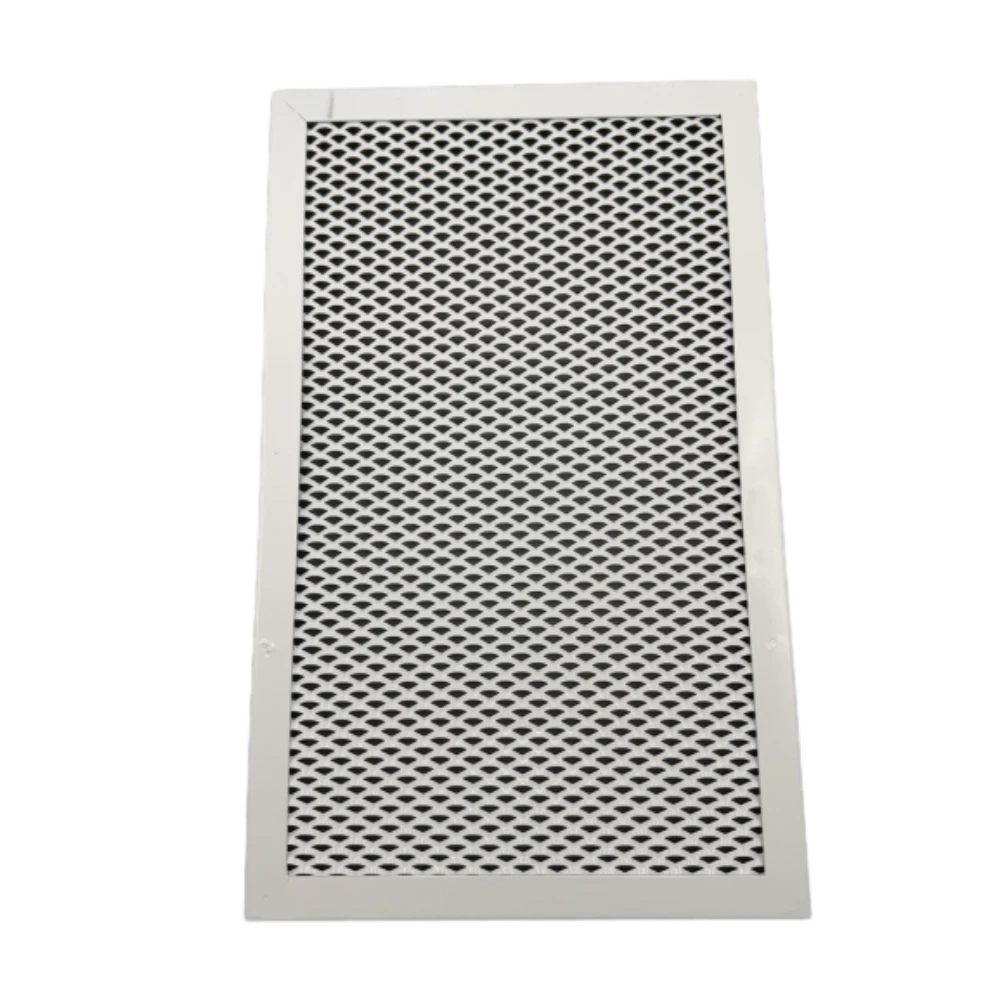
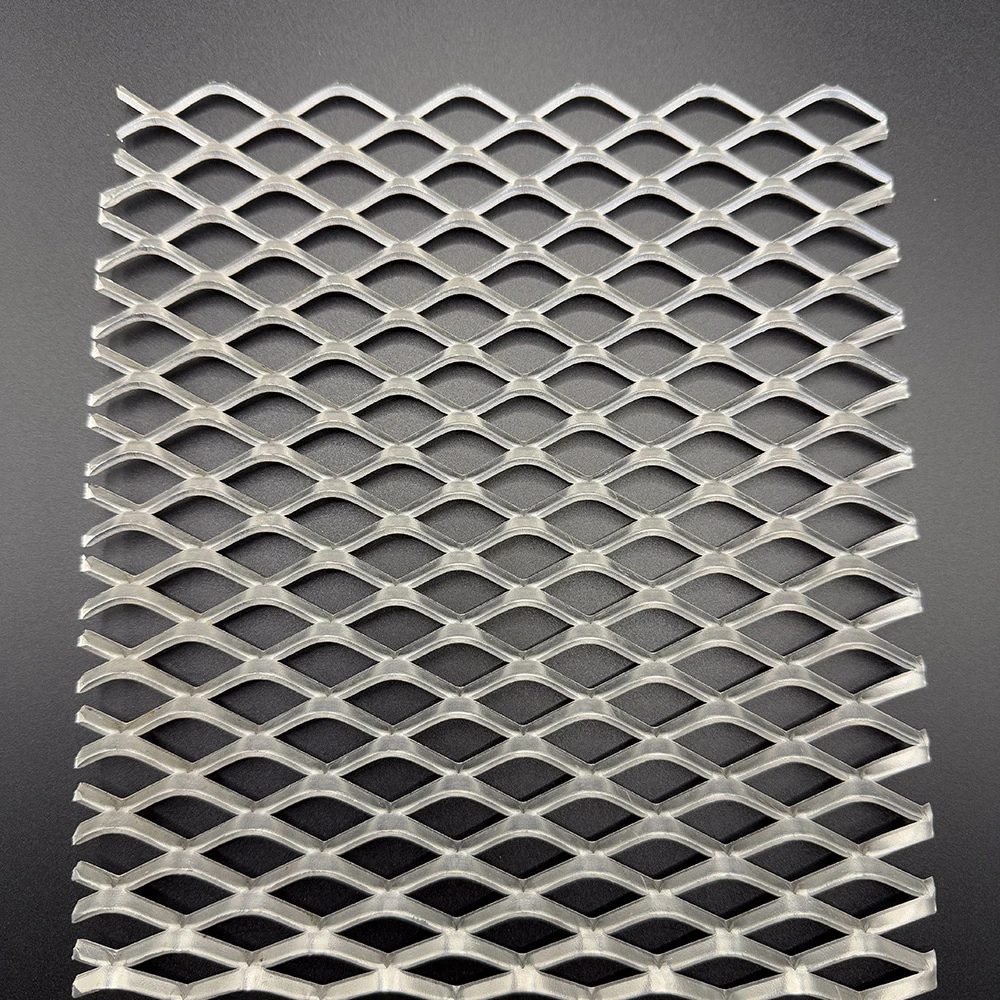
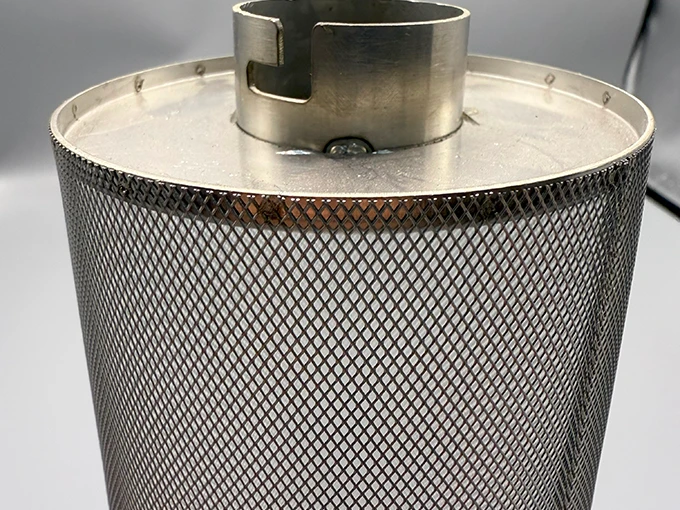
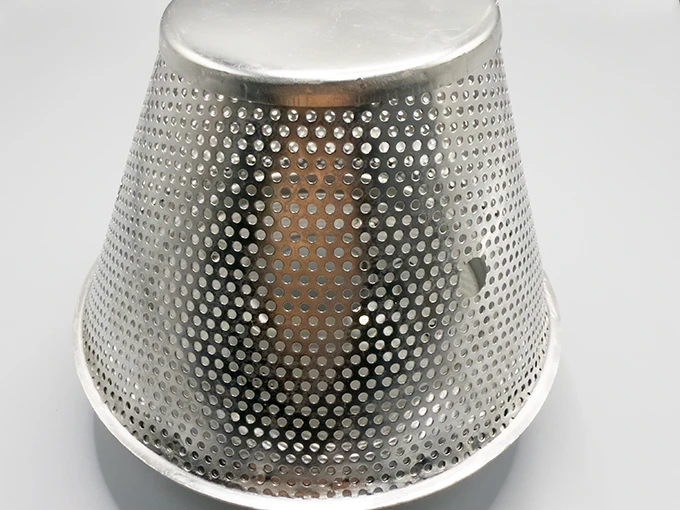
Simply put, perforated copper sheet metal is a copper flat sheet pierced uniformly with holes or shapes following a specific pattern. These perforations reduce weight and allow airflow or light passage — useful in countless industrial scenarios. It blends copper’s excellent thermal and electrical conductivity with design flexibility.
From an industrial perspective, this material is essential in manufacturing heat exchangers, speaker grills, or even architectural elements that need a balance of aesthetics and function. It also finds surprising humanitarian roles — like adaptable filtration systems or improved solar panel efficiency.
Copper resists corrosion naturally, which means perforated sheets last longer, especially outdoors or in humid environments. This endurance ensures that substrates maintain performance without frequent replacement.
Perforations do reduce material mass, but copper’s conductivity remains high enough for thermal management and EMI (electromagnetic interference) shielding — vital in telecommunications and medical devices.
Punching holes means lighter components — crucial for aerospace, automotive, or portable electronics, where every gram counts. On top of that, flexible patterns allow designers to tailor strength against weight precisely.
While the initial cost of copper is high compared to steel or aluminum, when factored over durability and performance, costs may balance out or even favor copper solutions, especially where longevity and reliability matter.
| Specification | Details |
|---|---|
| Material | High-purity copper (≥99.9%) |
| Sheet Thickness | 0.1 mm to 3.0 mm |
| Hole Diameter | 0.5 mm to 10 mm (customizable) |
| Perforation Patterns | Round, square, slotted, mesh |
| Surface Finish | Bare, polished, or coated (anti-oxidation) |
| Maximum Sheet Size | 1500 mm × 3000 mm |
Oddly enough, perforated copper sheet metal isn’t just about industrial heft. In electronics hubs like Taiwan and South Korea, it’s key for shielding sensitive circuits from electromagnetic noise. Meanwhile, in Europe, architects use it for sun-shading facades that balance light and airflow, reducing reliance on air conditioning.
In post-disaster relief, NGOs outfit filtration systems with copper perforated sheets due to their antibacterial properties—slowing pathogen spread. Even isolated mining operations in Australia depend on ventilated, durable enclosures fashioned from these sheets to protect equipment.
| Vendor | Product Range | Customization | Global Reach | Lead Time |
|---|---|---|---|---|
| CopperWorks Ltd. | Standard & custom perforations | High (pattern & thickness) | North America, Europe | 3-4 weeks |
| MetalMesh Corp. | Mostly standard sizes | Medium (limited patterns) | Asia-Pacific | 2-3 weeks |
| EcoPerforate Solutions | Eco-friendly finishes | Custom but mostly eco coatings | Europe, US | 4-5 weeks |
You know, it’s one thing to buy perforated copper sheet metal for a specific task, but the real win comes from long-term value. Copper’s natural antimicrobial properties promote cleaner, safer environments in hospitals or food processing plants. Sustainability-wise, the ability to recycle copper indefinitely makes it a smart investment for companies seeking green certifications.
Economically, using such material can lower maintenance demand and improve energy efficiency. Imagine building ventilation panels that passively cool rooms, reducing electricity consumption and carbon footprints at the same time. There's an emotional reassurance too — professionals feel confident specifying materials that “just work” without constant troubleshooting.
The future of perforated copper sheets looks intertwined with digital manufacturing and green tech. Additive manufacturing, or 3D printing of copper, is progressing rapidly, potentially enabling customized perforation patterns impossible with traditional stamping. Thin-film copper alloys combined with nanocoatings might soon enhance corrosion resistance further.
Policy-wise, tighter energy regulations worldwide (ISO 50001 and others) push industries toward materials that aid energy savings. I’ve noticed increased interest around integrating copper perforated mesh in solar panel backsheets to improve ventilation — which sounds promising. And with Industry 4.0, IoT-embedded metal parts could monitor structural health over time.
Let’s not sugarcoat it: producing precision perforations in copper can be costly and time-consuming, especially for very thin sheets or complex patterns. Furthermore, copper’s softness sometimes leads to deformation during handling.
Manufacturers counter this with laser perforation technologies offering cleaner edges and less mechanical stress. Protective coatings also help maintain structural integrity longer in harsh environments. Logistically, working with trusted suppliers who understand specific project needs can mitigate delays and quality issues.
In real terms, perforated copper sheet metal blends strength, versatility, and sustainability in a package that suits myriad global applications — from energy-efficient buildings to advanced electronics. Its long-term value stretches beyond simple supply chains into social and environmental impact spheres. If you want to explore cutting-edge options or need custom perforated copper solutions, visit our website for more info and expert advice.
Sometimes the smallest holes make the biggest difference.



![$item[alt]](https://images.exportstart.com/images/a1393/cc-7691.webp "$item[title]")