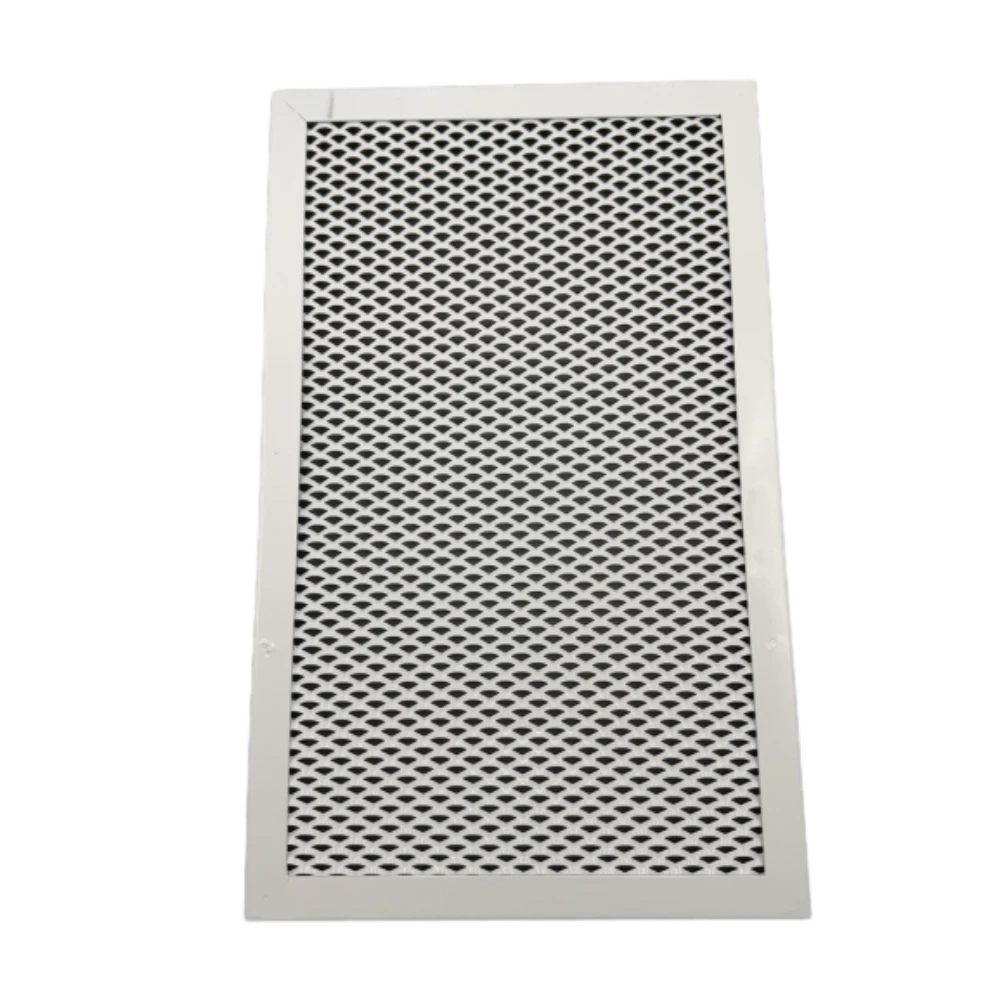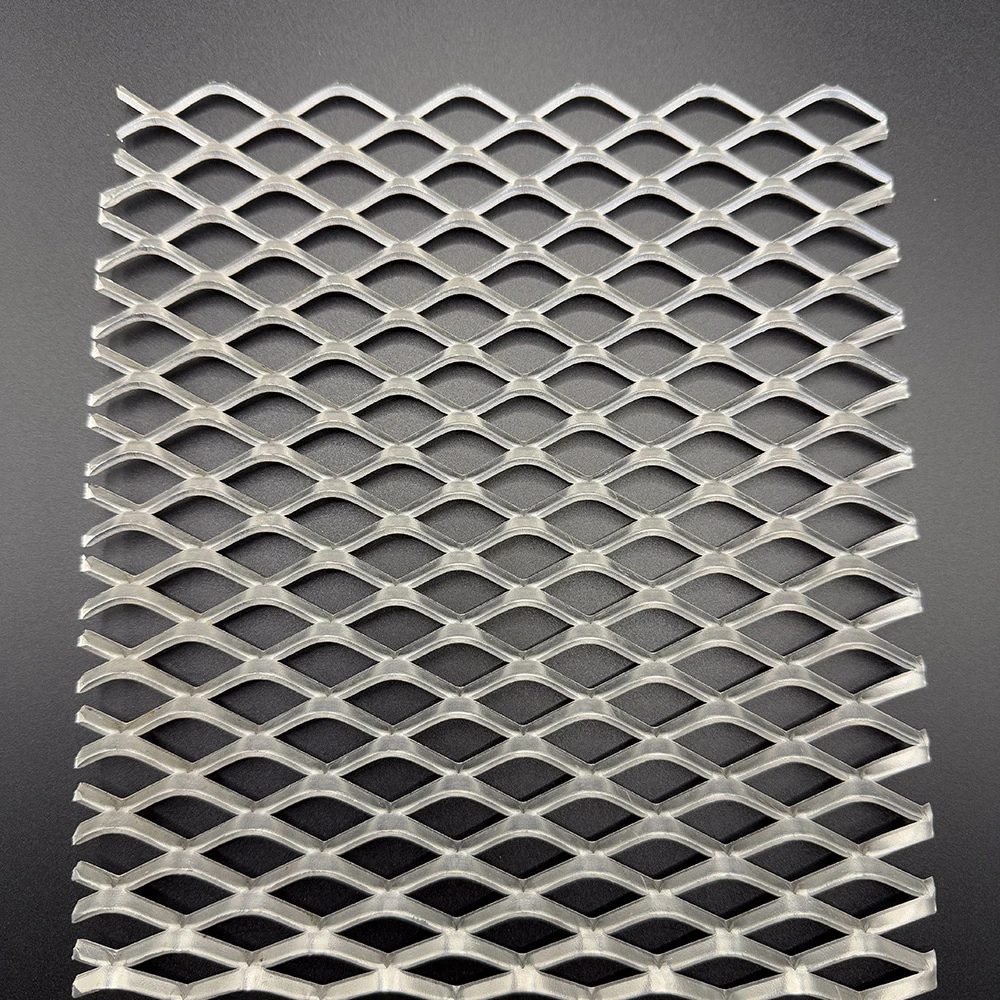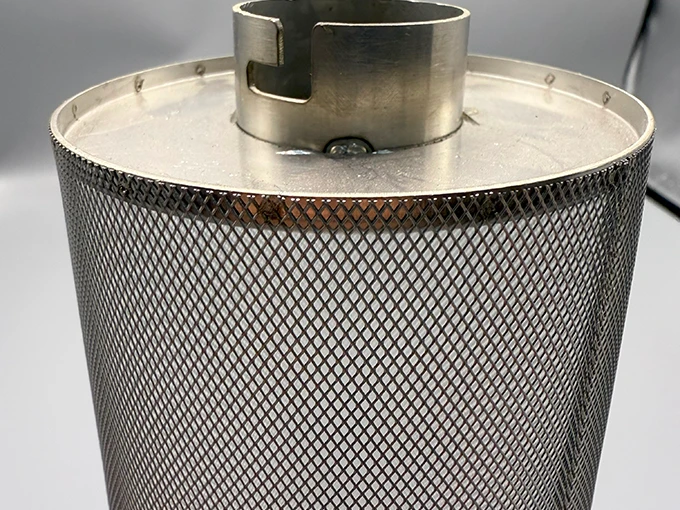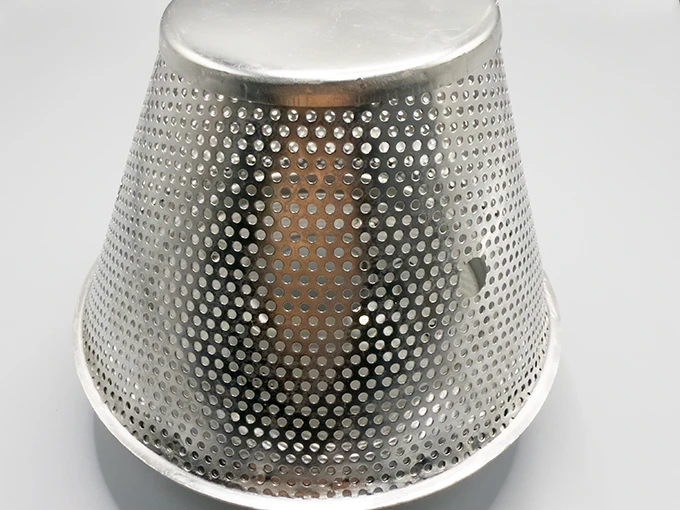

In diverse industrial and municipal applications, efficient water management is paramount, and a crucial component in ensuring system longevity and water quality is the filtration mechanism. Specifically, the well pump filter screen plays a pivotal role in protecting submersible and surface pumps from abrasive sediments, debris, and contaminants. These sophisticated screens are engineered to maintain consistent flow rates while significantly extending the operational lifespan of pumping equipment, thereby reducing maintenance costs and operational downtime. This comprehensive overview delves into the intricate world of pump filtration, exploring its technical nuances, application versatility, and strategic importance in modern water systems.
Our focus extends to the critical role these filters play across various sectors, from agricultural irrigation to heavy industrial processing and municipal water supply. We will discuss the cutting-edge manufacturing processes, stringent quality control measures, and the tangible benefits derived from deploying high-performance filtration solutions like our Pump Guard Filter. Understanding these components is not merely about choosing a product but investing in the reliability and efficiency of your entire fluid handling infrastructure.
The filtration industry is continually evolving, driven by increasing demands for water purity, sustainability, and operational efficiency. Current trends emphasize enhanced material science, smarter monitoring systems, and modular designs. Manufacturers are developing filter screens with superior corrosion resistance and abrasion durability, often utilizing advanced alloys and polymeric coatings. There's a significant push towards finer filtration capabilities without compromising flow rates, addressing microplastic contamination and increasingly challenging suspended solids.
Another prominent trend is the integration of IoT (Internet of Things) for real-time performance monitoring of filter systems. This allows for predictive maintenance, optimizing replacement schedules, and preventing catastrophic pump failures. Automation in backwashing and self-cleaning mechanisms is also gaining traction, reducing manual labor and ensuring continuous operation. Furthermore, sustainable manufacturing practices and the development of recyclable filter materials are becoming key differentiators for leading manufacturers in this competitive landscape. The market for pump filtration solutions is projected to grow substantially, driven by global infrastructure development and stricter environmental regulations.
The production of a high-quality well pump filter screen, such as our Pump Guard Filter, involves a meticulously engineered process to ensure optimal performance, durability, and reliability. This multi-stage process guarantees that each pump filter screen meets the rigorous demands of its intended application.
With proper material selection and robust manufacturing, a water pump screen can offer a service life of 10-25 years, significantly reducing lifecycle costs.
Target Industries:
Advantages in Typical Application Scenarios: Our filters demonstrate significant advantages, including energy saving through reduced pump load, superior corrosion resistance, and minimized downtime due to clogging or pump damage. This translates directly into lower operational expenditures and enhanced system reliability for our clients.
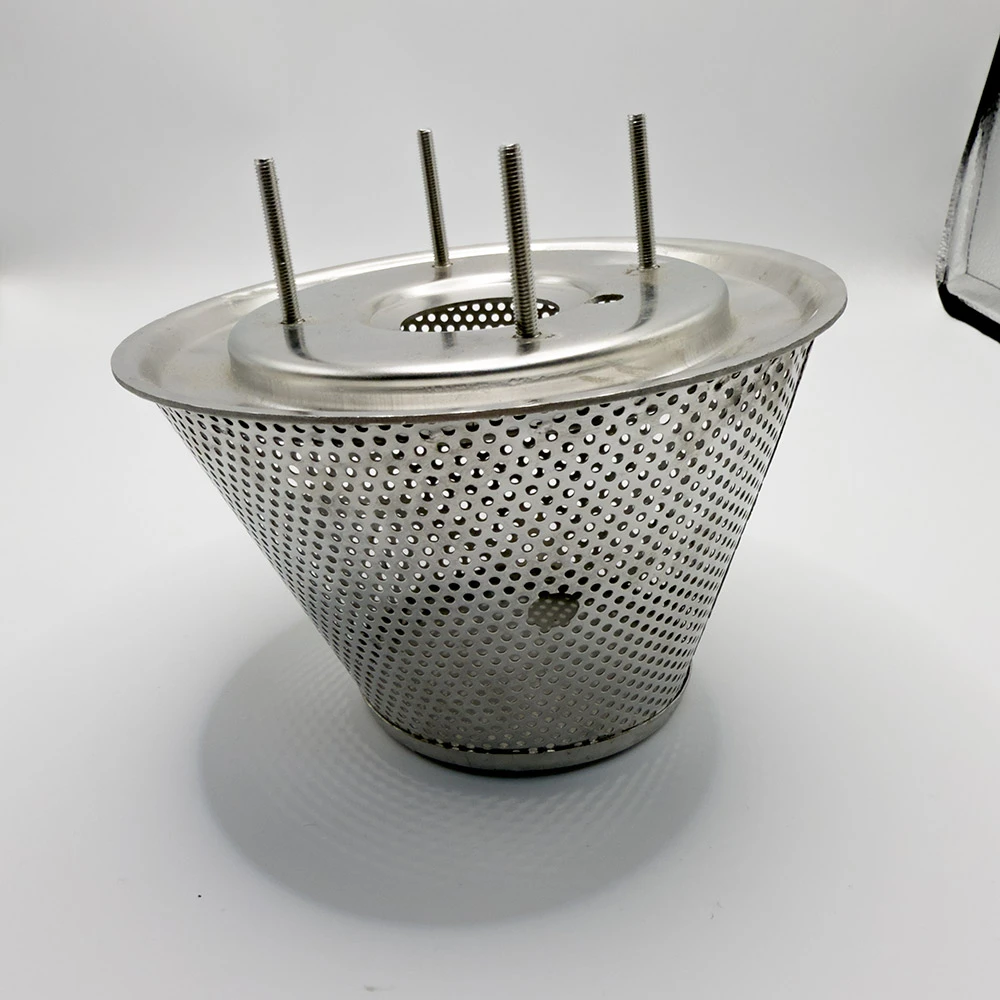
The performance of a pump filter screen is defined by its critical technical specifications. These parameters dictate its effectiveness in particle retention, flow characteristics, and structural resilience. Key considerations include the filtration rating, material composition, open area percentage, and mechanical strength.
| Parameter | Specification | Notes |
|---|---|---|
| Material | 304L / 316L Stainless Steel (Standard) | Corrosion resistance for various water types. |
| Filtration Rating (Slot Size) | 0.1 mm - 5 mm (100 - 5000 microns) | Customizable based on particulate size and flow. |
| Open Area Percentage | 20% - 40% (depending on slot size and wire profile) | Critical for minimizing pressure drop and maximizing flow. |
| Diameter Range | 2 inches to 24 inches (50 mm to 600 mm) | To fit various pump and well casing sizes. |
| Length Range | 1 foot to 20 feet (0.3 m to 6 m) | Modular or single-piece construction available. |
| Connection Type | Threaded, Flanged, Plain End, Welded-On | Adaptable to existing piping and pump systems. |
| Collapse Resistance | Up to 500 PSI (34.5 Bar) | Ensures structural integrity under high differential pressure. |
These specifications ensure that a mesh filter screen for pump applications can be precisely matched to the operational requirements, protecting critical pump infrastructure and maintaining optimal system performance. Understanding these details allows engineers and procurement specialists to make informed decisions that align with long-term operational goals and cost efficiencies.
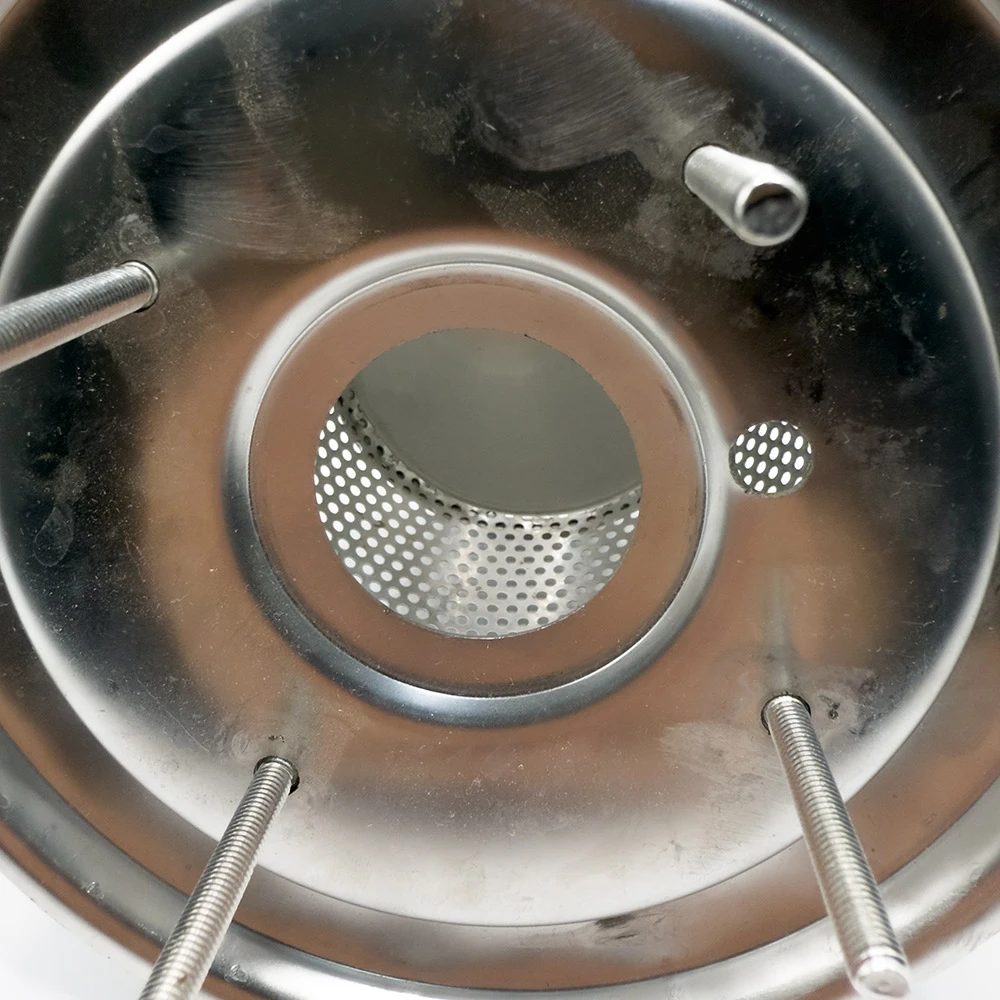
The versatility of a well pump filter screen extends across a multitude of applications, each presenting unique challenges that demand robust and efficient filtration. From preventing marine life intrusion to protecting delicate industrial machinery, these screens are indispensable.
In installations drawing water from natural bodies like lakes, rivers, or reservoirs, a lake pump filter screen is crucial. These screens prevent the intake of aquatic flora, fauna, and sediment, which can clog pumps, pipes, and downstream equipment. For instance, a municipal water treatment plant drawing from a large reservoir faced recurring issues with fish and algae accumulation in its intake pumps, leading to frequent shutdowns and high cleaning costs.
Case Study: Lakeside Municipal Water Intake A major Midwestern city utilized a conventional bar screen for its lake water intake, experiencing average annual downtime of 120 hours due to biological fouling and debris accumulation. After installing a custom-designed wedge wire lake pump filter screen with a 2mm slot size, the plant observed a 90% reduction in biological debris entering the system. Pump maintenance intervals extended by 40%, and annual energy consumption decreased by an estimated 5% due to reduced pump strain. The investment in the advanced filter screen paid for itself within two years through operational savings and improved water delivery consistency.
For groundwater extraction, the integrity of a water pump screen is paramount to both pump protection and the quality of potable water. These screens prevent sand, gravel, and other geological particulates from entering the well casing and pump, which would otherwise lead to abrasion, clogging, and reduced yield.
Case Study: Rural Community Well Field A series of deep wells supplying a rural community suffered from persistent sand production, leading to premature wear of submersible pumps and requiring frequent well flushing. The existing slotted PVC screens proved inadequate. By retrofitting the wells with stainless steel well pump filter screen units, engineered with optimized slot sizes based on aquifer particle analysis, the community eliminated sand intrusion. Post-installation monitoring showed a drastic reduction in pump impeller erosion and extended pump life by an average of 7 years per well, translating to significant capital expenditure savings.
Industrial applications, particularly in sectors like power generation, manufacturing, and chemical processing, rely on robust cooling water systems. A mesh filter screen for pump is essential here to protect circulation pumps, heat exchangers, and cooling towers from scale, rust, fibers, and other process-related debris.
Case Study: Steel Mill Cooling Water Circuit A large steel mill's blast furnace cooling system frequently experienced blockages from slag particles and rust flakes, causing critical temperature excursions and unscheduled outages. The existing coarse screens were ineffective. Implementing custom-fabricated 316L stainless steel mesh filter screen for pump assemblies with a 0.5mm filtration rating at critical intake points dramatically improved water purity. System pressure drop stabilized, and the incidence of heat exchanger fouling reduced by 65%. This led to an annual saving of over $200,000 in maintenance and increased the average operational uptime by 8%.
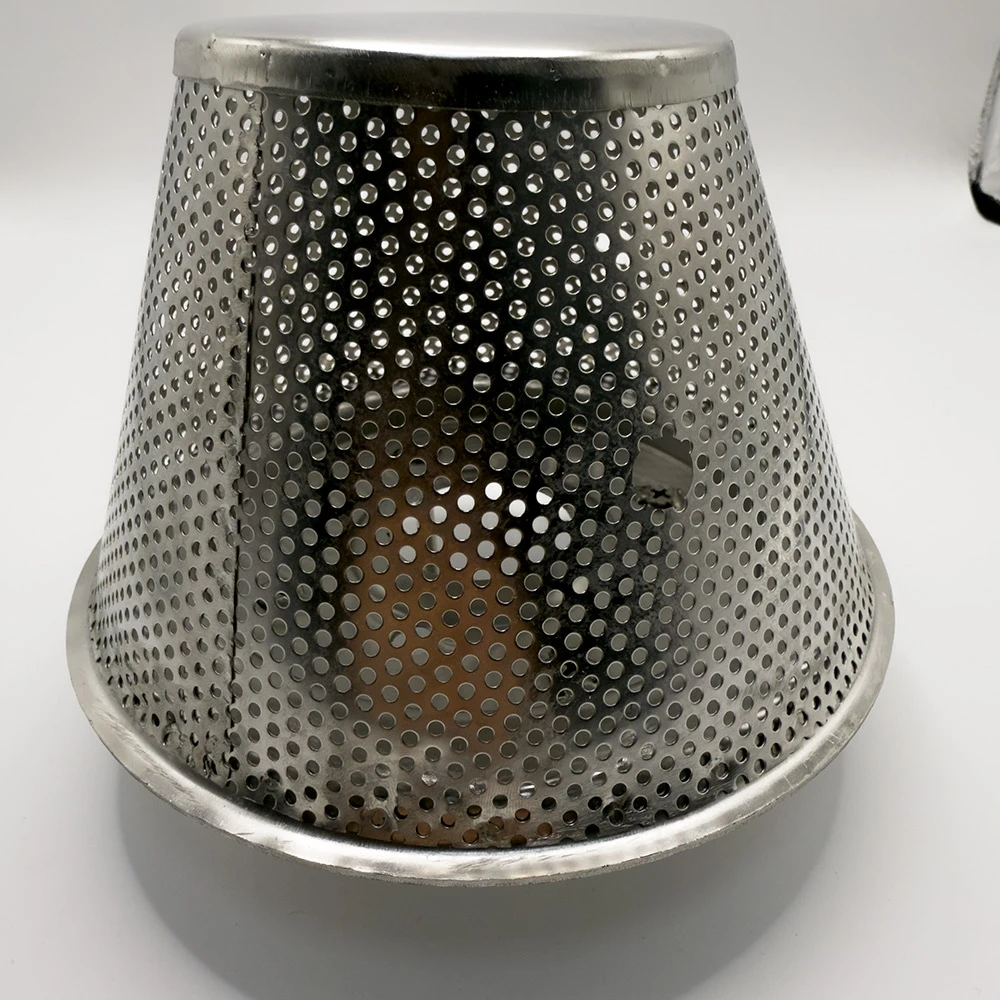
Investing in advanced pump filter screen technology yields substantial technical and economic advantages for B2B operations. These benefits transcend simple particle removal, impacting overall system efficiency, longevity, and operational expenditure.
Selecting the appropriate vendor for your well pump filter screen is as critical as selecting the product itself. The choice impacts not only product quality and performance but also technical support, customization capabilities, and long-term partnership value. A comparative analysis helps identify providers who align best with your operational requirements and strategic objectives.
| Feature/Vendor | Vendor A (e.g., CC Metal Mesh) | Vendor B | Vendor C |
|---|---|---|---|
| Product Quality | Excellent (ISO 9001, advanced materials) | Good (Standard materials, some certifications) | Average (Basic materials, limited certifications) |
| Customization | High (Bespoke designs, diverse materials) | Moderate (Limited modifications to standard products) | Low (Standard sizes only) |
| Technical Support | Comprehensive (Engineering consultation, CAD/CAM) | Standard (Product data sheets, basic queries) | Minimal (Sales support only) |
| Lead Time | Competitive (Efficient production, global logistics) | Variable (Regional focus, less flexible) | Long (Small-scale production, limited inventory) |
| Pricing | Value-driven (Higher initial cost, lower TCO) | Mid-range | Budget-friendly (Potentially higher TCO) |
Standard filter screens may not always suffice for highly specialized or challenging environments. Recognizing this, leading manufacturers offer bespoke design and fabrication services for the well pump filter screen. Customization extends beyond basic dimensions to include material alloys, slot geometries, end connections, and surface finishes tailored to specific fluid dynamics, chemical resistances, and structural loads.
For instance, an offshore oil and gas platform requiring a specialized intake screen to resist bio-fouling in marine conditions, coupled with extreme pressure differential, would necessitate a highly customized solution. This might involve duplex stainless steel for superior corrosion resistance, a unique slot configuration to deter marine growth, and reinforced support structures. Engaging with a vendor capable of comprehensive engineering consultation, CFD (Computational Fluid Dynamics) analysis, and rapid prototyping ensures the delivery of an optimal, application-specific filtration solution that maximizes efficiency and minimizes risk.
Our commitment to delivering high-quality filtration solutions is underpinned by a robust framework that establishes our Expertise, Experience, Authoritativeness, and Trustworthiness.
We maintain stringent quality management systems compliant with ISO 9001:2015, ensuring consistent product quality and process efficiency. Our materials and manufacturing procedures frequently adhere to industry-specific standards such as ASTM for material specifications, and relevant API (American Petroleum Institute) or AWWA (American Water Works Association) standards for particular applications. Our Pump Guard Filter range has undergone third-party validation for hydraulic efficiency and structural integrity, with data available upon request.
With over 20 years of specialized experience in filtration solutions, we have built a reputation for innovation and reliability. Our long-standing partnerships with leading engineering firms, municipal water authorities, and industrial giants globally attest to our proven capabilities. These collaborations have allowed us to contribute to critical infrastructure projects and develop filtration technologies that meet the evolving demands of various sectors.
"The customized pump filter screen from CC Metal Mesh significantly improved the efficiency of our cooling system. Their engineering team provided invaluable support throughout the design and implementation phases." – Chief Engineer, Major Power Generation Facility.
"We faced persistent issues with sand intrusion in our well pumps. After installing their advanced well pump filter screens, our pump maintenance costs dropped by 70% within the first year." – Operations Manager, Large-Scale Agricultural Enterprise.
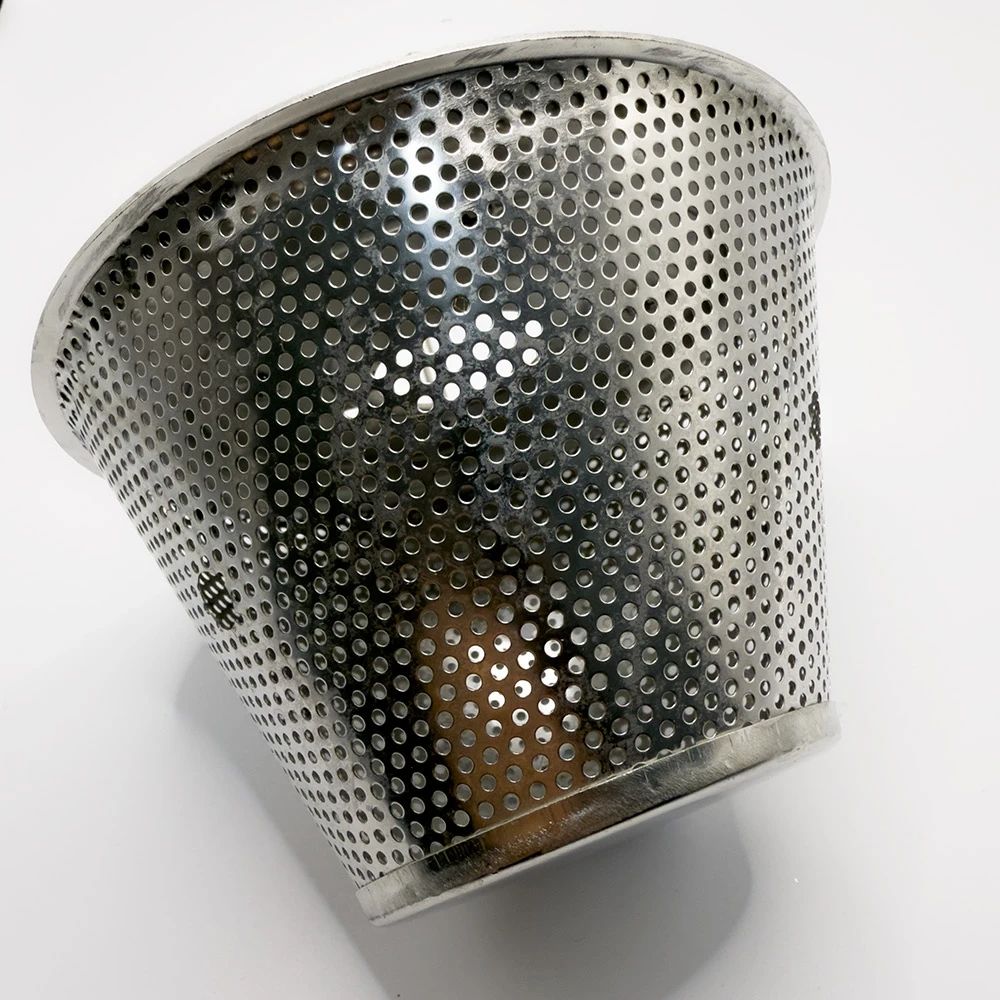
A1: Our Pump Guard Filters are primarily manufactured from 304L, 316L, and Duplex stainless steels for their excellent corrosion resistance and mechanical strength. Other specialty alloys or composite materials can be used for highly corrosive or unique environments upon request.
A2: The optimal slot size depends on the size distribution of the particulates in your water source and the desired level of filtration. We recommend conducting a particle size analysis of your water, and our engineering team can provide expert consultation to specify the most effective slot size to prevent pump damage and minimize clogging.
A3: Yes, our mesh filter screen for pump products are designed with robust construction and material options to withstand abrasive conditions. For extreme cases, specialized hardening treatments or wear-resistant coatings can be applied to further extend service life.
A4: Lead times for custom orders vary based on complexity, material availability, and current production schedules. Standard products typically ship within 2-4 weeks. For custom designs, after finalized drawings, production can range from 4-8 weeks. We work closely with clients to meet urgent project timelines where feasible.
We understand the critical nature of project timelines. Our streamlined manufacturing processes and robust supply chain allow us to offer competitive lead times. Standard Pump Guard Filters are typically ready for dispatch within 2-4 weeks of order confirmation. For custom solutions, detailed project timelines are provided upfront, considering design, material procurement, manufacturing, and quality control. We offer global shipping capabilities and work with trusted logistics partners to ensure timely and secure delivery.
All our water pump screen products are backed by a comprehensive 1-year limited warranty against manufacturing defects in materials and workmanship from the date of purchase. This commitment reflects our confidence in the quality and durability of our products. Extended warranty options are available for specific projects or high-demand applications. Please refer to our full warranty statement for detailed terms and conditions.
Our dedicated customer support team and experienced technical engineers are available to assist you at every stage, from initial inquiry and product selection to installation guidance and troubleshooting. We provide comprehensive technical documentation, including CAD drawings, installation manuals, and performance data sheets. For critical issues, on-site technical assistance can be arranged. Your operational success is our priority.
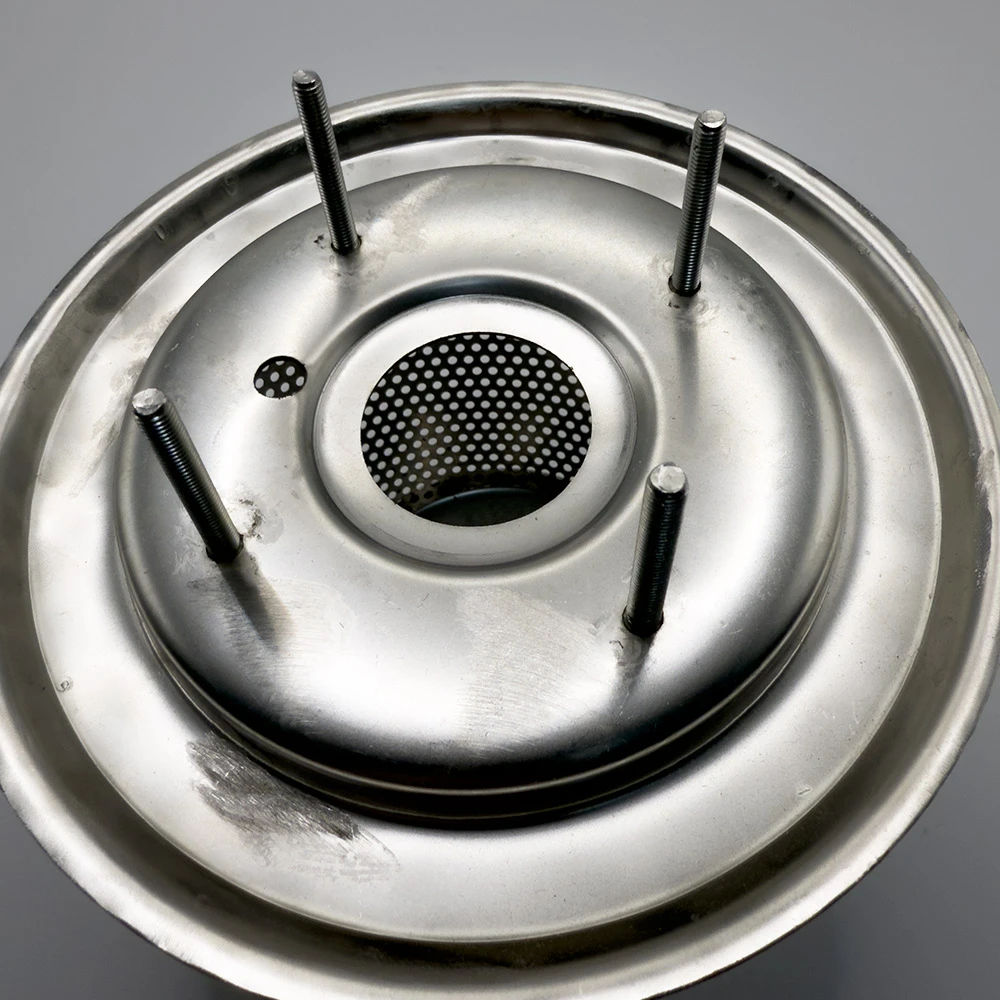
The selection and implementation of a high-performance well pump filter screen are critical decisions that directly impact the efficiency, longevity, and cost-effectiveness of any fluid handling system. As demonstrated through our detailed exploration of manufacturing processes, technical specifications, diverse application scenarios, and a robust commitment to standards, advanced filtration solutions like the Pump Guard Filter are more than just components; they are strategic investments in operational resilience and sustainable water management.
By partnering with a knowledgeable and reputable manufacturer, businesses can leverage cutting-edge filtration technology to overcome complex challenges, minimize downtime, reduce maintenance burdens, and ultimately achieve superior performance in their critical pumping operations. The enduring advantages in energy saving, corrosion resistance, and extended equipment life reaffirm the indispensable role of a well-engineered pump filter screen in modern industrial and municipal infrastructure.



![$item[alt]](https://images.exportstart.com/images/a1393/cc-7691.webp "$item[title]")