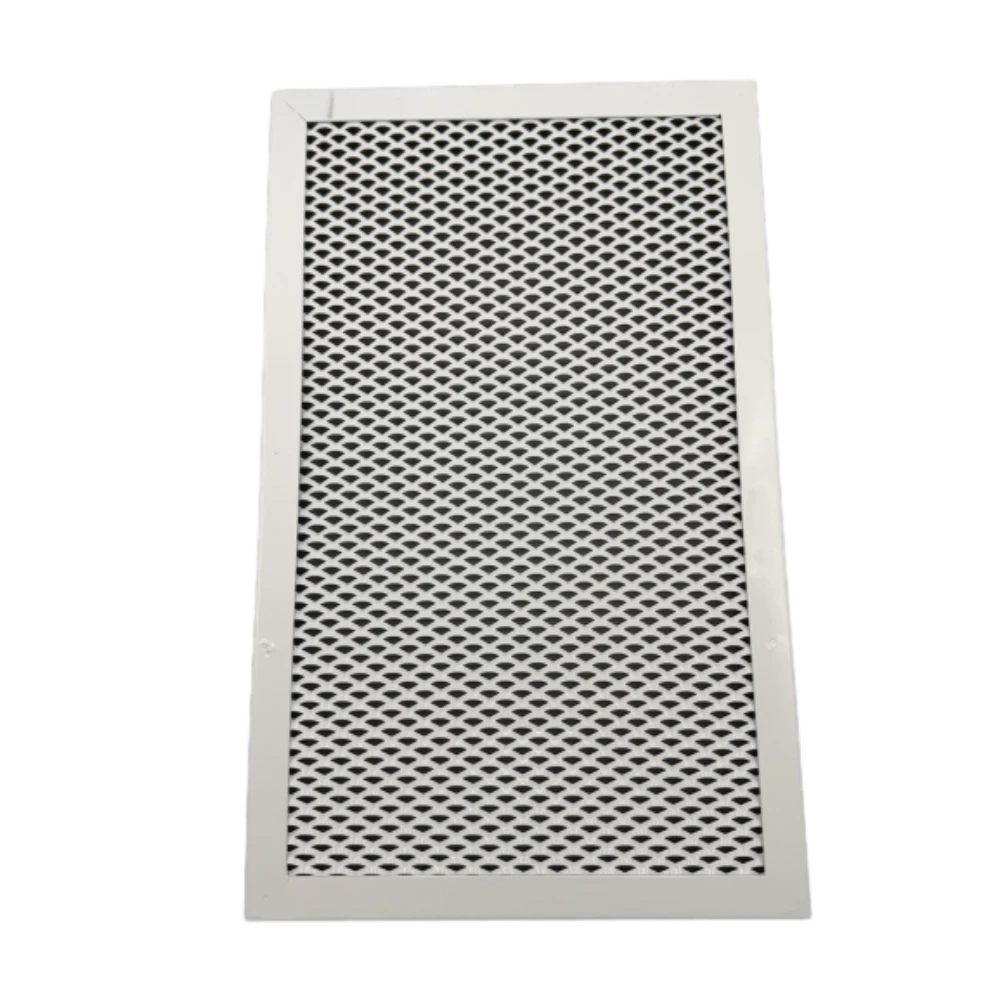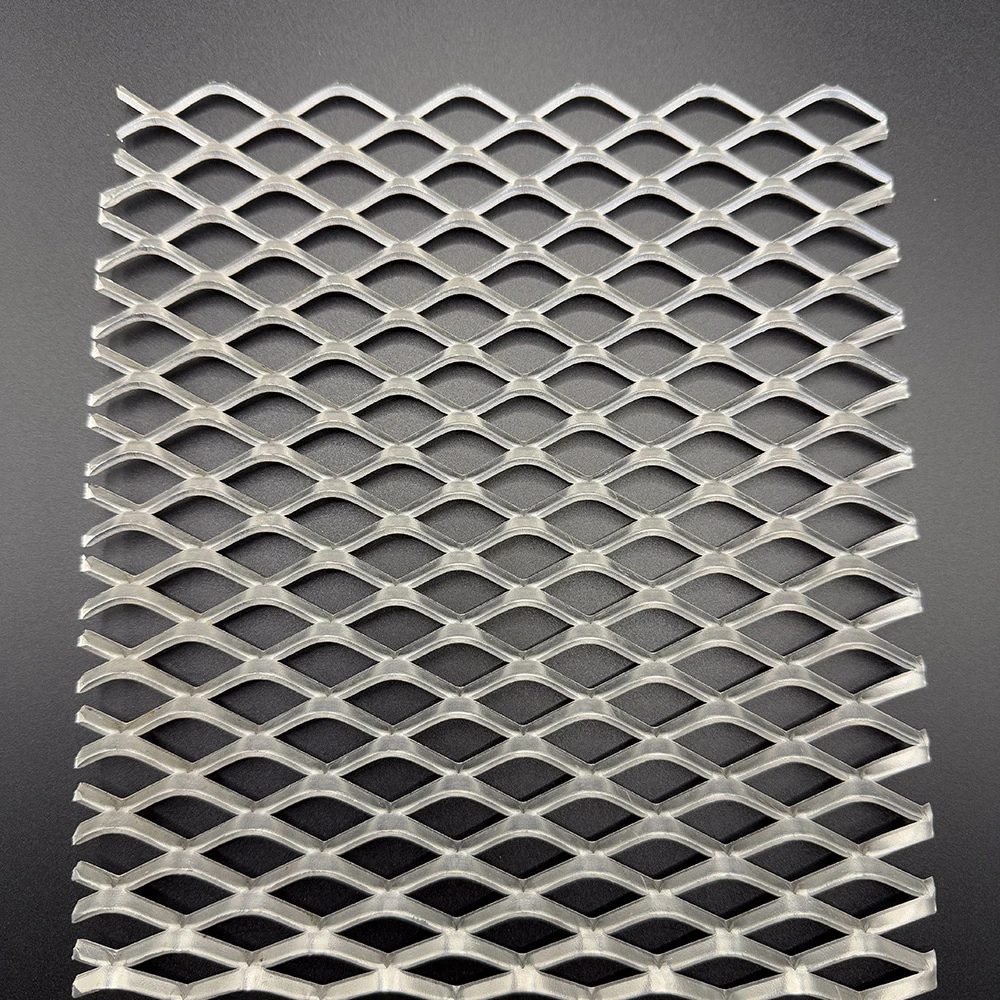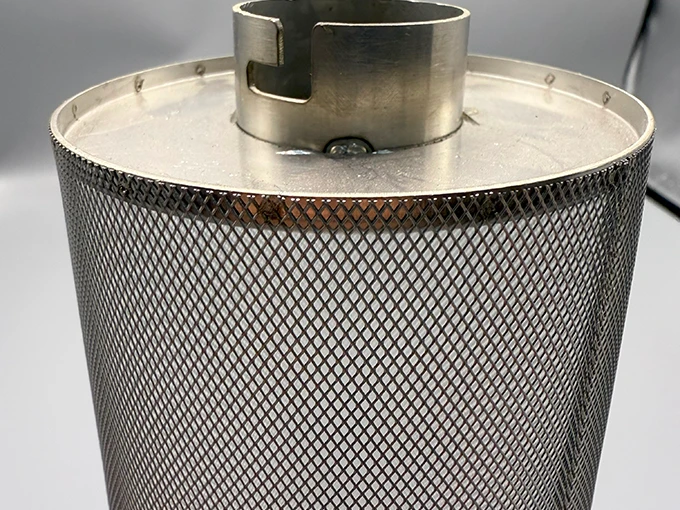

When you first come across the term 3 4 expanded metal sheet, it might sound like some obscure building material detail. But here’s the thing — this simple, yet versatile, metal grid is quietly making waves in industries from construction and manufacturing to humanitarian aid globally. It’s a product born out of necessity, innovation, and utility. Understanding it isn’t just for engineers or fabricators; it connects directly to sustainability efforts, cost-effective infrastructure, and even disaster relief solutions worldwide.
Frankly, in a world that’s trying to build smarter, stronger, and greener, the 3 4 expanded metal sheet plays a surprisingly big role. It balances strength with airflow, security with lightness, and durability with adaptability — qualities desperately needed in a variety of pressing global challenges. So why not take a moment to unpack what this metal mesh is about, and why it might just be the unsung hero of modern industry?
According to recent World Bank data, infrastructure development, especially in emerging economies, has grown by nearly 7% annually over the last decade. Within this trend, lightweight, cost-efficient materials like expanded metal sheets are often preferred for everything from security fencing to ventilation panels. The United Nations reports that more than 1.6 billion people live in inadequate housing globally — and innovative building materials can make a tangible difference.
This is where the 3 4 expanded metal sheet enters the conversation. Challenges like durable construction in remote or disaster-prone regions require materials that are easy to transport, highly flexible, and resilient. Traditional solid sheets often lack these qualities, while woven meshes or perforated sheets can fall short on strength. Expanded metal mesh, specifically the 3/4-inch variant, strikes this crucial balance.
Simply put, a 3 4 expanded metal sheet is a metal sheet that’s been slit and stretched into a diamond-pattern mesh, with each diamond or "mesh opening" roughly measuring three-quarters of an inch across. Unlike wire mesh, it’s created in a single piece of metal — no weaving or welding involved. This method retains the metal’s original strength while allowing for breathability, weight reduction, and cost savings.
Industries love such sheets because they reinforce structural projects without adding bulk, allow airflow in ventilation, and incorporate a measure of transparency and grip. Think of protective covers, walkways, or architectural facades. Oddly enough, even in humanitarian contexts, these metal sheets form part of shelter frameworks, fencing for secure supplies, and more.
The manufacturing process — expanding rather than cutting through the metal — maintains the integral strength of the sheet. This makes it ideal for high-stress applications like stair treads, industrial walkways, and security barriers. It’s stronger than perforated metal of equal weight.
Because of the diamond-shaped holes, 3 4 expanded metal sheets provide excellent airflow and drainage, helping reduce wind resistance or moisture buildup. Engineers often specify it for HVAC covers or outdoor fencing where ventilation is critical.
Compared with solid metal sheets, expanded metal uses less raw material per surface area but delivers comparable mechanical properties. This translates to cost savings on material and transportation — a crucial factor for large-scale projects.
The textured surface offers enhanced grip, which is why 3 4 expanded metal sheets make great anti-slip flooring or walkway materials in industrial environments.
Available in various materials (steel, stainless steel, aluminum), thicknesses, and finishes, this product can be tailored to the precise demands of an application — whether corrosion resistance, weight requirements, or aesthetics.
If you sum it up, the 3 4 expanded metal sheet combines strength, breathability, adaptability, and cost-efficiency. A pretty neat package for many global needs.
One of the fascinating aspects of 3 4 expanded metal sheets is their wide-ranging deployment industrially and socially. In Europe’s renewable energy sector, these sheets protect solar panel arrays while allowing air circulation to prevent overheating. In remote African regions, charitable organizations use them to fabricate secure storage units and fencing for safe water stations.
In harsh industrial zones, such as mining sites in Australia or Canada, 3 4 expanded metal sheets create durable stair treads and machine guards that can withstand abuse and exposure. Emergency shelters deployed by NGOs in disaster-prone Southeast Asia sometimes incorporate these meshes as part of modular framework walls, balancing security with ventilation.
| Parameter | Specification |
|---|---|
| Mesh Opening | 0.75 inch (19 mm) |
| Material | Carbon Steel, Stainless Steel, Aluminum |
| Thickness Range | 0.6 to 3.0 mm |
| Surface Finish | Galvanized, Powder Coat, Raw |
| Weight per Sq. Ft. | 1.5 - 4.0 lbs (depending on thickness) |
| Standard Sheet Size | 4’ x 8’, customizable |
Choosing the right supplier often comes down to balancing price, customization, and lead times. Here’s a quick side-by-side look at some big names shining in this space:
| Vendor | Material Options | Customization | Lead Time | Typical Pricing |
|---|---|---|---|---|
| CC Metal Mesh | Steel, Stainless, Aluminum | Thickness, Size, Finish | 2-3 weeks | Competitive |
| Global Mesh Co. | Steel, Aluminum only | Standard sizes | 1-2 weeks | Higher |
| Metalline Supplies | Stainless Steel only | Custom colors, finishes | 3-4 weeks | Premium |
In real terms, industries and societies that integrate 3 4 expanded metal sheets tap into a resilient, practical solution that serves both immediate and long-range needs.
The future of the 3 4 expanded metal sheet lies in green innovation and digital fabrication. I recently read about manufacturers incorporating more recycled alloys and using automated CNC machines to cut and expand sheets with laser precision. This reduces waste and ensures consistency.
Meanwhile, coatings infused with nano-materials improve corrosion resistance, extending lifespan in coastal or industrial atmospheres. There’s even chatter about combining expanded metal layers with photovoltaic films for solar facade solutions, blending structure and energy generation.
No product is perfect. Sometimes, 3 4 expanded metal sheets can be tricky to handle without proper protective equipment — sharp edges are the most frequent complaint on site. Transporting large sheets means the risk of bending, so packaging and logistics have to be spot on.
Experts recommend edge trimming and deburring during production, which few manufacturers consistently do, but it significantly improves safety. Plus, using reinforced frames during transit avoids damage. On the design end, integrating finite element analysis (FEA) helps engineers optimize sheet thickness depending on load forces.
If you’re in manufacturing, construction, or even humanitarian logistics, using 3 4 expanded metal sheets can open doors to cost savings, improved durability, and design flexibility. They’re a simple yet smart material solution that fits many applications without sacrificing quality. And here’s a spoiler — their relevance will only increase as industries pivot toward sustainable, multi-functional materials.
Curious to learn more or explore custom options? Visit https://www.ccmetalmesh.com for in-depth product details and expert support.



![$item[alt]](https://images.exportstart.com/images/a1393/cc-7691.webp "$item[title]")