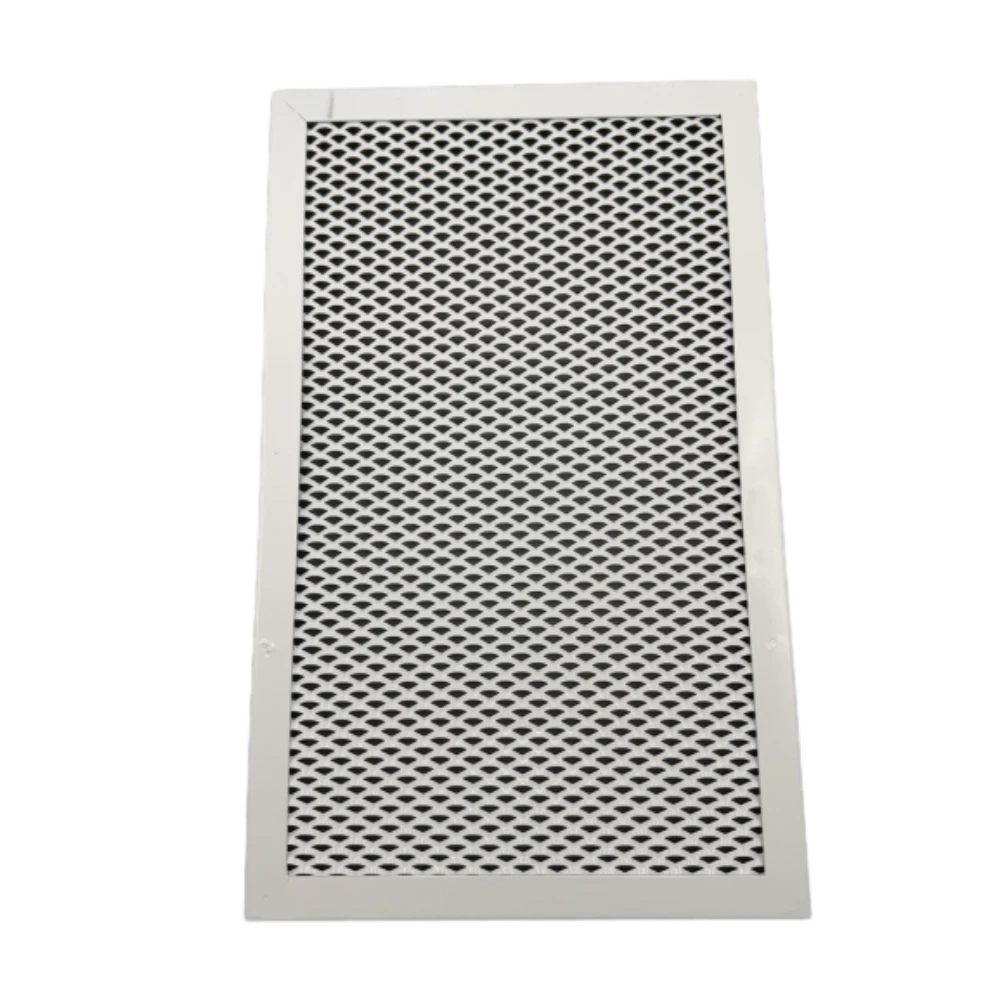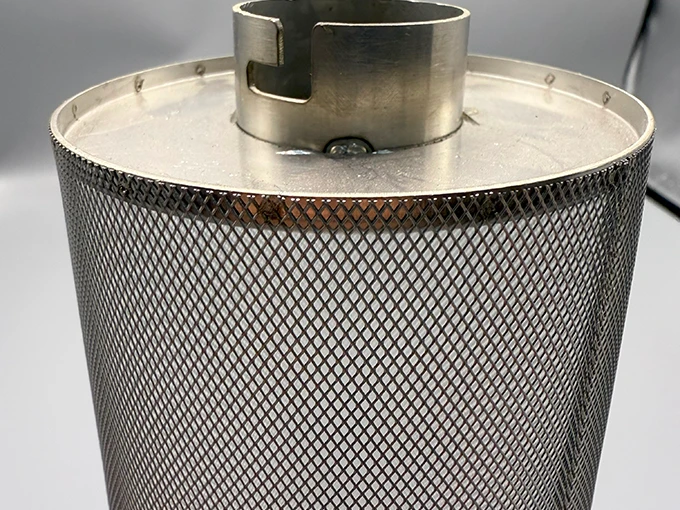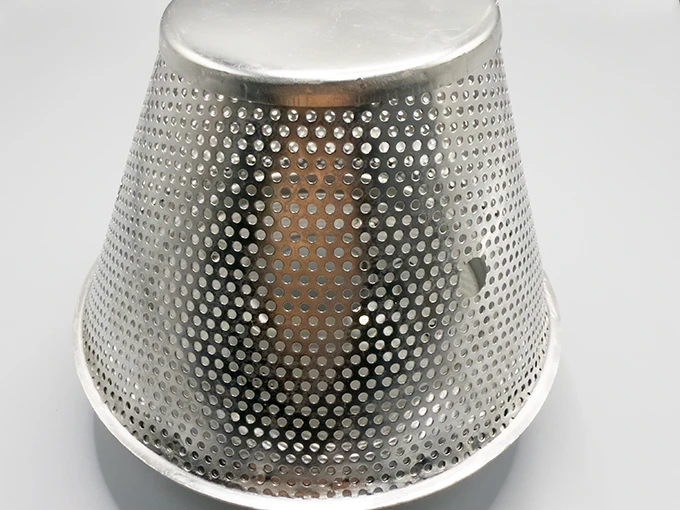

If you’ve ever peeked behind a building’s facade or seen sturdy fencing with an intricate mesh pattern, you might have glanced at an expanded metal sheet without realizing it. Among these, the 3 4 9 expanded metal sheet stands out for its unique mesh configuration, combining strength and flexibility. This material isn't just a random piece of metal—it's a global workhorse in construction, infrastructure, and various industrial sectors worldwide.
Understanding what a 3 4 9 expanded metal sheet is—and why it's so important—connects us to larger global trends: from urban development to sustainable resource use, from disaster response to manufacturing innovation. It’s fascinating how a cleverly engineered metal mesh addresses challenges from safety to cost-efficiency all around the world. Dive in, and you might just rethink how you see those seemingly simple sheets of metal.
On a global scale, metal mesh products like the 3 4 9 expanded metal sheet underpin much of our built environment. According to the ISO standards, expanded metal ensures structural reinforcement without excessive weight—a critical factor in places facing seismic threats or rapid urbanization.
World Bank reports highlight the steady rise in demand for lightweight, durable building materials, especially in Asia-Pacific and African markets where affordable and resilient infrastructure is a priority. Oddly enough, the challenge hasn’t always been availability but rather picking the right type of material that balances performance with cost. The 3 4 9 expanded metal sheet, with its distinctive mesh pattern, fits that need almost perfectly.
Industries ranging from automotive manufacturing to security fencing turn to this product because it offers solutions where traditional sheet metal might fail. For example, in humanitarian zones, this mesh serves as barriers or enclosure systems that are both easy to transport and strong enough to withstand rough conditions. It’s kind of like the unsung hero—you never see it upfront, but it’s critical beneath the surface.
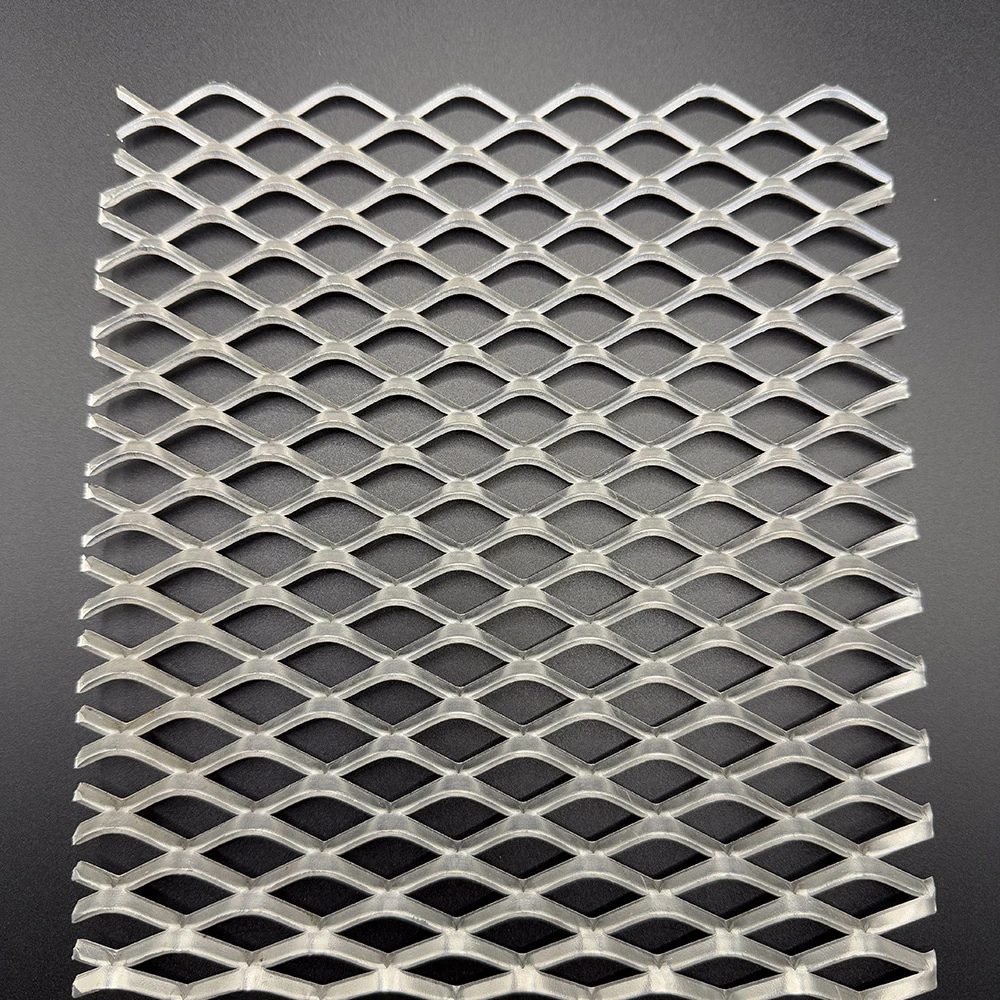
At its core, a 3 4 9 expanded metal sheet is a metal sheet that’s been slit and stretched to create a mesh with a specific pattern and size denoted by the numbers “3 4 9.” These numbers commonly represent dimensions related to the mesh opening or strand thickness—though standards vary a bit depending on vendors.
The result? A flexible, lightweight sheet that distributes stress evenly while allowing airflow and light penetration. This makes it ideal for environments that need natural ventilation or mesh reinforcement without adding a lot of weight or cost. Speaking of weight, this sheet often uses steel or aluminum alloys with slight surface treatments for corrosion resistance.
Today, you’ll find this sheet used in everything from stair treads and walkways to machine guards and even architectural facades—where its aesthetics meet high functionality.
One of the main selling points engineers mention is the sheet’s tensile strength. Thanks to its mesh structure, it resists bending while providing solid protection. And when coated properly—galvanized or powder-coated—it withstands corrosion, which is crucial for outdoor or industrial uses.
The 3 4 9 mesh can be produced in massive rolls or cut to custom dimensions without losing its integrity. It’s versatile—industries value how quickly it can adapt to changing project requirements.
Compared to solid metal plates, expanded sheets use less raw material while offering comparable strength. This saves money and transportation costs. That means, for large-scale construction or fencing projects, you cut down on budget and carbon footprint. Double win.
Because the mesh prevents large objects or debris but allows visibility and airflow, it’s favored for guard rails and safety barriers—meeting various ISO and OSHA regulations worldwide.
Globally, its presence spans a surprising range of industries and geographies. Here are a few examples:
So, from the deserts of Australia to urban metropolises in Europe, this product adapts well beyond borders.
The 3 4 9 expanded metal sheet is more than just metal mesh; it’s a practical enabler of safety, design, and cost control in diverse environments worldwide.
Now, why should anyone invest in this type of expanded metal? Here’s what many end-users and engineers emphasize:
When you think about it, this sheet serves not just a mechanical purpose but also supports social goals like workplace safety and environmental responsibility.
Looking ahead, several exciting developments are shaping the future of these expanded metal sheets:
The industry is moving from basic metal mesh to intelligent, eco-conscious material solutions.
Of course, no product is perfect. With 3 4 9 expanded metal sheets, some hurdles remain:
Many experts recommend partnering with suppliers who offer customization and technical support to overcome these issues seamlessly.
| Specification | Typical Value |
|---|---|
| Material | Steel (galvanized) / Aluminum |
| Sheet Thickness | 1.5 - 3.5 mm |
| Mesh Opening (approx.) | 3 mm x 4 mm x 9 mm (strand width x length x diamond length) |
| Weight (per sqm) | 5.8 - 9.0 kg |
| Surface Treatment | Galvanized, Powder Coated |
| Standard Roll Sizes | 1 m x 2 m up to 2 m x 6 m |
| Vendor | Material Options | Customization | Lead Time | Price Range |
|---|---|---|---|---|
| CC Metal Mesh | Steel, Aluminum | High (custom sizes & coatings) | 2-4 weeks | Mid-range |
| Global Mesh Suppliers | Steel only | Limited | 4-6 weeks | Budget |
| Premium Industrial Mesh Inc. | Aluminum, Stainless Steel | Moderate | 3-5 weeks | Premium |
A1: Industries including construction, manufacturing, security, and even humanitarian aid use 3 4 9 expanded metal sheets extensively. They offer durability and flexibility—ideal for protective barriers, ventilation, and structural reinforcements.
A2: With proper galvanized or powder-coated surfaces, these sheets typically last 10 to 20 years outdoors, depending on environmental conditions and maintenance.
A3: Yes, suppliers like 3 4 9 expanded metal sheet manufacturers offer customization in mesh size, thickness, and coatings to fit unique project requirements.
A4: Absolutely. One of the advantages of expanded metal sheets is their lightweight nature and flexibility, which allows for relatively easy handling, cutting, and installation compared to solid metal plates.
A5: By using less raw steel and enabling longer lifespans, plus advancements in eco-friendly coatings, they are considered more sustainable than many traditional materials.
In real terms, investing in 3 4 9 expanded metal sheets means choosing a material that balances strength, weight, adaptability, and environmental considerations. Whether you’re managing an industrial factory, working on urban architecture, or organizing emergency infrastructure, this sheet offers a reliable, cost-effective solution.
If you’re curious or searching for a trusted supplier, I’d recommend checking out 3 4 9 expanded metal sheet options today. The right metal mesh might be the simple change that saves time, money, and headaches tomorrow.
Sometimes, the most overlooked materials perform the heaviest lifting in construction and safety—and the 3 4 9 expanded metal sheet is a perfect example.



![$item[alt]](https://images.exportstart.com/images/a1393/cc-7691.webp "$item[title]")