Product Description
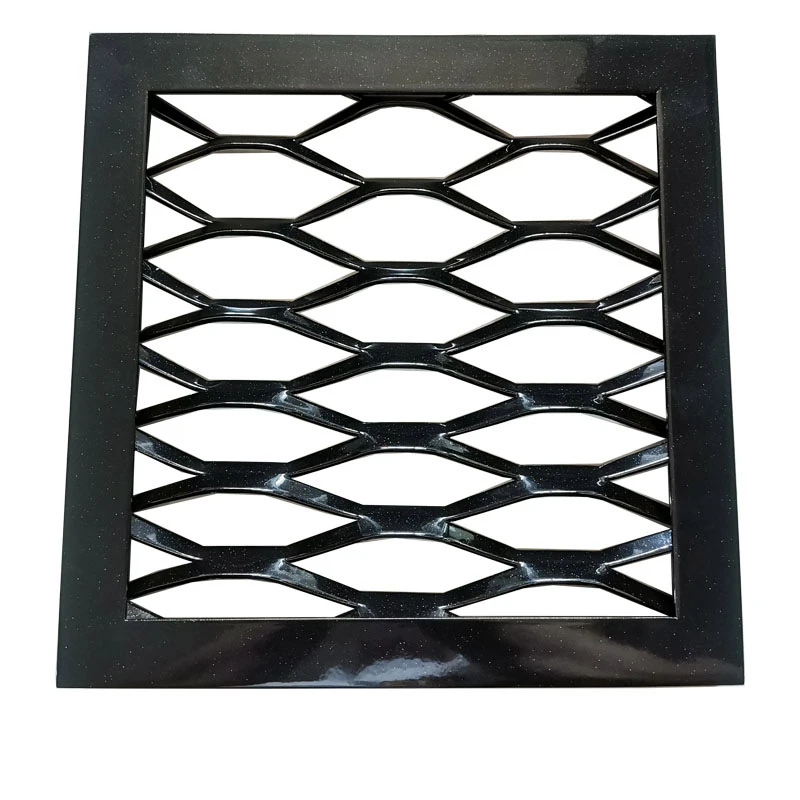
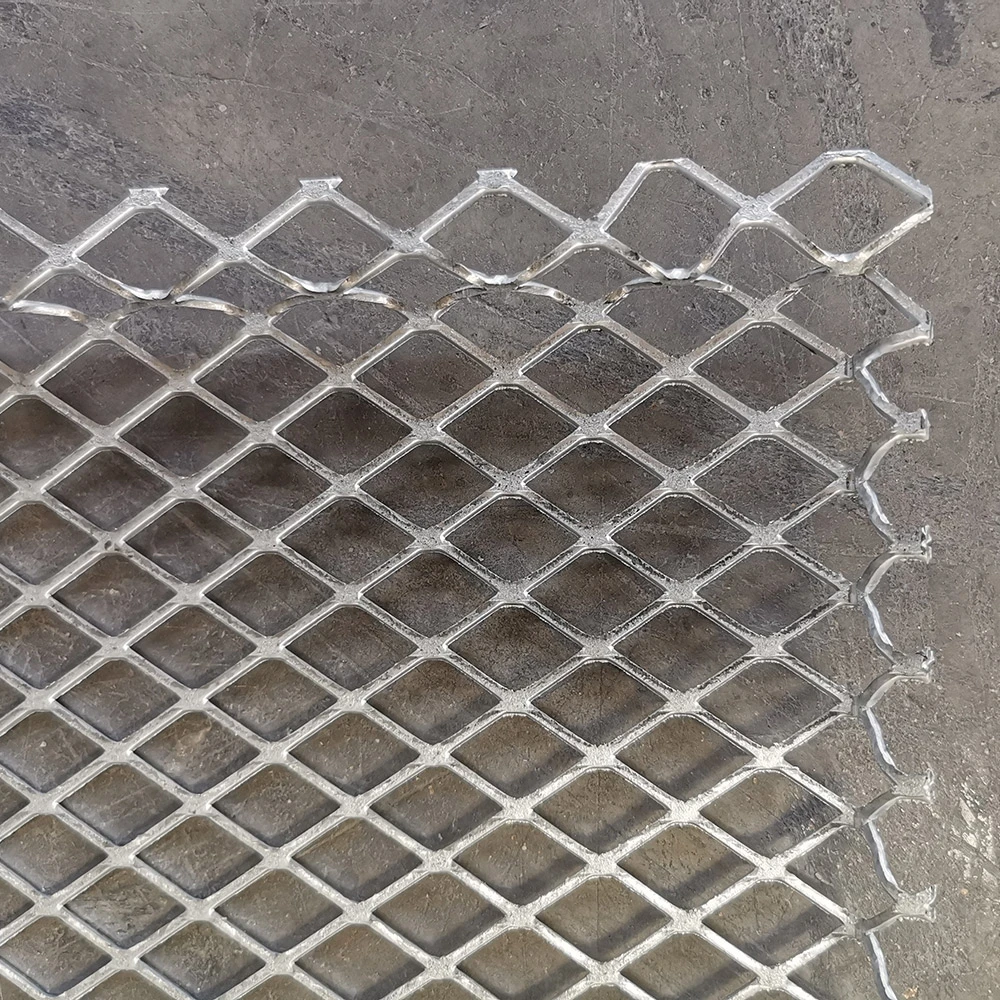
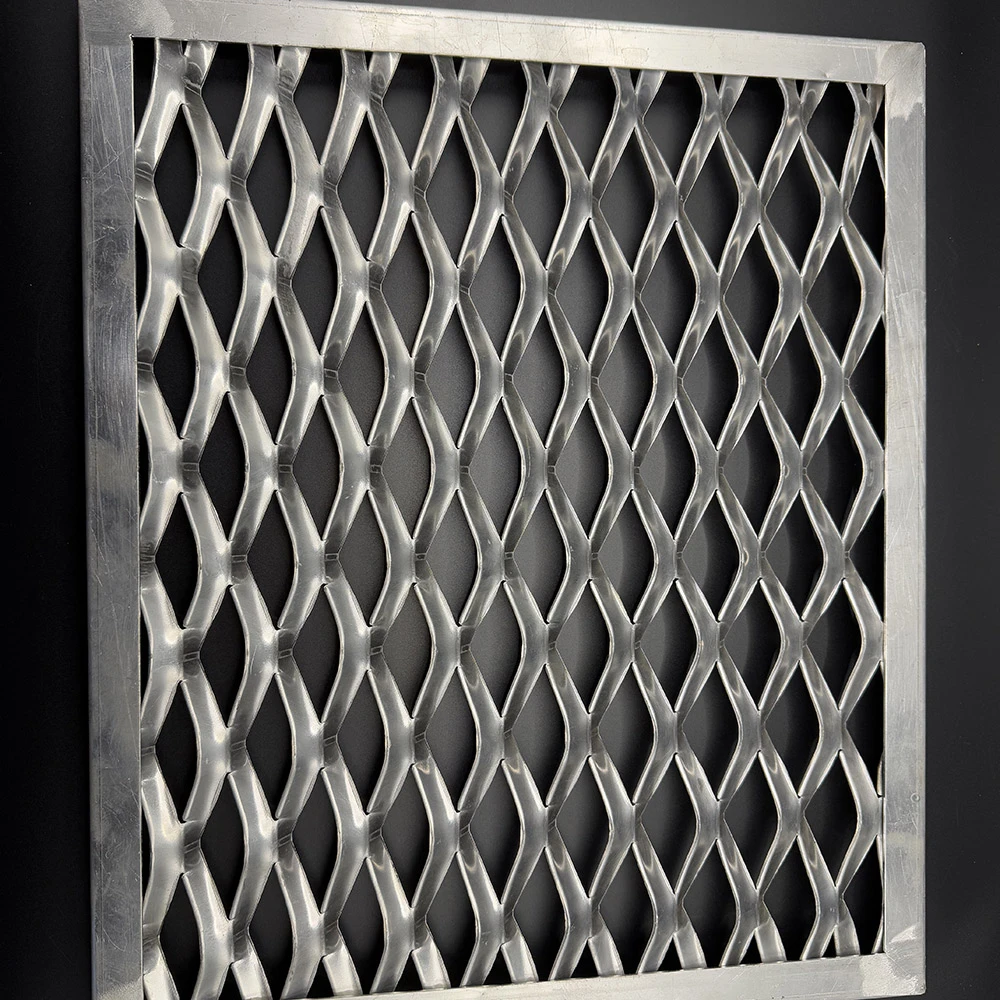
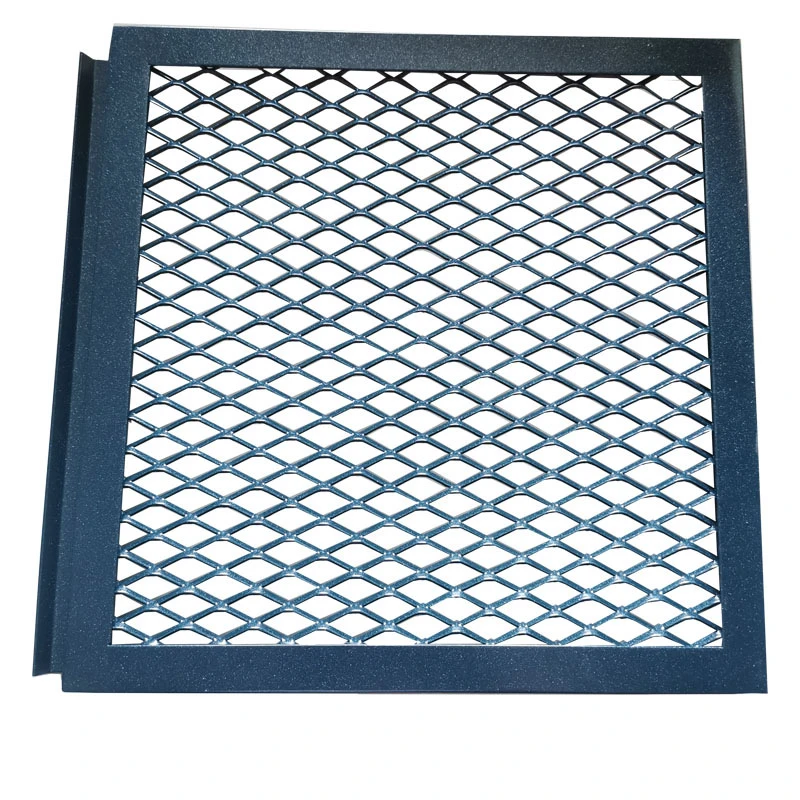
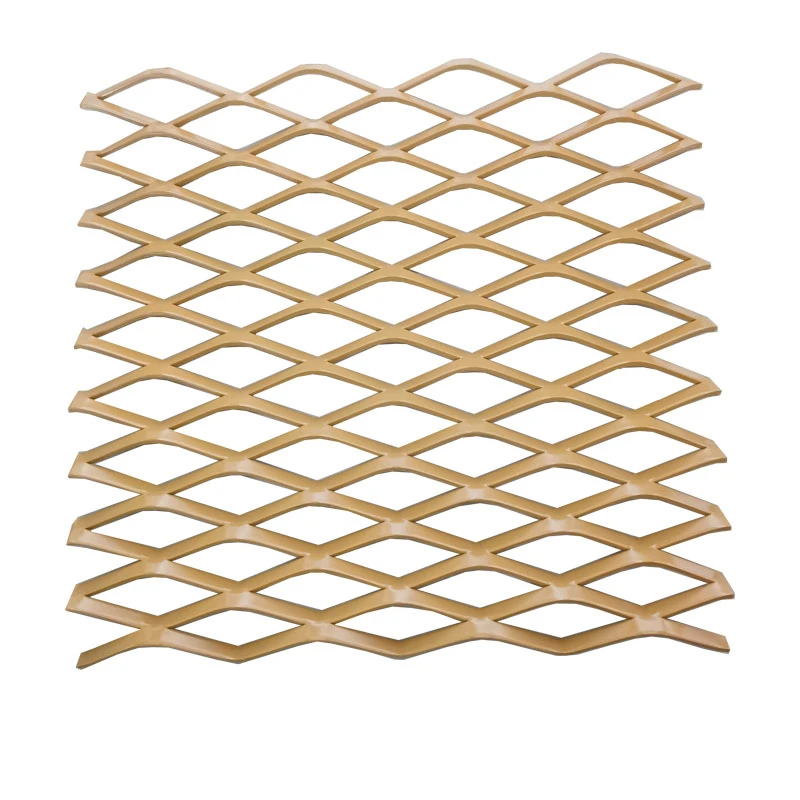
Expanded metal is a versatile material made by cutting and stretching a solid sheet of metal to form a mesh of diamond- or hexagon-shaped openings. It is commonly used in industrial, construction, and architectural applications due to its strength, durability, and lightweight design. Expanded metal is available in two main types: raised (standard) expanded metal and flattened expanded metal, each with distinct properties and applications.
Raised (Standard) Expanded Metal
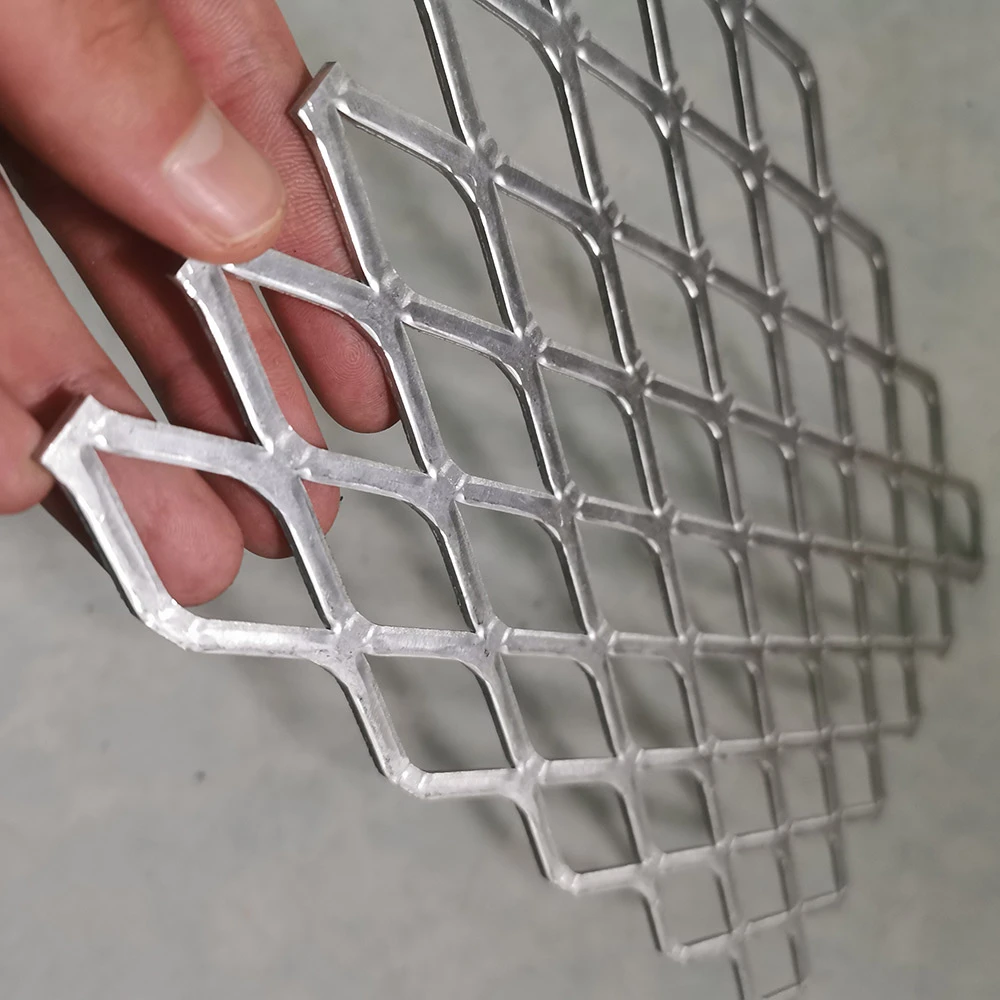
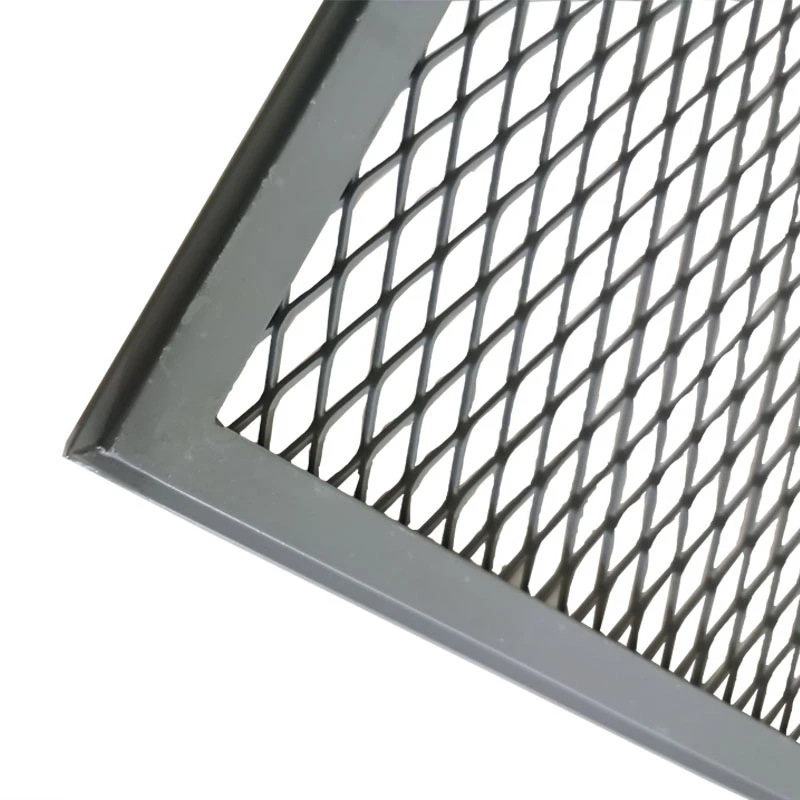
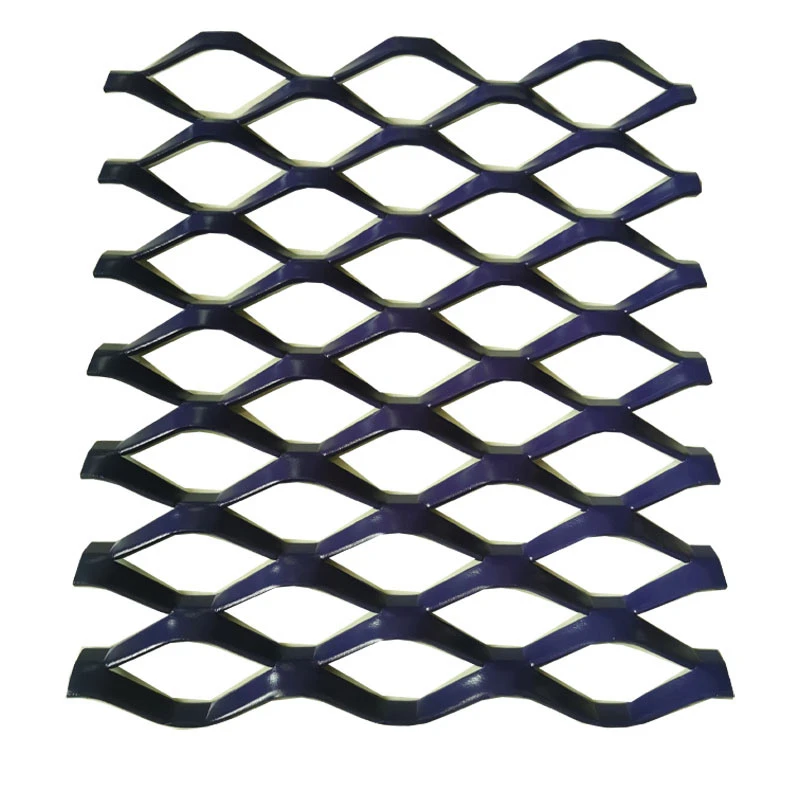
Raised expanded metal retains the three-dimensional texture formed during the expansion process. The metal strands protrude above the base plane, creating a textured, raised surface. This raised pattern provides excellent traction, making it ideal for industrial walkways, stair treads, ramps, and platforms where slip resistance is critical. The raised structure also enhances rigidity, allowing the mesh to bear heavy loads efficiently. Its three-dimensional shape distributes stress evenly across the sheet, which makes it particularly suitable for heavy-duty applications such as machine guards, fencing, and structural platforms.
Flattened Expanded Metal
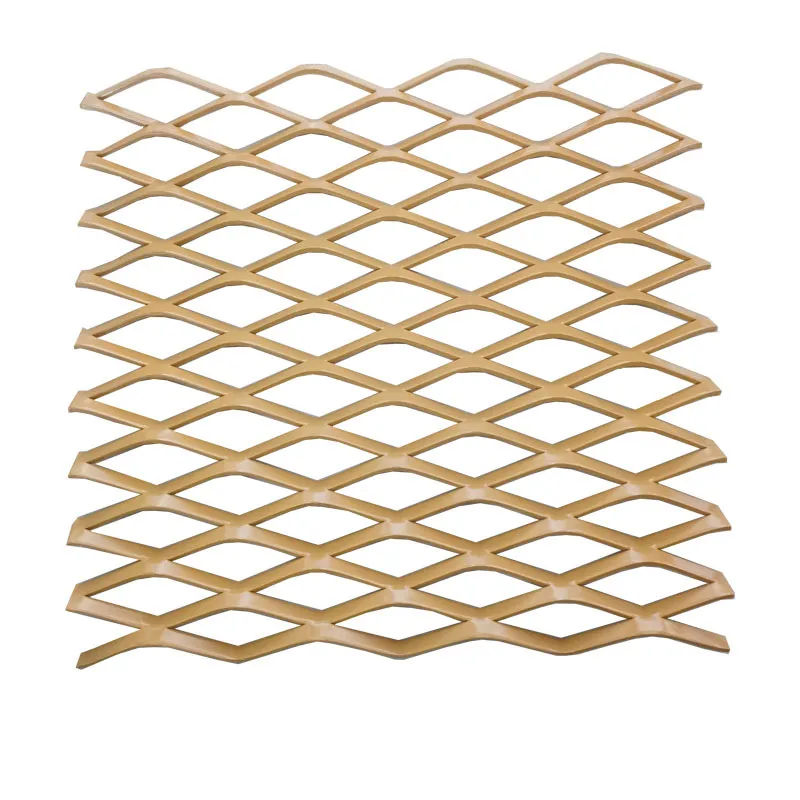
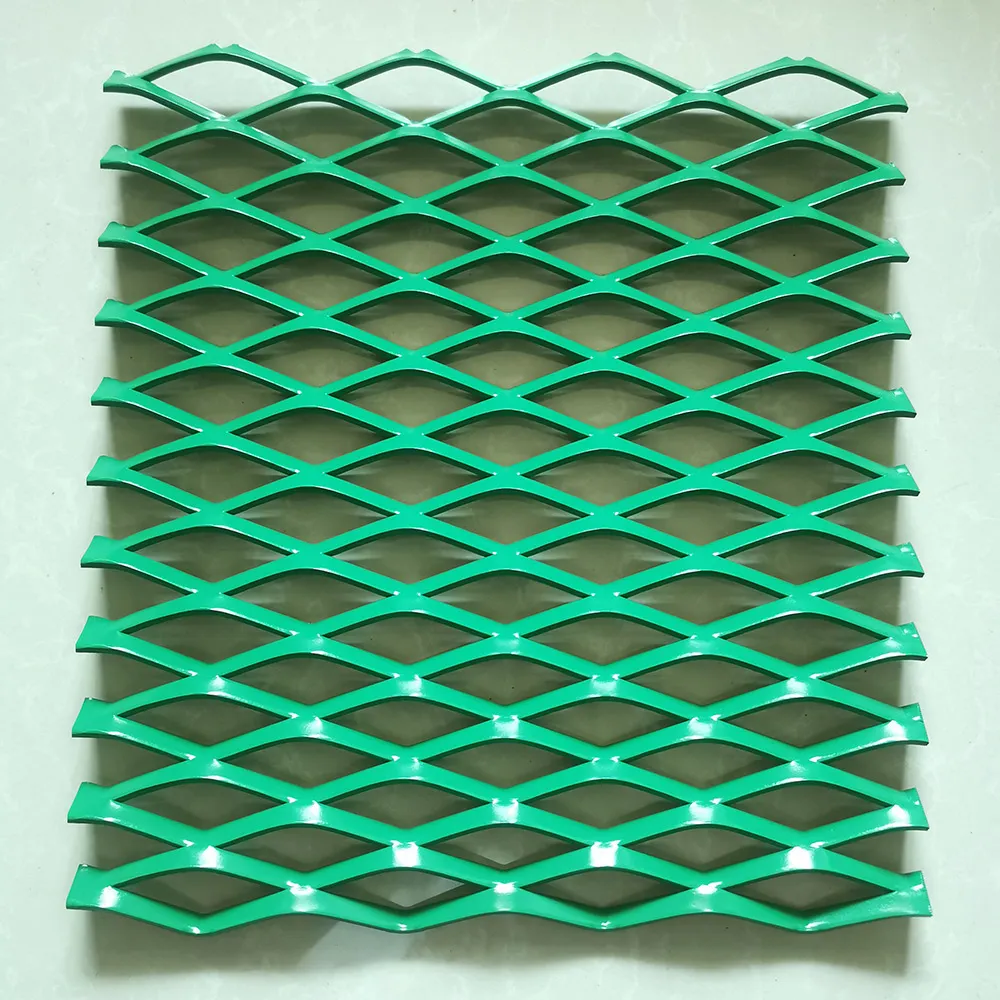
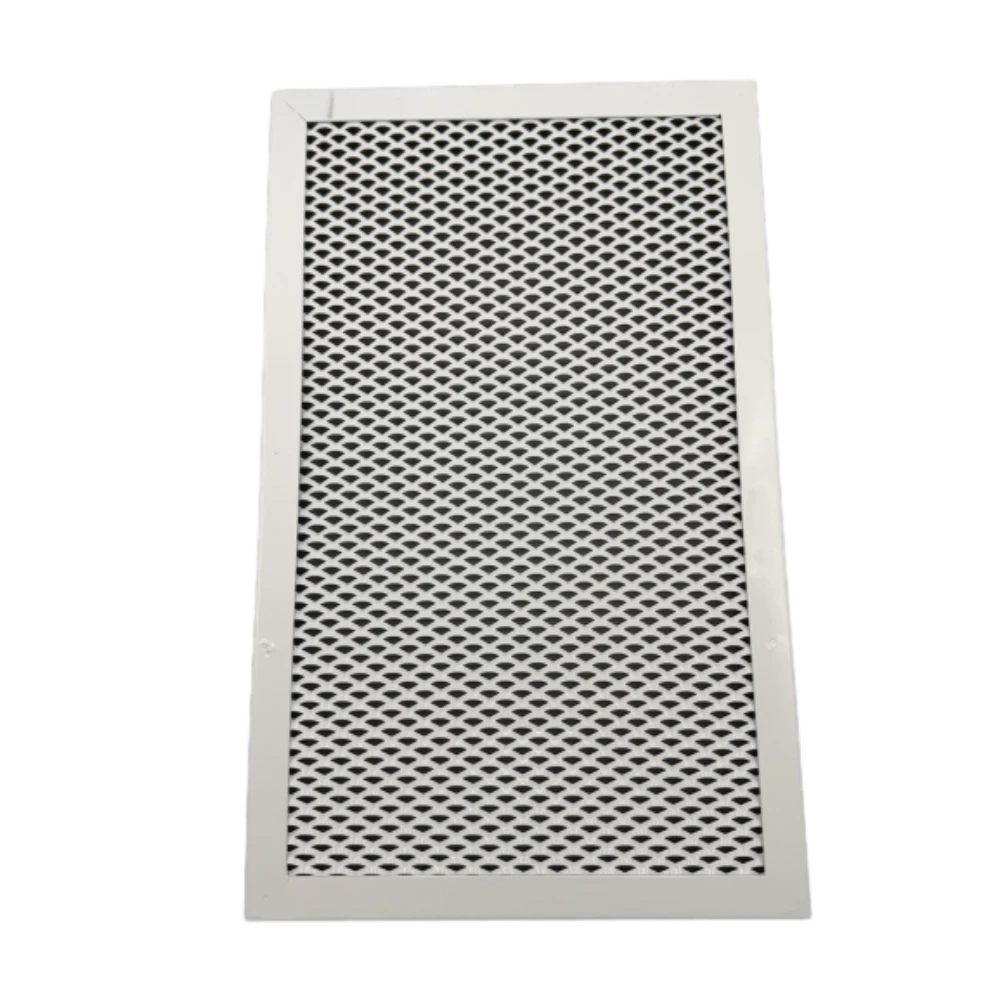
Flattened expanded metal is produced by passing the raised mesh through heavy rollers to compress the protruding strands into a smooth, flat surface. This process reduces rigidity slightly but improves ease of handling, cutting, welding, and installation. Flattened expanded metal is commonly used for decorative panels, fences, architectural cladding, and interior partitions, where aesthetics and uniformity are more important than maximum strength. Despite being slightly less rigid than raised metal, it retains significant strength and load-bearing capability for many applications.
Key Differences
The main differences between the two forms are surface texture, rigidity, and application. Raised expanded metal prioritizes strength, traction, and heavy-duty performance, while flattened expanded metal emphasizes smoothness, aesthetic appeal, and ease of fabrication. Both types can be manufactured from steel, aluminum, or stainless steel and finished with galvanization, powder coating, or painting to enhance durability.
In conclusion, the choice between flattened and raised expanded metal depends on whether the project requires maximum structural strength and grip or a smooth, visually appealing, and easy-to-work-with surface.
Metal ceilings are a popular choice in modern architecture and interior design due to their durability, versatility, and aesthetic appeal. They are commonly used in commercial, industrial, and residential spaces to provide a sleek finish, improve acoustics, and enhance fire resistance. There are several types of metal ceilings, each offering unique features and applications.
1.Metal Tile Ceilings
Metal tile ceilings consist of individual panels or tiles, typically made from aluminum, steel, or copper. They can be plain or perforated for acoustic purposes. These tiles are easy to install and replace, making them ideal for offices, retail spaces, and decorative interiors. Perforated tiles also improve sound absorption and ventilation.
2. Metal Panel Ceilings
Metal panel ceilings are larger, continuous sheets of metal that provide a clean, seamless look. Panels can be flat or shaped with ribs, waves, or other profiles. This type is commonly used in commercial buildings, airports, and industrial facilities where a durable, easy-to-maintain ceiling is required. Panels can be painted or coated for additional corrosion resistance and aesthetic variety.
3.Metal Grid or T-Bar Ceilings
Metal grid ceilings, often combined with acoustic tiles or panels, consist of a suspension system that holds metal panels in place. The exposed grid creates a geometric design while allowing easy access to HVAC, lighting, and wiring systems above the ceiling. This type is widely used in offices, hospitals, and educational institutions.
4.Perforated Metal Ceilings
Perforated metal ceilings have holes or patterns punched into the metal surface. These ceilings improve acoustics by absorbing sound and can also enhance airflow and lighting effects. They are commonly used in auditoriums, theaters, airports, and high-end commercial interiors.
5.Linear or Strip Metal Ceilings
Linear metal ceilings consist of long, narrow strips or planks that create continuous lines across the ceiling. They offer a modern, streamlined appearance and are ideal for long corridors, lobbies, and commercial spaces. These ceilings can be open or closed, allowing for ventilation and lighting integration.
In summary, metal ceilings are available in tile, panel, grid, perforated, and linear forms, each offering a balance of durability, aesthetics, acoustics, and functionality. Selecting the right type depends on design goals, acoustic needs, and maintenance requirements.
What Are The Three Types of Ceilings?
Ceilings are an essential element of interior design and construction, serving both functional and aesthetic purposes. They provide structural coverage, conceal mechanical systems, enhance acoustics, and contribute to a room’s visual appeal. While there are countless ceiling designs, most fall into three main types: suspended (drop) ceilings, drywall (plaster) ceilings, and metal ceilings.
1.Suspended (Drop) Ceilings
Suspended ceilings, also known as drop ceilings, consist of a metal or wooden grid suspended from the structural ceiling. Panels or tiles are placed within the grid to form a finished ceiling surface. These ceilings are highly practical because they allow easy access to plumbing, electrical wiring, HVAC ducts, and other systems above. Suspended ceilings are commonly used in offices, commercial buildings, hospitals, and schools. They can incorporate acoustic tiles to reduce noise and improve sound quality in large spaces
2. Drywall (Plaster) Ceilings
Drywall ceilings, also referred to as plasterboard or gypsum ceilings, are constructed by attaching sheets of drywall to ceiling joists. This type allows for seamless surfaces and is highly versatile in design. Drywall ceilings can be flat, textured, or molded into decorative shapes, such as coffers, domes, or tray ceilings. They are widely used in residential spaces and upscale commercial interiors because of their smooth finish and ability to accommodate custom lighting and moldings.
3. Metal Ceilings
Metal ceilings use panels or tiles made from materials like aluminum, steel, or copper. They are durable, fire-resistant, and low-maintenance. Metal ceilings can be perforated for acoustic control, ribbed or textured for aesthetics, or installed as linear strips for a modern, streamlined look. They are often used in airports, industrial facilities, shopping malls, and contemporary commercial spaces due to their strength and long-lasting appearance.
Conclusion
These three types of ceilings—suspended, drywall, and metal—each offer unique advantages. Suspended ceilings provide accessibility and acoustic benefits, drywall ceilings offer design flexibility and smooth finishes, and metal ceilings combine durability with modern aesthetics. Choosing the right type depends on the intended function, design style, and maintenance requirements of the space.
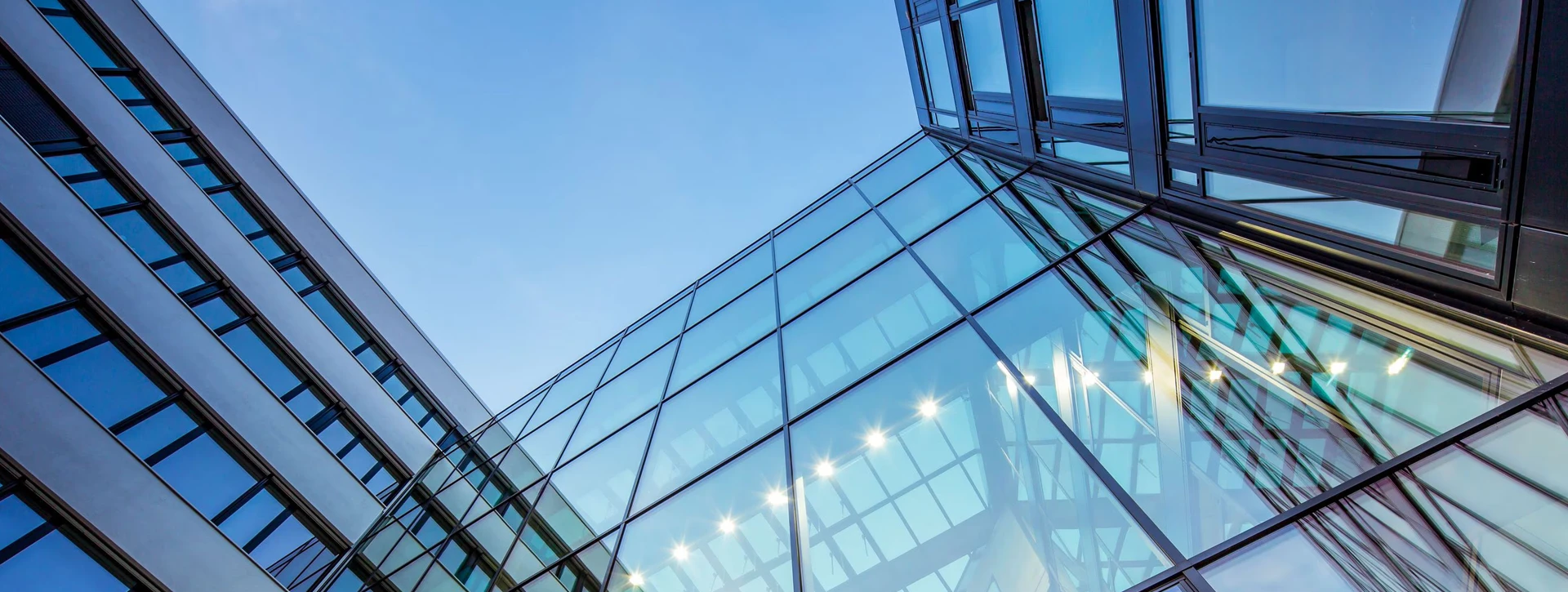
Curtain walls are non-structural outer coverings of a building that protect against weather, provide insulation, and enhance aesthetic appeal. They do not carry structural loads from the building itself, but they must resist wind, seismic forces, and thermal expansion. Curtain walls are widely used in modern architecture, particularly for high-rise buildings and commercial complexes. The three main types of curtain walls are stick systems, unitized systems, and panelized systems.
1.Stick Curtain Walls
Stick systems are constructed on-site using individual components such as mullions, transoms, and infill panels. The metal framework, usually aluminum, is assembled piece by piece, and glass or other panels are installed sequentially. Stick systems offer design flexibility and are ideal for projects with complex geometries. However, installation can be time-consuming, as each component must be fitted and sealed on-site.
2. Unitized Curtain Walls
Unitized systems consist of pre-assembled modules or units, including both frame and infill panels, fabricated off-site under controlled factory conditions. These units are then transported to the construction site and installed as complete sections. Unitized curtain walls provide faster installation, higher quality control, and improved performance in terms of airtightness and water resistance. They are particularly suited for large-scale projects and high-rise buildings where speed and precision are critical.
3.Panelized Curtain Walls
Panelized curtain walls are a hybrid approach, combining aspects of both stick and unitized systems. Large panels are pre-assembled off-site, but the frame and panels may still be installed in sections on-site. This system balances flexibility, quality control, and cost-effectiveness, making it suitable for mid-rise buildings or projects with repetitive panel designs.
In summary, curtain walls can be categorized into stick, unitized, and panelized systems, each offering distinct advantages. Stick systems provide flexibility for complex designs, unitized systems deliver speed and precision for large projects, and panelized systems offer a cost-effective balance between the two. Selecting the appropriate type depends on project scale, complexity, budget, and installation requirements. Proper choice ensures structural performance, energy efficiency, and aesthetic appeal for modern building facades.
|
Mini Order Quantity |
1 Piece |
|
OEM NO. |
CC-010 |
|
Type |
Façade / Curtain Wall Expanded Metal |
|
Place of Origin |
Heibei, China |
|
Packaging |
Carton Box / Wood Pallet Steel Pallet / Waterproof Plastic Cover |
|
Sample |
Paid |
|
Customization Service |
Yes |
|
Available Raw Materials |
Carbon Steel (Q235, 195, 195L, SPHC) Stainless Steel (304, 316, 316L) |
|
Surface Treatment |
Dipped Galvanized / Powder Coating / Anodizing / Polishing / Fluorocarbon PVDF |
|
Powder Coating / Fluorocarbon PVDF Standard (AkzoNobel, PPG Industries, Jotun etc) |
AAMA2604 Standard(Guarantee 10 Year) AAMA2605 Standard(Guarantee 15 Year) AAMA2606 Standard(Guarantee 20 Year) |
|
Hot Dipped Galvanized Standard |
>Zinc 50g (3-5Year) >Zinc 100g (5-8Year) >Zinc 250g (15 Year+) |
|
Producing Video |
|
|
FAQ |
How is the fireproof performance? The fireproof performance is good and meets the building fire protection standards.
Price factors? Materials, specifications, customization requirements and installation difficulty affect the price. |
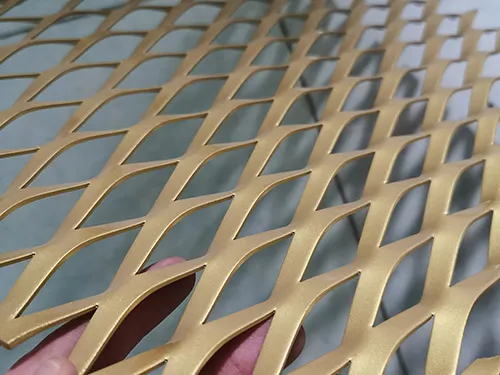
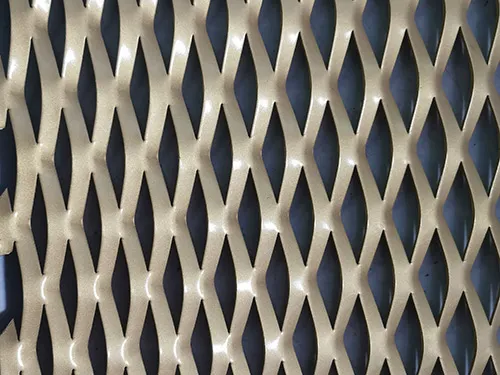
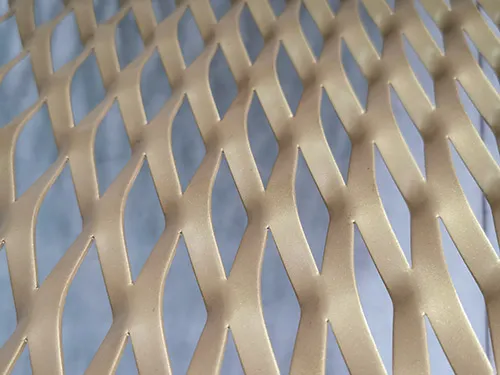
Modern Architectural Façades
Expanded metal for façades is widely adopted in contemporary architecture for its aesthetic versatility and functional benefits. It offers dynamic visual effects through patterns, depth, and transparency while serving practical roles such as sun shading, privacy screening, and natural ventilation. Lightweight yet durable, it’s ideal for large-scale cladding on office buildings, stadiums, airports, and cultural centers, creating a distinctive and sustainable building envelope.
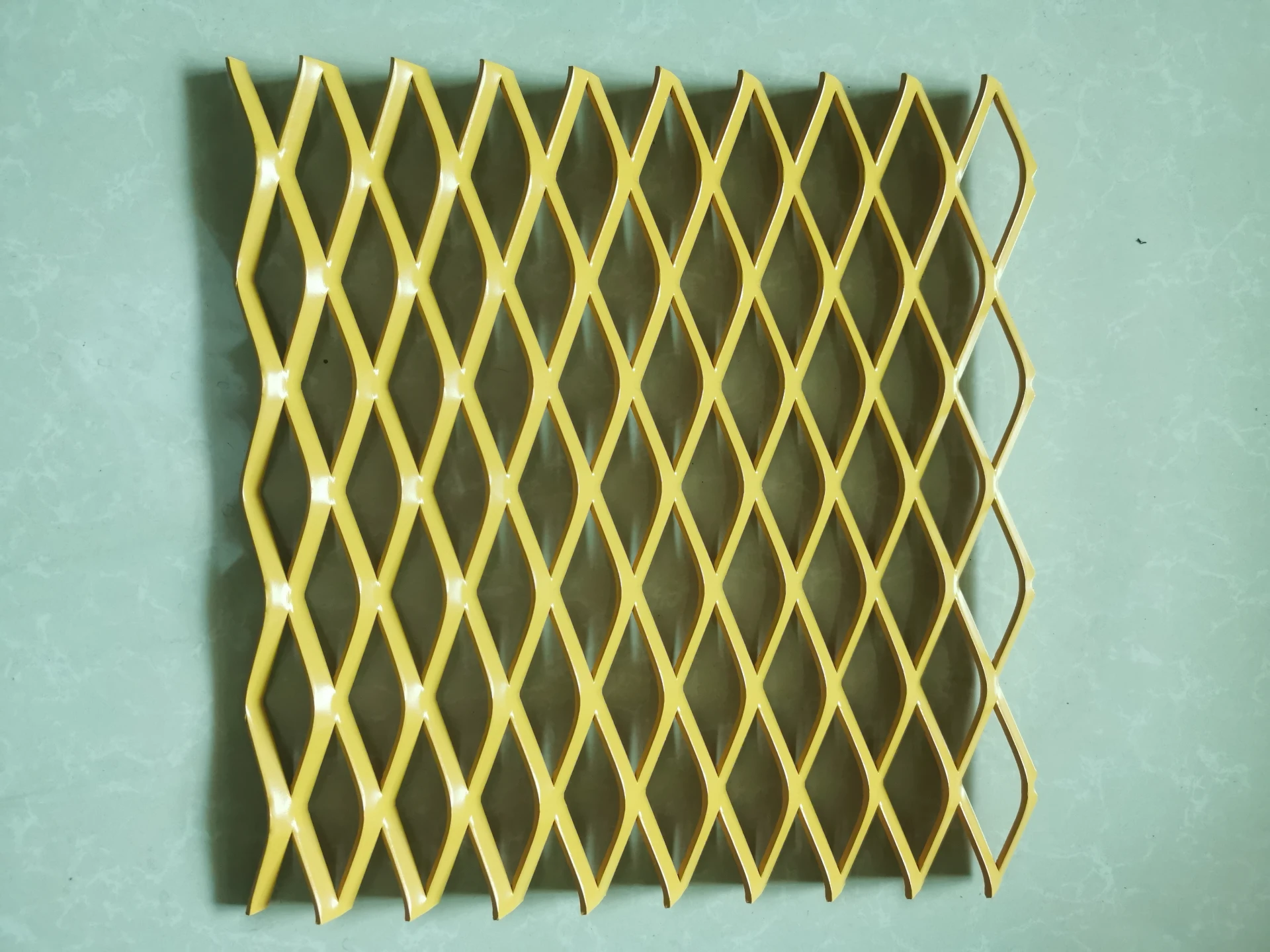
Ventilated Curtain Wall Systems
As part of ventilated curtain wall systems, expanded metal panels allow buildings to “breathe” by enabling airflow and heat dissipation between the outer skin and inner wall. This helps improve energy efficiency and reduces the load on HVAC systems. The material's resistance to corrosion, wind, and UV exposure makes it a reliable solution for long-term exterior protection, especially in urban and coastal environments.



![$item[alt]](https://images.exportstart.com/images/a1393/cc-7691.webp "$item[title]")