Product Description
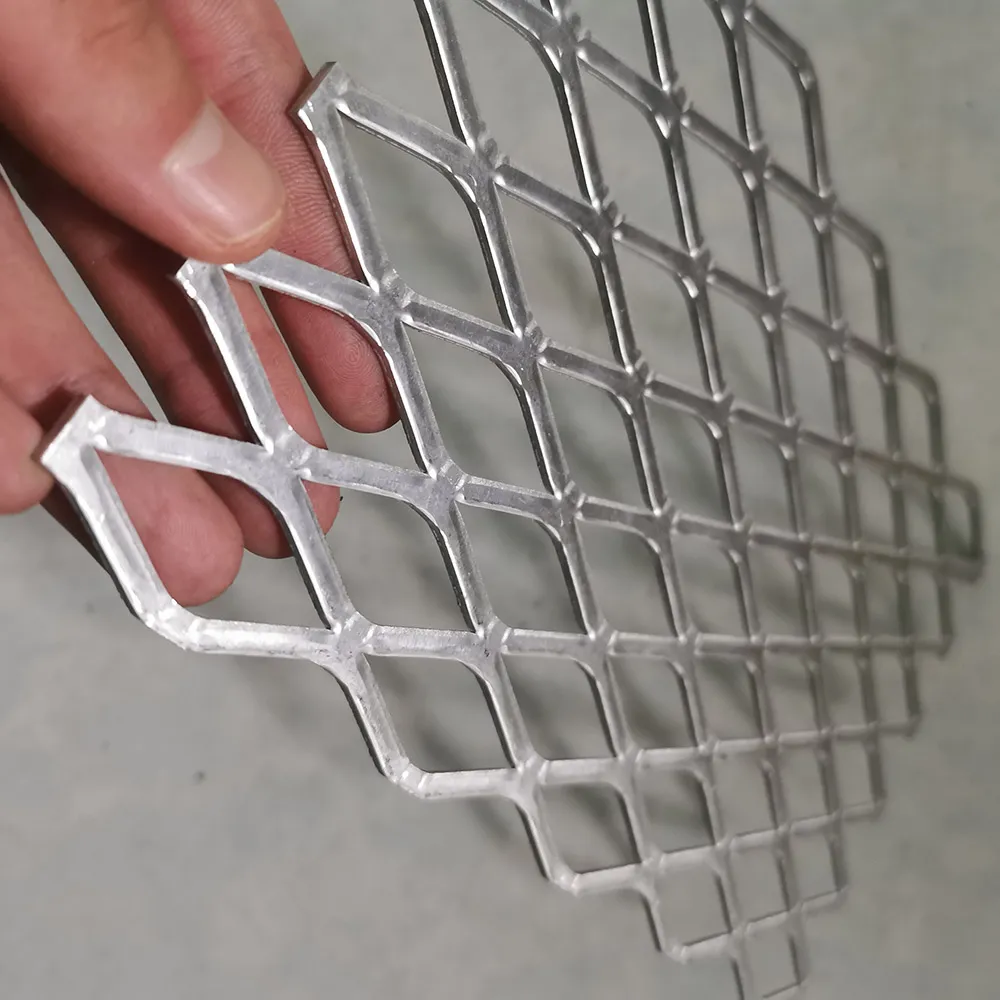
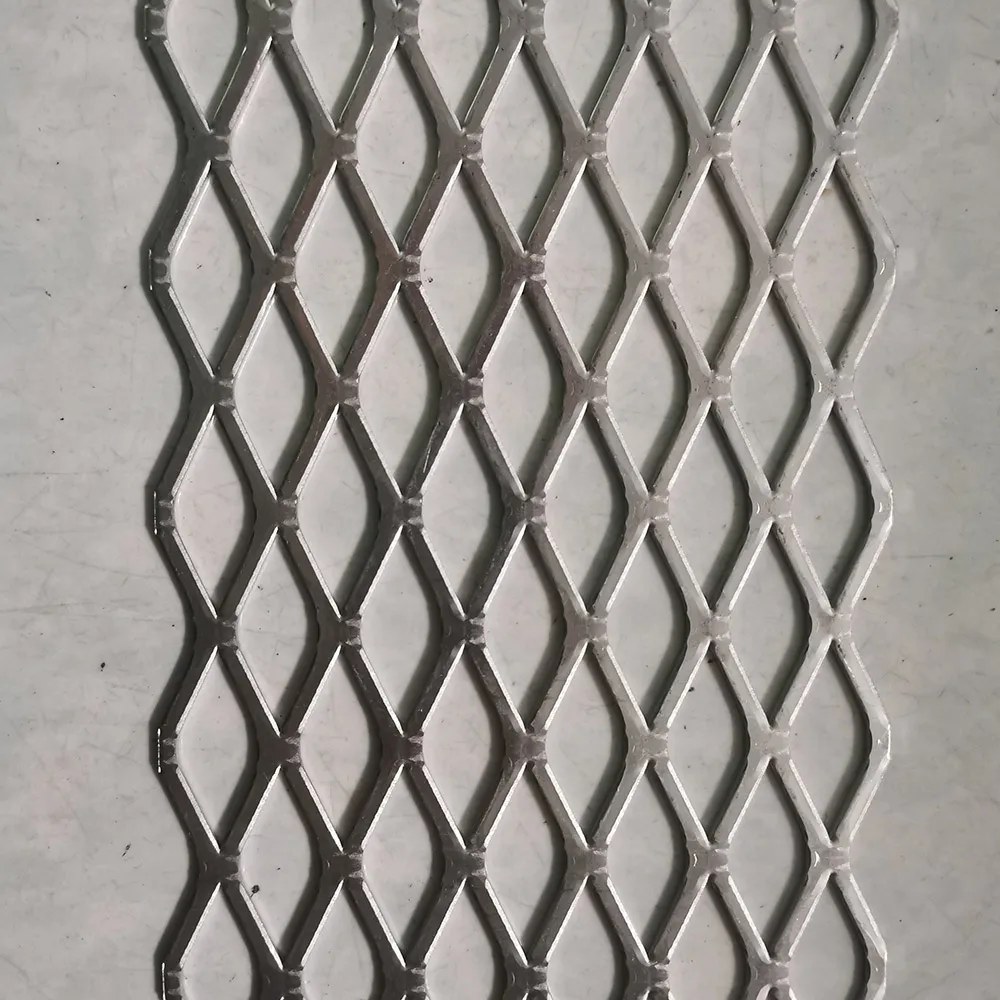
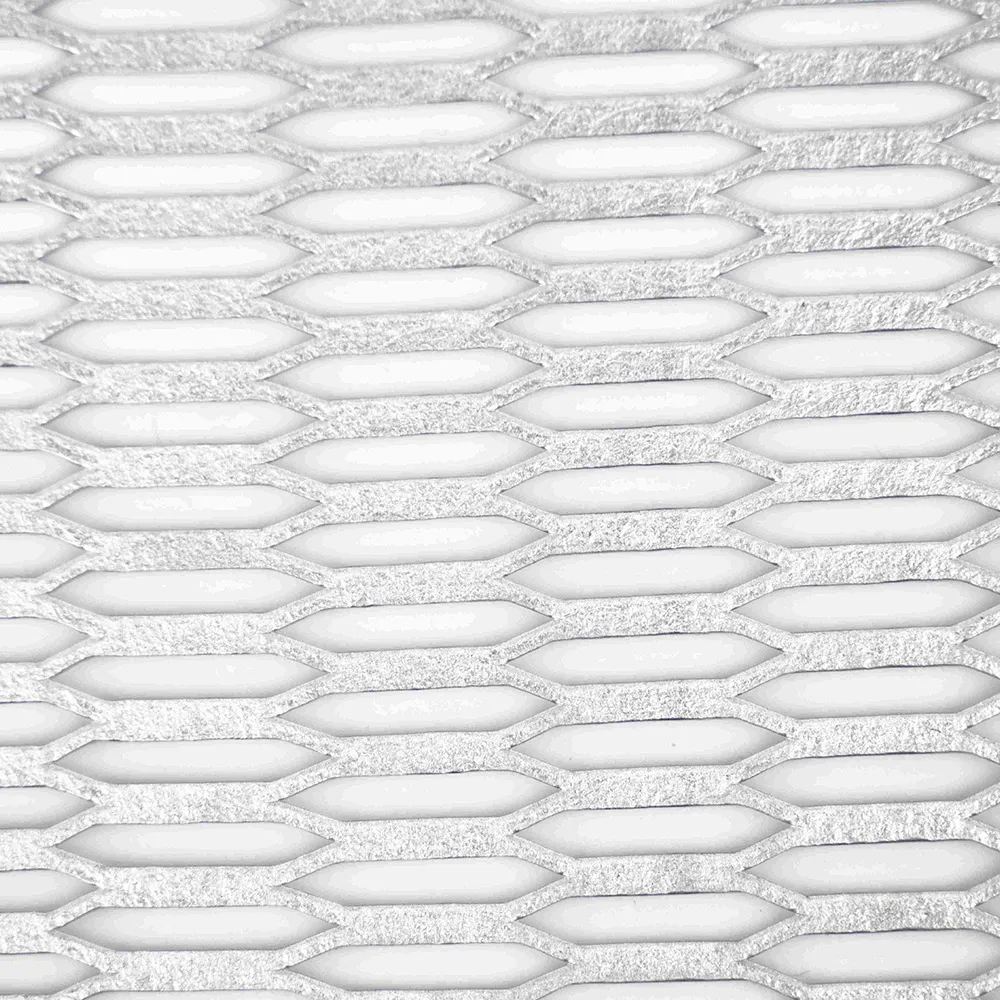
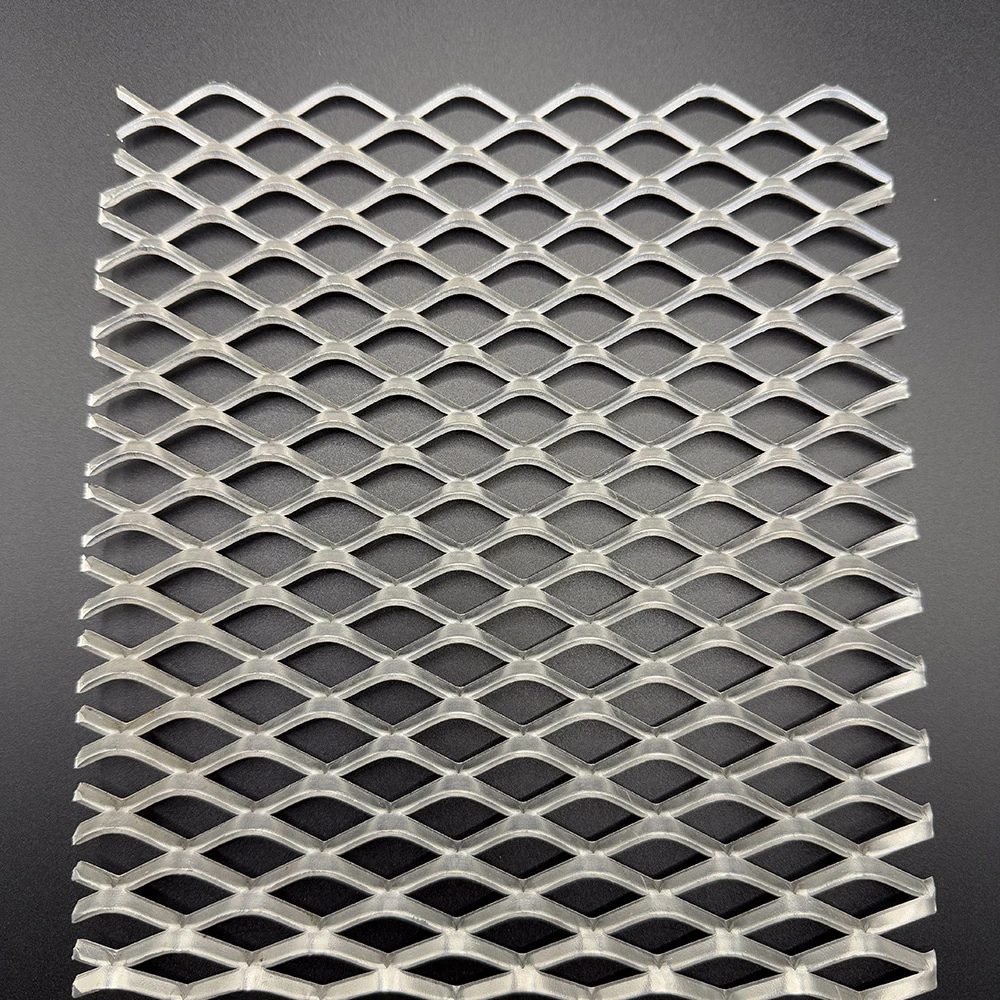
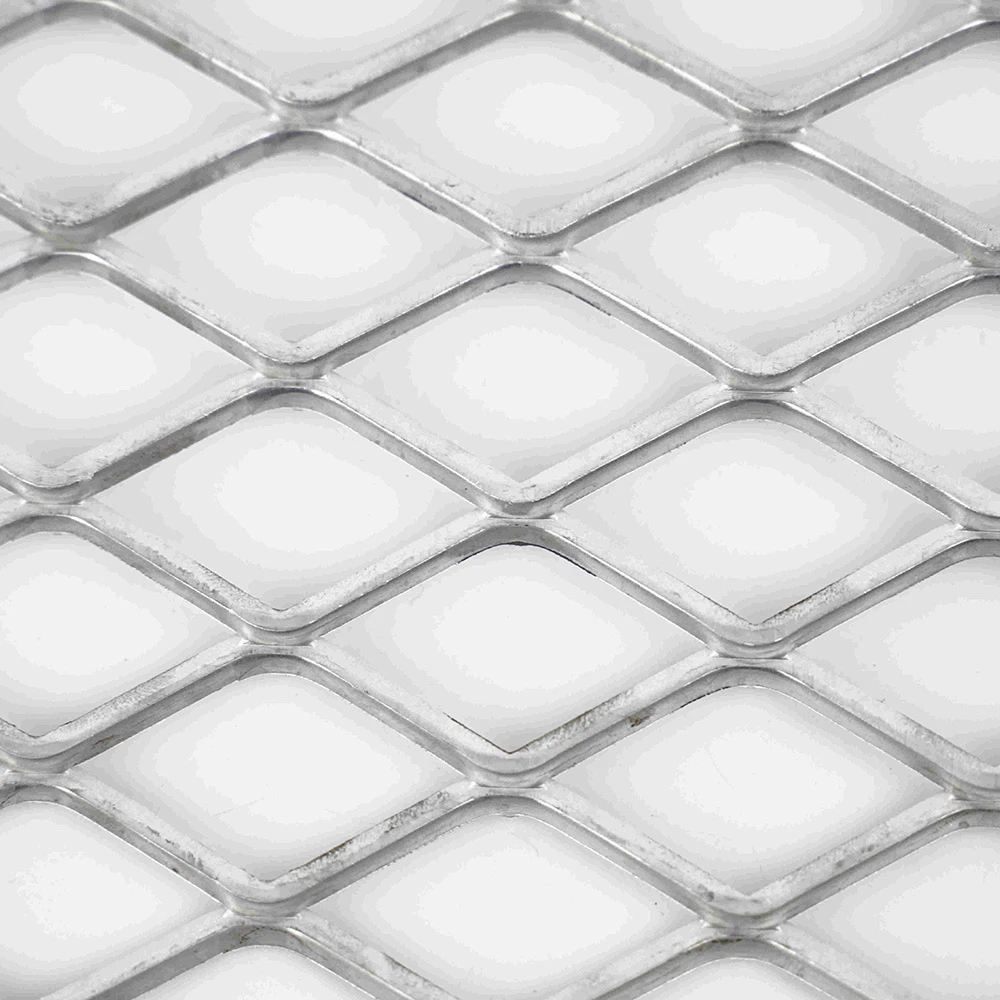
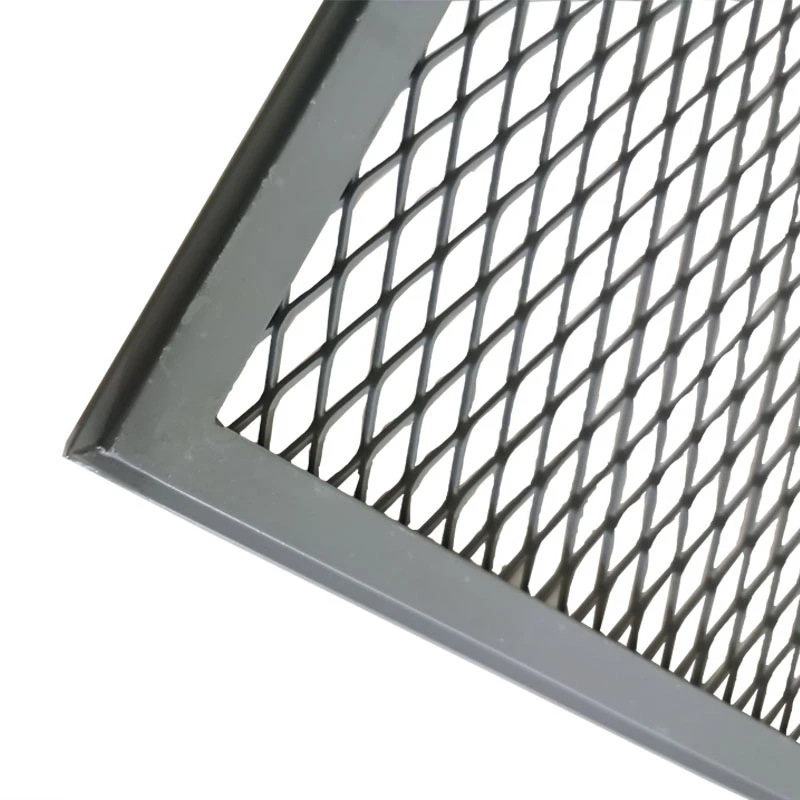
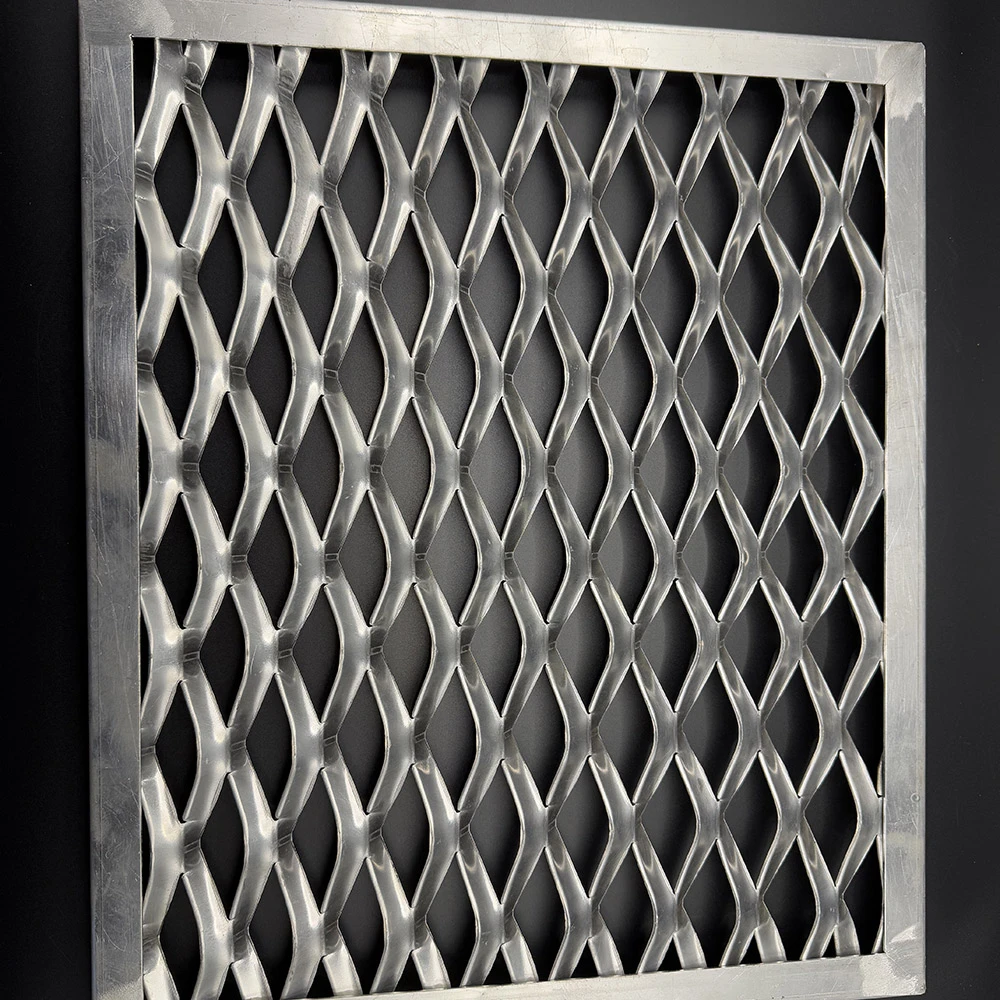
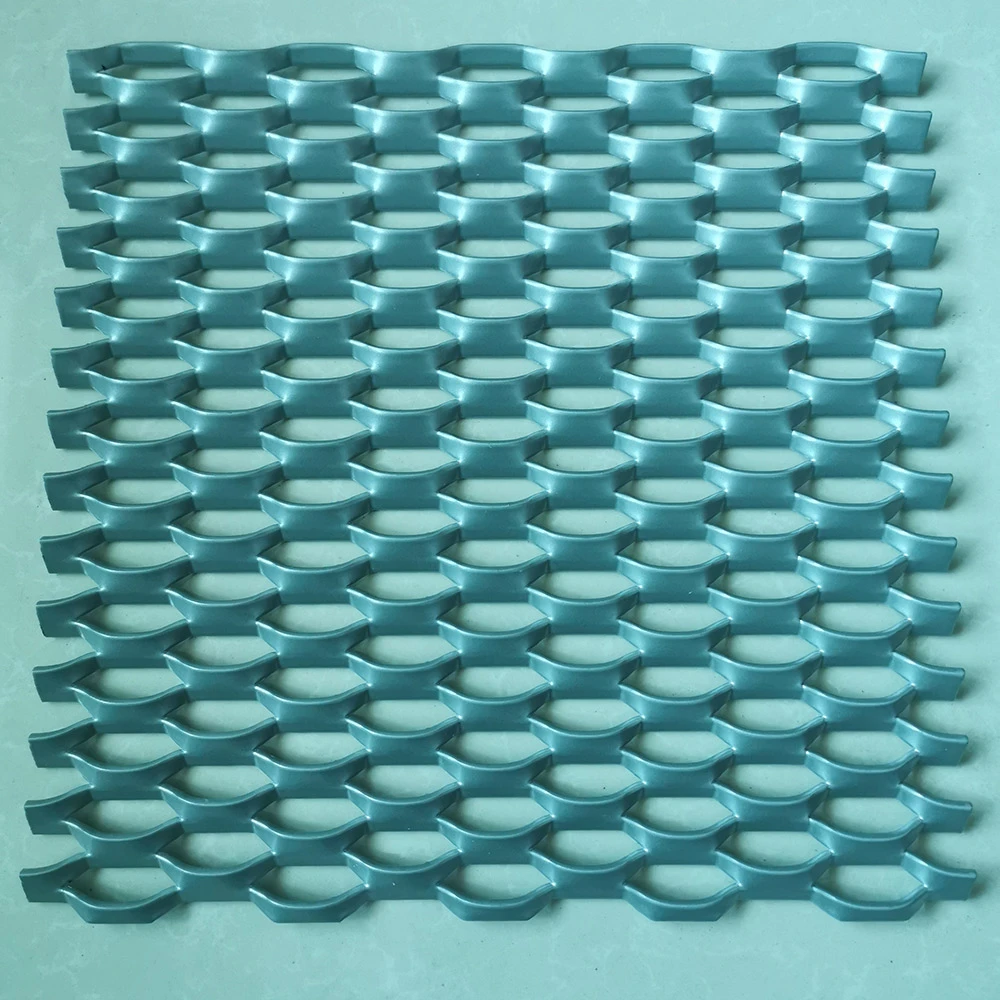
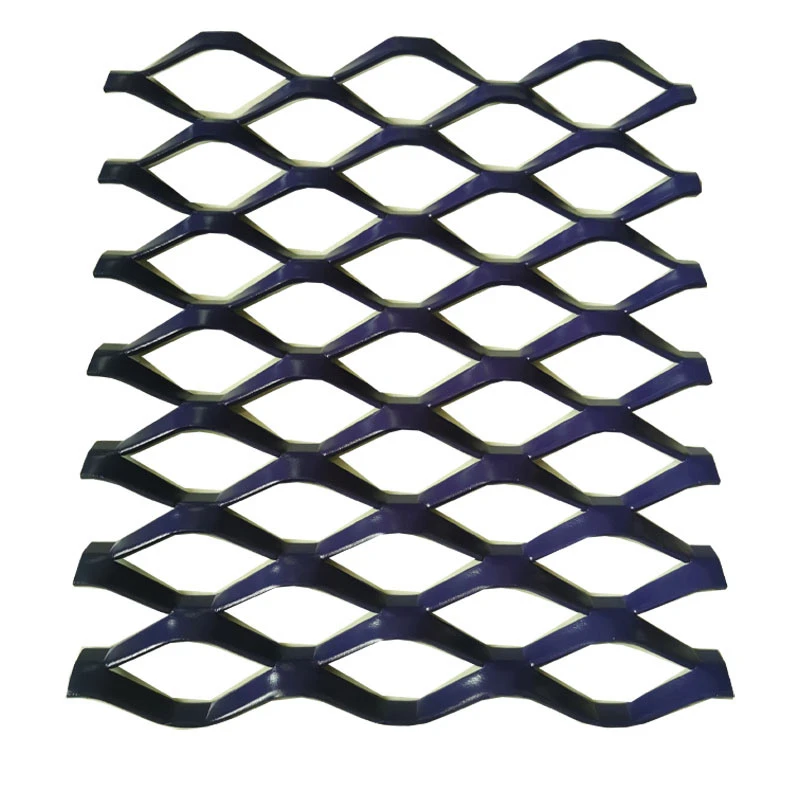
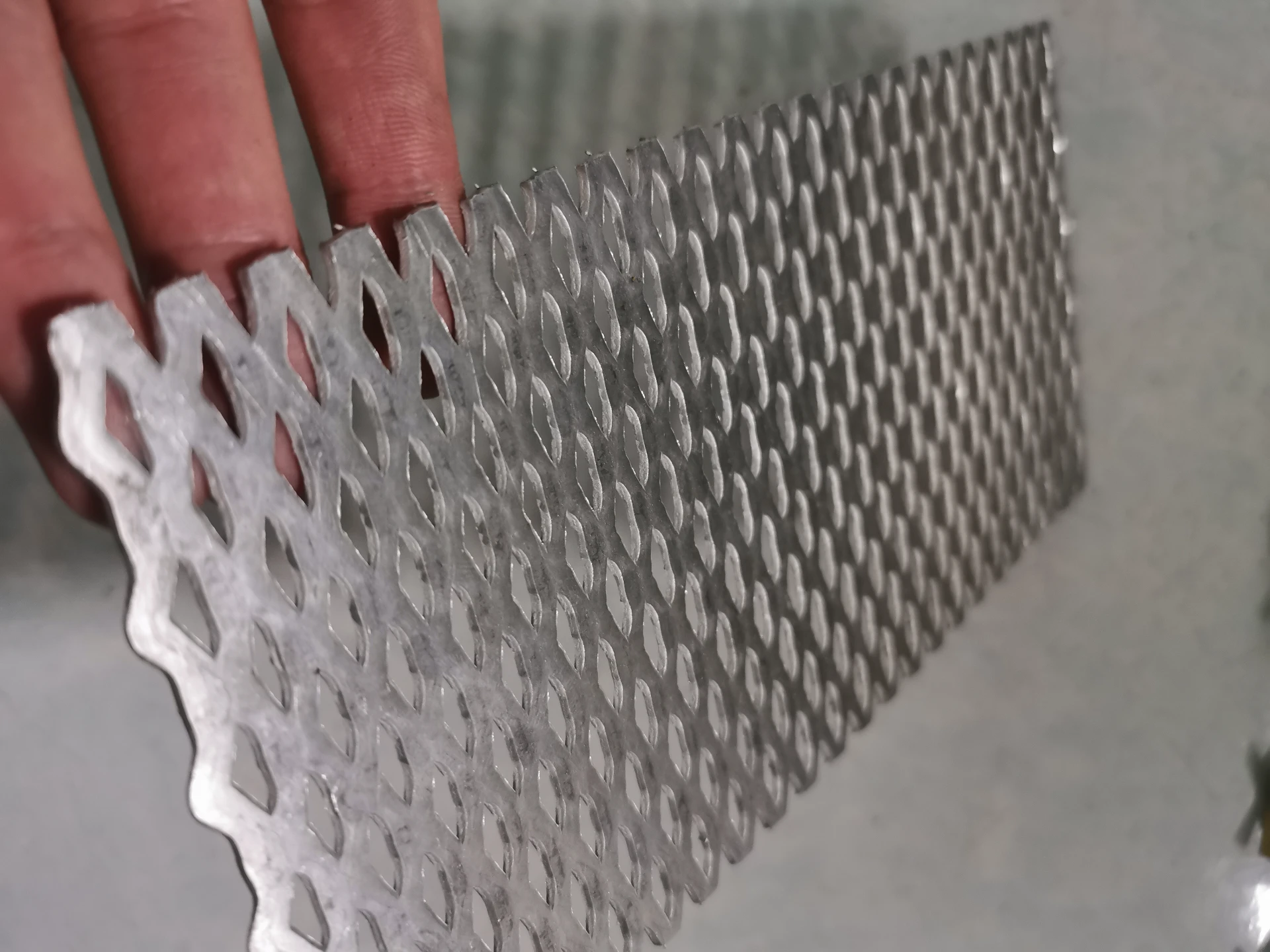
Expanded metal is a versatile material widely used in construction, industrial applications, and architectural projects. It is produced by cutting and stretching a solid sheet of metal to create a mesh of diamond- or hexagon-shaped openings. Expanded metal comes in two main forms: standard (raised) expanded metal and flattened expanded metal, each with distinct properties that influence strength and application.
Standard (Raised) Expanded Metal
In raised expanded metal, the strands of metal retain the three-dimensional texture created during the expansion process. This raised pattern increases the material’s rigidity and provides additional grip, which is particularly beneficial for walkways, stair treads, ramps, and industrial platforms. The three-dimensional structure distributes weight and stress efficiently across the mesh, enhancing load-bearing capacity. Raised expanded metal is therefore well-suited for heavy-duty applications where structural strength and traction are essential.
Flattened Expanded Metal
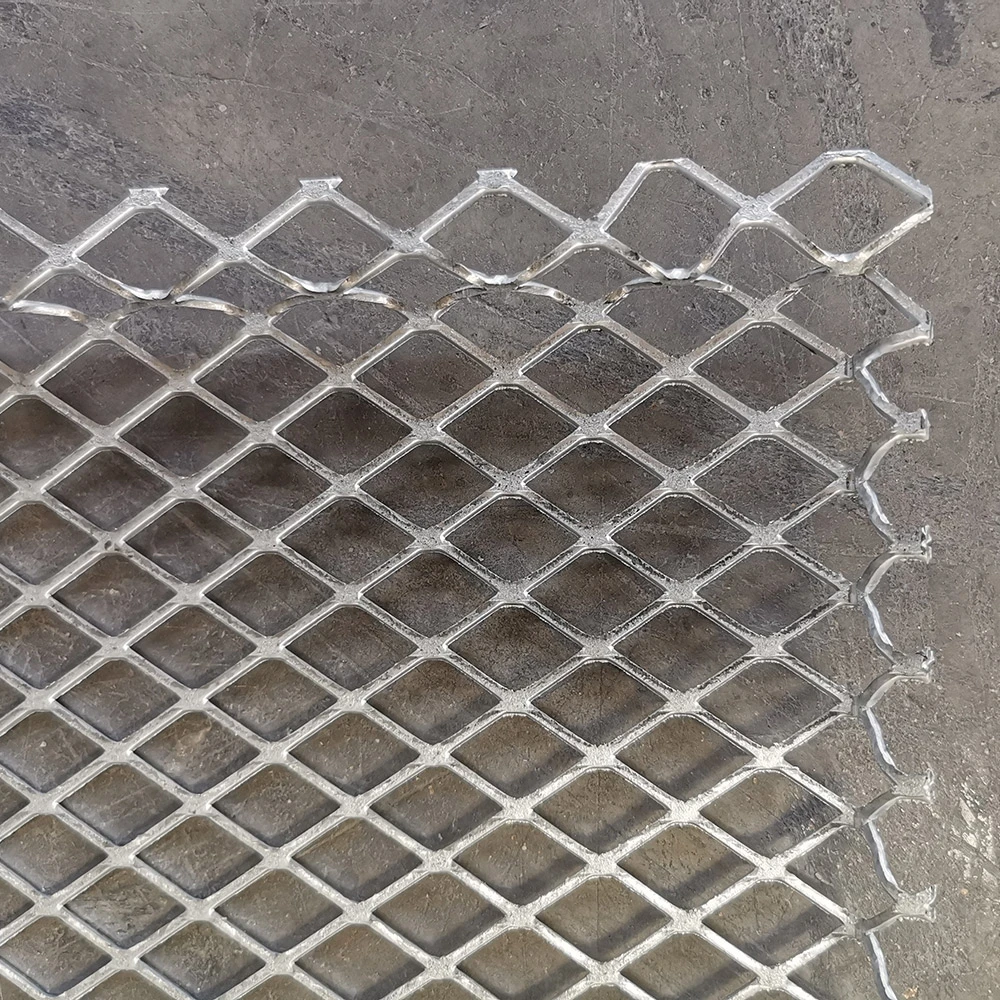
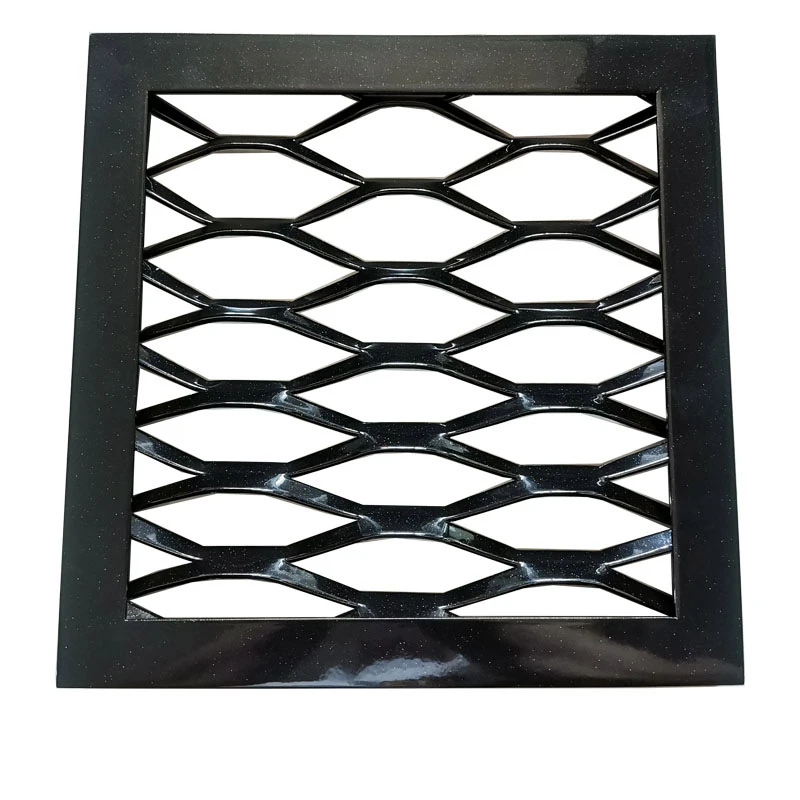
Flattened expanded metal is produced by rolling the raised mesh under heavy pressure to create a smooth, even surface. Flattening improves handling, ease of cutting, welding, and installation, making it more suitable for architectural panels, decorative screens, and interior partitions. While flattened expanded metal retains most of the original material’s strength, the process slightly reduces its rigidity compared to raised expanded metal, particularly under heavy loads or high-impact conditions.
Comparing Strength
When it comes to pure structural strength, raised expanded metal is generally stronger because its three-dimensional texture enhances rigidity and distributes stress more effectively. Flattened expanded metal is slightly less rigid but offers advantages in fabrication, appearance, and versatility. Both forms can be produced from steel, aluminum, or stainless steel, and the choice often depends on whether strength or ease of installation and aesthetics is the primary concern.
In conclusion, for applications requiring maximum load-bearing capacity and traction, raised expanded metal is the superior choice, while flattened expanded metal is preferred when smoothness, precision, or visual appeal is more important.
Bending metal is a common process in fabrication and construction, but whether it makes the metal stronger depends on the context, the type of metal, and the degree of bending. In general, bending can influence metal strength, rigidity, and performance in both positive and negative ways.
When a metal sheet or bar is bent, the material experiences stress and strain. The outer surface of the bend is under tension, while the inner surface is under compression. This stress can cause work hardening, a phenomenon where the metal’s crystal structure becomes denser at the bent area, slightly increasing local strength and hardness. For some metals, like steel and aluminum, this can improve resistance to deformation in that specific area. Work hardening is one reason why folded or corrugated metal panels are stronger than flat sheets in structural applications.
Bending can also increase rigidity and stability. For example, a flat sheet of metal may flex easily under load, but forming it into an angle, curve, or corrugated shape distributes stress more evenly, preventing bending or sagging. This principle is widely used in architectural panels, bridge decking, and metal shelving, where bends or folds enhance load-bearing performance without increasing material thickness.
However, excessive bending or repeated bending can weaken metal. If the material is bent beyond its elastic limit, it may crack or develop fatigue over time, especially in brittle metals. Sharp bends create stress concentrations that can become failure points under repeated loading or vibration. Therefore, the benefits of bending must be balanced with the metal type, thickness, and intended use.
In conclusion, bending metal can make it stronger and more rigid in localized areas through work hardening and geometric reinforcement. However, improper bending can also introduce weak points. Designers and engineers use bends strategically to enhance performance, increase stability, and reduce material usage while maintaining safety and durability.
When it comes to metals that can be bent without breaking, strength, ductility, and resilience are key factors. Not all metals handle bending equally—some are strong but brittle, while others are ductile enough to bend repeatedly without cracking. The strongest bendable metals combine high tensile strength with good ductility, making them ideal for structural, industrial, and fabrication applications.
Steel is one of the strongest and most commonly used bendable metals. Specifically, mild steel and low-carbon steel offer a balance of strength and ductility. They can be bent, rolled, or formed into complex shapes without breaking. High-strength alloy steels, such as spring steel, provide even greater tensile strength and are capable of returning to their original shape after bending, making them ideal for mechanical parts, automotive components, and structural supports.
Aluminum is another strong yet highly bendable metal. While not as strong as steel in terms of load-bearing capacity, aluminum’s lightweight nature and excellent ductility allow it to be bent, extruded, and formed easily. Aluminum alloys such as 6061 or 5052 combine corrosion resistance with moderate strength, making them suitable for aerospace, marine, and architectural applications.
Copper and its alloys, like bronze and brass, are also highly ductile and can withstand repeated bending. Their natural softness allows them to be shaped into wires, tubes, and decorative elements without fracturing, though they are not as strong as steel or certain aluminum alloys.
The key to determining the strongest bendable metal is understanding the balance between strength and ductility. Metals like spring steel excel in applications requiring repeated bending and high tensile loads, while aluminum alloys are ideal where weight reduction and corrosion resistance are also important.
In conclusion, spring steel and certain high-strength aluminum alloys are among the strongest bendable metals. They provide the best combination of strength, flexibility, and resilience, making them suitable for demanding industrial, structural, and design applications where both bending and load-bearing capacity are required.
|
Mini Order Quantity |
1 Piece |
|
OEM NO. |
CC-005 |
|
Type |
Flattened Expanded Metal |
|
Place of Origin |
Heibei, China |
|
Packaging |
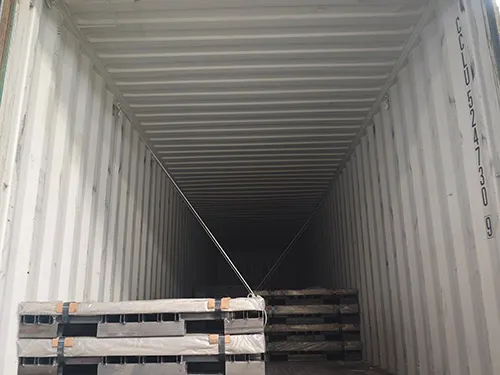
Carton Box / Wood Pallet Steel Pallet / Waterproof Plastic Cover |
|
Sample |
Paid |
|
Customization Service |
Yes |
|
Available Raw Materials |
Carbon Steel (Q235, 195, 195L, SPHC) Stainless Steel (304, 316, 316L) |
|
Surface Treatment |
Dipped Galvanized / Powder Coating / Anodizing / Polishing / Fluorocarbon PVDF |
|
Powder Coating / Fluorocarbon PVDF Standard (AkzoNobel, PPG Industries, Jotun etc) |
AAMA2604 Standard(Guarantee 10 Year) AAMA2605 Standard(Guarantee 15 Year) AAMA2606 Standard(Guarantee 20 Year) |
|
Hot Dipped Galvanized Standard |
>Zinc 50g (3-5Year) >Zinc 100g (5-8Year) >Zinc 250g (15 Year+) |
|
Producing Video |
|
|
FAQ |
Environmentally friendly? Both are recyclable, and aluminum mesh is more environmentally friendly because aluminum recycling consumes less energy.
Do you have AFTER-SERVICE? Yes, if goods is questioned, we will take a flight to visit your company or project area. |
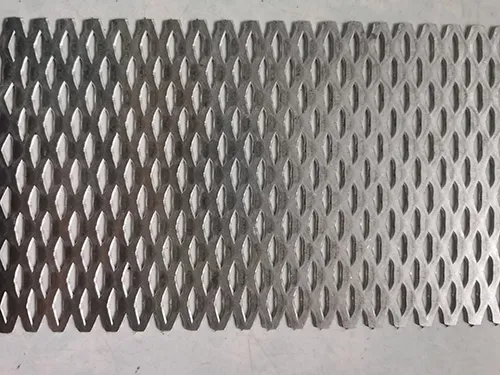
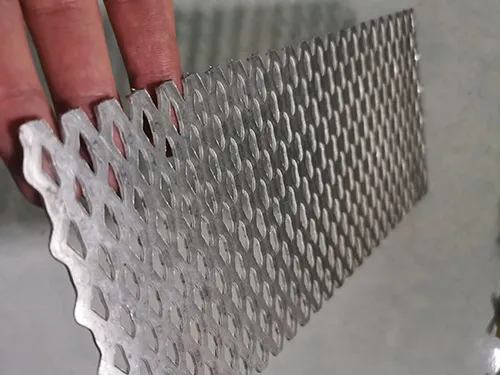
Flattened Expanded Metal Description
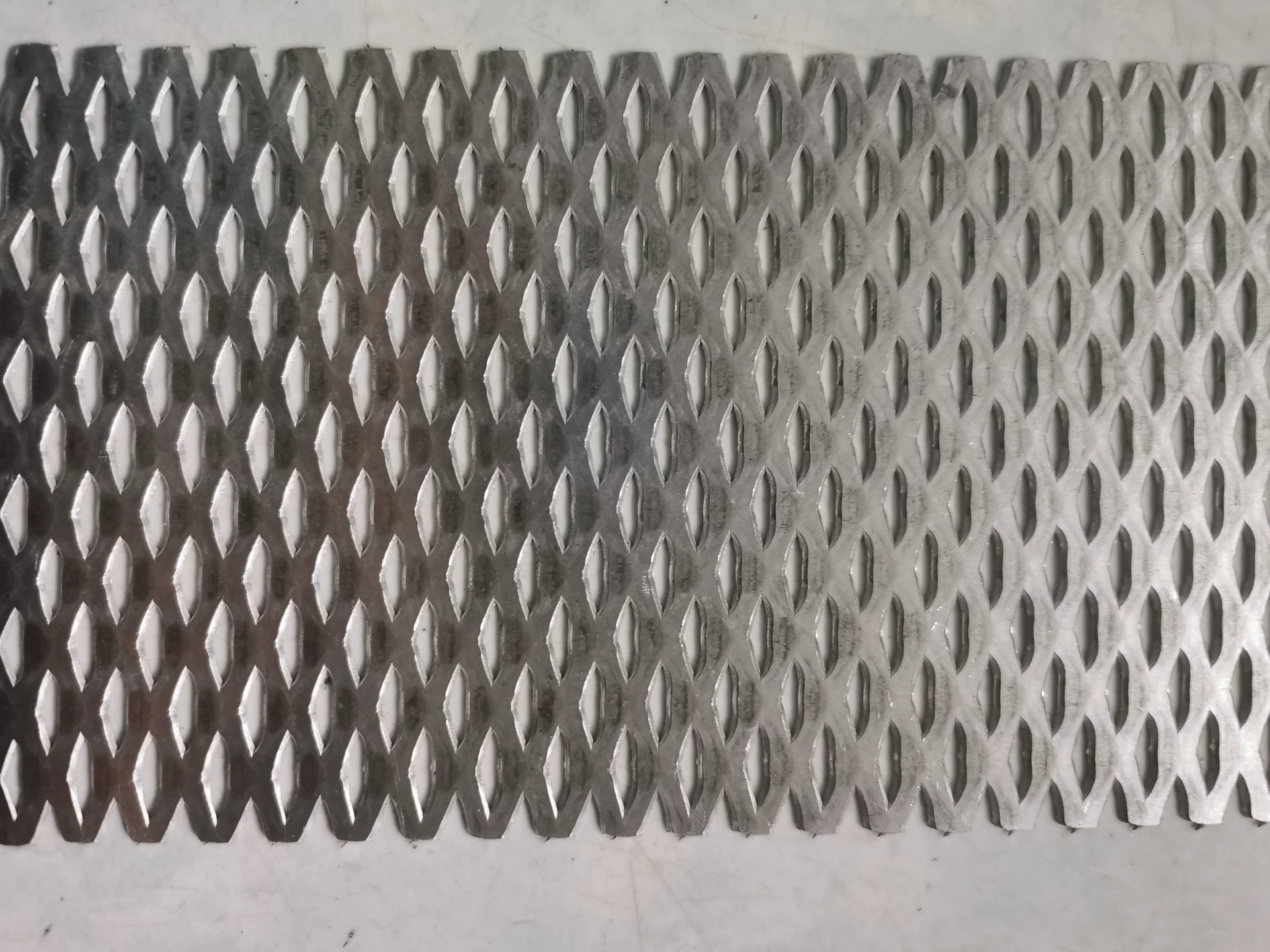
Flattened expanded metal is not of raised ridge, now surface is very plain and smooth, every hole shape can be flattened, this technology is applied in various industries, like ceiling system, storage rack etc.
Machinery Guarding and Industrial Safety
Flattened expanded metal is widely used in machinery enclosures, safety guards, and protective barriers across manufacturing and processing industries. The flattened surface offers a smoother texture and reduced sharp edges, making it safer to handle and install while maintaining strength and durability. Its uniform openings provide clear visibility and airflow, which are critical for both safety monitoring and equipment cooling.
Building and Construction Materials
In construction, flattened expanded metal serves as a versatile material for plaster base support, reinforcement mesh, and wall lath systems. Its flat profile allows it to lie flush against surfaces, providing excellent adhesion for plaster, stucco, or concrete. Lightweight yet strong, it simplifies installation and enhances the structural integrity of walls, ceilings, and exterior facades in both residential and commercial projects.



![$item[alt]](https://images.exportstart.com/images/a1393/cc-7691.webp "$item[title]")