
Expanded metal 24x24 may sound like a niche term, but in reality, it has woven itself deeply into industries ranging from construction to humanitarian aid. Think of it as a versatile, cost-effective mesh panel that holds a thousand practical uses under one roof—literally and figuratively. Globally, as urbanization accelerates and infrastructure demands skyrocket, knowing the ins and outs of materials like expanded metal 24x24 opens doors to safer, more sustainable projects.
Plus, with environmental targets tightening worldwide (thanks to ISO standards and United Nations’ sustainability goals), materials that offer strength without waste become more than just handy – they become essential.
Mini takeaway: Expanded metal 24x24 plays an outsized role in crafting durable, eco-friendly solutions, and understanding it enhances your grasp of modern industrial design and sustainable innovation.
Demand for versatile building materials has climbed steadily. According to World Bank data, infrastructure spending worldwide edges ever higher, especially in emerging markets facing rapid housing and industrial growth. Expanded metal 24x24 occupies a sweet spot here because it solves a common pain point: materials that are both strong and lightweight, yet affordable, easy to produce, and flexible in application.
Challenges such as supply chain disruptions and rising raw materials costs only make this mesh format more attractive. In disaster response zones or remote industrial setups, speed and durability matter—expanded metals are regularly called upon to fill this gap. Oddly enough, despite their humble appearance, these 24x24 panels factor into everything from security fencing to ventilated facades.
Mini takeaway: Expanded metal 24x24 isn’t just a product; it’s a response to modern infrastructure hurdles globally, especially where cost, speed, and resilience converge.
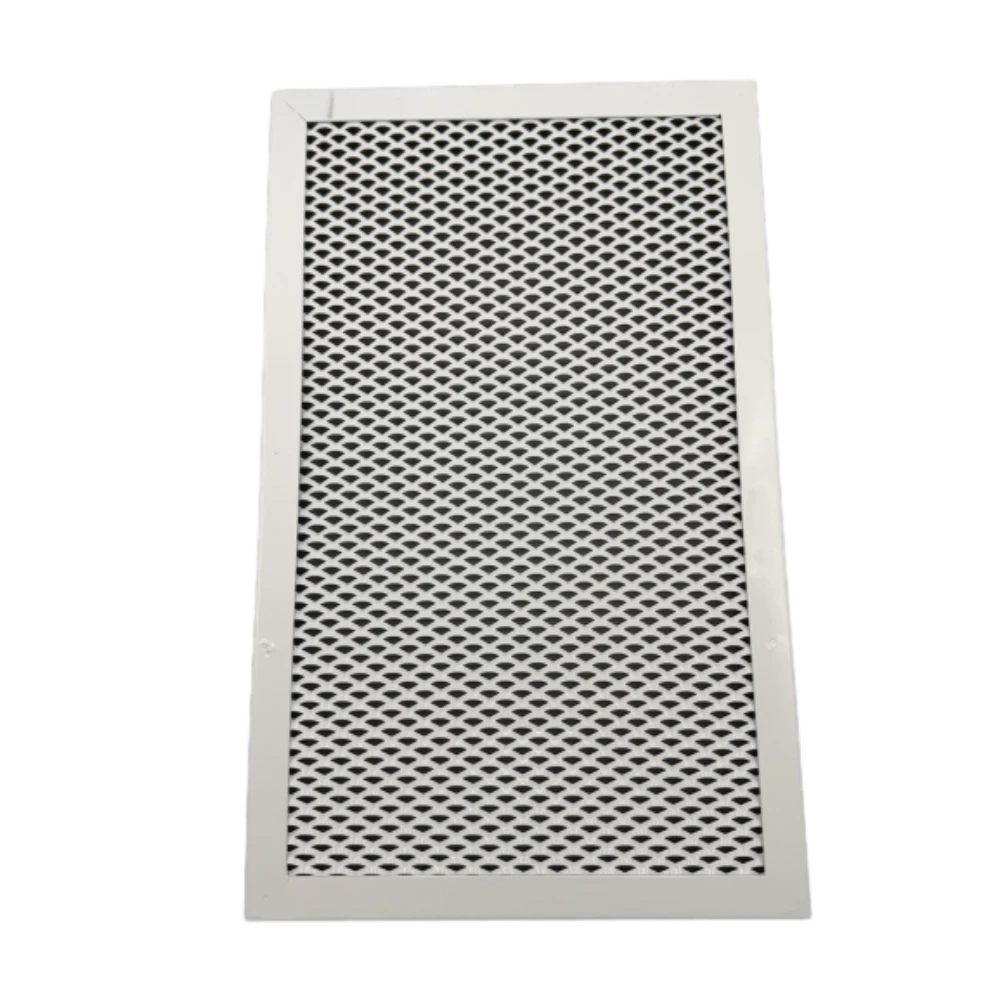
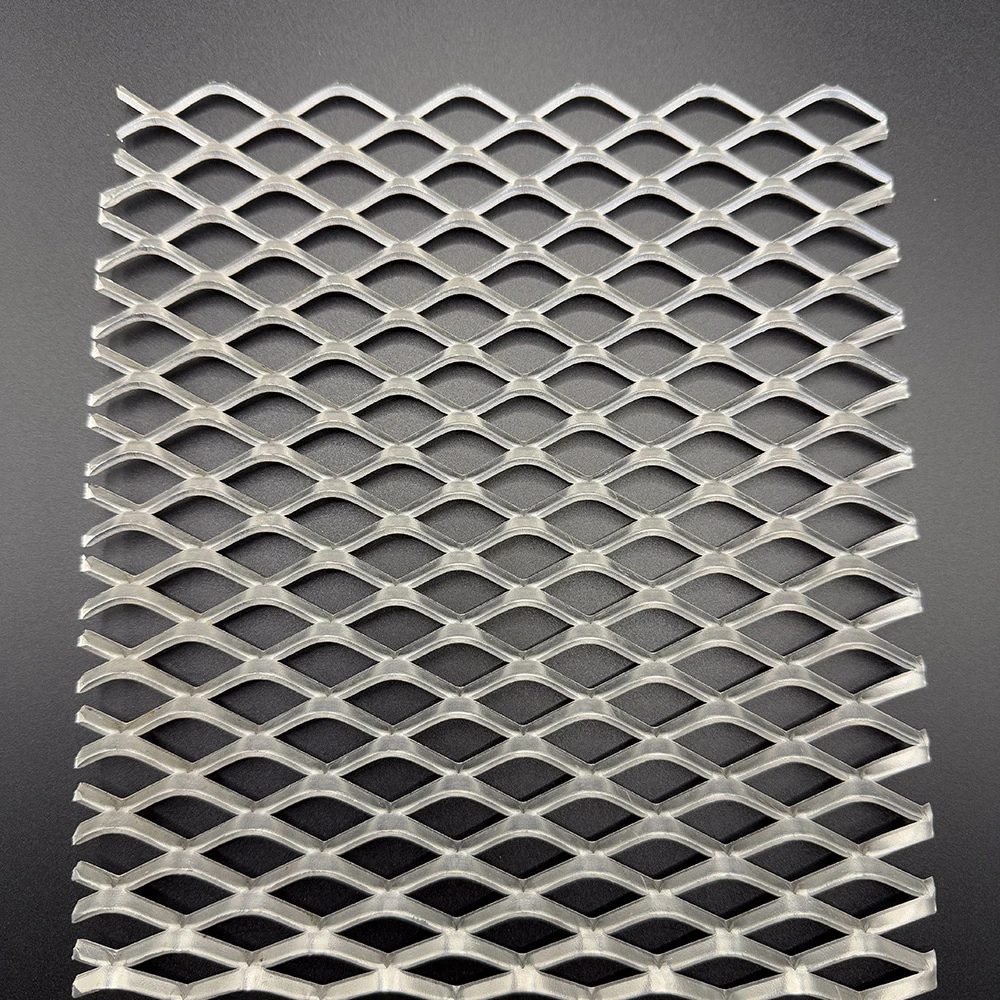
Simply put, “expanded metal 24x24” is a metal sheet cut and stretched to form a mesh network with openings approximately 24 mm by 24 mm in size. Imagine punching a grid into metal, then pulling it open so the entire sheet becomes a diamond-shaped lattice. This method leaves the metal intact—no waste from punching, unlike traditional perforated sheets—and creates a strong, lightweight panel.
Industries use these meshes widely for protective grates, walkways, or architectural elements. The "24x24" is a specific size designation that helps professionals standardize products for building codes or machinery parts. Beyond engineering, these panels sometimes feature in humanitarian projects, where the balance of strength and ventilation is critical for shelters or storage.
Expanded metal 24x24 products thus bridge the gap between high-tech fabrication and practical, everyday needs.
Mini takeaway: Expanded metal 24x24 is an intelligently designed mesh sheet prized for strength, economy, and adaptability in both technical and social applications.
Manufactured typically fromSteel, aluminum, or stainless steel, these meshes resist corrosion and mechanical stress. The expanded structure diffuses force, making the sheet harder to bend or break compared to flat panels of similar thickness.
Because of the lattice design, less metal is used but coverage remains substantial. This cuts down on transport costs and installation labor without sacrificing safety.
Manufacturers produce expanded metal 24x24 in varying thicknesses and alloys to suit everything from heavy industrial floors to decorative cladding. Sizes adapt well to rolling production, meaning quick delivery times.
Unlike welding or assembling individual bars or rods for grating, expanded metal is a single, continuous sheet without joints—a huge plus for price and structural integrity.
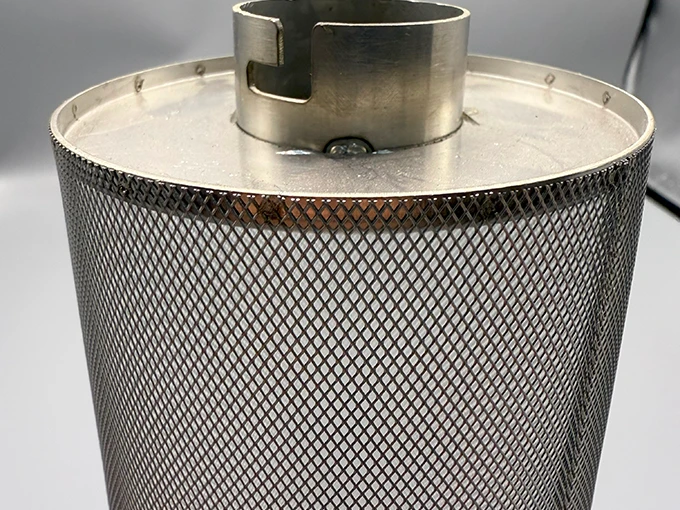
The controlled mesh openings facilitate airflow and light penetration—essential in HVAC systems or agricultural enclosures.
Since expanded metal manufacturing produces minimal scrap (unlike punched metal), and often uses recycled steel, it aligns with goals for greener manufacturing.
Mini takeaway: The combination of strength, adaptability, and green credentials make expanded metal 24x24 a smart choice for a multitude of projects.
This mesh product isn’t just sitting in warehouse shelves. It’s working hard in many corners of the world:
Its versatility extends from the basics of safety fencing to artistic installations that also meet engineering standards.
Mini takeaway: Expanded metal 24x24’s global footprint spans rapid humanitarian relief, industrial safety, and even creative architectural spaces.
At its core, expanded metal 24x24 offers a combo that’s hard to beat: cost-efficiency, sustainability, and unmatched reliability. The mesh is not just strong—it’s predictable under load, consistent in quality, and versatile. The logical side makes sense: less raw metal, fewer joins equals lower maintenance and longer lifespans.
On an emotional level, using materials that protect workers, equip emergency shelters, or strengthen public infrastructures inspires trust and dignity—people feel safer and more respected. Many engineers I’ve chatted with have commented on how the simplicity of these sheets belies their tough reliability, forming the backbone of larger safety systems.
Mini takeaway: Expanded metal 24x24 panels pay off by balancing hard economics with social and environmental responsibility.
Technology never stands still, and neither does expanded metal development. Innovations include:
All these developments keep expanded metal 24x24 relevant amid digital transformations and environmental policy tightening.
Mini takeaway: Expect smarter, greener, and more automated expanded metal products in the near future.
Of course, no material is perfect. Expanded metal faces issues like susceptibility to corrosion under extreme conditions if uncoated; limited tensile strength in certain thinner gauges; and sometimes complex fabrication needs when customized sizes are required.
Solutions? Many vendors recommend galvanized or powder-coated finishes, robust engineering specs during project planning, and careful supplier selection to ensure quality. It’s kind of like tuning a good instrument—the better it’s maintained and chosen for the job, the more reliable it becomes.
Mini takeaway: Challenges exist but smart material choices and finishing techniques can largely mitigate them.
| Specification | Details |
|---|---|
| Mesh Opening Size | 24 mm × 24 mm (approx.) |
| Material | Steel, Aluminum, Stainless Steel |
| Sheet Thickness | 0.8 mm to 5 mm |
| Coatings | Galvanized, Powder-coated, None |
| Weight | Varies by thickness, 2–15 kg/m² approx. |
| Standard Sheet Size | 1 m × 2 m (custom sizes available) |
| Vendor | Product Quality | Customization Options | Lead Time | Sustainability Practices |
|---|---|---|---|---|
| CC Metal Mesh | High (ISO certified) | Extensive (thickness, size, coating) | 2–3 weeks | Recycling initiatives, low waste |
| Global Mesh Co. | Medium | Limited | 3–5 weeks | Basic environmental policies |
| EcoFab Industries | High | Good (focus on green tech) | 4 weeks | Strong eco-friendly focus |
It feels like expanded metal 24x24, while straightforward in concept, is quietly underpinning a wave of global infrastructure and innovation efforts. Whether it’s ensuring safe walkways in factories, creating ventilated emergency shelters, or offering architects a sleek, functional textured façade, the mesh has proven its worth repeatedly. Its blend of durability, flexibility, and sustainability guarantees it will only become more relevant going forward.
If you want to source reliable expanded metal 24x24—whether for industrial use, creative projects, or humanitarian aid—visit https://www.ccmetalmesh.com to explore products and customization options.
Honestly, sometimes the simplest tool ends up being one of the most powerful little pieces of engineering art we lean on daily.



![$item[alt]](https://images.exportstart.com/images/a1393/cc-7691.webp "$item[title]")