
Perforated metal is a versatile material utilized across numerous industries, from architectural design to industrial filtration. A crucial factor in determining its suitability for a specific application is the perforated metal thickness. This article will explore the significance of thickness, common materials, manufacturing processes, and how to choose the right thickness for your needs. Understanding these aspects ensures optimal performance and longevity of the perforated metal sheet.
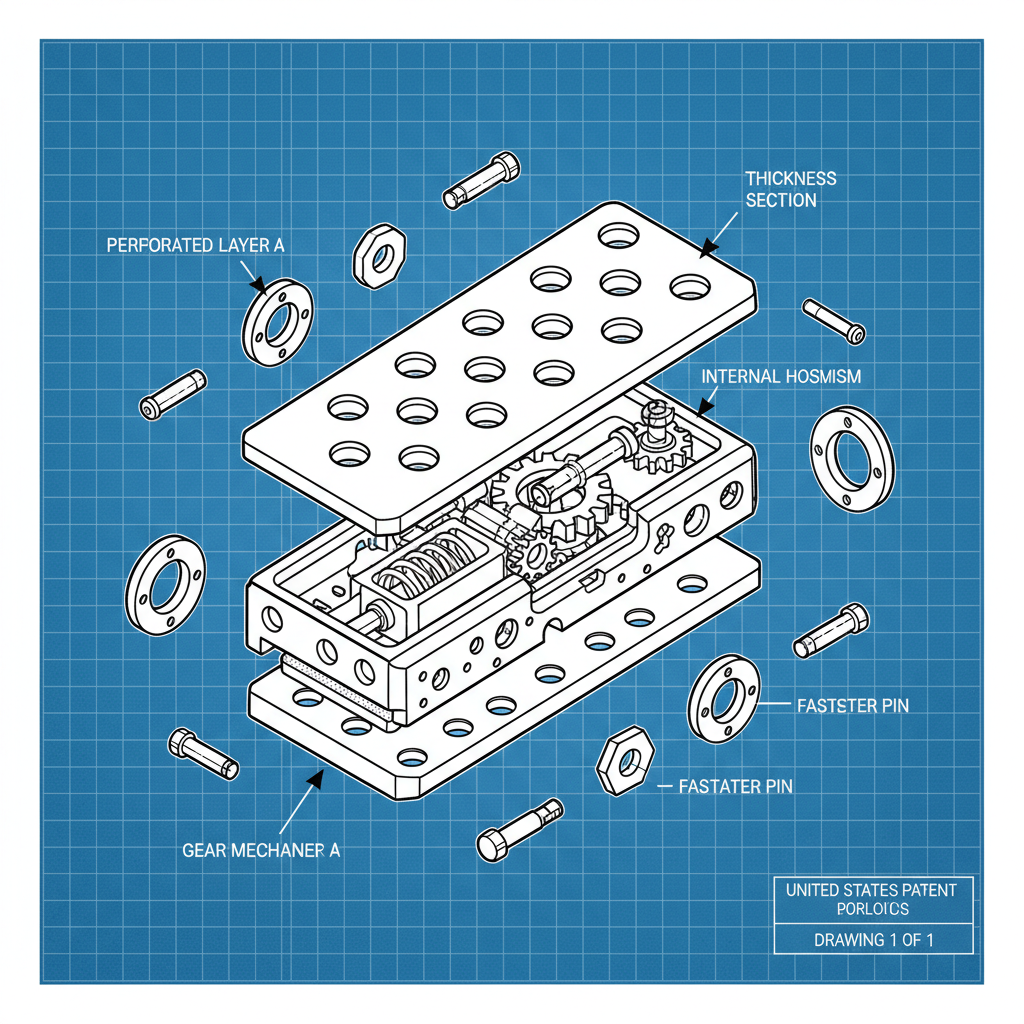
The thickness of perforated metal directly impacts its strength, durability, and cost. Thicker materials offer greater structural integrity and resistance to deformation, making them ideal for load-bearing applications or environments with high stress. However, thicker materials also come at a higher price point and can be more difficult to work with. Conversely, thinner materials are more cost-effective and easier to form but may lack the necessary strength for demanding applications. The correct perforated metal thickness depends on the intended use and the loads it will bear. Consider factors like the size and shape of the perforations, the material type, and the operating environment when making your selection.
Key Considerations: Strength, durability, cost-effectiveness, and ease of fabrication are all influenced by the metal's thickness. Proper selection ensures optimal performance and longevity.
Perforated metal is available in a variety of materials, each with its own range of suitable thicknesses. Stainless steel is a popular choice due to its corrosion resistance and strength, typically available in thicknesses from 0.5mm to 6mm. Aluminum is lightweight and cost-effective, commonly used in thicknesses ranging from 0.7mm to 3mm. Carbon steel offers high strength and is often used in thicknesses from 1mm to 10mm. Other materials, such as copper, brass, and titanium, are also available, each with specific thickness considerations based on their properties and application requirements. CC Metal Mesh provides a wide range of materials and thickness options to meet your specific needs.
Material Thickness Guide:
• Stainless Steel: 0.5mm – 6mm
• Aluminum: 0.7mm – 3mm
• Carbon Steel: 1mm – 10mm
• Copper/Brass: 0.8mm – 4mm
The optimal perforated metal thickness is heavily influenced by the intended application. For architectural facades, a thinner gauge (0.7mm – 1.5mm) is often sufficient, prioritizing aesthetics and ease of installation. Industrial filters frequently utilize thicknesses between 1mm and 3mm, balancing filtration efficiency with structural integrity. Heavy-duty applications, such as machine guards or structural components, require thicker gauges (3mm – 6mm or more) to withstand significant loads and impacts. Understanding the specific requirements of your project is crucial for selecting the appropriate thickness.
Different manufacturing processes can influence the achievable thickness tolerances. Shearing typically provides tighter tolerances but is limited to straight cuts. Laser cutting offers high precision and intricate designs, suitable for thinner materials. Punching is a cost-effective method for creating simple patterns, but may result in slight deformation, especially with thicker materials. Stamping is ideal for high-volume production of consistent thicknesses. CC Metal Mesh employs various cutting edge technologies to ensure precise and consistent perforated metal thickness.
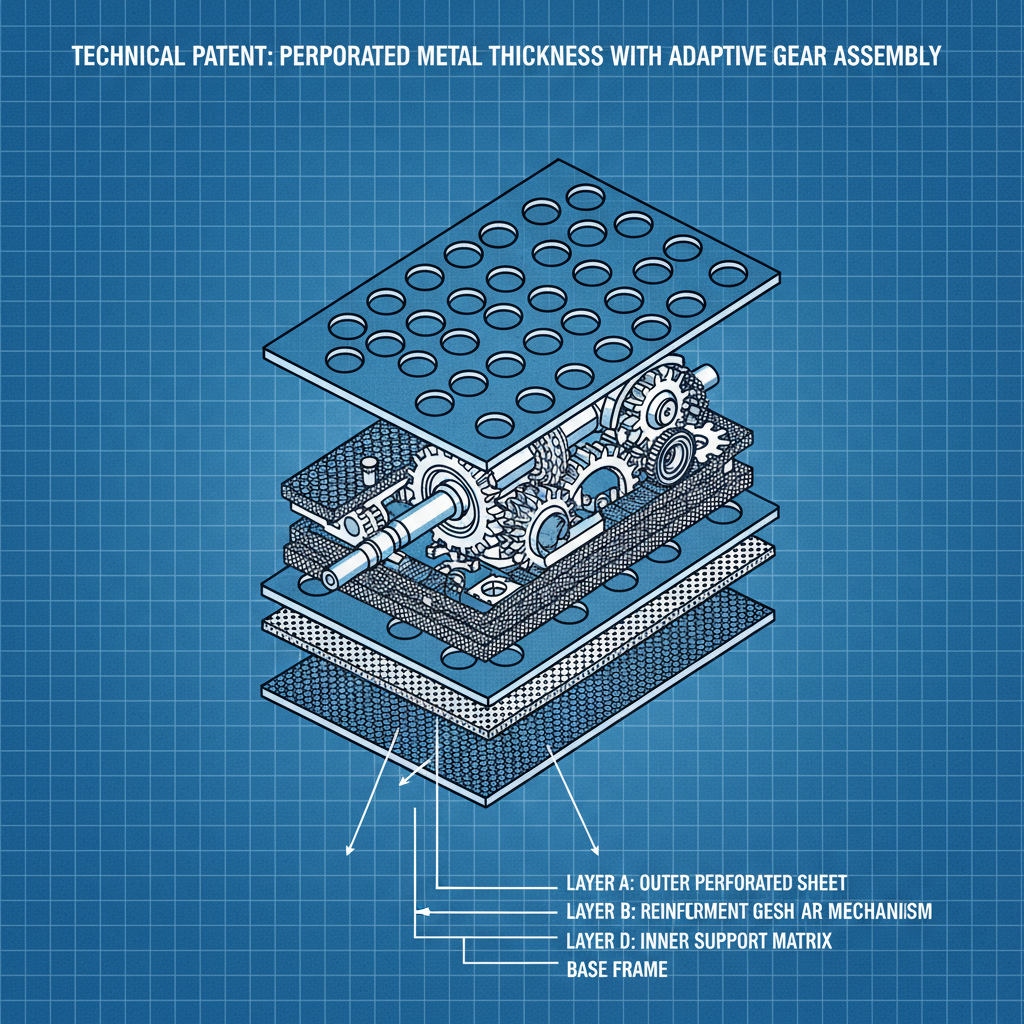
Selecting the ideal perforated metal thickness involves a systematic approach. First, define the application and its requirements, including load-bearing capacity, environmental conditions, and aesthetic considerations. Second, choose the appropriate material based on its properties and cost. Third, determine the required thickness based on the application's demands, referring to guidelines like the table above. Finally, consult with a reputable supplier like CC Metal Mesh to discuss your specific needs and ensure the chosen thickness meets your specifications.
Choosing the correct perforated metal thickness is paramount for ensuring optimal performance, durability, and cost-effectiveness. By carefully considering the application requirements, material properties, and manufacturing processes, you can select the ideal thickness for your project. Partnering with a trusted supplier like CC Metal Mesh provides access to expert guidance and a wide range of options to meet your specific needs.
The typical thickness tolerance for perforated metal is +/- 0.05mm to +/- 0.1mm, depending on the material, manufacturing process, and the supplier's capabilities. Higher precision tolerances may be achievable but often come at an increased cost. It's crucial to specify your required tolerance when placing an order to ensure the material meets your specifications. CC Metal Mesh maintains stringent quality control to deliver consistent and accurate thicknesses.
Generally, adjusting the thickness of perforated metal after fabrication is not practical. Once the perforations are created, altering the thickness would compromise the structural integrity and dimensional accuracy. Therefore, it's essential to specify the correct thickness during the initial ordering process. If adjustments are needed, it’s best to rework the entire sheet or consider a different manufacturing approach.
The perforation pattern significantly influences the strength of the metal. Larger holes and higher hole densities generally reduce the overall strength. The arrangement of the holes also plays a role; staggered patterns tend to offer better strength retention than straight-line patterns. The material thickness is crucial to compensate for these strength reductions and maintain the necessary structural integrity for the application.
Thicker perforated metal typically has a higher cost due to increased material usage and more demanding fabrication processes. Cutting and perforating thicker materials requires more energy and specialized tooling. However, the increased durability and strength may offset the higher upfront cost in the long run, particularly for applications requiring long-term reliability and resistance to wear and tear.



![$item[alt]](https://images.exportstart.com/images/a1393/cc-7691.webp "$item[title]")