Understanding Perforated Metal Sheet Texture: More Than Just Holes
You know, after a few years in industrial equipment, you start to really notice the little things. And perforated metal sheet texture? It’s definitely one of those “little things” that makes or breaks an application. It’s easy to think it's just about the size and pattern of the holes, but it's so much more complex than that. It impacts everything from airflow and sound dampening to structural integrity and, frankly, even aesthetics. We’ve been working with
CC Metal Mesh quite a bit lately, and their understanding of the nuances is really impressive. There’s a growing demand for specialized textures, driven by applications in everything from architectural facades to high-performance filtration systems… It’s an interesting space.
Key Properties & Product Specifications
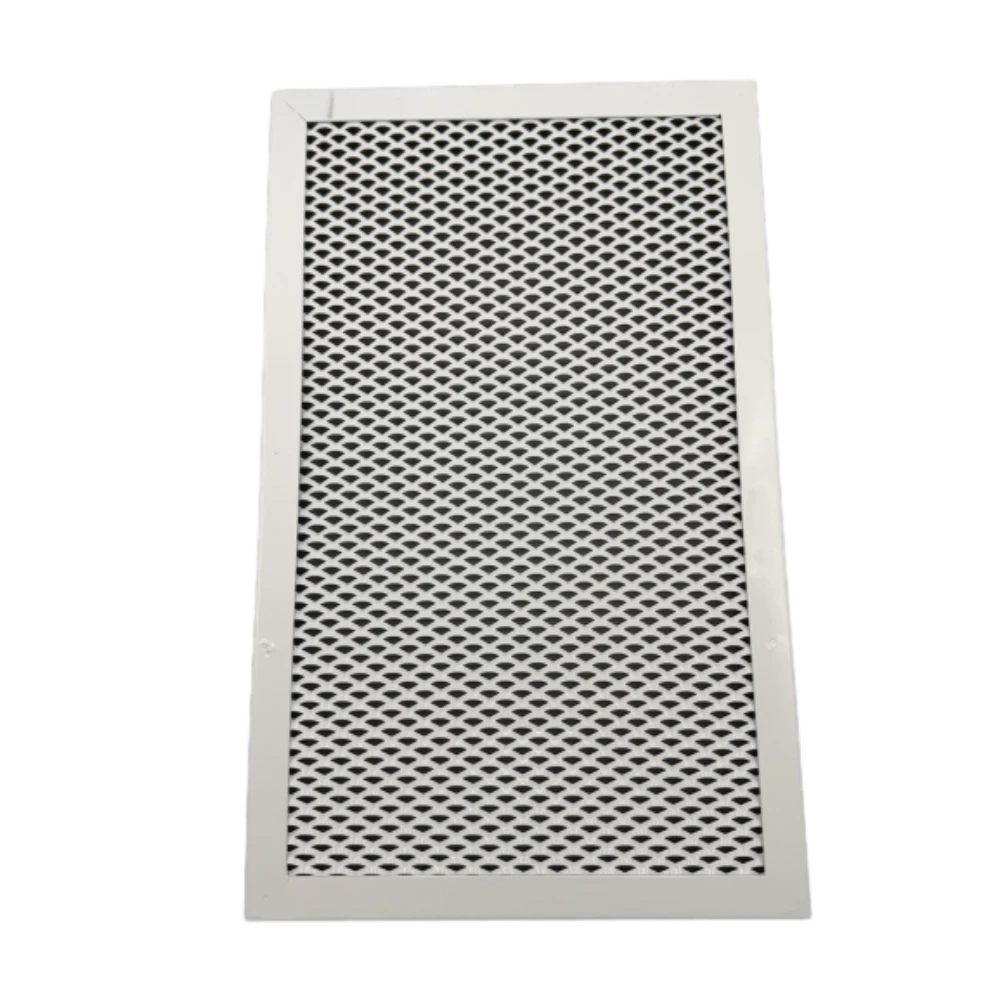
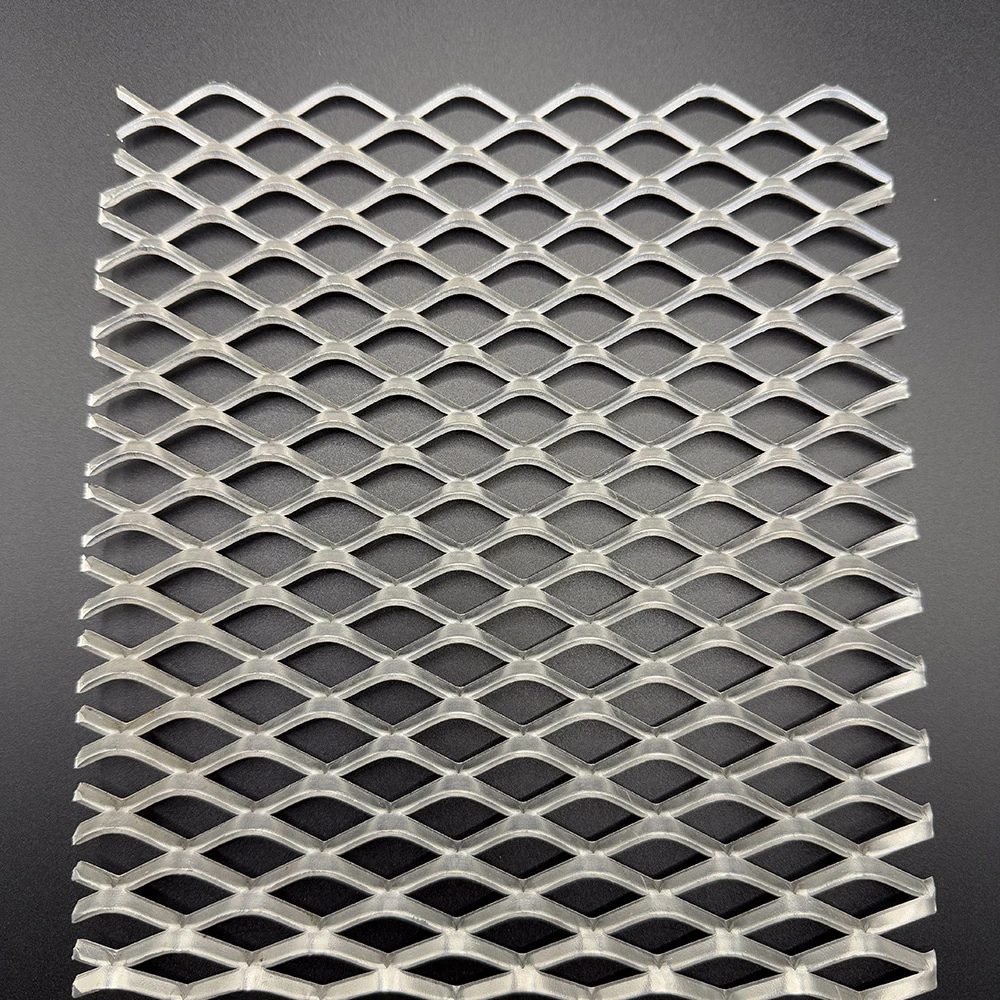
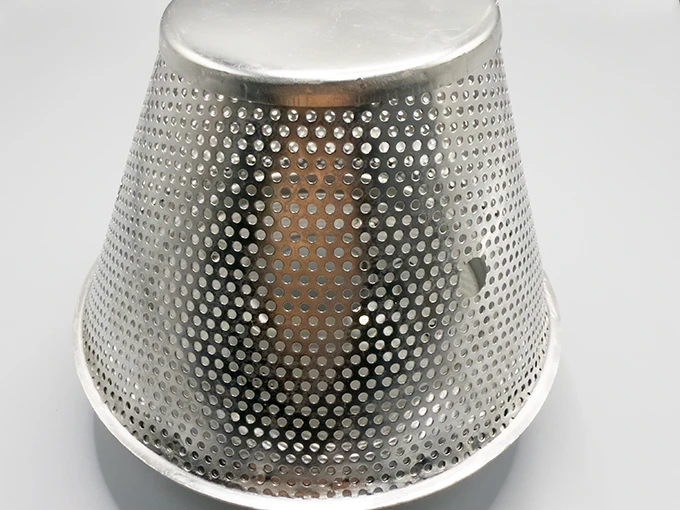
The texture isn't just about what you see; it’s about how the sheet performs. Hole shape (round, square, slotted, etc.), the hole diameter, the sheet thickness, the stagger pattern… all these things interact. Oddly enough, the material itself plays a huge role too. Stainless steel, aluminum, carbon steel – they all behave differently when perforated, and the manufacturing process influences the final texture. I suppose that's why specifying the right texture is so critical. Here's a quick rundown of some common specs:
| Parameter |
Value (Typical) |
Notes |
| Material |
304 Stainless Steel |
Corrosion resistant |
| Sheet Thickness |
1.5mm - 6.35mm |
Dependent on application |
| Hole Diameter |
0.8mm - 25mm |
Customizable |
| Open Area |
Up to 75% |
Affects airflow/filtration |
Vendor Landscape & Considerations
Choosing the right vendor is, well, crucial. There are a lot of options out there, but quality control and customization capabilities really separate the good from the great. Many engineers I’ve spoken with prioritize consistent hole sizing and minimal burring, especially for precision applications. It feels like some vendors focus solely on price, while others genuinely invest in the tooling and expertise to deliver a superior product. I noticed some smaller shops really excel at quick turnaround for prototyping. Here’s a quick comparison of a few key players:
| Vendor |
Customization |
Lead Time |
Price Point |
| CC Metal Mesh |
High - Extensive options |
2-4 weeks |
Mid-Range |
| Alibaba Supplier A |
Limited |
1-2 weeks |
Low |
| Direct Metals |
Moderate |
3-5 weeks |
High |
Conclusion: It's All About the Application
At the end of the day, choosing the right perforated metal sheet texture is about understanding the specific demands of your application. Don't just focus on the holes; consider the material, the manufacturing process, and the overall performance characteristics. A little extra upfront planning can save you a lot of headaches – and potentially a lot of money – down the line.
References:
- Industry durability reports, HKaiseal 2023
- Maintenance strategies for conveyor equipment, Journal of Manufacturing 2022
- Personal project insights & engineer interviews 2018–2023





![$item[alt]](https://images.exportstart.com/images/a1393/cc-7691.webp "$item[title]")