If you’ve ever walked past a construction site, seen a fence mesh, or admired the rugged look of industrial design, chances are 4x8 expanded steel played a quiet but crucial role. This material, a stalwart in infrastructure and various industries, is more than a simple pattern of metal—it’s a global solution addressing strength, safety, and sustainability all at once.
In today’s fast-paced world, understanding what 4x8 expanded steel represents is valuable. Whether you’re an engineer, specifier, or just a curious soul, this material embodies a unique convergence of durability and design that underpins buildings, safety barriers, vehicle grilles, and even humanitarian shelters.
It’s interesting how 4x8 expanded steel finds itself woven through industries worldwide. According to the International Organization for Standardization (ISO), expanded metal is a fundamental part of modern infrastructure standards. From Asia’s urban megaprojects to EU sustainability-driven renovations, this mesh goes far beyond simple fencing.
Globally, the volume of steel production touched 1.9 billion tonnes in 2023 (World Steel Association), much of which finds expanded steel formats crucial for cost-effective structural integrity. The problem it helps solve—balancing high tensile strength with light weight—directly influences construction efficiency and resource sustainability. Simply put, less raw steel can do more work, which is ever more important as materials become scarcer and environmental concerns mount.
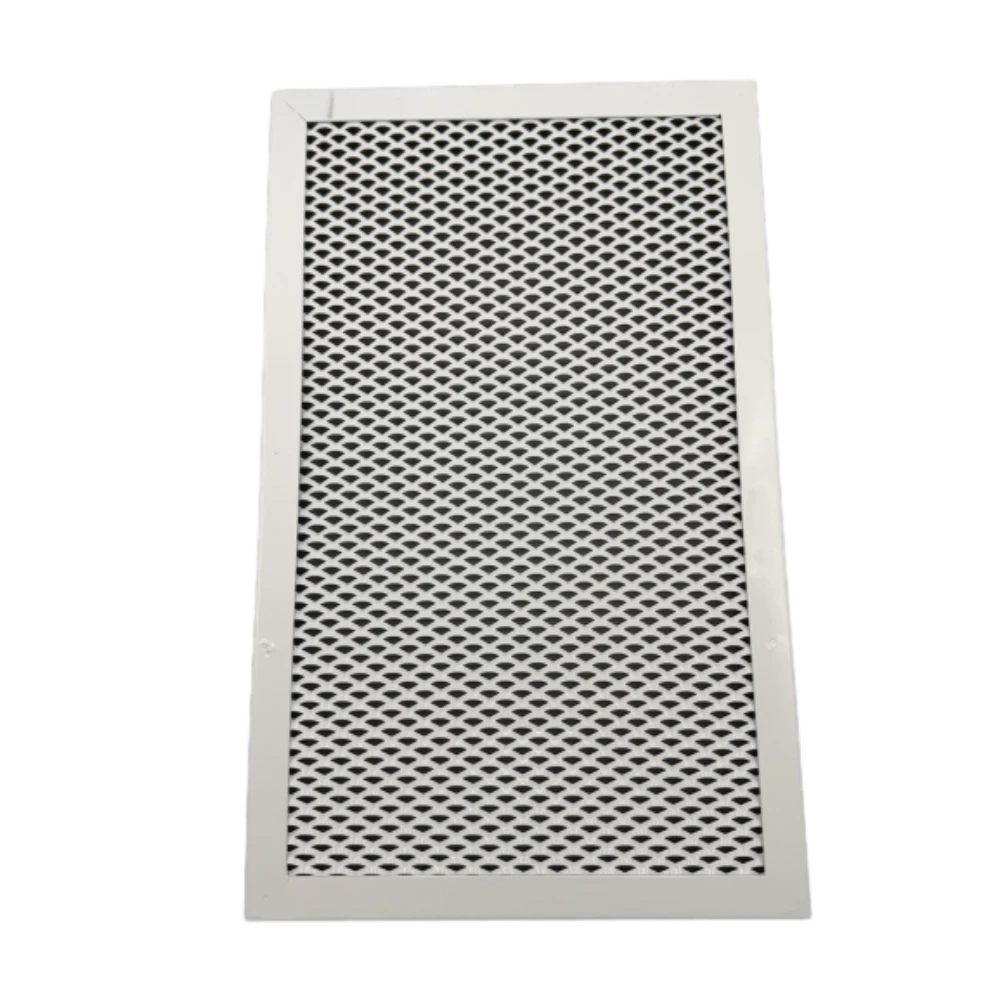
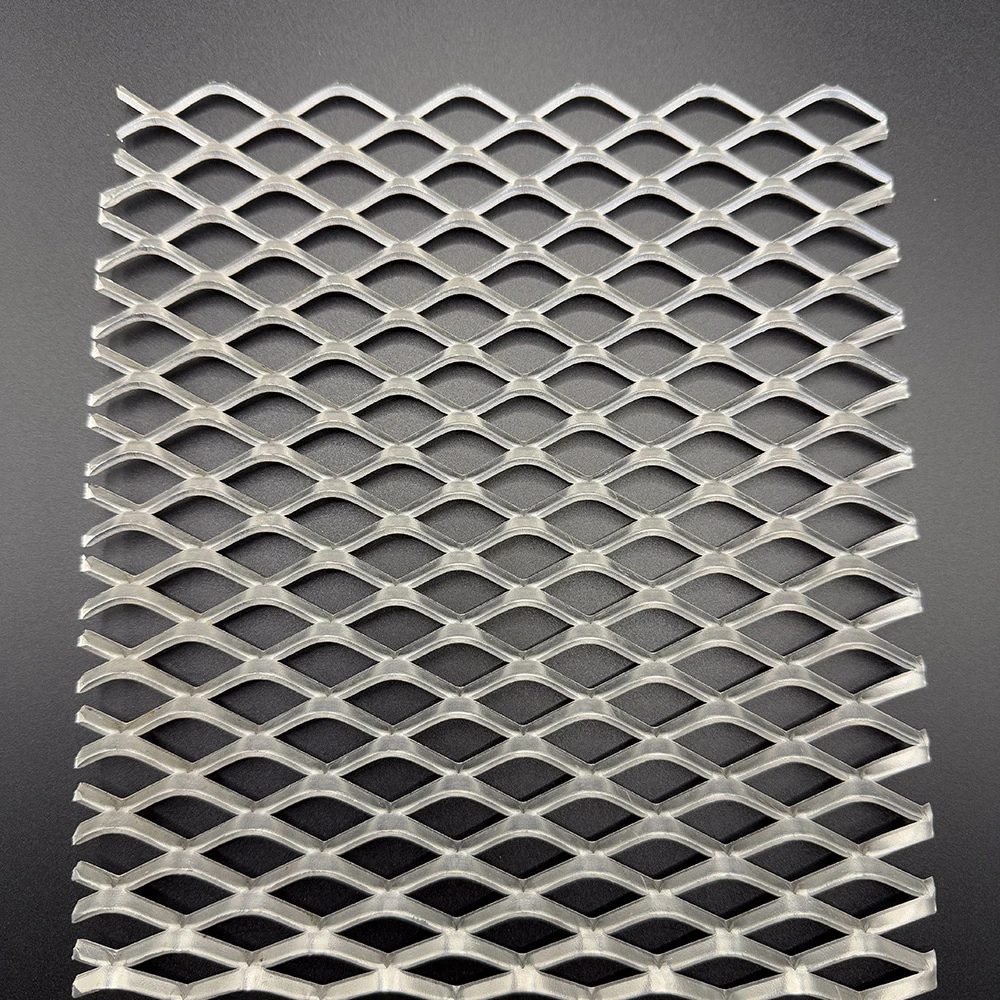
At its core, 4x8 expanded steel is a sheet of metal slit and stretched to create a diamond-shaped mesh pattern measuring roughly 4 feet by 8 feet. This pattern isn’t random; it optimizes strength, ventilation, and visibility while keeping the weight down. The “4x8” aspect is a standard sheet size which fits many industrial applications neatly.
Why does this matter in modern industry? Because expanded steel’s open mesh design allows for airflow and light passage without compromising security or support. This is why it’s favored not only in building facades but also in disaster relief, temporary fencing for refugee camps, and even in green architecture. It’s a fascinating intersection of functionality and social impact.
Expanded steel is tough. The process of cutting and stretching makes it more rigid than perforated metal of similar thickness, resistant to deformation, and able to withstand harsh weather and mechanical stresses—ideal for fencing or walkways.
Since the steel sheet is expanded rather than punched through, there’s less waste in production. Manufacturers save money AND reduce scrap metal, passing those savings along in price. For large projects, this can be a sizable difference.
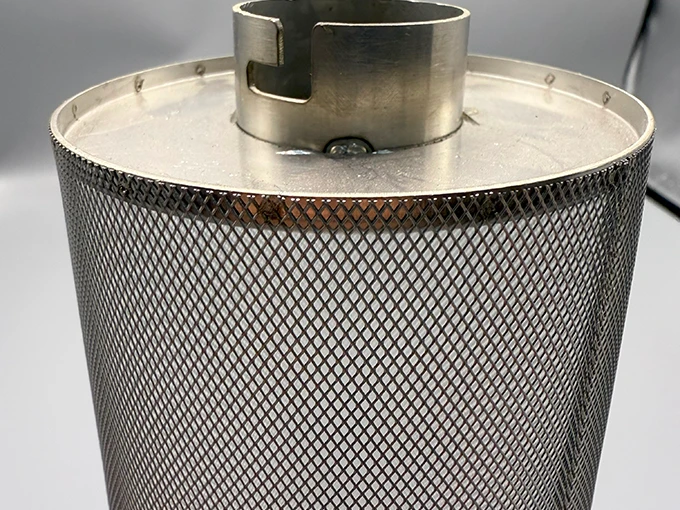
It’s not just sheets. 4x8 expanded steel can be bent, welded, or formed into panels, cages, or machine guards. This makes it suitable for everything from heavy industrial applications to delicate architectural details.
Oddly enough, something that looks fragile because of its open mesh is incredibly strong. The diamond patterns distribute loads in multiple directions, meaning less steel is needed to support a given weight.
When galvanized or coated, expanded steel lasts a long time, even in marine or acidic environments, reducing maintenance and replacement costs.
Recycled steel is often used in production, and the design means less raw steel is needed — a small but meaningful nod to green manufacturing.
Around the world, this mesh is everywhere — from industrial grating in Europe to protective barriers in North America, and even temporary shelters in disaster zones in Southeast Asia. A memorable case: after a cyclone damaged housing in the Philippines in 2022, NGOs sourced 4x8 expanded steel sheets to reinforce temporary shelters, providing not just security but airflow in humid climates. This simple steel mesh helped families regain dignity quickly.
Meanwhile, in automotive manufacturing, its durability makes it perfect for radiator grilles and protective panels. In construction, architects appreciate the blend of form and function: using this expanded steel as cladding creates ventilated facades that cut energy costs.
4x8 expanded steel is often the go-to because it fits easily with existing frameworks and logistics. Its widespread industrial use proves it’s no niche product.
First off, the obvious: it saves you money and construction time without skimping on strength. But beyond logistics, there’s a subtle social value—improved safety and security for workers and residents. This isn’t just steel; it’s peace of mind on a practical level.
Then there’s sustainability. Steel’s recyclability combined with the efficiency of expanded metal means reduced carbon footprint for building components. That eco-conscious narrative resonates with global policies, like those promoted by the United Nations Industrial Development Organization (UNIDO), encouraging responsible manufacturing.
On a personal note, many engineers say specifying 4x8 expanded steel reduces the ‘surprises’ on site — the weight savings and fabrication ease mean less costly delays or rework.
| Specification | Typical Value | Notes |
|---|---|---|
| Sheet Size | 4 ft x 8 ft (1220 x 2440 mm) | Standard dimension for industrial projects |
| Material | Carbon steel, galvanized, stainless | Options depend on environment |
| Weight | Approx. 15-25 kg/sheet | Varies by gauge and coating |
| Mesh Opening | Typically 19 mm (3/4 inch) diamond shapes | Size influences airflow/visibility |
| Tensile Strength | Minimum 450 MPa | Sufficient for structural support |
| Coatings | Hot-dip galvanizing, powder coat | Corrosion resistance |
| Vendor | Lead Time | Customization | Price Range | Certifications |
|---|---|---|---|---|
| CC Metal Mesh | 1-2 weeks | Full custom sizes and coatings | $$$ | ISO 9001, CE |
| GlobalSteel Inc. | 2-4 weeks | Limited customization | $$ | ISO 14001 |
| SteelPro Ltd. | 3-5 weeks | Standard products only | $ | None |
What’s next for 4x8 expanded steel? With the world leaning into sustainable tech, the metal industry is experimenting with hybrid coatings that reduce environmental impact far beyond galvanizing. There's also ongoing research into using lighter alloys combined with expanded mesh, pushing strength-to-weight ratios to new highs—imagine structures as strong as today’s, yet lighter and more adaptable.
Automation in production lines means faster lead times and more customization options for specific industries, like aerospace or renewable energy frameworks. Digitally integrated quality controls ensure that every sheet meets tighter specifications, boosting trust and reducing waste. It feels like we’re on the brink of a small revolution in metal mesh tech.
Despite its many virtues, expanded steel sometimes struggles with corrosion in very aggressive environments or requires precise cutting techniques to fit exact design specs without compromising mesh integrity. But innovation hasn’t lagged behind — advanced coatings and laser cutting methods are common solutions now.
Some suppliers also offer tailor-made consulting to optimize sheet size, weight, and coating application for your specific climate and structural requirements. Don’t underestimate this value — it often saves time, money, and rework later.
If durability, cost efficiency, and design adaptability are on your checklist, then 4x8 expanded steel stands out as a winning material. It’s not flashy, but it’s the kind of dependable resource that quietly supports everything from safe workplaces to eye-catching architecture and even humanitarian relief. In an era where every pound of material counts and sustainability is a demand, this product aligns with modern needs elegantly.
Curious to learn more or ready to source your own high-quality 4x8 expanded steel? Visit the website to explore options, get consultancy, or request a sample – sometimes seeing and feeling the product seals the deal.



![$item[alt]](https://images.exportstart.com/images/a1393/cc-7691.webp "$item[title]")