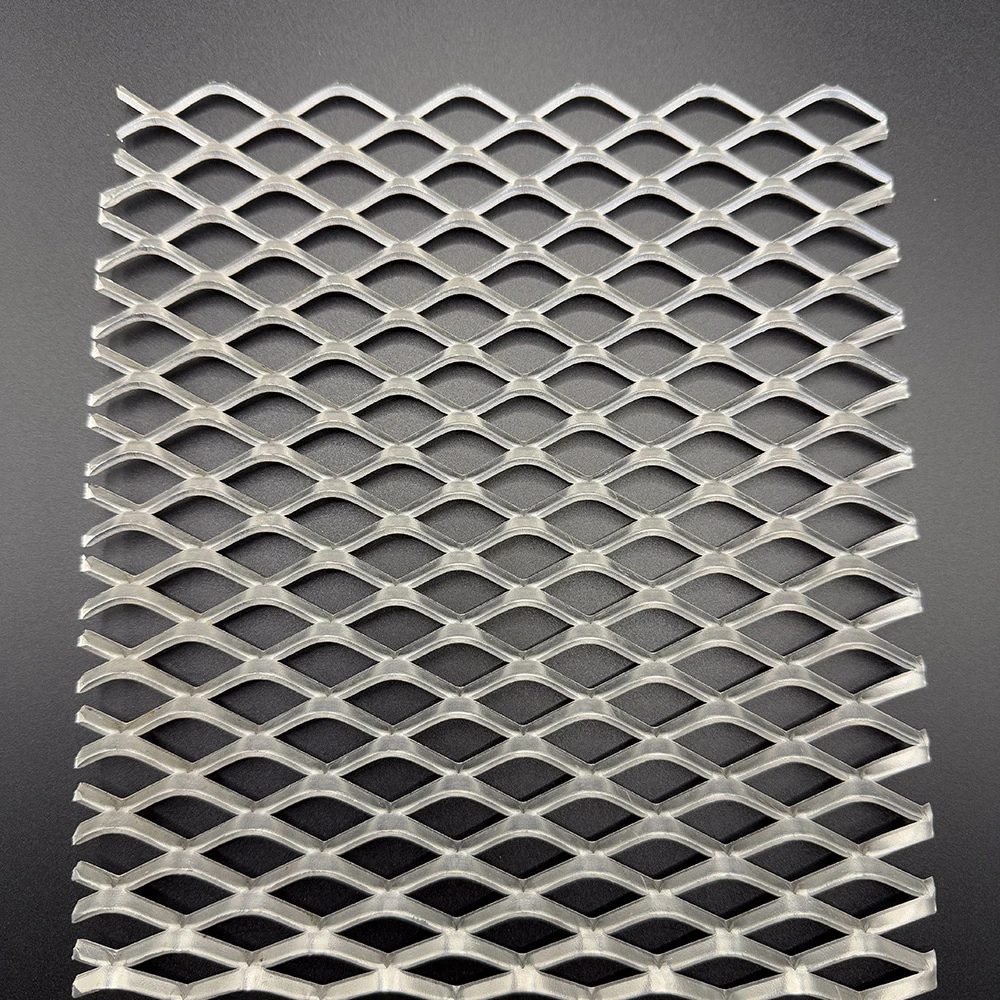
At first glance, “expanded metal 3mm” might sound like a niche technical term, but in reality, it’s a tiny marvel quietly underpinning countless industries worldwide. Expanded metal is essentially sheet metal that has been cut and stretched to form a mesh pattern, with the “3mm” typically indicating the thickness of the material or strand size. That thin but tough mesh offers a blend of durability, versatility, and cost-effectiveness—traits that make it invaluable not only in massive construction projects but also in critical humanitarian applications.
Why should anyone outside supply chains or industrial design care? Well, consider the way this material helps solve logistical puzzles, improves safety protocols, and even plays a role in sustainability. Understanding its role helps us appreciate how something seemingly small powers big solutions.
Globally, the metal mesh sector is quietly booming. According to ISO and World Bank data, industrial meshes see a consistent 3-5% growth annually, driven by infrastructure expansion, urban renewal, and heightened safety standards. Expanded metal in particular is gaining traction because it’s lighter than welded wire mesh but just as strong. In emerging markets, where rapid construction and durability are paramount, expanded metal 3mm serves as a cost-effective bridge between quality and affordability.
Still, there’s a problem: demand is sometimes constrained by inconsistent quality or limited regional availability. Logistics, material sourcing, and fabrication expertise can be patchy — especially in remote zones or post-disaster settings. This is where standardized, adaptable expanded metal makes a real difference.
To demystify: “expanded metal” starts as a solid sheet but is then slitted and stretched to create a mesh of diamond-shaped holes. The “3mm” specification often refers to strand thickness or nominal thickness, influencing strength and flexibility. Unlike welded mesh, there are no joints, which means fewer weak points, making it resilient under strain.
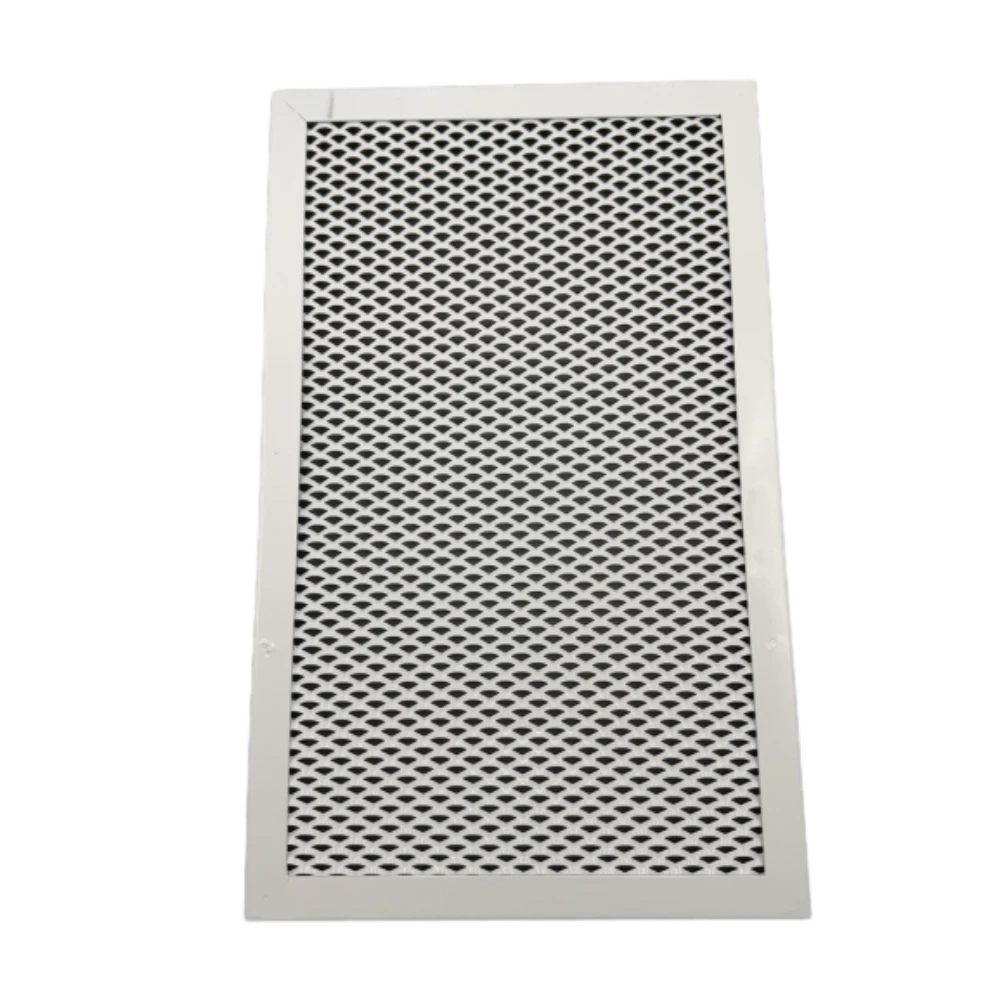
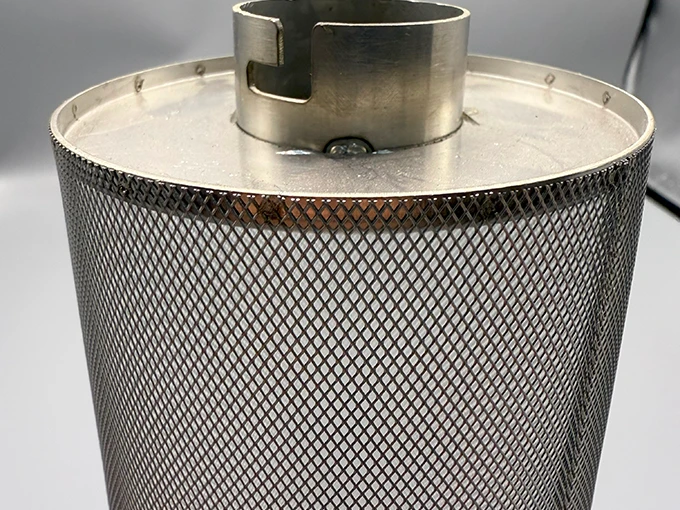
This mesh has adapted from simple fencing and ventilation panels to modern architectural facades, filtering layers, and reinforcement in concrete. Its role isn’t merely functional—it also responds to humanitarian needs, like creating secure yet breathable enclosures in temporary shelters or protective coverings where infrastructure is sparse.
This mesh resists impact, corrosion (when alloyed or coated), and fatigue. That’s especially crucial in harsh industrial environments, where maintenance downtime is costly. The 3mm thickness balances robustness with weight savings.
From tiny sheets used in electronics racks to kilometers-long fencing, the modular nature of expanded metal means it’s easy to produce, transport, and install across varied scales.
By expanding rather than welding, manufacturers minimize waste—one of the great appeals. Plus, lighter weight means less freight expense and easier handling in remote locations.
The mesh design allows air and light to pass through, improving ventilation without sacrificing security or structural integrity, useful in everything from building facades to industrial platforms.
Manufacturers can tweak strand width, mesh size, and material type (steel, aluminum, stainless steel) tailored to specific needs, whether corrosion resistance for marine environments or weight reduction in aerospace.
Expanded metal 3mm is much more than “just metal with holes.” It’s a durable, smartly designed material that adapts to multiple industries, cutting cost and increasing efficiency. It addresses real-world challenges — from building secure spaces to enabling airflows critical to safety.
In real life, this mesh is everywhere, often unnoticed.
For instance, in Southeast Asia’s flood-prone regions, NGOs install lightweight expanded metal around emergency housing, balancing sturdiness with rapid deployment needs. Meanwhile, in Europe, architects use it as an aesthetic, sustainable facade, improving building insulation.
This mesh’s global footprint proves it’s a versatile, trusted solution from the dusty plains of humanitarian zones to the sleek corridors of corporate headquarters.
| Attribute | Specification | Typical Use |
|---|---|---|
| Material | Mild Steel / Stainless Steel / Aluminum | Depends on corrosion & strength requirements |
| Thickness | 3mm (strand thickness) | Standard strength/weight balance |
| Mesh Opening Size | 10x20mm (variable as needed) | Ventilation, security |
| Weight | 4.2 kg/m² (approx.) | Lightweight for transport & install |
| Coating Options | Galvanized, Powder Coat, Anodized (for aluminum) | Corrosion resistance & aesthetics |
| Vendor | Materials Offered | Customization Range | Typical Lead Time | Global Shipping |
|---|---|---|---|---|
| CC Metal Mesh | Steel, Stainless Steel, Aluminum | Mesh size, thickness, coatings | 2-4 weeks | Yes (Worldwide) |
| GlobalMesh Co. | Steel, Aluminum | Limited to standard sizes | 3-5 weeks | Regional only |
| MeshPro Solutions | Stainless Steel only | High customization, specialty meshes | 4-6 weeks | Global |
The tangible benefits are clear: cost savings through material efficiency, longevity with corrosion-resistant coatings, and increased safety in various infrastructures. Many engineers say the emotional reassurance of “knowing the structure won’t fail” is priceless — it builds trust with clients and communities alike.
Fitting into sustainability efforts, this mesh can be fully recycled and sometimes made from recycled steel, reducing its environmental footprint. In humanitarian contexts, safer shelters enhance human dignity, something too often overlooked in dry statistics. I find it compelling how a 3mm thick sheet of expanded metal can support such innovation and hope—literally holding up walls and futures.
The demand for greener materials hints at future alloys and coatings that are more eco-conscious yet retain strength. Digital manufacturing improvements like laser-cutting expanded metal improve precision and open doors for custom architectural patterns.
Automation in mesh fabrication means faster delivery to even remote sites, easing challenges seen historically during disaster responses. Meanwhile, combining expanded metal with solar panels or “smart” surfaces (that monitor pollution or energy use) could redefine infrastructure integration in the next decade.
Common issues include rust vulnerability if unprotected and difficulties in sourcing precise mesh sizes locally. Yet, ongoing R&D in polymer coatings tackles corrosion, and standardization efforts—like those from ISO—aim to unify specs globally. Localized fabrication hubs, powered by flexible CNC machinery, also cut lead times, bringing the product closer to end-users.
In the big picture, expanded metal 3mm strikes a rare intersection of affordability, flexibility, and reliability, addressing needs from industrial efficiency to emergency resilience. The more I’ve looked into it, the clearer it's that this material quietly supports our modern world’s infrastructure and innovation.
For anyone exploring metal mesh solutions, whether in architecture, safety, or aid relief, expanded metal 3mm stands as a reliable option backed by decades of proven performance and ongoing innovation.
Ready to explore how expanded metal 3mm can fit your project? Visit CC Metal Mesh to learn more, request samples, or get a custom quote.



![$item[alt]](https://images.exportstart.com/images/a1393/cc-7691.webp "$item[title]")