Look, I've spent the last twenty years on job sites – concrete dust in my lungs, steel-toe boots permanently scuffed. I’ve seen walkways built every way imaginable. And let me tell you, a solid, reliable expanded metal walkway isn't just about getting from point A to point B. It's about safety, efficiency, and frankly, keeping projects on schedule. We’re talking about minimizing risk for workers, streamlining material flow, and building something that lasts. It’s a foundational element, and a lot of folks underestimate just how crucial it is to get it right.
The demand for durable and quickly deployable walkway solutions is only growing. Globally, infrastructure projects are booming, particularly in emerging markets, and the need for safe access is paramount. According to the World Bank, investment in infrastructure in developing countries is projected to reach trillions in the coming years. But it's not just big projects. Even smaller construction sites, maintenance work, and industrial facilities are constantly searching for better, more efficient solutions. A poorly constructed or maintained walkway can lead to accidents, delays, and ultimately, increased costs.
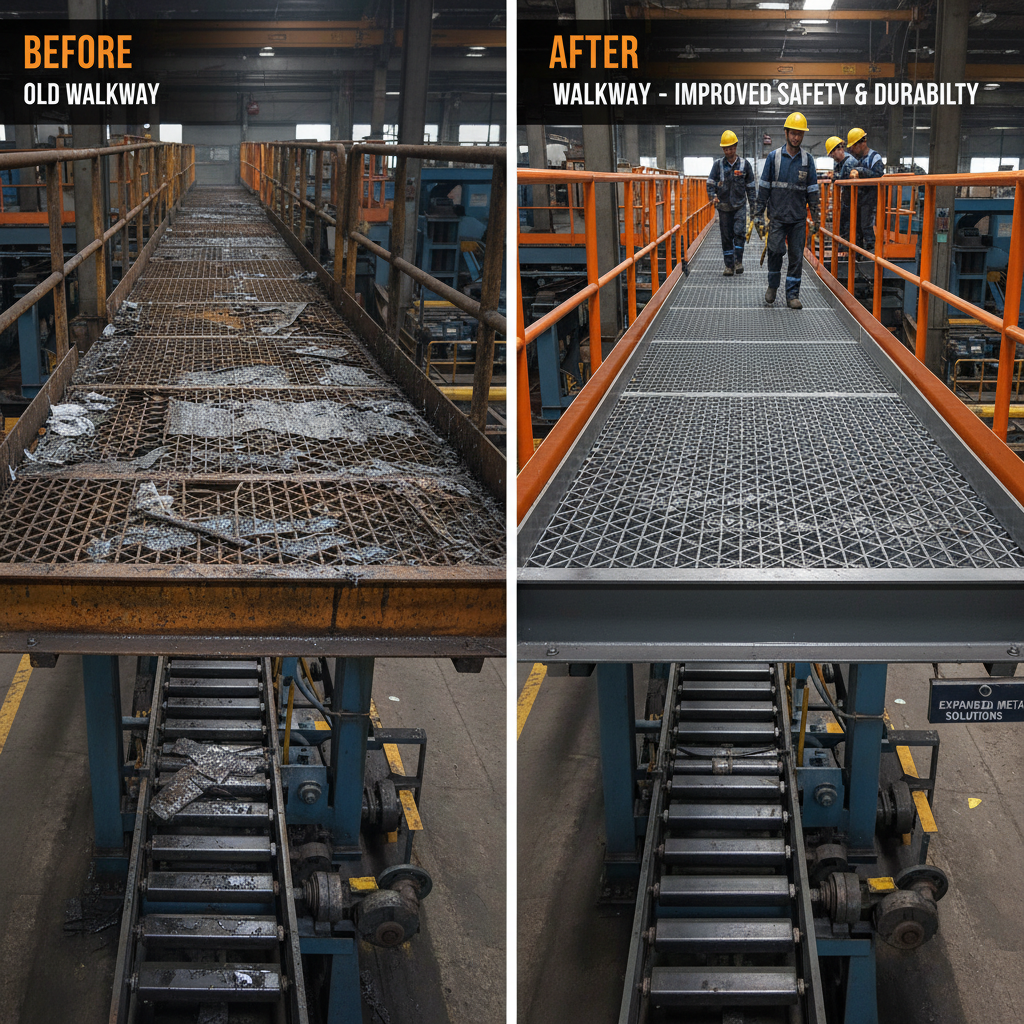
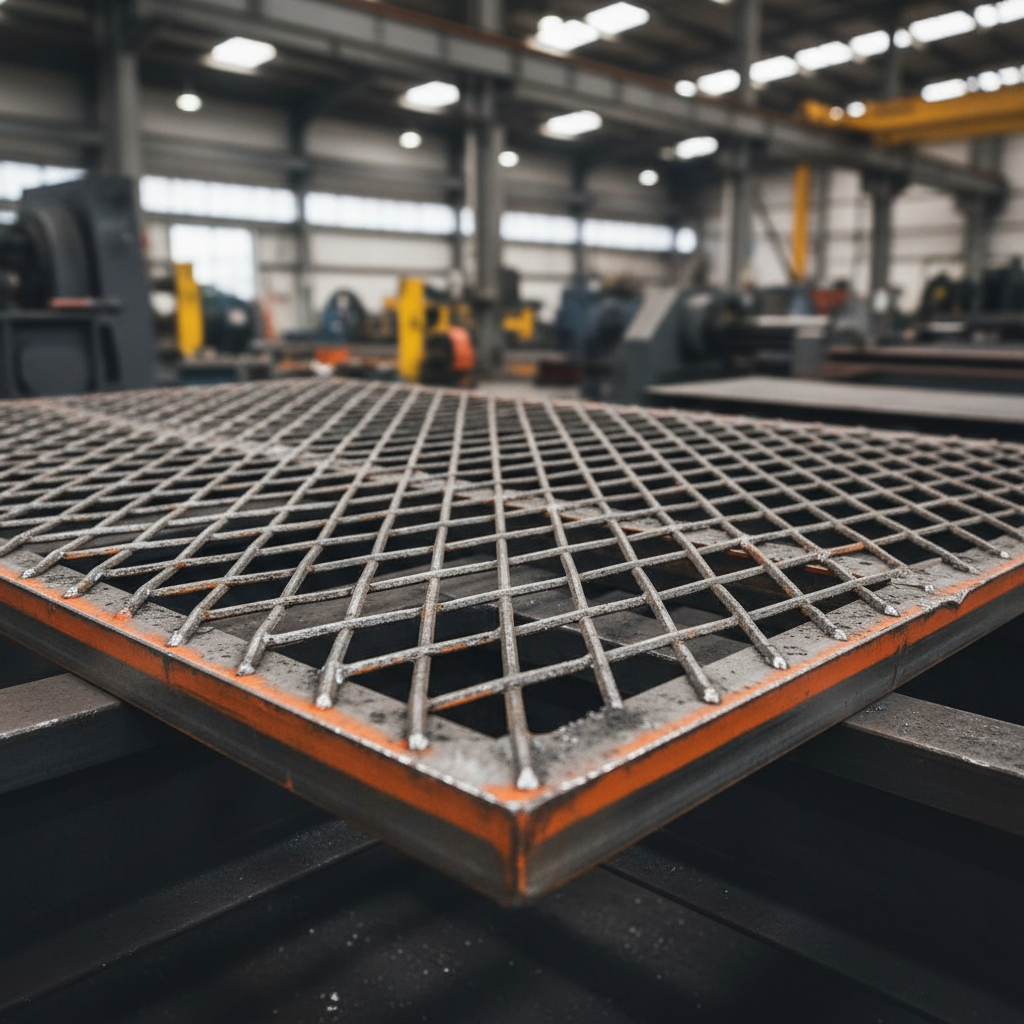
What is an expanded metal walkway? It’s not rocket science, but it’s smarter than a lot of what's out there. Essentially, it's a single piece of metal, typically steel or aluminum, that’s been slit and stretched to form a grid pattern. This creates a strong, open surface that provides excellent traction and allows debris to fall through, minimizing buildup and reducing slip hazards. It's a step up from plywood and grating in terms of long-term durability and worker safety.
Key Factors of expanded metal walkway
First, durability. This stuff is tough. We're talking resistance to corrosion, impact, and the constant wear and tear of boots, equipment, and weather. You don't want to be replacing walkways every six months. Second, safety. The open grid design provides excellent traction, even when wet or oily, and prevents materials from accumulating, reducing trip hazards. That's a big one for liability. Then there’s ease of installation. I’ve seen crews lay down hundreds of feet of this stuff in a single shift, which keeps projects moving.
Finally, cost-effectiveness is huge. While the initial investment might be slightly higher than some alternatives, the long lifespan and minimal maintenance drastically reduce overall costs. And let’s not forget versatility. You can customize the mesh size and material to fit a wide range of applications, from heavy industrial facilities to temporary pedestrian walkways. Scalability is also key; you can easily expand or reconfigure a walkway as project needs evolve.
The Global Relevance of expanded metal walkway
You see expanded metal walkways everywhere these days. In Europe, they're using it extensively for pedestrian bridges and access platforms in historic cities, prioritizing both safety and aesthetic integration. Across Asia, with massive infrastructure development happening, it's critical for providing safe access on construction sites and in factories. In North America, it’s become the standard for many oil and gas facilities, power plants, and wastewater treatment plants. According to OSHA, falls are one of the leading causes of workplace injuries and fatalities in the construction industry.
What’s driving this global demand? Simple: a growing focus on worker safety and a need for efficient, long-lasting infrastructure. The ISO 45001 standard for occupational health and safety management systems is pushing companies worldwide to improve their safety protocols, and using reliable walkway systems is a key component. Plus, the cost of downtime due to accidents or repairs is significant, making preventative measures like investing in quality walkways a smart business decision.
Even in humanitarian aid scenarios, expanded metal walkways are proving invaluable. After natural disasters, they provide a stable, quickly deployable surface for emergency responders and aid workers to access affected areas and distribute supplies. It’s not glamorous, but it’s vital work, and having a safe and reliable pathway can make all the difference.
Understanding expanded metal walkway: A Deep Dive
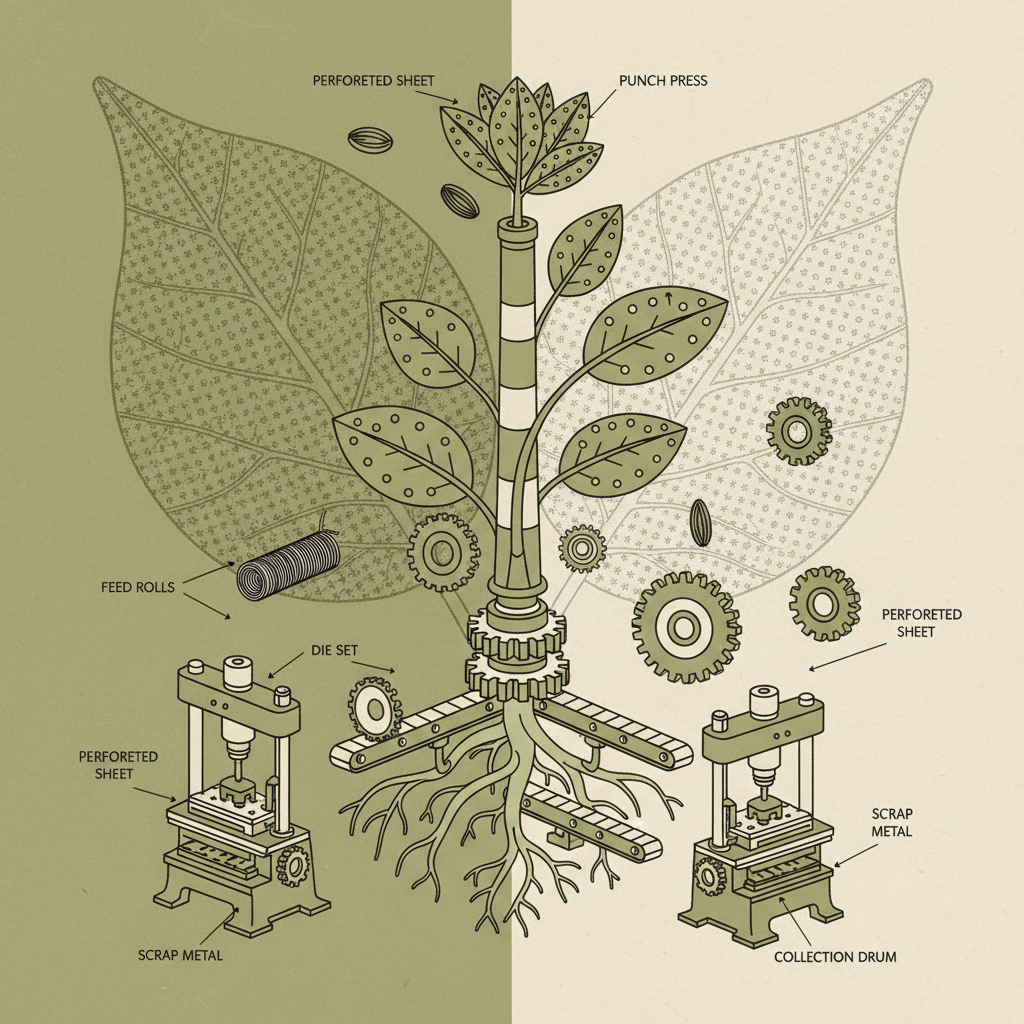
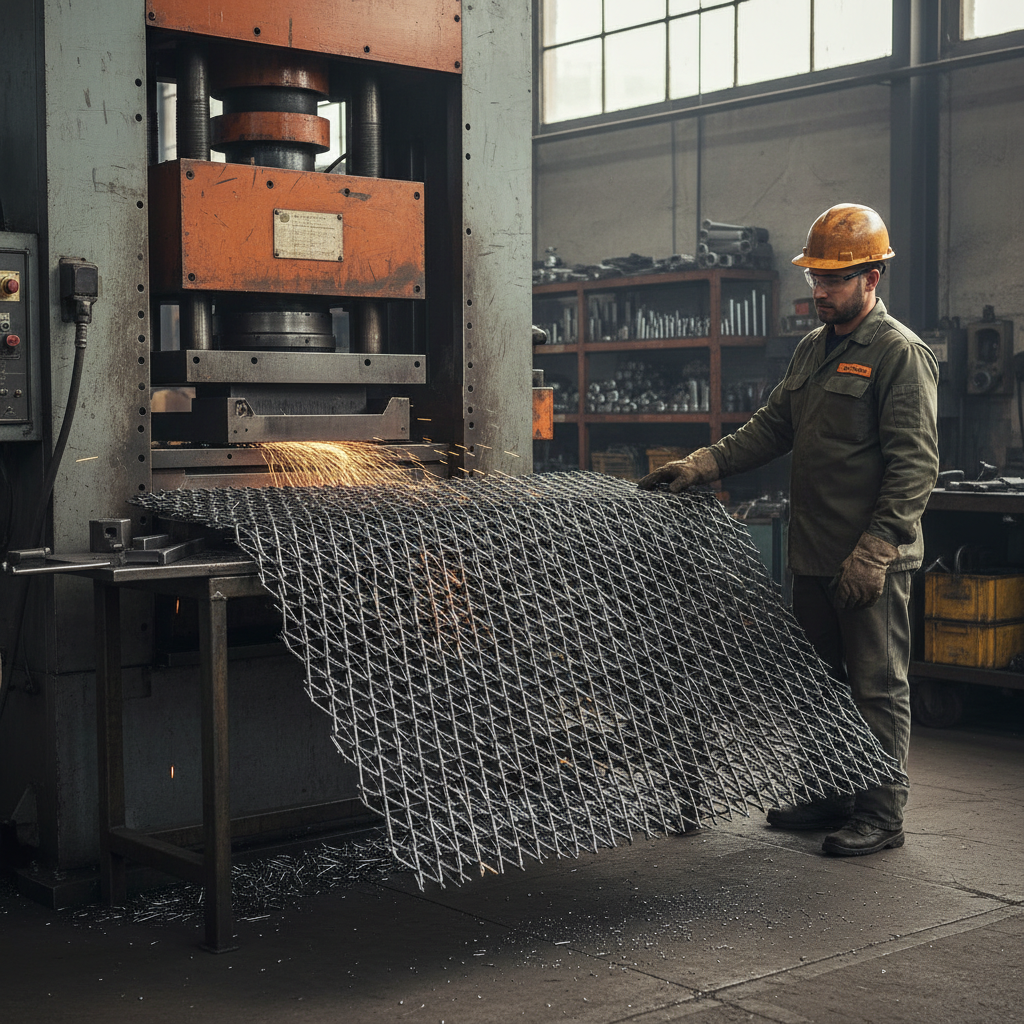
So, how is it made? The process starts with a sheet of metal, usually carbon steel, stainless steel, or aluminum. This sheet is then fed into a machine that slits the metal and simultaneously stretches it, creating that characteristic grid pattern. The size of the openings in the grid (the "long pitch" and "short pitch") determines the load-bearing capacity and the amount of traction. Different manufacturing processes impact the overall quality – you want a consistent, well-defined pattern without any sharp edges or burrs.
It’s not just about the metal itself. The surface treatment is critical. Galvanization, for example, adds a layer of zinc that protects against corrosion. Powder coating provides additional protection and can be customized with different colors for safety or aesthetic purposes. I've seen walkways fail prematurely because of inadequate surface protection – it’s a false economy to cut corners here. Proper maintenance, like regular cleaning and inspection, is also essential to maximize lifespan.
The connection to modern industry is clear. Expanded metal walkways are integral to sectors like oil & gas, power generation, chemical processing, and construction. They provide safe and efficient access for maintenance, inspection, and operation of critical infrastructure. And with the increasing emphasis on automation and robotics in these industries, having a stable and reliable walkway is even more important for supporting the movement of automated equipment.
Expanded Metal Walkway: Performance Metrics
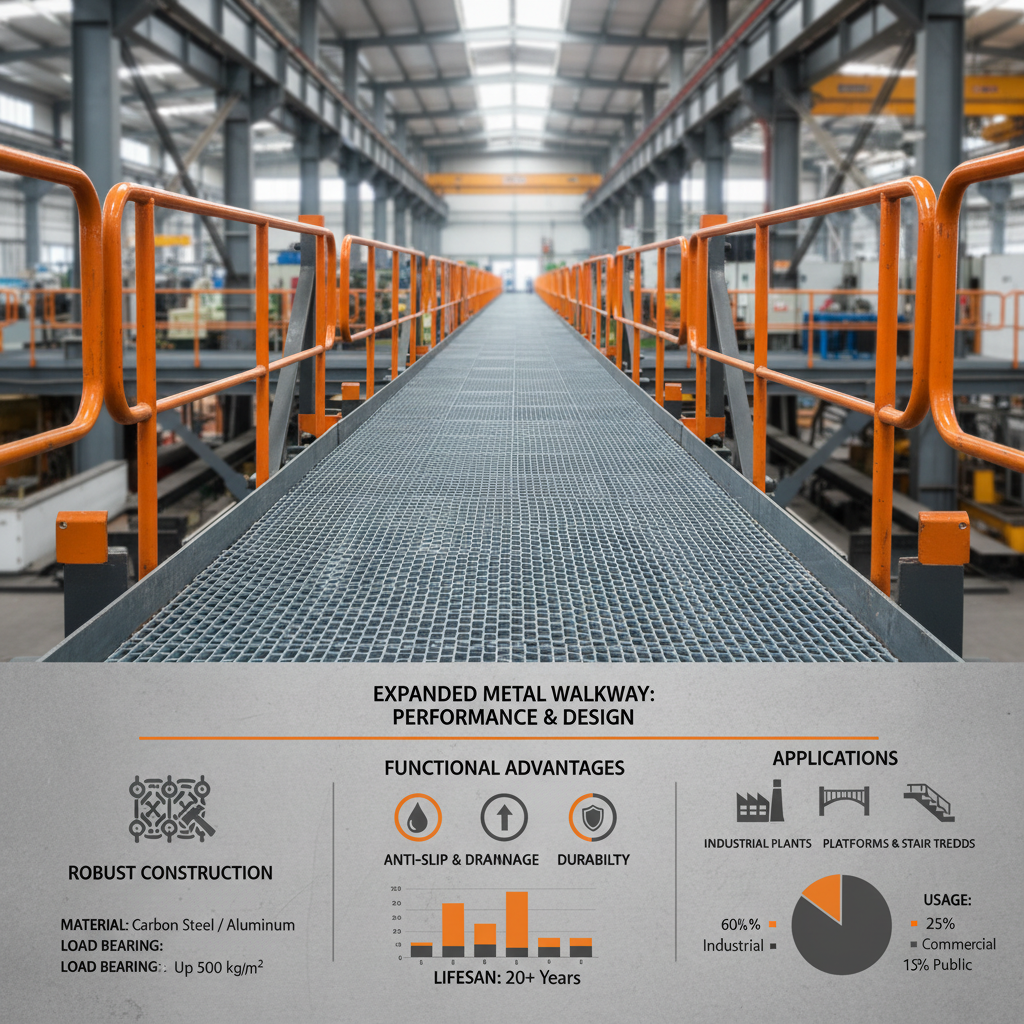
Let’s talk numbers. When evaluating different expanded metal walkway options, several key performance metrics come into play. Load capacity is paramount – you need to know how much weight the walkway can safely support. Slip resistance is another critical factor, especially in wet or oily environments. Corrosion resistance determines how well the walkway will withstand exposure to harsh chemicals or saltwater.
We also look at impact resistance to assess its ability to withstand accidental drops or impacts. And finally, ease of maintenance is a significant consideration – how much effort is required to keep the walkway clean and safe?
expanded metal walkway Performance Comparison
Real-World Applications of expanded metal walkway
I've seen these walkways in operation across a huge range of industries. In oil refineries, they’re used extensively for access to process equipment and tanks, often in hazardous areas where slip resistance is paramount. In power plants, they provide safe walkways around turbines and generators. In wastewater treatment facilities, they're used for access to clarifiers and filtration systems.
Even in architectural applications, expanded metal walkways are gaining popularity, offering a modern and industrial aesthetic while providing a functional and safe surface. They're also increasingly used in temporary applications, such as pedestrian walkways at construction sites and event venues.
Long-Term Advantages of expanded metal walkway
Investing in a quality expanded metal walkway isn’t just about immediate safety; it’s about long-term value. Lower maintenance costs are a huge benefit. You’re not constantly patching and replacing like you are with wood or fiberglass. The extended lifespan reduces the total cost of ownership. Plus, a well-maintained walkway contributes to a safer work environment, reducing the risk of accidents and associated costs like worker’s compensation claims.
Beyond the tangible benefits, there’s a psychological impact. Workers feel safer and more confident when they have a secure and reliable walkway beneath their feet. That translates to increased productivity and a more positive work environment. It builds trust with your workforce—they know you’re investing in their safety and well-being.
Future Trends and Challenges for expanded metal walkway
We're seeing a move towards lighter-weight, high-strength alloys, like aluminum, to reduce installation costs and improve portability. Smart walkways, incorporating sensors to detect weight, movement, or environmental conditions, are also on the horizon. These sensors could provide real-time data on walkway integrity and alert maintenance teams to potential problems. There's also increasing demand for sustainable materials and manufacturing processes.
One challenge is addressing the potential for corrosion in highly corrosive environments. Continued advancements in surface coatings and material science are needed to combat this. Another challenge is developing standardized installation procedures to ensure consistent quality and safety. And finally, educating workers on proper walkway maintenance and safety protocols is crucial to maximizing its lifespan and effectiveness.
Looking ahead, I see expanded metal walkways playing an even more significant role in building safer, more efficient, and more sustainable infrastructure. The key is to embrace innovation and continue to push the boundaries of what’s possible.
Table Summarizing expanded metal walkway Performance Across Different Materials
| Material Type |
Corrosion Resistance (1-10) |
Weight (lbs/sq ft) |
Cost (per sq ft) |
| Carbon Steel |
4 |
2.5 |
$3 |
| Stainless Steel (304) |
8 |
3.2 |
$8 |
| Aluminum (6061) |
7 |
1.8 |
$6 |
| Galvanized Steel |
6 |
2.6 |
$4 |
| Stainless Steel (316) |
9 |
3.5 |
$12 |
| Aluminum (5052) |
7.5 |
1.9 |
$7 |
FAQS
The lifespan really depends on the material and the environment. Carbon steel, even with galvanization, might last 10-15 years with proper maintenance. Stainless steel, particularly 316, can easily exceed 25 years, and in some cases, even 50 years. Aluminum offers good longevity, around 20-30 years. Regular inspection and cleaning are crucial to maximizing lifespan, addressing corrosion or damage before it becomes a major issue. It’s not a “set it and forget it” situation, unfortunately.
The mesh size (long and short pitch) is determined by the anticipated load and the desired level of traction. For heavier loads and frequent foot traffic, you’ll want a smaller mesh size to provide more support. For lighter loads and less frequent traffic, a larger mesh size can be sufficient. We generally recommend consulting with an engineer to calculate the appropriate mesh size based on the specific application and load requirements. Don’t guess; it’s not worth the risk.
Yes, expanded metal walkways can be used in hazardous locations, but you need to ensure proper grounding and bonding to prevent static electricity buildup. Also, the material selection is important. For example, in areas with flammable gases, you’ll want to use aluminum or stainless steel to avoid sparks. Always consult with a qualified electrical engineer to ensure compliance with relevant safety standards and regulations.
Installation requirements vary depending on the application and the supporting structure. Generally, you'll need to ensure a level and stable surface. The walkway panels should be securely fastened to the supports using appropriate fasteners, such as bolts, screws, or welds. It’s crucial to follow the manufacturer's instructions and adhere to all relevant building codes and safety regulations. We always recommend professional installation to guarantee a safe and durable result.
Regular maintenance is key. This includes cleaning the walkway to remove debris, dirt, and oil. Inspect the walkway for signs of corrosion, damage, or loose fasteners. Touch up any damaged coatings or repair any structural issues promptly. And periodically re-tighten all fasteners to ensure a secure connection. A little preventative maintenance goes a long way!
Carbon steel is typically the least expensive option, followed by galvanized steel, aluminum, and then stainless steel. Stainless steel (especially 316) is the most expensive, but it also offers the best corrosion resistance and longevity. The overall cost will also depend on the mesh size, thickness, and any additional coatings or finishes. It’s important to consider the total cost of ownership, including maintenance and replacement costs, when making your decision.
Conclusion
So, after years of walking these sites, I can say with confidence that a well-chosen and properly installed expanded metal walkway is a cornerstone of any safe and efficient operation. It's not just a pathway; it's an investment in worker safety, productivity, and long-term cost savings. Don't skimp on quality. Don’t cut corners on installation.
The future of expanded metal walkways lies in innovation – lighter materials, smarter sensors, and more sustainable manufacturing processes. By embracing these advancements and prioritizing safety and durability, we can build a better, more resilient infrastructure for generations to come. If you’re looking for a reliable walkway solution, explore the options at www.ccmetalmesh.com.