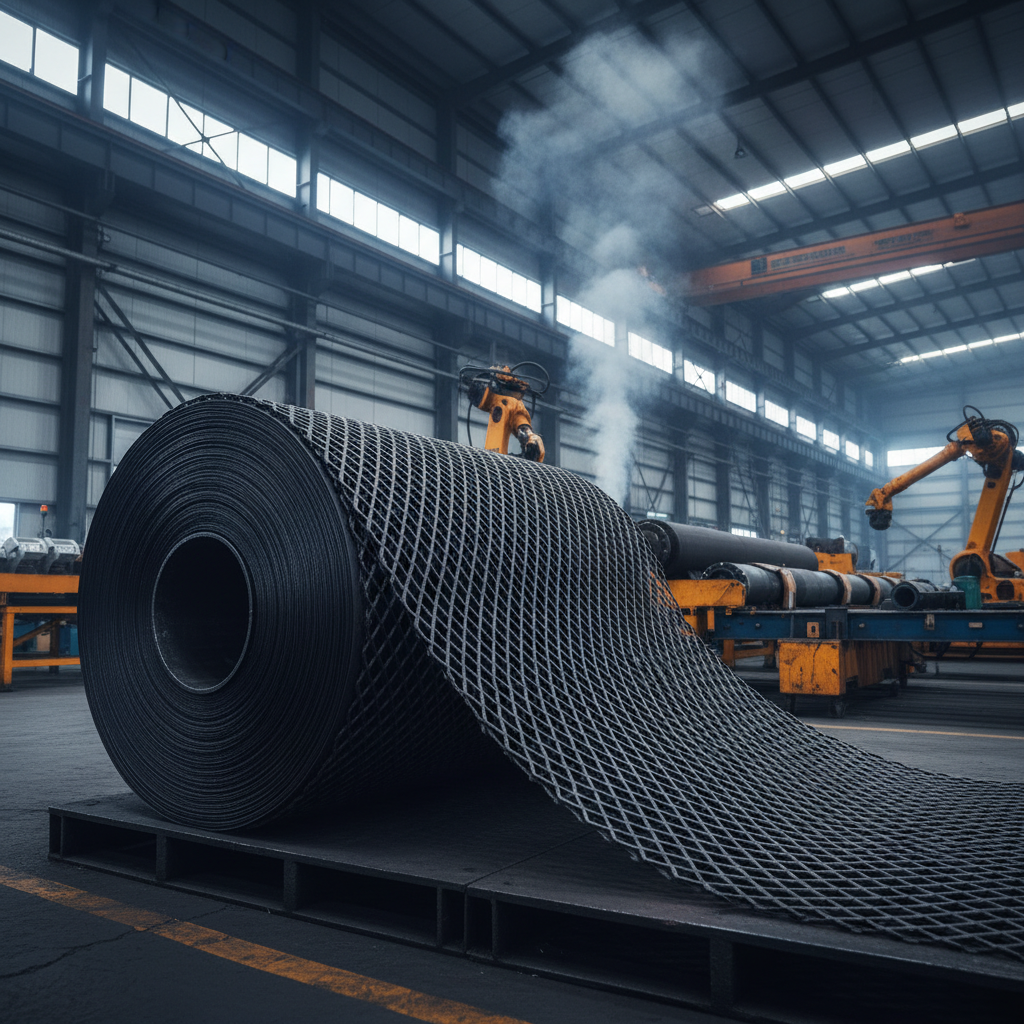
Expanded aluminum mesh. It’s more than just a sheet of metal, believe me. After years spent on construction sites, wrestling with materials, and talking shop with engineers, you start to appreciate the stuff that actually solves problems. And this mesh? It solves a lot of them. It's lightweight, incredibly strong, and offers a versatility you don’t find with a lot of other materials. We're not talking about some fancy, over-engineered solution here; it's practical, dependable, and it gets the job done. It’s a workhorse material, and that’s what I appreciate.
What really struck me early on was its adaptability. You see it everywhere, and for good reason. From safety grating on walkways to architectural facades, and even in filtration systems, it just seems to fit. I’ve seen crews struggling with heavier materials, wasting time and manpower. Then they switch to expanded aluminum, and suddenly everything flows smoother. It’s about efficiency, safety, and ultimately, getting the project completed on time and within budget. Those are the things that keep a project manager up at night, and expanded aluminum mesh can help put them to rest.
And frankly, in a world that’s constantly looking for sustainable solutions, the recyclability of aluminum is a massive plus. It's not just about ticking boxes for environmental regulations; it's about making responsible choices. We're building for the future, and that future needs materials that can be reused and repurposed. It all comes down to making smart decisions on site, and expanded aluminum mesh is a smart decision.
The Versatility and Practicality of Expanded Aluminum Mesh
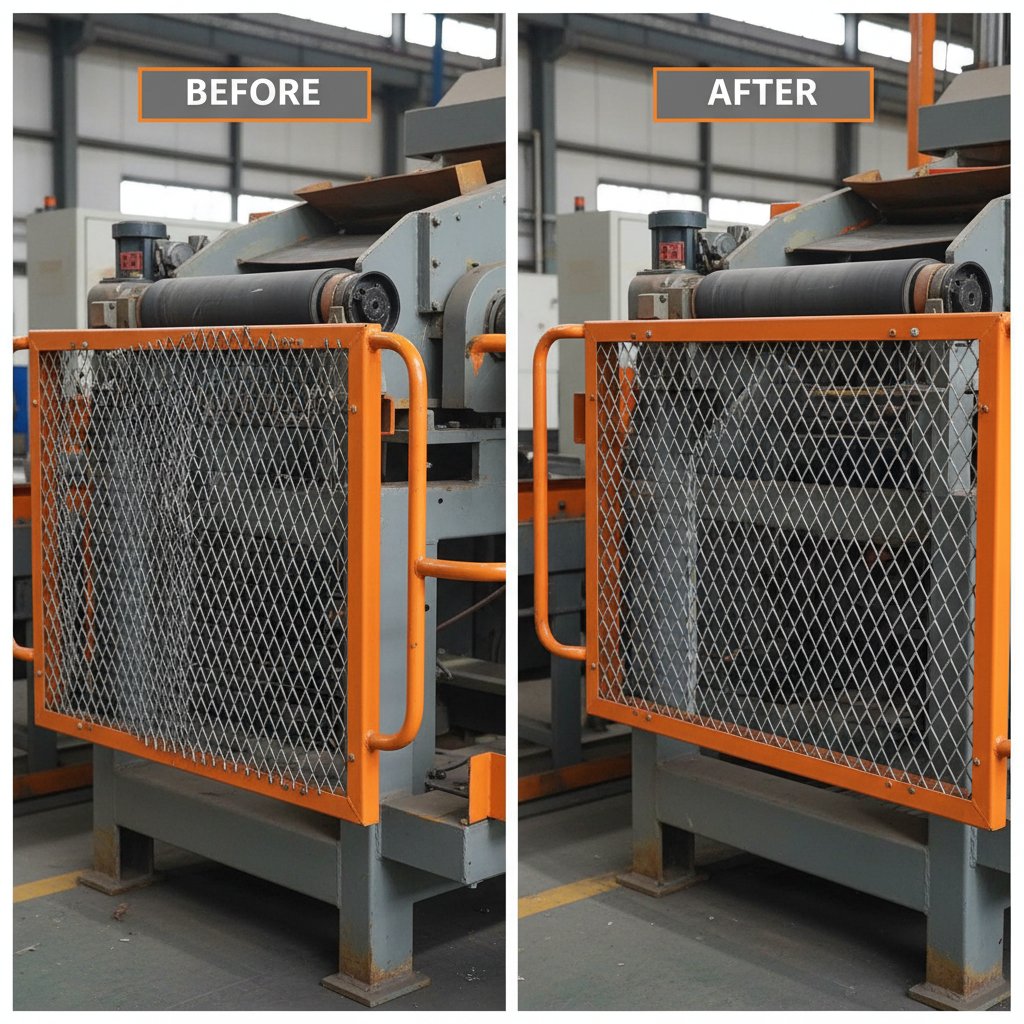
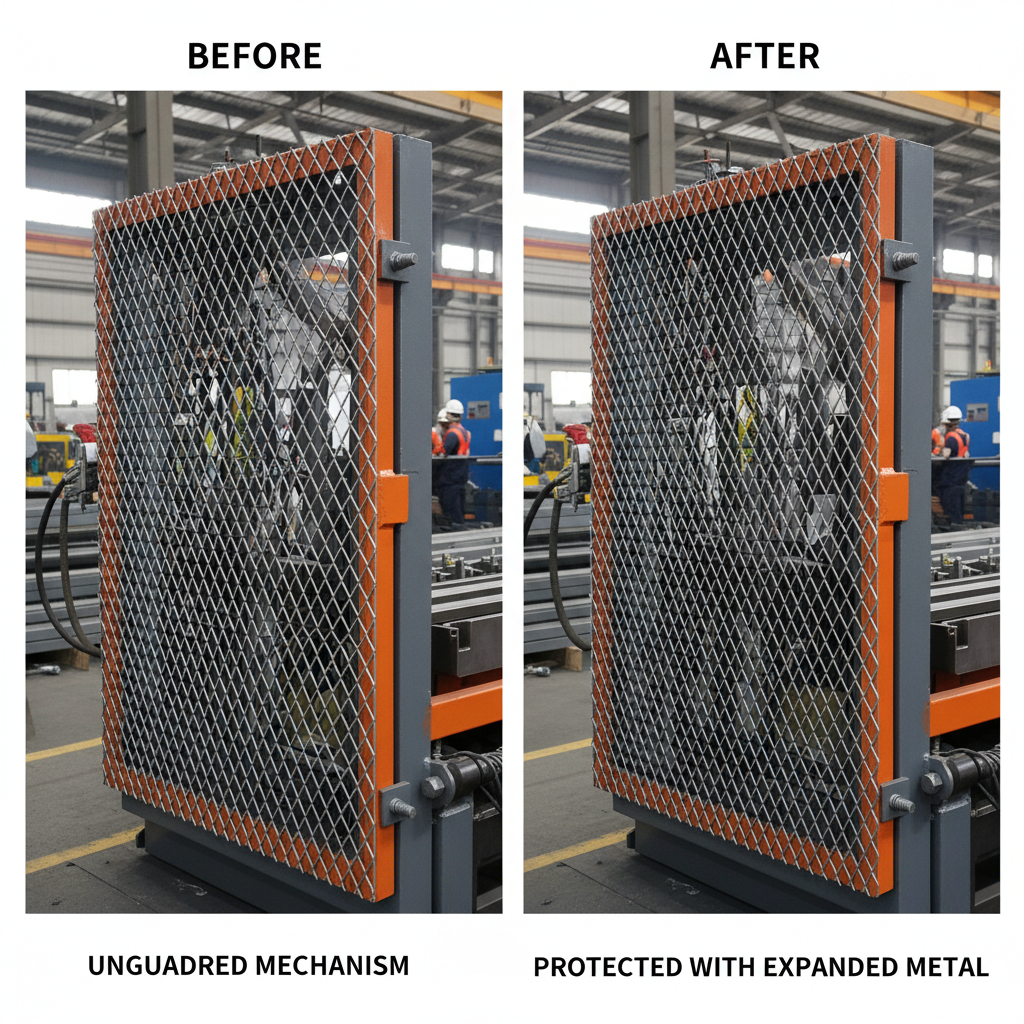
Look, on a job site, you need materials that can handle abuse. Expanded aluminum mesh does exactly that. It's not just strong, it’s tough. I’ve seen it withstand incredible loads and harsh weather conditions without losing its integrity. That’s crucial for safety, especially when you're talking about walkways, platforms, and guardrails. And it's lightweight, making installation a whole lot easier and faster.
What I’ve learned over the years is that simplicity is king. Expanded aluminum mesh offers a simple, effective solution for a multitude of applications. No complicated fabrication or specialized tools required. It's a material you can rely on, and that’s worth its weight in gold – even though it doesn’t weigh much!
Global Relevance and Industry Applications
The demand for materials like expanded aluminum mesh is growing globally, and for good reason. Look at rapid urbanization in developing nations – they need durable, cost-effective materials for infrastructure. The United Nations estimates that over half the world’s population now lives in cities, and that number is only going to increase. That creates a huge demand for building materials that can handle the strain and meet safety standards.
You see it used extensively in industrial settings, from oil and gas platforms to power plants. The ISO standards for safety grating are rigorous, and expanded aluminum mesh consistently meets those requirements. And it’s not just industrial. Architectural firms are incorporating it into facades, sunshades, and decorative elements. It’s become a staple in modern design.
I’ve been involved in projects in remote locations, and the ease of transport and installation of expanded aluminum mesh is a game-changer. Shipping costs are lower because it’s lighter, and crews can work faster without needing heavy machinery. It simplifies logistics, which is vital when you’re dealing with challenging environments.
Defining Expanded Aluminum Mesh: A Modern Material
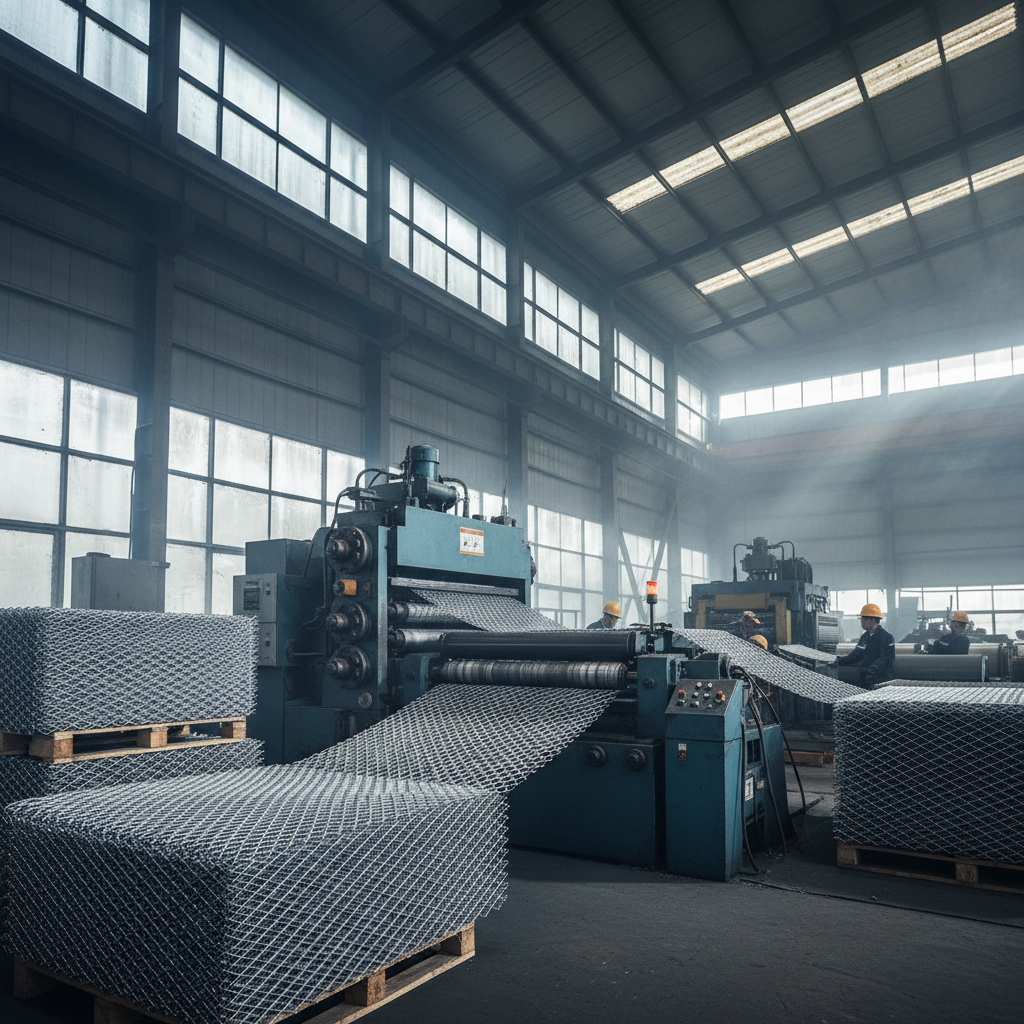
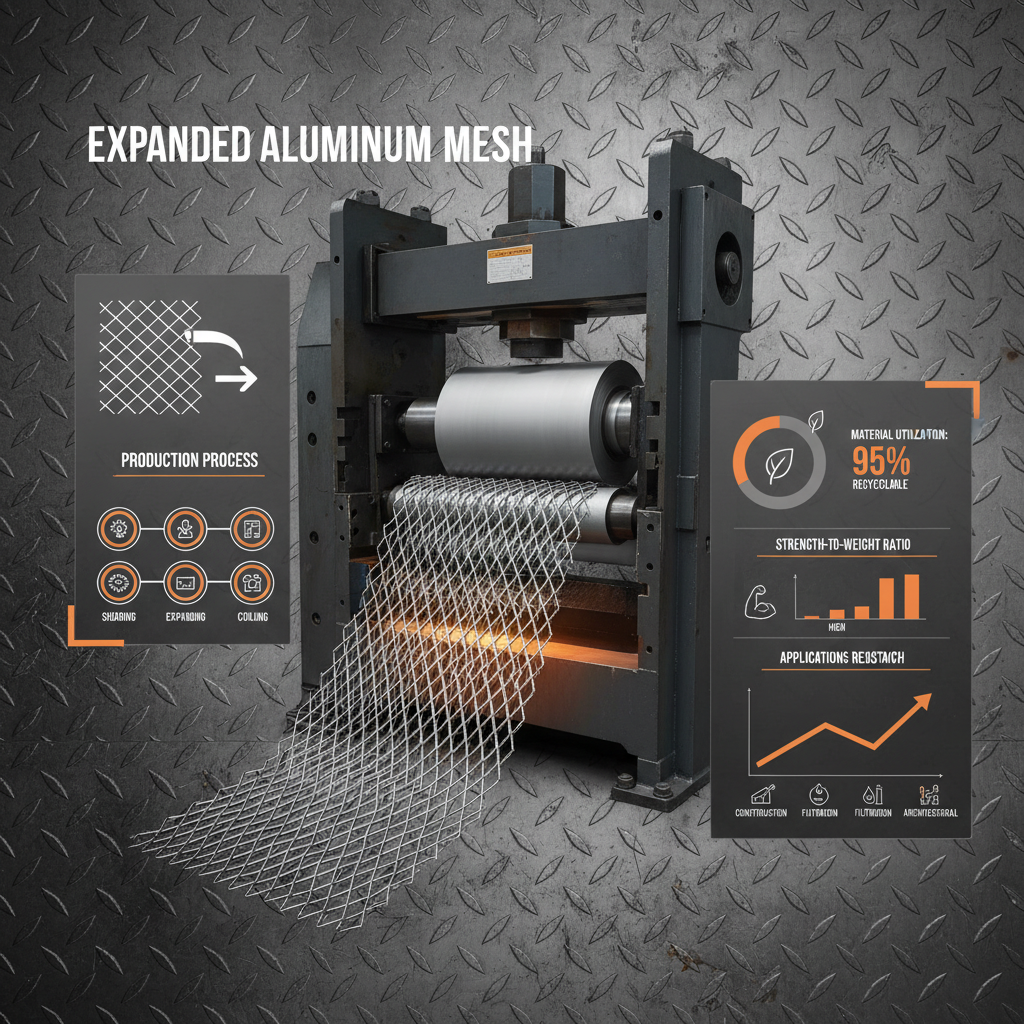
At its core, expanded aluminum mesh is created by slitting and stretching aluminum sheet metal. It's a solid material, not woven, which is what gives it its strength and rigidity. It’s different from a wire mesh; there are no openings created by weaving wires together. The stretching process creates a consistent, uniform pattern, resulting in a material that’s both strong and visually appealing.
This process isn’t new, but the applications have evolved drastically. It originally found use in heavy industry, but with advancements in manufacturing techniques and a growing focus on lightweight materials, it’s found a home in a much wider range of sectors. We’ve moved beyond simply needing a strong material; we need something that’s also adaptable, sustainable, and aesthetically pleasing.
I’ve seen this material used in some truly innovative ways. From creating noise barriers along highways to providing structural support for lightweight vehicles, it's a testament to the versatility of a well-engineered product. It reflects a move towards more efficient and intelligent material solutions.
Core Advantages: Durability, Cost, and Scalability
Let's talk brass tacks. Durability is the big one. Aluminum, as a material, is naturally corrosion-resistant. That's a huge advantage, especially in harsh environments. It doesn’t rust like steel, reducing maintenance costs over the long term. And the expanded design itself adds to its strength-to-weight ratio.
Then there’s cost. While aluminum isn’t the cheapest metal out there, the efficiency of the expansion process and the material’s longevity make it a cost-effective solution in the long run. You’re paying for a product that lasts and reduces ongoing maintenance.
Cost Comparison of Expanded Aluminum Mesh Methods
Real-World Applications Across Industries
I’ve seen it used as safety grating on oil rigs in the North Sea, providing a secure footing in incredibly challenging conditions. I’ve also seen it used as architectural shading devices on skyscrapers in Dubai, helping to reduce energy consumption. The range is just incredible.
In the automotive industry, it's finding its way into lightweight components, contributing to improved fuel efficiency. And in the aerospace sector, its strength-to-weight ratio is a major asset. The applications are expanding all the time, driven by the need for materials that are both durable and efficient.
Long-Term Value and Sustainable Benefits
The long-term value isn’t just about durability; it's about reducing your overall carbon footprint. Aluminum is endlessly recyclable, meaning it can be reused again and again without losing its quality. That’s a massive advantage in an era where sustainability is paramount.
That recyclability translates to lower lifecycle costs, too. You’re not constantly replacing corroded or damaged materials. It's an investment that pays off over time, both financially and environmentally. It's about building responsibly and thinking about the future.
It also reduces waste. Less material ends up in landfills, and the production process requires less energy compared to manufacturing virgin materials. It's a win-win for everyone involved.
Future Trends and Innovation in Expanded Aluminum Mesh
We're seeing developments in surface treatments that further enhance corrosion resistance and aesthetic appeal. New alloys are being developed to improve strength and reduce weight even further. And the integration of smart materials, like sensors embedded within the mesh, is opening up exciting possibilities for structural health monitoring.
Digital fabrication techniques, like laser cutting and waterjet cutting, are also enabling more complex and customized designs. That means we can create expanded aluminum mesh structures tailored to specific project requirements.
I think we'll also see greater adoption of expanded aluminum mesh in green building projects. Its recyclability and lightweight properties align perfectly with sustainable design principles.
Summary of Expanded Aluminum Mesh Performance Metrics
| Performance Category |
Metric |
Rating (1-10) |
Comments |
| Strength |
Tensile Strength (MPa) |
9 |
Excellent resistance to deformation. |
| Weight |
Density (kg/m³) |
7 |
Lightweight for ease of handling and installation. |
| Corrosion Resistance |
Salt Spray Test (hours) |
8 |
High resistance to corrosion in harsh environments. |
| Sustainability |
Recyclability (%) |
10 |
Fully recyclable with minimal energy loss. |
| Cost-Effectiveness |
Lifecycle Cost (Index) |
7 |
Low maintenance and long lifespan contribute to lower costs. |
| Versatility |
Application Range |
9 |
Suitable for a wide range of architectural and industrial uses. |
FAQS
Expanded aluminum mesh offers a significant weight advantage over steel grating, making it easier to handle and install. It’s also naturally corrosion-resistant, reducing maintenance costs. While steel can be stronger in certain applications, aluminum provides an excellent strength-to-weight ratio for many common uses, and it’s fully recyclable, contributing to a lower environmental impact. It’s often the smarter choice for long-term value.
Absolutely. One of the key advantages of expanded aluminum mesh is its versatility. It can be readily cut, bent, and formed to fit almost any shape or size requirement. Modern fabrication techniques like laser cutting and waterjet cutting allow for incredibly precise and complex designs. We work with fabricators that can deliver custom solutions to your exact specifications.
Expanded aluminum mesh can be finished in a variety of ways to enhance its appearance and corrosion resistance. Common options include mill finish, anodizing, powder coating, and painting. Anodizing creates a durable protective layer, while powder coating offers a wide range of color options. The best finish depends on the specific application and environmental conditions.
The initial cost of aluminum is typically higher than steel. However, when you factor in the lower maintenance requirements, longer lifespan, and recyclability of aluminum, it often proves to be more cost-effective over the long term. Reduced installation costs due to its lighter weight also contribute to overall savings. It’s about looking at the total cost of ownership.
Yes, but specifying the right alloy and finish is crucial. Aluminum’s inherent corrosion resistance is a major advantage, but saltwater environments can be particularly challenging. We recommend using alloys with high corrosion resistance, such as 5052 or 6061, and applying a protective finish like anodizing or a marine-grade powder coating to ensure long-term performance.
Expanded aluminum mesh commonly meets or exceeds industry safety standards such as those set by OSHA, ASTM, and ISO. It's frequently used in applications requiring slip-resistant surfaces, such as walkways, stair treads, and platforms. Proper design and installation are essential to ensure compliance with relevant safety regulations.
Conclusion
Expanded aluminum mesh isn’t just a material; it’s a solution. It offers a unique combination of strength, lightweight properties, versatility, and sustainability that makes it ideal for a wide range of applications. From improving safety on construction sites to reducing the environmental impact of building projects, this material is making a real difference.
Looking ahead, I see continued innovation in this space, with new alloys and fabrication techniques pushing the boundaries of what’s possible. If you’re looking for a material that’s both reliable and forward-thinking, expanded aluminum mesh is definitely worth considering. For more information and to explore our range of products, visit our website: expanded aluminum mesh.