Look, I've been running around construction sites for over a decade, and let me tell you, things are moving. Used to be, everything was about getting the cheapest steel, right? Now, everyone's talking about lightweight, high-strength… and corrosion resistance. It's not just about the initial cost anymore. It’s about how long something lasts, how much it weighs when you’re hauling it up twenty floors, and, honestly, how much headache it'll give the guys installing it.
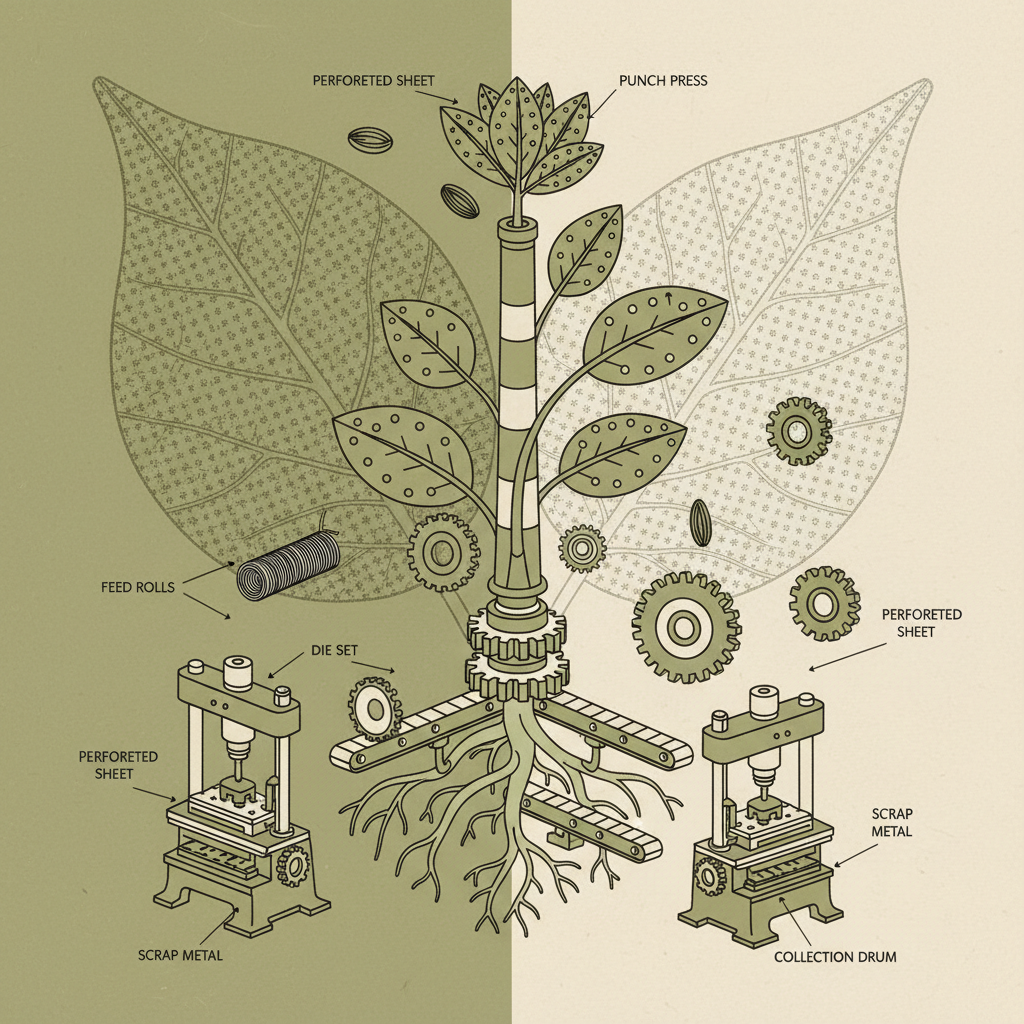
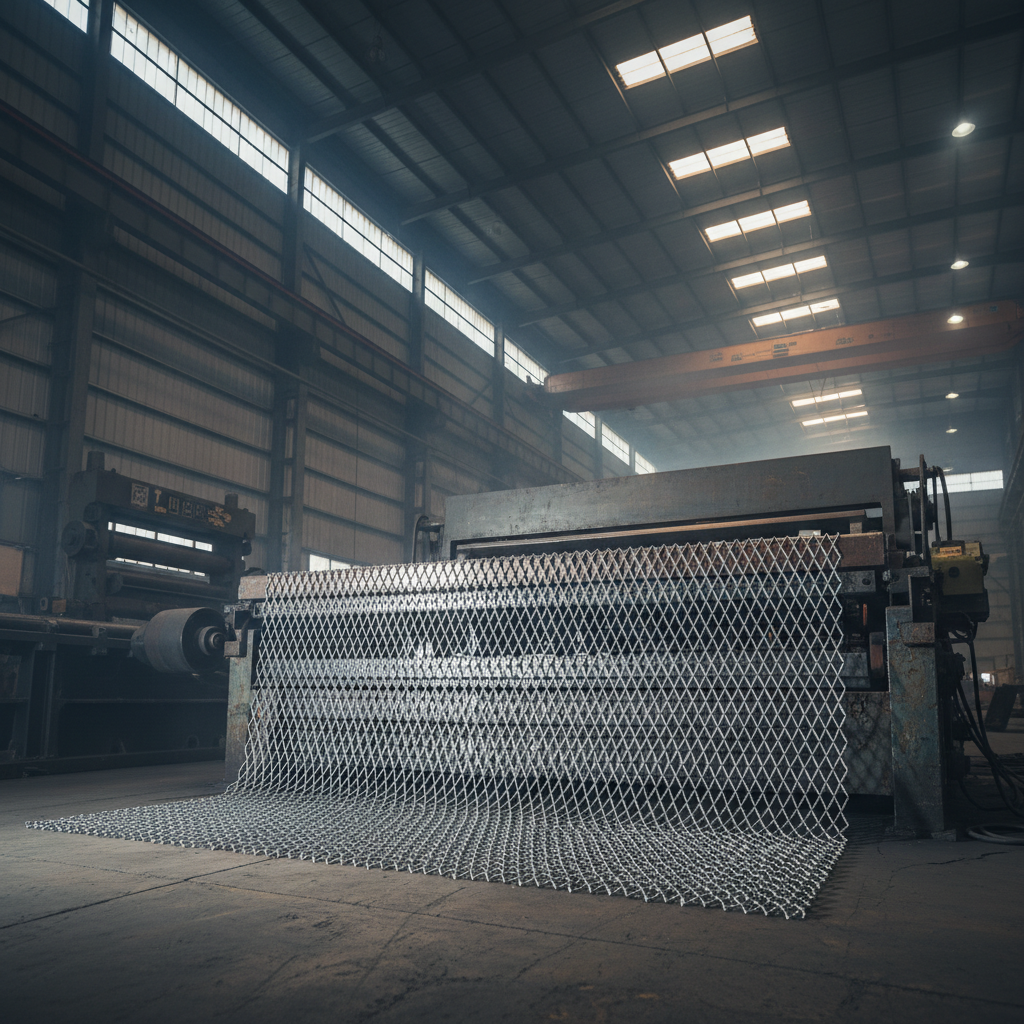
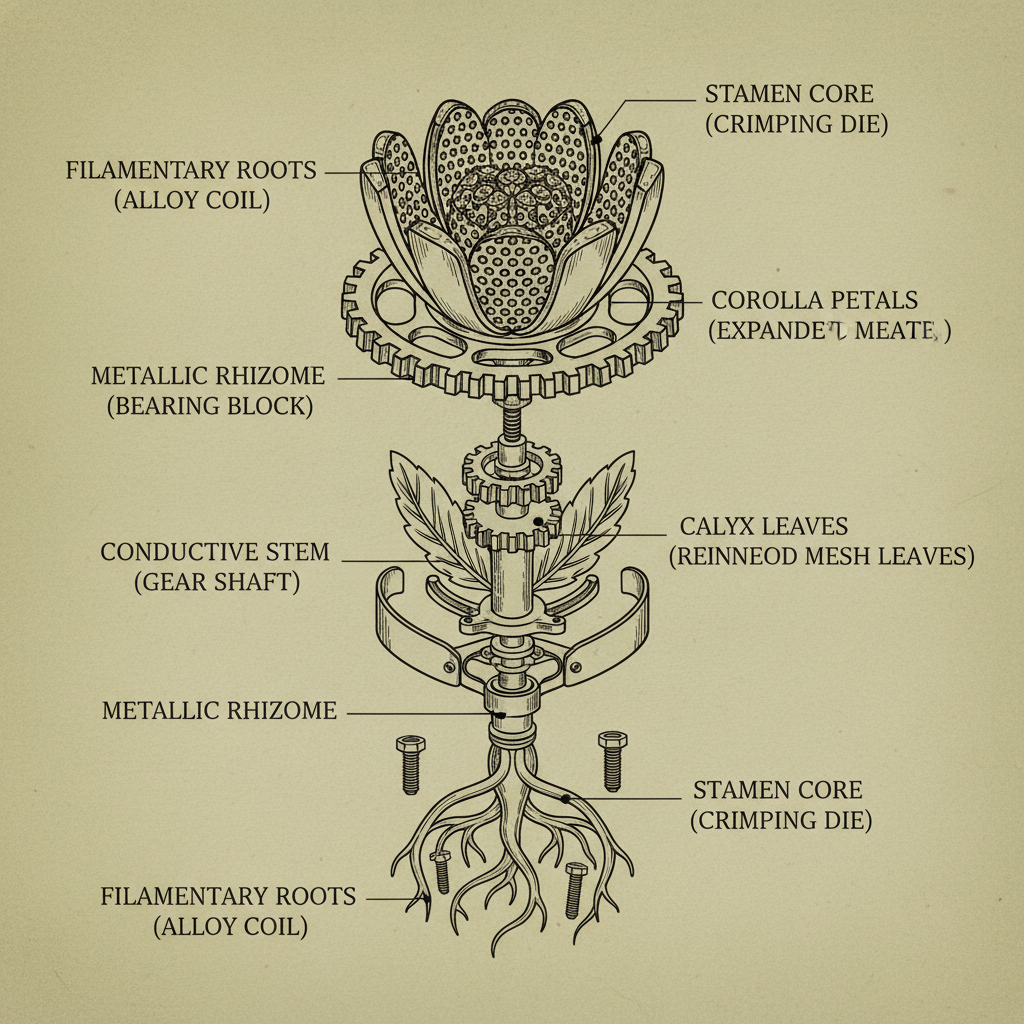
We're seeing a huge push for prefabrication too. Everything’s gotta be off-site, modular, quick to assemble. That's where perforated metal sheet manufacturers really come into play. It’s not just about holes in metal, you know? It's about airflow, weight reduction, sound dampening… it’s a whole system.
And honestly, the amount of times I've seen projects stalled because someone skimped on the materials... it's unbelievable. You think you’re saving a few bucks up front, but you’re gonna pay for it tenfold down the line.
The Current Landscape of perforated metal sheet manufacturers
To be honest, the biggest shift I've seen isn’t in the metal itself, but in the precision of the perforation. It’s not just “drill some holes,” it’s about laser cutting, CNC machining… getting exactly the pattern you need. And the demand for different patterns is insane. It's all about aesthetics these days, you know? Architects want something unique.
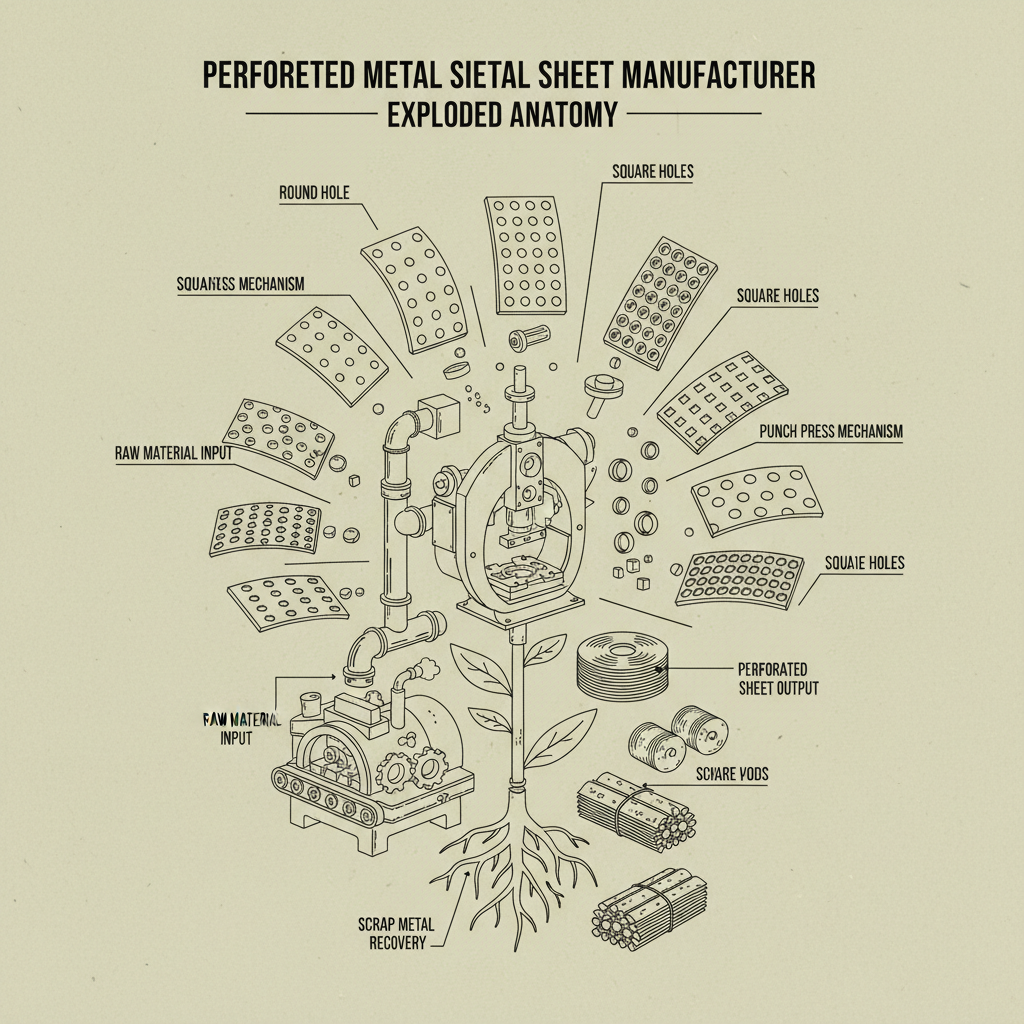
You've got your standard round holes, of course, but then you're getting into squares, diamonds, even custom shapes. It all comes down to what the designer envisions, and how the perforated metal sheet manufacturers can make it happen without compromising structural integrity. Which, let me tell ya, is a trick.
Common Design Pitfalls in perforated metal sheet manufacturers
Have you noticed how often engineers will spec something without thinking about how it's actually made? I encountered this at a factory in Foshan last time. They wanted this incredibly intricate pattern, a real work of art, but the hole diameter was almost the same as the material thickness. Trying to punch that out without tearing the whole thing apart? Forget about it. Waste of everyone’s time.
Another big one is undervaluing edge treatment. Sharp edges, especially on stainless steel, are a liability. Someone will cut themselves. It seems obvious, but it gets overlooked. Deburring, rolling, even adding a small flange... those little details make a huge difference.
And don't even get me started on specifying the wrong material for the environment. Using mild steel in a coastal area? Rust city. It’s cheaper upfront, yeah, but you'll be replacing it in a year.
Material Deep Dive: What We're Actually Using
Alright, let’s talk materials. Stainless steel – 304 and 316 are the workhorses. 304 smells… metallic, obviously. 316 has a bit more of a tang to it, if that makes sense. You can tell the quality by how it feels. A good 316 will have some weight to it. Aluminum is good for lightweight applications, but it's softer. You gotta be careful with handling it. It dents easily.
We’re also seeing more galvanized steel. It's affordable and provides decent corrosion resistance, but the zinc coating can be brittle and crack if it’s bent or welded improperly. It smells a little… chemical-y when you're cutting it.
And then there’s copper. Now that’s a beautiful material. Expensive, but the patina it develops over time is just… fantastic. Plus, it’s naturally antimicrobial. But copper’s heavy, really heavy.
Real-World Testing: Beyond the Lab
Labs are fine for basic stuff – tensile strength, corrosion resistance – but they don't tell the whole story. I want to see how this metal holds up to actual conditions. We’ll mount a sample on a construction site, leave it exposed to the elements for six months, then come back and see what happened.
We also do impact tests, just dropping weights on it to simulate falling debris. Strangely, the pattern of the perforation affects how it responds to impact. A tightly spaced pattern tends to distribute the force better. We’ve even tested it with salt spray, simulating marine environments.
perforated metal sheet manufacturers Performance Across Different Environments
How Users Really Interact with perforated metal sheet manufacturers
This is where things get interesting. Architects think about aesthetics, engineers think about structural integrity… but the guys installing it? They’re thinking about how easy it is to work with. Can they cut it on-site with a jigsaw? Can they weld it without warping? Do they need special tools?
I've seen guys get incredibly frustrated when they're trying to attach something to perforated metal, only to realize there's nowhere to screw it in. They end up having to weld everything, which adds time and expense. It’s always a compromise.
Pros, Cons, and the Balancing Act
Okay, so perforated metal sheet manufacturers are great for weight reduction, airflow, sound dampening… that’s all true. But it also weakens the material. You’re removing metal, obviously. So you have to balance the benefits against the structural implications.
It can also be more expensive than solid metal, depending on the pattern and material. And it's not always the best choice for security applications. A determined thief can easily cut through a perforated metal sheet. Anyway, I think the biggest advantage is the versatility. You can achieve a lot with a well-designed perforated metal sheet.
Customization and Specific Applications
We had a client, a small boss in Shenzhen who makes smart home devices, last month who insisted on changing the interface to … for a perforated metal enclosure. Said it looked "more modern." It was a nightmare. The tooling costs were astronomical. And the design had to be completely reworked to accommodate the different connector size. He ended up paying a fortune for something that, frankly, didn’t make a huge difference aesthetically.
But that illustrates the point – you can customize pretty much anything. We’ve done everything from custom hole patterns for lighting fixtures to perforated metal cladding for buildings. The key is to work with a manufacturer who understands the process and can advise you on what’s feasible.
One of the cool things we did recently was create a perforated metal screen for a concert venue. The pattern was designed to create specific acoustic effects, directing sound in certain ways. It was a real challenge, but the result was amazing.
Common Perforated Metal Sheet Applications & Key Considerations
| Application |
Material Choice |
Key Design Consideration |
Typical Cost (USD/sq ft) |
| Architectural Facades |
Aluminum, Stainless Steel |
Wind Load, Aesthetics, Corrosion Resistance |
$15 - $40 |
| Industrial Noise Barriers |
Galvanized Steel, Stainless Steel |
Sound Absorption, Durability, Ventilation |
$10 - $25 |
| Filtration Systems |
Stainless Steel, Aluminum |
Pore Size, Flow Rate, Chemical Resistance |
$20 - $50 |
| Speaker Grilles |
Aluminum, Steel |
Acoustic Transparency, Protection, Aesthetics |
$8 - $18 |
| Safety Guards |
Steel, Stainless Steel |
Impact Resistance, Visibility, Compliance |
$12 - $30 |
| Sunshades |
Aluminum, Stainless Steel |
Shading Coefficient, Durability, Aesthetics |
$18 - $45 |
FAQS
Lead times really vary. A simple pattern in a common material might be a week or two. But something complex, with tight tolerances, or a rare alloy? That could be six weeks or more. It depends on the manufacturer’s workload and the availability of the material. Always ask upfront and factor that into your project schedule. Don’t assume it'll be quick. Especially these days, everything is stretched thin.
Honestly? Keep it dry. But seriously, if it’s exposed to salt spray or harsh chemicals, galvanizing isn't enough. Consider painting it with a corrosion-resistant coating, or upgrading to stainless steel. You can also use a zinc-rich primer before painting. And inspect it regularly for any signs of rust – the sooner you catch it, the easier it is to fix.
It depends on the material. Aluminum is trickier than steel. You need a skilled welder and the right equipment. The perforation pattern can also affect weldability. A tightly spaced pattern might warp more easily. Preheating the metal can help reduce distortion. And always use the correct welding filler metal for the base material.
That’s a good question. Generally, with laser cutting, you can get down to pretty small hole sizes - we're talking around 0.02 inches (0.5 mm) reliably. But it’s also material-dependent. Thicker materials are harder to cut with small holes. And the closer you get to the material thickness, the higher the risk of distortion. It’s a balancing act.
There are formulas, of course, but honestly, most manufacturers will calculate it for you. It's based on the hole diameter, the pitch (distance between holes), and the sheet thickness. A higher open area percentage means more airflow or filtration capacity. It's a critical parameter for many applications, so get it right.
Some manufacturers will do it, but expect to pay a premium. Setting up the tooling for a custom pattern can be expensive, so they usually have a minimum order quantity. It's worth asking, though. Sometimes you can share tooling costs with other customers who need similar patterns. Prototyping is important, but it can be pricey.
Conclusion
Ultimately, perforated metal sheet manufacturers are about finding the right balance between performance, cost, and aesthetics. It’s a versatile material that can be used in a huge range of applications, but it's not a one-size-fits-all solution. You need to understand the material properties, the manufacturing processes, and the specific requirements of your project.
And honestly, whether this thing works or not, the worker will know the moment he tightens the screw. You can design the fanciest pattern in the world, spec the highest-grade materials… but if it's a pain to install, it's not going to get used. So, talk to the guys on the ground. They'll tell you what really matters. You can find quality perforated metal sheet manufacturers at perforated metal sheet manufacturers.