
If you’ve ever peeked behind a construction site fence or admired the rugged exterior of an industrial plant, chances are you’ve seen 24 x 48 expanded metal at work. But this isn’t just about aesthetics or a simple building material. It represents a small but crucial piece in industries ranging from infrastructure to humanitarian relief. The global demand for durable, adaptable, and cost-efficient materials means that understanding this specific type of expanded metal is more relevant today than ever before.
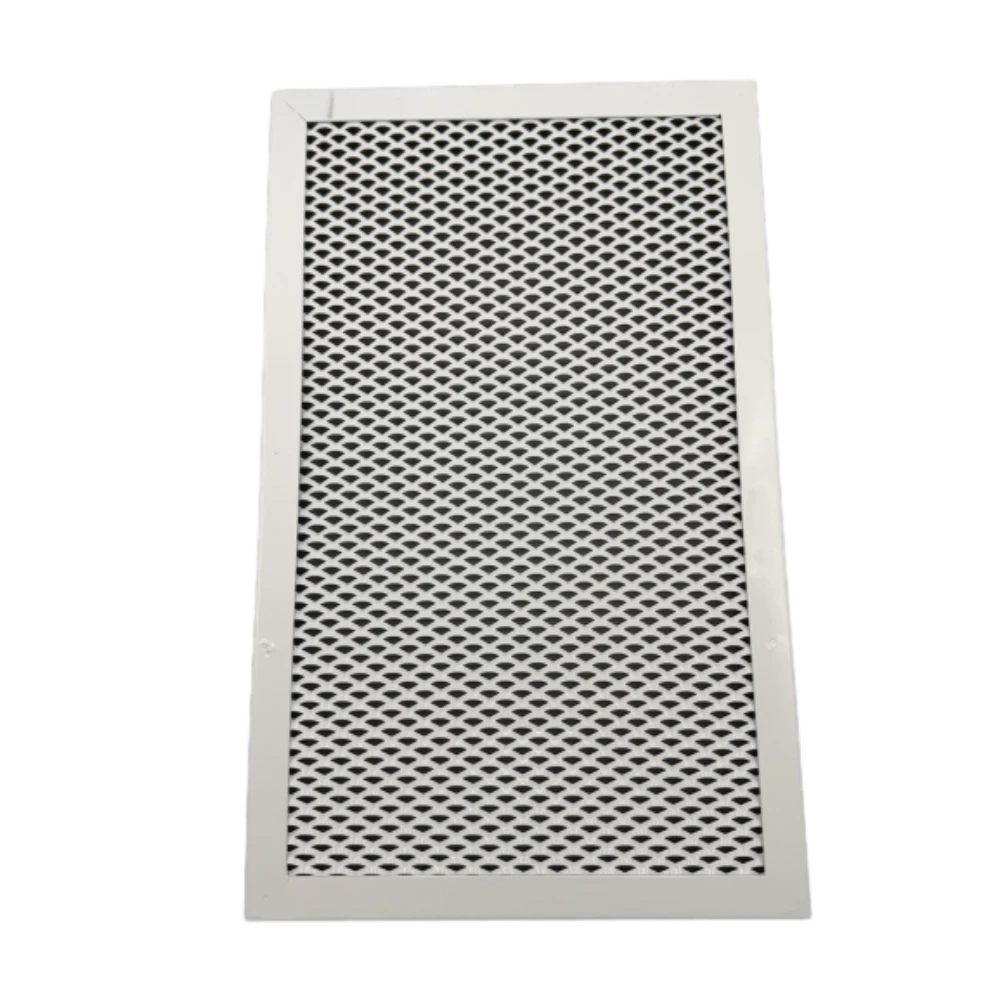
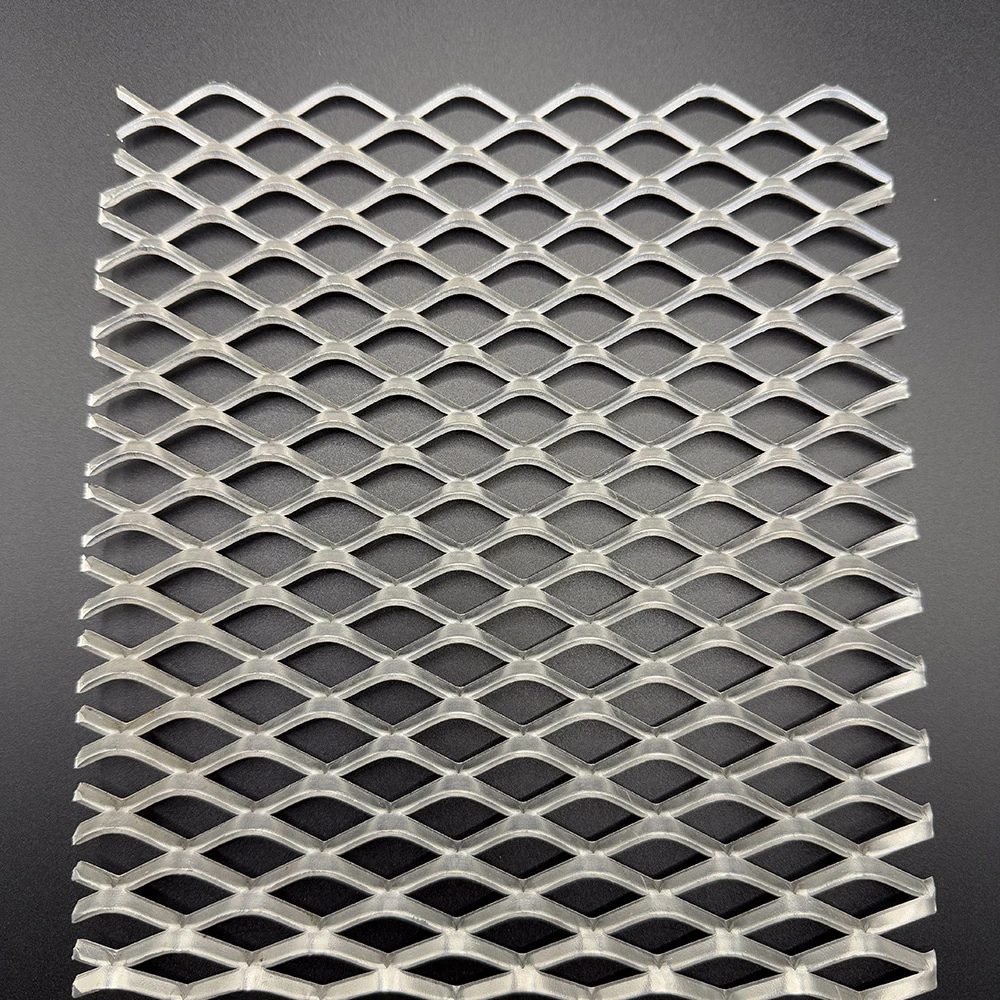
In practical terms, the 24 x 48 specification refers to the dimensions of a standard expanded metal sheet, a mesh formed by cutting and stretching metal sheets to create a pattern of diamond-shaped openings. This mesh type balances strength and lightness, making it ideal for countless industrial tasks where weight, ventilation, or security matter. Plus, as urbanization and industrialization surge worldwide, materials like these become foundational. It’s funny how something so simple can underpin so much complexity.
Mini takeaway: Understanding the role and specs of 24 x 48 expanded metal isn’t just technical jargon; it offers insight into the backbone of modern construction and logistics industries on a global scale.
Globally, just about every country faces a challenge: how to build strong, secure, and cost-effective infrastructure quickly. According to the United Nations Department of Economic and Social Affairs, urban populations are expanding rapidly, putting massive pressure on material supply chains and construction standards. In this context, 24 x 48 expanded metal emerges as a clear solution to several challenges — be it in housing, industrial caging, or security fencing.
For instance, ISO standards on metal mesh products frame safety and durability requirements globally, ensuring reliability. The ISO 9044 spec on metallic mesh reinforces how crucial quality and uniformity are in meshes used worldwide.
Still, not everything is smooth sailing: many regions face issues sourcing materials that are both lightweight and strong, with affordable transport costs. The 24 x 48 expanded metal sheet strikes that perfect balance and adapts well to modern fabrication technologies.
Simply put, 24 x 48 expanded metal is a mesh panel measuring 24 inches by 48 inches, manufactured by simultaneously slitting and stretching a sheet of metal, leaving diamond-shaped openings without removing any material. It’s a flat, self-supporting structure that provides strength, grip, and ventilation all at once.
Why does that matter? Because this sort of expanded metal isn’t just a faceless product on a spreadsheet—it’s heavily used in sectors that sustain daily life and emergency responses. It factors into protective cages, walkways, machine guards, and even architectural accents. Humanitarian agencies also use similar materials for quick-deploy shelters that require ventilation but withstand harsh environments.
Mini takeaway: The term “24 x 48 expanded metal” pinpoints one of the most versatile, standardized mesh sizes in the metalworking world — a product bridging pure engineering with practical problem-solving.
Metal mesh has to endure the elements—rain, snow, abrasion, and sometimes chemical exposure. The 24 x 48 panels typically use steel or aluminum alloys, which have been tested for strength and corrosion resistance. Many manufacturers also apply powder coatings or galvanization for extra longevity, especially in marine or industrial zones.
The 24 by 48 inch dimension isn't just an arbitrary size. It fits well in modular designs, making it easier for fabricators and assemblers to plan projects with minimal waste. Its size balance is perfect for handling by small teams without needing heavy machinery, encouraging faster deployment—especially important in disaster scenarios.
Because expanded metal doesn't waste raw material (no chips or scraps), production is inherently more economical than traditional perforated metal sheets. That savings trickles down to projects, influencing budget decisions—especially critical in emerging economies and NGOs working with tight funding.
From flooring and fencing to filtration and forming reinforcement in concrete, the applications are vast. And each application tweaks specifications slightly—thicker strands for heavy-duty uses or finer meshes where airflow matters.
The diamond openings prevent objects from slipping through while maintaining visibility—great for perimeter security and protective barriers around machinery. Oddly enough, this mesh even deters wildlife entry in some farming setups.
| Specification | Details |
|---|---|
| Sheet Size | 24" x 48" |
| Material | Steel (Galvanized / Stainless) or Aluminum |
| Strand Thickness | 0.06" - 0.12" |
| Mesh Opening Dimension | 0.5" - 1.5" (Diamond-shaped) |
| Weight | 8 - 15 lbs (dependent on material/thickness) |
| Surface Finish | Galvanized, Painted, Powder Coated |
Industries worldwide put this mesh to work—and in some surprising ways. Construction firms in Europe and North America use it for walkways and stair treads, ensuring safety without sacrificing drainage and airflow. In Asia and Africa, NGOs and disaster relief groups rely on it for quick, durable fencing and shelter components where resources are stretched thin.
Also, manufacturers making storage cages or heavy equipment guards find it invaluable. Even the transportation sector depends on expanded metal as anti-slip surfaces on vehicle steps, due honestly to its ideal size and weight.
One example I came across involved an NGO rebuilding community centers post-flood in Southeast Asia—the 24 x 48 expanded metal panels were used to rapidly create secure outer walls that let in air but kept out intruders and pests. It's a small detail with a big impact on safety and dignity.
At first glance, it might look like just “some metal mesh,” but the benefits go deep:
Manufacturers are increasingly integrating eco-friendly coatings, even experimenting with metal composites to improve strength while cutting weight further. Automation is tweaking the manufacturing process, allowing tighter tolerances for specialized industries like aerospace or medical device production.
Additionally, digital scanners help engineers design new expanded metal patterns tailored exactly to airflow or shielding needs. There’s also buzz about pairing metals with graphene coatings to make them tougher and corrosion-proof, though it’s still in early trials.
Sustainability policies globally, enforced by ISO or UN environment programs, are pushing companies to rethink not just how they make these meshes but how long they last in the field—and how fully they can be recycled.
Despite many advantages, the 24 x 48 expanded metal sheet isn’t a silver bullet. Sometimes, installation challenges crop up: handling sharp edges, ensuring proper fastening, or challenges in welding certain alloys. Also, not all suppliers maintain consistent quality, so project teams may face reliability hiccups.
Experts recommend thorough specifications review before purchase and working closely with trusted vendors to specify coatings or treatments suited for local conditions. Modern fabrication tools like CNC shears and robotic welders also improve cutting-edge precision and safety in installation.
| Supplier | Material Options | Custom Sizes | Typical Lead Time | Certifications |
|---|---|---|---|---|
| CC Metal Mesh | Steel, Aluminum, Stainless | Yes (Including 24 x 48) | 2–4 weeks | ISO 9001, RoHS |
| Global Mesh Ltd. | Steel only | Limited | 3–5 weeks | ISO 9001 |
| Fabric & Metal Co. | Aluminum, Stainless only | Yes | 4 weeks | None reported |
A: Expanded metal uses the entire sheet of metal without waste, offering greater strength and less material loss compared to perforated sheets, which punch holes out. This means better weight-to-strength ratios, plus enhanced grip and ventilation.
A: Absolutely. Most suppliers allow customization of thickness, coating, and strand dimensions to meet specific needs, while the 24 x 48 dimension remains a standard size that fits many assembly lines and modular systems.
A: With proper coating like galvanization or powder coating, these expanded metal sheets can easily last 10–20 years outdoors, depending on environmental exposure. Regular inspections and maintenance can extend this lifespan.
A: Yes, the metals used (steel, aluminum) are highly recyclable, making them an environmentally friendly choice. Recycling reduces energy use and CO2 emissions compared to producing new metal from ore.
A: Depending on supplier capacity and customization, lead times usually range between 2 to 5 weeks, with companies like CC Metal Mesh often faster due to their stock and flexibility.
The 24 x 48 expanded metal sheet may not be front-page news, but it quietly supports the frameworks of countless industries worldwide. Its perfect mix of durability, adaptability, and cost-efficiency ensures it will remain essential as infrastructure demands grow and evolve.
For anyone working in construction, manufacturing, or humanitarian aid, this product’s contribution goes beyond the metal—it’s about enhancing safety, sustainability, and trust in the built environment.
If you’re interested in exploring high-quality options or custom solutions, don’t hesitate to visit our website for detailed product information and expert support.



![$item[alt]](https://images.exportstart.com/images/a1393/cc-7691.webp "$item[title]")