When it comes to building materials and industrial design, 9 expanded steel might not immediately ring a bell. But frankly, it's one of those quietly indispensable products shaping countless industries worldwide. From construction scaffolding to secure fencing, this steel variant delivers strength, durability, and versatility that many engineers and fabricators swear by.
Globally, rapid urbanization and infrastructure demands have pushed for materials that are both economical and robust—qualities that expanded steel, particularly at the 9 gauge, provides abundantly. Understanding its role is essential for manufacturers, designers, and humanitarian agencies alike, as it bridges gaps in cost, efficiency, and environmental sustainability.
The demand for steel products has been steadily rising worldwide, with the global steel market projected to cross $2 trillion by 2025 (World Steel Association). Yet, traditional steel plates and bars cannot always deliver the flexibility or weight savings modern projects require. That's where expanded steel fits in.
Specifically, the “9” in 9 expanded steel refers to the mesh gauge and pattern specs which make it a sweet spot between strength and adaptability. For example, in Southeast Asia and parts of Europe, expanded steel is widely used in fast-growing urban centers to build secure fencing and walkways. Oddly enough, landlocked regions have also found a surprising utility for it in humanitarian aid camps — lightweight yet sturdy partitions.
Still, challenges persist in sourcing quality 9 expanded steel that meets international standards, especially when short deadlines and environmental concerns collide.
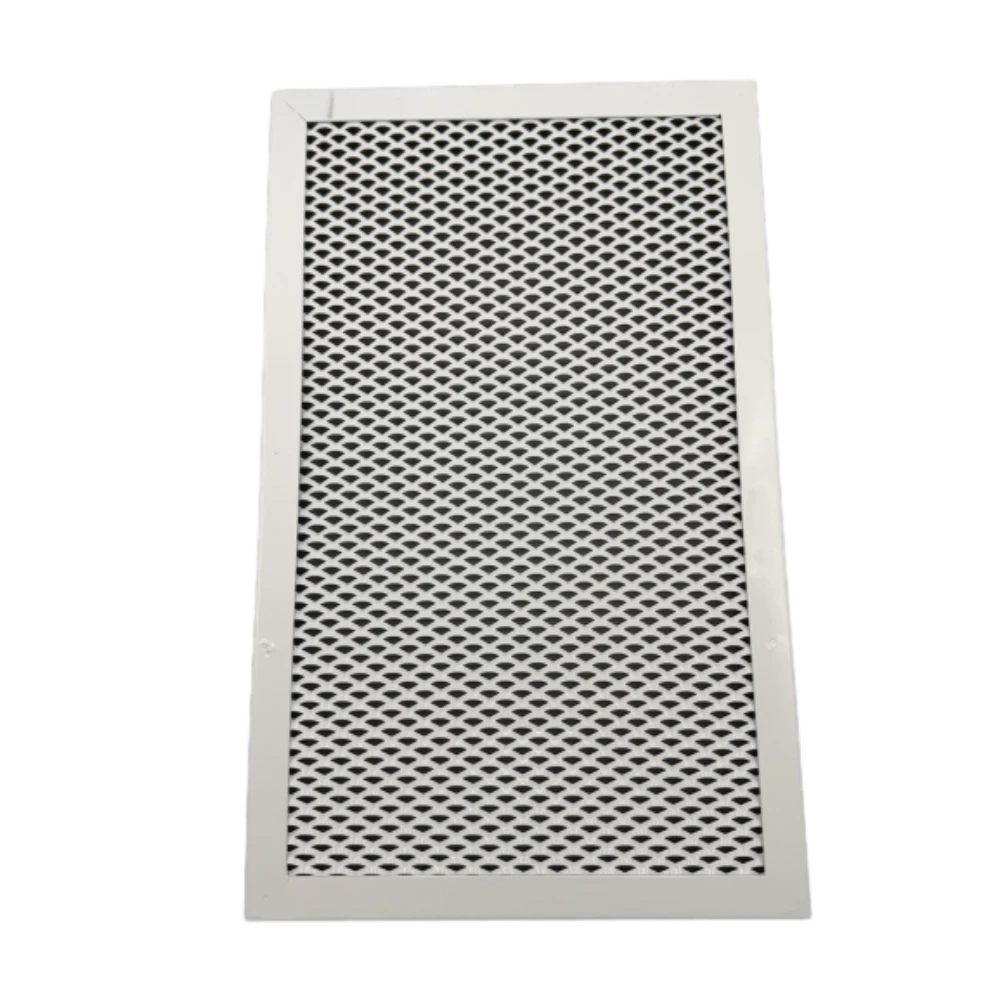
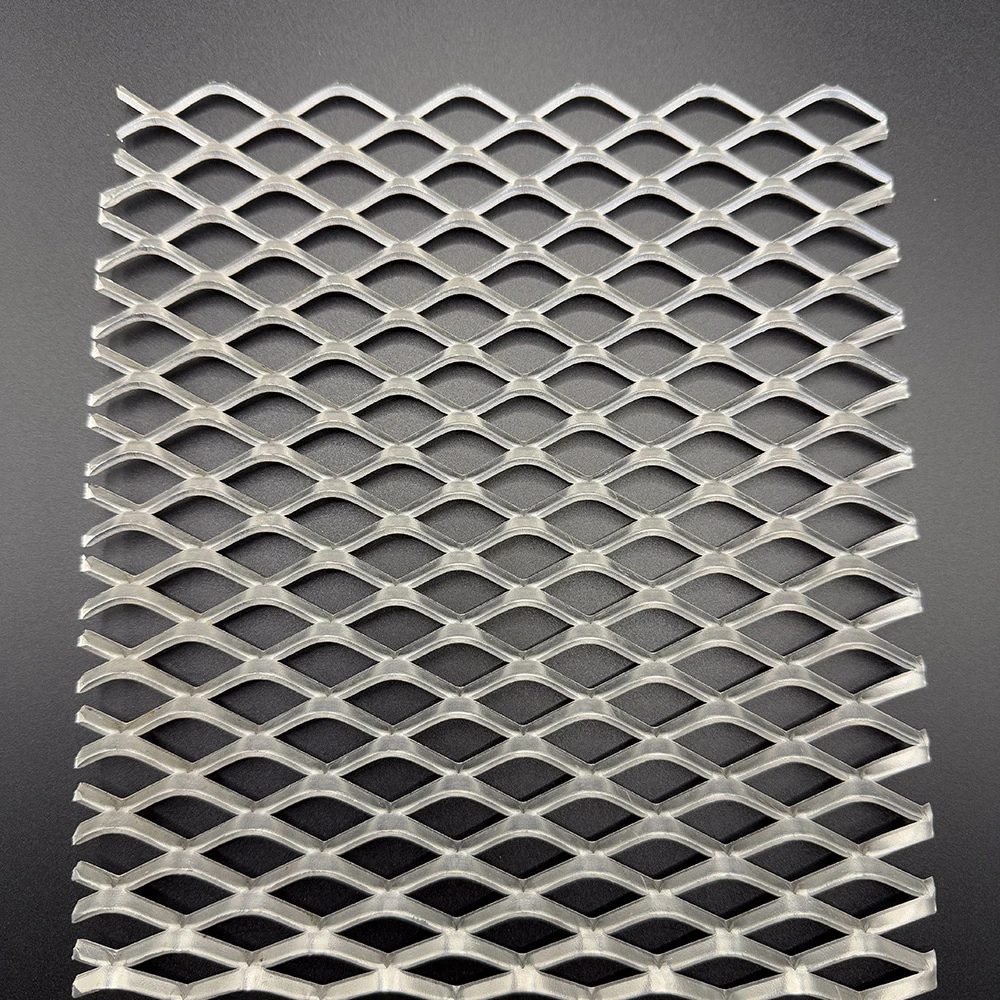
Put simply, 9 expanded steel is a steel sheet that’s been slit and stretched to form a mesh pattern. The number “9” relates to gauge/thickness and size parameters—usually meaning a medium-thickness expanded sheet with diamond-shaped openings that provide excellent grip, visibility, and airflow.
This modified steel mesh is stronger than welded wire mesh or simple grating because it’s one continuous piece, which retains the parent metal’s integrity. Modern industry values it as a cost-effective, versatile material that supports everything from architectural facades to reliable industrial flooring.
Thanks to the manufacturing process—slitting and expanding the sheet—the steel retains its structural integrity without welding points that might weaken it over time. This gives 9 expanded steel exceptional resistance to wear-and-tear and corrosion, especially when galvanized or powder-coated.
Many engineers remark that using expanded steel reduces weight by roughly 30-40% compared to solid steel plates without compromising rigidity. This means easier handling and installation at job sites, a big boon for large-scale projects.
It’s a simple but huge factor. Because expanded steel uses less material and requires less metalworking, the cost savings are noticeable. Plus, its longevity reduces replacement frequency, delivering long-term value.
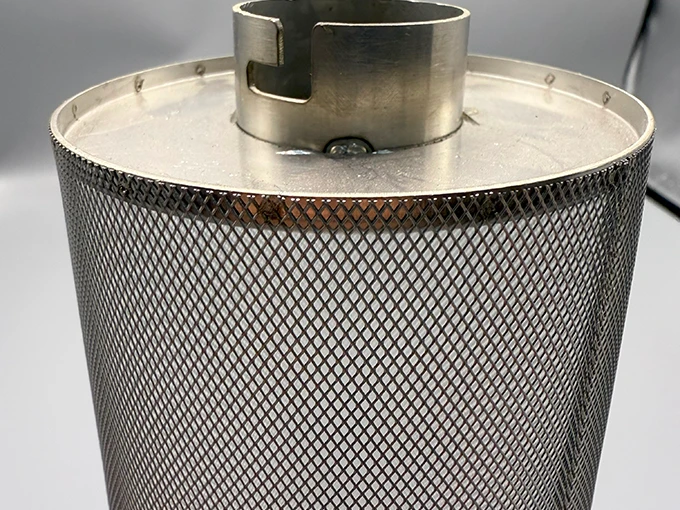
From industrial walkways and protective grilles to modern architectural cladding and security fencing, 9 expanded steel fits many roles. It’s adaptable for indoor and outdoor conditions alike.
The open mesh design provides excellent slip resistance, a feature especially favored in flooring applications. It also aids visibility, reducing blind spots in security areas.
Its practical uses stretch across diverse sectors:
Notably in post-disaster relief operations, lightweight expanded steel panels have helped rebuild safer, more durable shelters that stand up to weather and wear. In remote mining or industrial zones, the ability to customize panels quickly has saved costs and time.
Across continents and industries, 9 expanded steel combines practical and creative solutions seamlessly.
Many project managers praise expanded steel for enhancing safety without sacrificing budget constraints. It feels reassuring knowing the fences or walkways won’t crack under pressure, especially in high-risk zones.
In a way, 9 expanded steel embodies modern priorities: doing more with less while enhancing human safety and environmental care.
The steel industry isn’t sitting still. Currently, there's an increasing push towards greener production methods, such as low-carbon electric arc furnace (EAF) steel and advanced coatings that improve corrosion resistance without toxic chemicals.
Digital transformation is also shaking up how expanded steel is designed and cut. Automated CNC machines and 3D modeling allow bespoke patterns optimized for strength and aesthetics rather than simple mesh.
Moreover, integration with smart sensors could soon turn flooring or fencing made of expanded steel into monitoring tools, providing real-time structural health data.
Of course, not everything about 9 expanded steel is perfect. Key pain points include:
Innovative approaches such as better galvanization techniques, just-in-time manufacturing, and modular panel systems are helping circumvent these issues. Partnering with established vendors can also mitigate risks.
| Specification | Value | Unit |
|---|---|---|
| Gauge | 9 | American Wire Gauge (AWG) |
| Thickness | 3.76 | mm |
| Opening size (diamond) | 75 x 25 | mm |
| Surface Treatment | Galvanized / Powder coated | |
| Material | Carbon steel / Stainless Steel | |
| Sheet Size | 1200 x 2400 | mm |
| Vendor | Product Range | Customization | Lead Time | Sustainability |
|---|---|---|---|---|
| SteelPro Global | Wide (5-12 gauge) | Full custom sizes | 2-3 weeks | ISO 14001 Certified |
| MeshWorks Inc. | Medium (7-10 gauge) | Standard sizes only | 1-2 weeks | Limited eco coating |
| CC Metal Mesh | Specialized (focus on 9 gauge) | Custom patterns, coatings | 3-4 weeks | Recycled steel content 70% |
Looking back, it's clear this material ticks a lot of boxes—cost efficiency, adaptability, safety, long-term sustainability, and worldwide availability. As infrastructure and humanitarian needs grow, the role of 9 expanded steel seems increasingly pivotal.
If you want reliable, versatile steel mesh solutions, exploring options at 9 expanded steel vendors could save you time and headaches. Even just dipping a toe in its applications might lead to unexpected design or budget wins.
So, next time you pass a fence, a stairway, or even a modern building facade, you might notice—and appreciate—the quiet strength of expanded steel at work.



![$item[alt]](https://images.exportstart.com/images/a1393/cc-7691.webp "$item[title]")