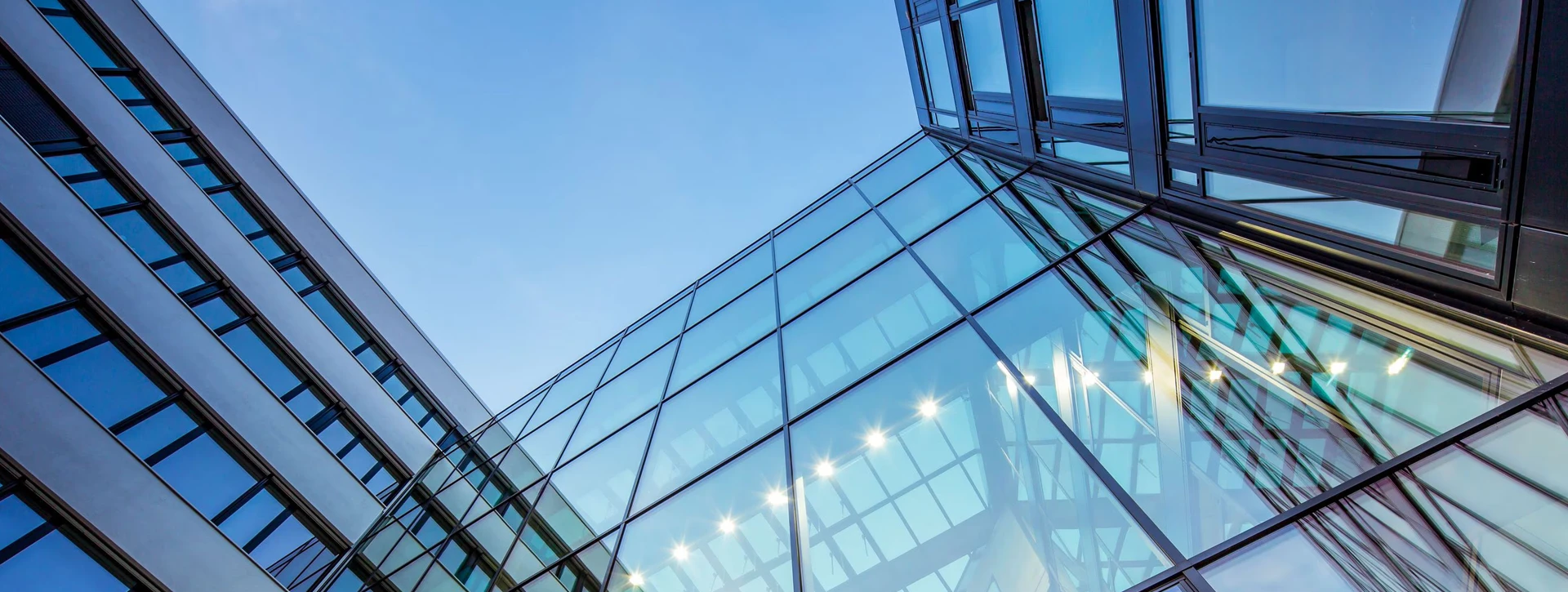
At first glance, expanded metal cladding might not sound like something that shapes skylines or changes lives. Yet, this clever material has quietly become a cornerstone across industries worldwide. From the towering glass façades of urban offices to critical infrastructure in remote regions, expanded metal cladding plays more than just a decorative role — it’s about durability, ventilation, and yes, sustainability. In a world eager to balance cost, environmental impact, and longevity, grasping what expanded metal cladding offers can actually help industries and governments meet some pretty tough challenges.
Globally, as urban populations swell and climate concerns mount, the construction sector is under pressure to modernize. According to the International Organization for Standardization (ISO), buildings account for nearly 40% of global energy consumption. Efficient materials can reduce that footprint substantially. Expanded metal cladding is one such solution — combining ventilation with protection, it tackles both thermal management and structural resilience.
Yet the challenge remains: How do you build facades and coverings that stand harsh weather, support sustainability goals, and still come in at the right price? Expanded metal cladding addresses these by offering adaptive features without the hefty cost of more exotic materials. The World Bank recently highlighted the need for scalable, durable building solutions in developing megacities; expanded metal fits right into that narrative.
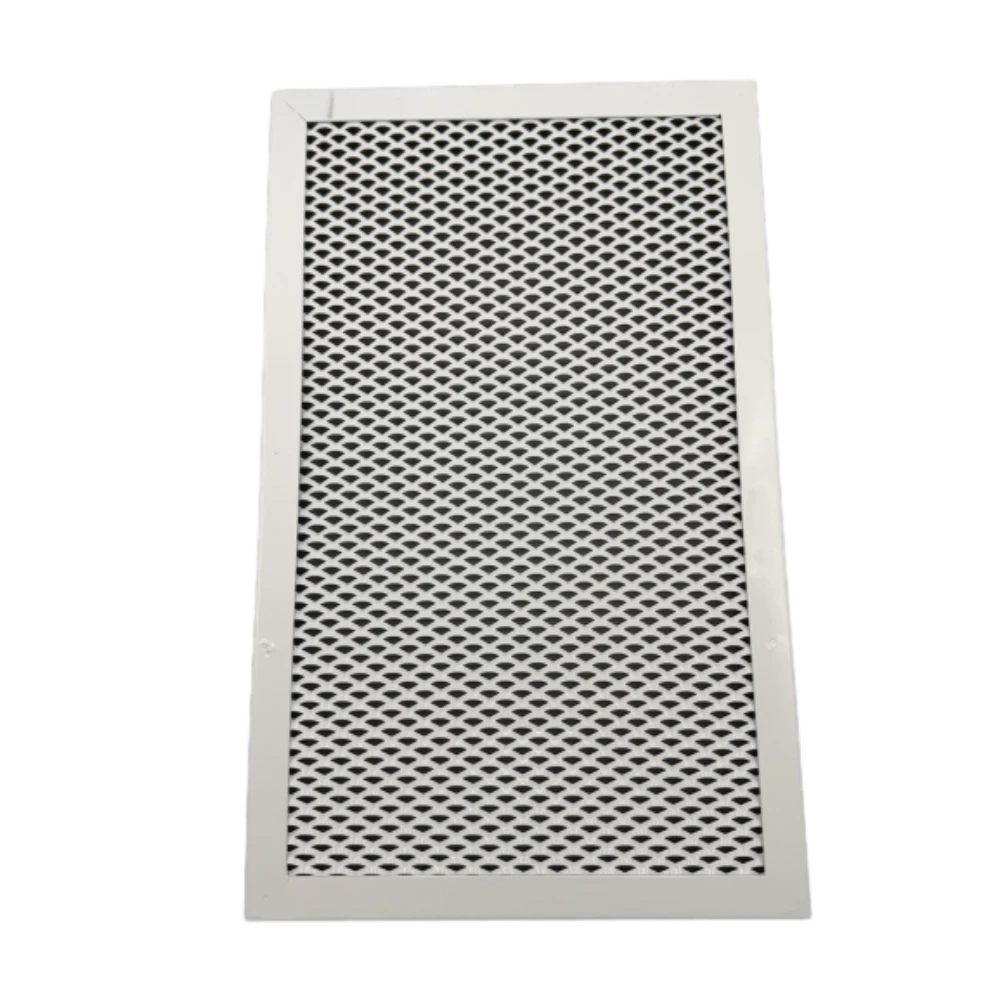
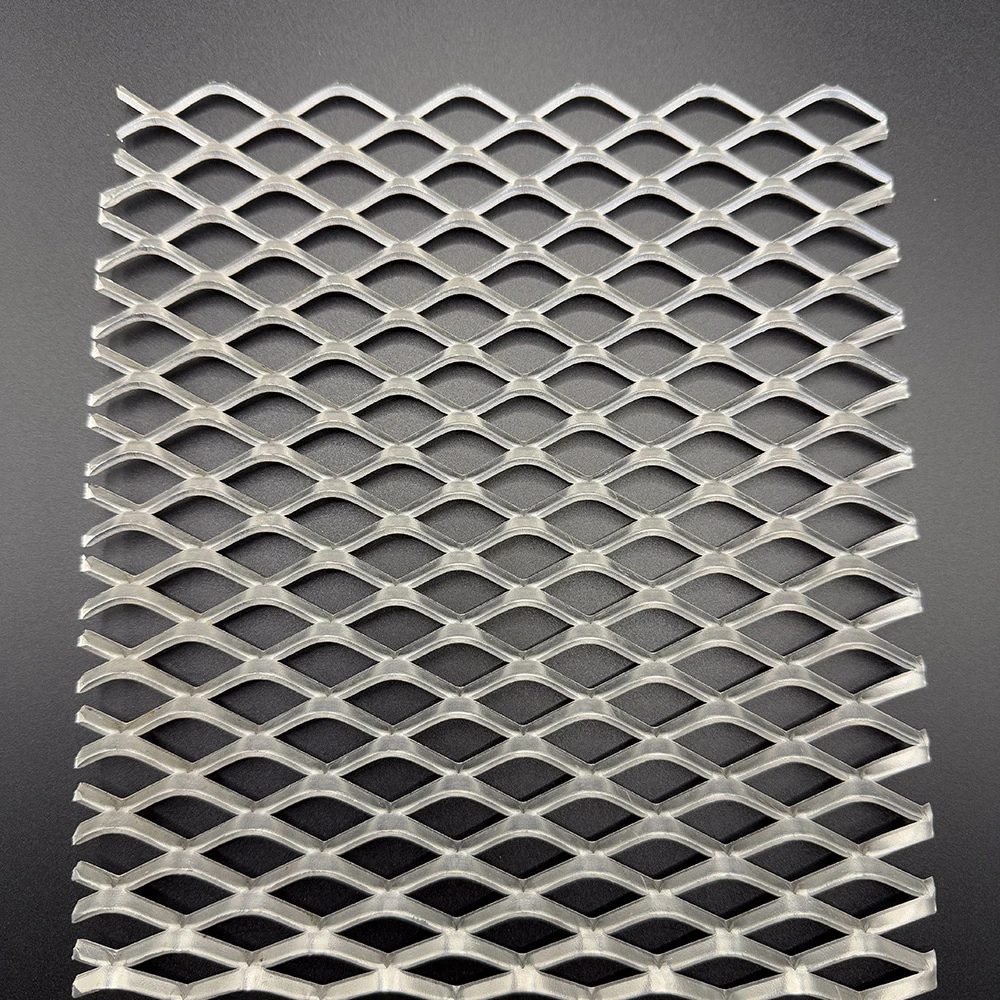
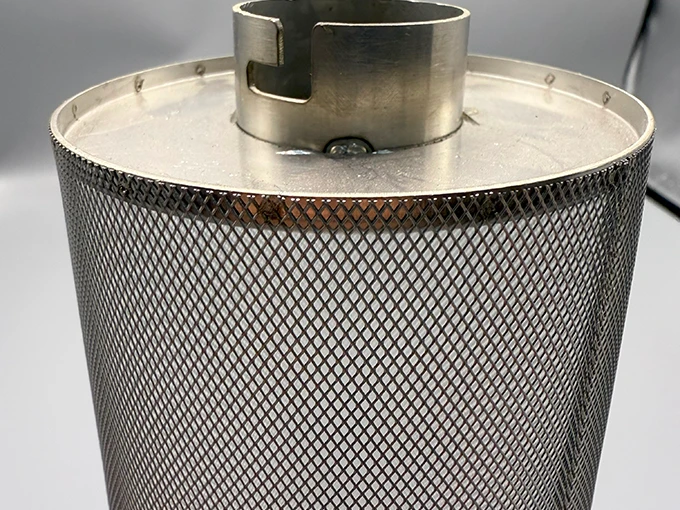
So what exactly do we mean by expanded metal cladding? Think of a single sheet of metal, slit and stretched into a mesh-like pattern without losing its integrity. This “expanded” sheet forms a grid that’s stronger and lighter than solid metal plates. When used as cladding, it grills or covers buildings — often wrapping walls, ceilings, or facades — providing a protective layer that lets air and light flow.
This mesh isn’t just about looks or ventilation; it’s a smart, modern technique supporting everything from industrial warehouses to humanitarian shelters. NGOs working in disaster zones frequently deploy temporary housing or facilities using expanded metal components — the material’s adaptability and strength proving invaluable.
Unlike painted or coated panels that can peel or rot, expanded metal cladding is usually made from heavy-gauge steel, aluminum, or stainless steel — metals that stand up well against corrosion, physical impact, and harsh weather patterns. That’s why many engineers trust it for seaside structures or industrial buildings.
The mesh pattern isn’t just a design statement. It allows passive air circulation, reducing reliance on energy-intensive cooling systems. In climates where heat buildup is serious, this can translate into meaningful energy savings without sacrificing protection.
Because it starts as one material expanded rather than multiple components welded together, it’s inherently less expensive to manufacture and install — and yet, it performs many functions at once. This characteristic makes it a favorite in budget-sensitive infrastructure projects.
Expanded metal cladding is easy to adapt. It can be cut and shaped on site to fit complex geometries or modular designs, supporting everything from small retail installations to sprawling industrial compounds.
| Specification | Typical Value | Units |
|---|---|---|
| Material | Aluminum / Stainless Steel | - |
| Thickness Range | 0.8 – 3.0 | mm |
| Weight | 2.5 – 5.0 | kg/m² |
| Open Area | 40 – 70 | % |
| Tensile Strength | 320 – 450 | MPa |
Expanded metal cladding is everywhere, though you might not always notice it immediately. In Europe, it’s common in expanded metal cladding for commercial buildings where ventilation and aesthetics merge. In Southeast Asia, hurricane-resistant homes often use this mesh to balance protection with airflow — critical in humid environments.
Humanitarian operations have also caught onto its potential. For example, after the 2015 Nepal earthquake, emergency shelters outfitted with expanded metal cladding panels helped release trapped heat, creating safer and more comfortable spaces for displaced families.
Industrial zones in Africa employ it to provide fencing and protective skins for factories and warehouses, providing both security and environmental shielding.
| Vendor | Materials Offered | Customization Options | Lead Time | Target Industry |
|---|---|---|---|---|
| CC Metal Mesh | Aluminum, Stainless Steel, Galvanized Steel | Custom sizes, finishes, mesh patterns | 2-4 weeks | Construction, Industrial, Humanitarian |
| MeshWorks Inc. | Aluminum, Steel | Standard patterns only | 3-6 weeks | Commercial, Infrastructure |
| Global Metal Solutions | Stainless Steel, Galvanized Steel | High customization with coatings | 4-5 weeks | Industrial, Marine, Energy |
Frankly, the material world is being redefined by sustainability commitments and digital tools. Expanded metal cladding is no exception. Advances in coated alloys boost corrosion resistance, while digital fabrication enables more intricate patterns that architects dream about.
With increasing integration of photovoltaic cells and smart sensors, expanded metal meshes may do double duty — protecting and generating energy, or monitoring building health. That sort of “smart skin” concept feels futuristic but is quickly becoming pragmatic.
Naturally, expanded metal cladding isn't without its quirks. Installation can be trickier than with flat panels due to flexibility. Also, if poorly specified, heat loss may ironically increase in some colder climates. But clever engineers now combine it with insulating layers or use coatings that dynamically adjust reflectivity.
A recent approach involves hybrid cladding systems — pairing expanded metal with glass or composite materials — to optimize both airflow and insulation, balancing energy efficiency year-round.
Expanded metal cladding’s mesh design lets air pass through naturally, reducing heat buildup inside buildings and lowering the need for mechanical cooling. This passive ventilation can enhance indoor comfort, especially in warmer climates, while protecting from debris and pests.
Yes, when properly specified and installed, it resists wind loads, rain, and impacts better than many alternative cladding systems. Its tensile strength and corrosion resistance make it reliable in harsh coastal or industrial environments.
Generally, yes. Many expanded metal panels are made from recycled metals and require less material per area, leading to lower carbon footprints. Plus, its energy-saving benefits over time add to its green credentials.
Very. You can tailor mesh size, shape, finish, and color to match aesthetic or functional needs. This makes it popular among architects who want to marry form and function.
It’s widely used in construction, manufacturing plants, energy sectors, and humanitarian projects. Anywhere durability, airflow, and safety intersect, expanded metal provides value.
At the end of the day, expanded metal cladding sits quietly at the intersection of engineering, design, and sustainability. If you’re involved in building projects — whether large-scale urban developments or emergency housing — understanding this material unlocks smart, cost-effective choices. Its adaptability and benefits continue to grow as technology and needs evolve, making it well worth the investment of your time.
Curious to dive deeper or see samples? Don’t miss a visit to CC Metal Mesh — a leader in expanded metal solutions worldwide. They’ve got the kind of expertise worth leaning on.
Mini Takeaway: Expanded metal cladding is more than a pretty pattern — it’s a fusion of durability, ventilation, sustainability, and design often overlooked but deeply impactful in modern construction.
References:
1. International Organization for Standardization (ISO)
2. World Bank - Urban Development
3. Wikipedia - Expanded Metal



![$item[alt]](https://images.exportstart.com/images/a1393/cc-7691.webp "$item[title]")