If you’ve ever peeked behind a fence, glanced at a ventilation grate, or inspected certain architectural cladding, you’ve probably seen expanded metal without realizing it. Specifically, expanded metal GR 50080 has been making waves globally in construction, industrial design, and even humanitarian sectors. But why should anybody care?
Expanded metal isn’t just “metal with holes.” It’s a clever, lightweight yet strong meshed material that changes the game for ventilation, security, strength, and flexibility. In real terms, understanding this particular grade — GR 50080 — opens doors to innovation in infrastructure, safety solutions, and sustainable material use worldwide.
And here’s where it gets exciting: with international trends demanding materials that are both durable and eco-friendly, expanded metal GR 50080 sits at a crossroads of practicality and progress.
Time for some context. The global metal industry is trying to balance endless demands for strength, cost-efficiency, and sustainability. According to recent ISO standards, high-performance metal materials need to deliver in harsh conditions without a carbon footprint that feels like a guilt trip.
Worldwide infrastructure growth — powered by the UN’s push for resilient cities — is fueling demand for materials that can keep up without weighing projects down financially or environmentally. Here’s where expanded metal GR 50080 shines. Its mesh pattern allows air, light, and even water through, making it indispensable for ventilation and protection systems in factories, public buildings, and transport hubs.
Oddly enough, many governments and organizations bring it in to address problems as varied as public safety, disaster relief infrastructure, and secure fencing — all areas that need strength without bulk.
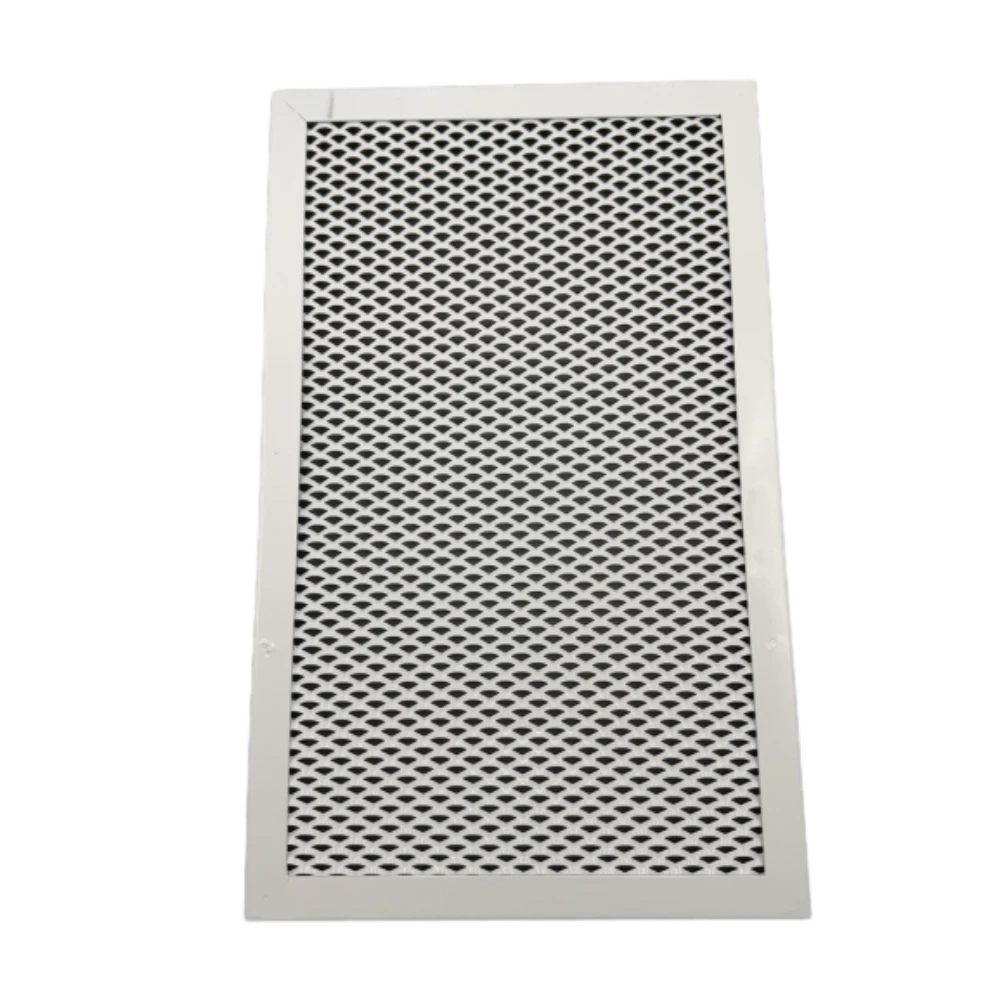
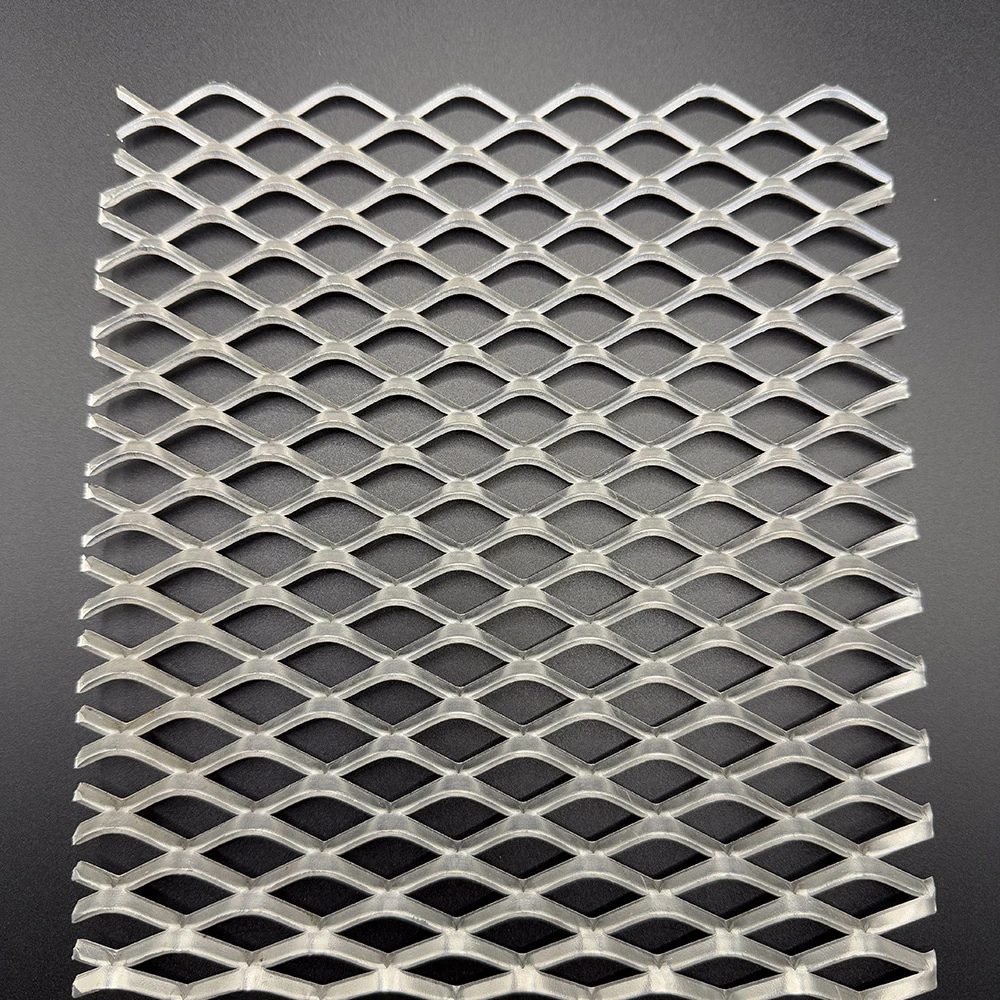
Mini takeaway: Expanded metal GR 50080 isn’t just some industrial afterthought; it’s part of a global effort to build smarter, lighter, and greener environments.Simply put, expanded metal is a sheet of metal that’s been cut and stretched to form a diamond-shaped mesh. There are variants, with GR 50080 specifically referring to a type with technical specs suited for medium-heavy-duty applications. Think of it as a steel net that’s cheaper and stronger than welded wire mesh but way more flexible in use.
This material is also part of modern industry’s toolkit for meeting needs ranging from architectural aesthetics to functional necessities like anti-slip flooring or improved drainage barriers.
Humanitarian sectors love it, too — because expanded metal GR 50080 can transform container shelters or temporary partitions into breathable, safe spaces without hefty transport costs.
Unlike solid steel plates, the stretched mesh in expanded metal GR 50080 deals with stress by dispersing it across its grid rather than concentrating force. Many engineers say this leads to improved impact resistance and less cracking over time.
It’s produced from various metals — most commonly steel or aluminum — letting manufacturers tailor weight, corrosion resistance, and cost based on project needs. This scalability has boosted its appeal worldwide, from southern deserts to northern industrial zones.
Since expanded metal is made by cutting and stretching (expanding) rather than welding or weaving, manufacturing wastes far less metal. For businesses, this means budget-friendly supply without compromising specs.
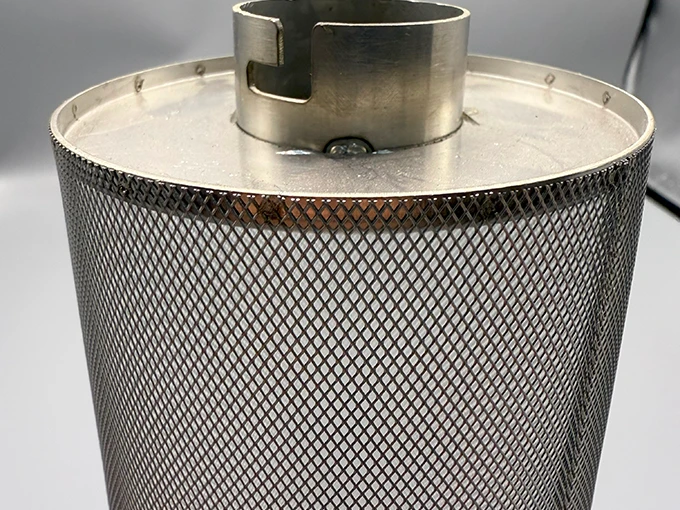
Use it for everything from stair treads and machine guards to window screenings or even artistic facade panels. Its adaptability is a big part of why the market adoption rate is climbing steadily.
Many producers now treat expanded metal GR 50080 with eco-friendly coatings—think powder coatings or galvanization—which extend lifespan and lower environmental impact during disposal.
Mini takeaway: These core qualities blend to create an all-purpose material ready for ambitious uses.Where do we see expanded metal GR 50080 actually making a difference? Places and projects are surprisingly diverse.
From the cold tundras in Canada to sun-baked construction sites in Middle Eastern deserts, this product is cross-cultural and cross-sectoral in appeal.
In a way, investing in expanded metal GR 50080 feels like buying a reliable coworker who will not falter. It offers:
If you’ve ever been inside a safe building or passed a well-ventilated station, you’ve probably experienced the quiet magic of materials like GR 50080 — often unnoticed yet fundamentally supportive.
The horizon for expanded metal includes exciting developments:
It’s refreshing to see such an “old” material reinvent itself for 21st century challenges.
Of course, it’s not always smooth sailing. Challenges include:
Experts recommend tailored coatings, rigorous testing, and international collaboration on standards to address these. The industry is catching up fast.
| Specification | Details |
|---|---|
| Material | Carbon Steel / Aluminum |
| Mesh Size | 50 x 80 mm (diamond pattern) |
| Thickness | 2.0 – 3.5 mm |
| Weight | Around 3.2 – 5.5 kg/m² |
| Surface Treatment | Galvanized, Powder Coated |
| Tensile Strength | Approx. 500 MPa |
| Vendor | Price/kg | Coating Options | Lead Time | Customization |
|---|---|---|---|---|
| MetalPlus Co. | $2.50 | Galvanized, Powder Coated | 2 weeks | Standard sizes only |
| Global Exp Metals | $2.70 | Galvanized, Anodized | 3 weeks | Custom mesh sizes |
| SteelGrid Inc. | $2.40 | Powder Coated only | 1.5 weeks | Bulk orders, custom lengths |
A: The key lies in its manufacturing process — expanding metal sheets creates a strong, continuous mesh without welding points, which are weak spots. This means less chance of breakage and usually lower costs due to less wasted material. Plus, the diamond mesh allows better airflow and light penetration.
A: Lifespan varies depending on surface treatment but typically ranges from 10 to 25 years if galvanized or powder-coated properly. Regular maintenance can extend this, especially in corrosive or high-traffic zones.
A: Generally yes. It uses less raw metal, reducing waste, and is often made from recyclable steel. Plus, coatings now aim to minimize harmful chemicals, aligning with stricter global sustainability standards.
A: Absolutely. Many suppliers offer fast shipping and customization for relief projects. It’s lightweight, strong, and ideal for modular setups — making it a favorite in disaster zones or remote areas.
Check credible suppliers like expanded metal gr 50080 and ask for product specs matching your application. Consulting with engineers experienced in this material will also help tailor solutions efficiently.
Expanded metal GR 50080 isn’t just another industrial product. It’s a versatile, cost-efficient, and sustainable choice that’s quietly underpinning efforts from urban infrastructure to rapid disaster response.
If you want your projects to benefit from lifting weight without losing strength or to contribute to greener building practices, this grade offers a tough, flexible solution.
Ready to explore more? Visit our website for detailed info and supplier contacts. In the world of metal meshes, GR 50080 might just be your next best bet.
References:



![$item[alt]](https://images.exportstart.com/images/a1393/cc-7691.webp "$item[title]")