Look, I’ve been running around construction sites for fifteen years, and let me tell you, things are changing fast. Everyone’s talking about prefabrication, modular builds, trying to get away from all the on-site dust and delays. And that means demand for good expanded metal mesh for sale is way up. It’s not just construction, either. Security, filtration, even art installations… folks are finding new uses all the time. But honestly, most people just think it’s a simple sheet of metal. They don’t realize how much can go wrong, or how much difference a little extra attention to detail can make.
Have you noticed how many suppliers are popping up overnight? Seriously, I saw a new one just last week at the Guangzhou fair. They all say their mesh is high-quality, corrosion-resistant, blah blah blah. But what does that actually mean when you're trying to get a walkway secured on a windy day? It's about the steel grade, the expansion process, and the finish… all stuff they gloss over in their brochures.
And the biggest problem? Everyone's obsessed with price. “Give me the cheapest, I need it yesterday.” That’s a recipe for disaster. You get what you pay for, every single time. I swear, I’ve seen too many projects held up because someone skimped on the mesh and it started to rust after a few months. It’s a headache for everyone involved, and ultimately costs more to fix.
The Rise of Prefabrication and Expanded Metal Mesh for Sale
To be honest, the whole prefabrication thing is a double-edged sword. It’s faster, cleaner, and more controlled. But it also puts a lot more pressure on the materials. Everything has to be perfect before it leaves the factory, because you can’t easily fix mistakes on-site. That’s where the quality of the expanded metal mesh for sale really matters. It needs to withstand the stresses of transport, installation, and long-term use. I encountered this issue at a factory in Tianjin last time – they were using some cheap, imported mesh, and the welds were already cracking before it even left the workshop.
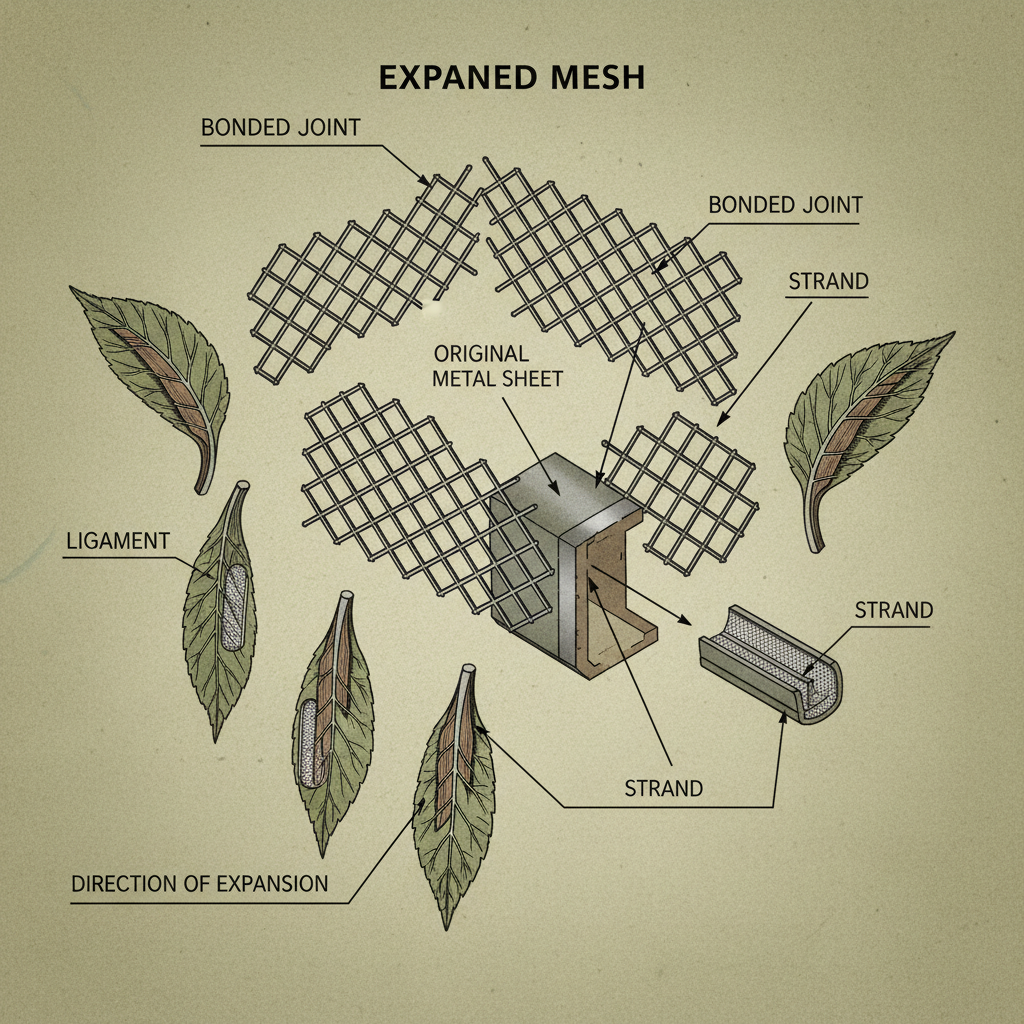
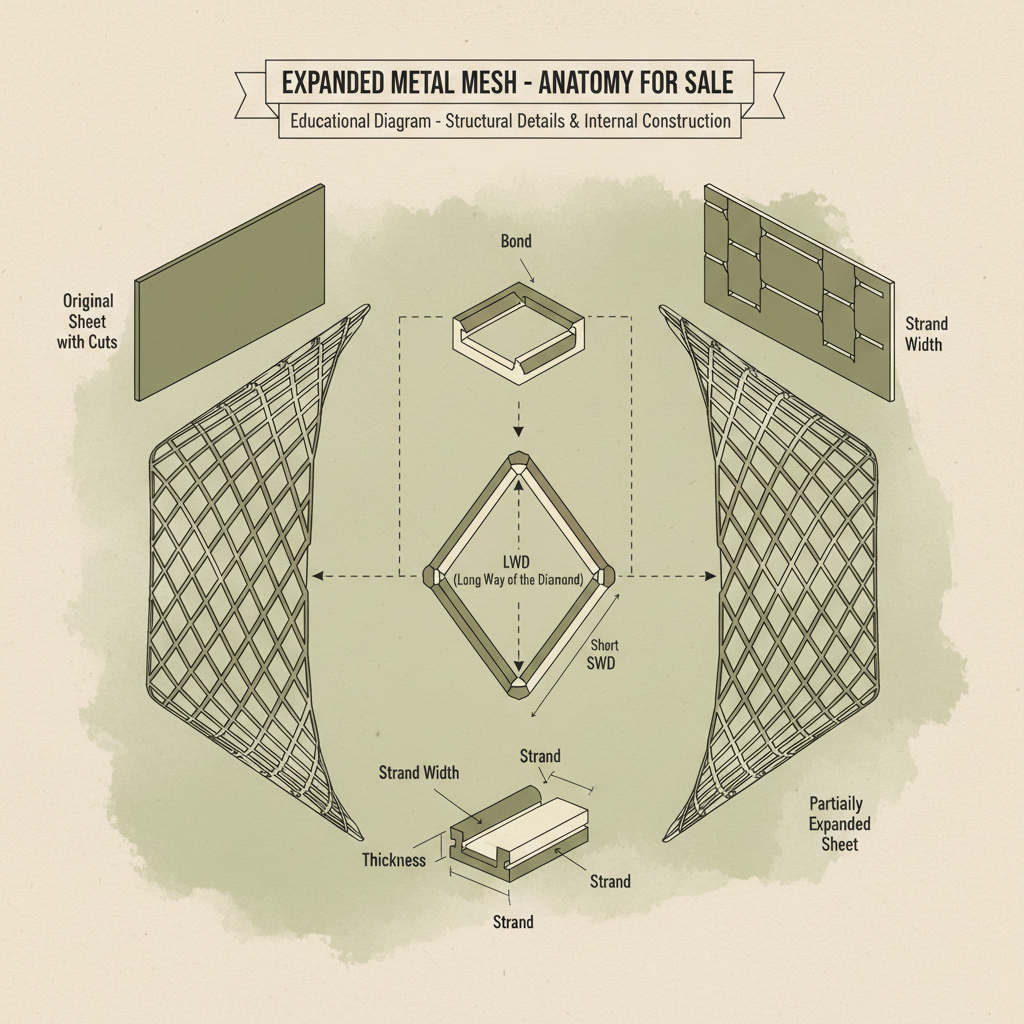
Strangely, a lot of engineers still treat it like a commodity. “It’s just mesh, right? How hard can it be?” They don’t realize that the expansion process itself creates residual stresses in the metal, and that those stresses can affect its performance over time. It's not just about the gauge of the wire, it’s about how it’s expanded.
Design Pitfalls and Material Considerations in expanded metal mesh for sale
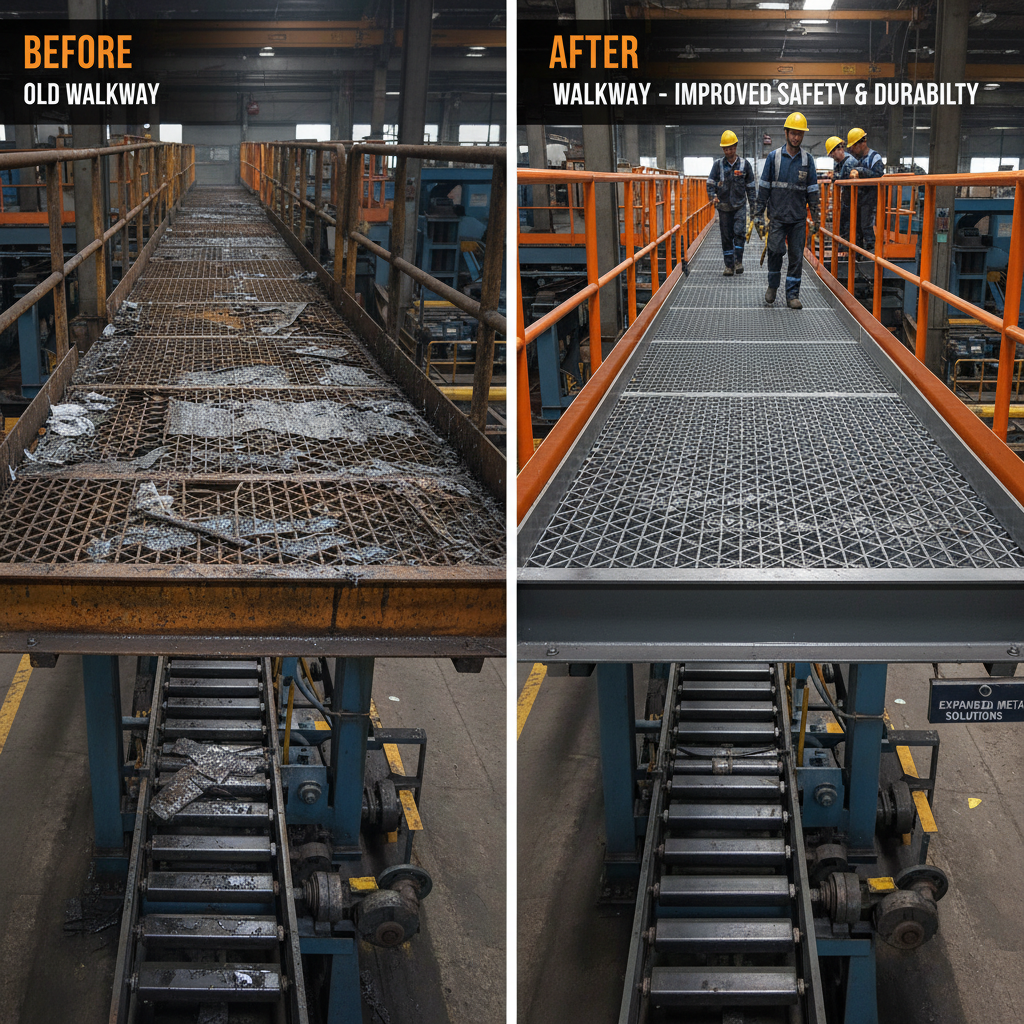
I've seen so many designs where the mesh isn't properly integrated into the overall structure. They'll use it for a walkway, but the supports are too far apart, and it ends up flexing and bending under load. Or they'll use it for a facade, but they don't account for thermal expansion and contraction, and the whole thing starts to buckle. You gotta think about the whole system, not just the mesh itself. It's about the load distribution, the fastening methods, and the surrounding materials.
And speaking of materials, stainless steel is almost always the best choice, especially in coastal areas or harsh environments. But it’s expensive. Carbon steel is cheaper, but you need to galvanize it properly to prevent rust. And even then, the galvanizing can wear away over time, especially if it’s exposed to saltwater or chemicals. I once spent a week chasing a corrosion problem at a wastewater treatment plant… it turned out they'd used a substandard galvanizing process.
Anyway, I think the biggest mistake people make is not considering the finish. A sharp, unfinished edge can be a safety hazard. And a poorly applied coating can peel and flake, creating an eyesore and potentially compromising the integrity of the mesh.
Real-World Testing and Quality Assurance of expanded metal mesh for sale
Forget the lab tests. Those are useful for getting a baseline, but they don’t tell you how the mesh will perform in the real world. I’ve seen mesh pass all the lab tests and still fail miserably on-site. That’s why I always insist on seeing it installed and tested under actual load conditions. We'll take samples back to the site, expose them to the elements, and see what happens over time. I've even had guys simulate years of weathering by burying samples in concrete and then digging them up after a few months. It’s not pretty, but it works.
The smell is a good indicator, too. Seriously. Bad steel smells bad. It’s hard to describe, but you get used to it after a while. It's like a metallic tang, mixed with something…off. And the way it feels under your hands. Good quality mesh is solid and consistent. Cheap mesh feels flimsy and uneven. I know it sounds crazy, but I’ve learned to trust my instincts.
The other thing is weld strength. You need to be absolutely sure those welds are going to hold. We do pull tests, of course, but we also look for things like porosity and undercut. Any imperfections in the weld can significantly reduce its strength. Later... Forget it, I won’t mention how many times I've had to redo welds because the guys in the shop were cutting corners.
Actual Usage vs. Intended Application of expanded metal mesh for sale
It's funny, you design something for one purpose, and then people find a completely different use for it. I remember one project where we supplied mesh for a ventilation system, and the client ended up using it as a climbing frame for their kids! Thankfully, it was strong enough to handle it, but it definitely wasn't what we intended.
More often, it's about people misusing it. Like, using a lightweight mesh for a heavy-duty application. Or trying to span too much distance between supports. You gotta educate the end-users, explain the limitations of the material, and make sure they understand how to install it correctly. It's not enough to just sell them the mesh; you gotta provide them with the knowledge and support they need to use it safely and effectively.
Performance Metrics for Different expanded metal mesh for sale Applications
Advantages, Disadvantages, and Customization of expanded metal mesh for sale
Look, it’s strong, relatively lightweight, and provides excellent ventilation. Those are the big advantages. It’s also surprisingly versatile. You can cut it, bend it, weld it… do pretty much anything you want with it. But it's not perfect. It can be expensive, especially if you need a high-quality material. And it can be difficult to handle, especially the larger sheets. The edges are always sharp, so you gotta wear gloves.
Customization is key. I had a client last year who needed mesh with a specific aperture size to accommodate a particular type of sensor. We worked with the manufacturer to create a custom die, and it solved their problem perfectly. You can also customize the sheet size, the material grade, the finish… pretty much anything you can imagine.
A Customer Story: The Debacle and expanded metal mesh for sale
Last month, that small boss in Shenzhen who makes smart home devices – Mr. Li, always wearing a white shirt – insisted on changing the mounting brackets for his sensors to use connectors. Said it was “the future.” He wanted us to weld the expanded metal mesh for sale mounting brackets directly onto the mesh panel. Seemed simple enough. We explained the potential for galvanic corrosion between the aluminum connectors and the steel mesh, but he wouldn’t listen. "Just make it work," he said.
Turns out, he was right about one thing – it didn't work. Within two weeks, the aluminum connectors were corroded, and the sensors were falling off. He called us, furious. We had to go back and redesign the mounting system using stainless steel connectors and isolating washers. It cost him a fortune, and it could have been avoided if he’d just listened to our advice.
He's a smart guy, but he doesn't understand materials. That's what happens when engineers get obsessed with the latest tech and forget about the basics.
Material Comparison and Practical Application of expanded metal mesh for sale
Here's a quick rundown. Carbon steel is cheap, but rusts easily. Galvanized steel is better, but the coating wears off. Stainless steel is the best, but expensive. Aluminum is lightweight, but not as strong. And then there's titanium... forget about titanium unless you're building a spaceship.
The application dictates the material. For walkways, you want stainless steel or high-strength galvanized steel. For security fencing, you can get away with carbon steel, but make sure it's properly coated. For filtration, you need a material that's resistant to corrosion and won't leach any harmful chemicals into the fluid. It's all about understanding the environment and choosing the right material for the job.
And remember, the gauge of the wire and the size of the apertures matter. A heavier gauge wire provides more strength, while a smaller aperture provides more security. There's always a trade-off.
Core Material Properties for expanded metal mesh for sale Selection
| Material |
Cost (USD/sq meter) |
Corrosion Resistance (1-10) |
Tensile Strength (MPa) |
| Carbon Steel |
15 |
3 |
400 |
| Galvanized Steel |
25 |
6 |
450 |
| Stainless Steel (304) |
60 |
9 |
500 |
| Aluminum |
35 |
5 |
280 |
| Stainless Steel (316) |
80 |
10 |
550 |
| Expanded Metal with PVC Coating |
40 |
7 |
420 |
FAQS
Honestly, it’s underestimating the environment. They think, "Oh, it's just going to be indoors," or "It's not near the ocean." But moisture, chemicals, even just regular wear and tear can take a toll. You gotta over-engineer it a bit, always. Choose a material and coating that can handle more than you think you need. That's saved me a lot of headaches over the years.
It's surprisingly important. The pattern affects the load distribution, the amount of open area, and even the aesthetics. Long narrow patterns are good for walkways, because they provide a good grip. Square patterns are good for security fencing, because they're harder to climb. It all depends on the application. Don't just pick one at random.
That’s a good question! Slitting and shearing is common, but it can create stress concentrations. Stretch forming is generally better, but more expensive. The quality of the die is crucial, too. A poorly maintained die will produce mesh with inconsistent aperture sizes and rough edges. And if the expansion isn't done properly, it can warp and distort the mesh.
You can, but it's tricky. Welding can alter the metal's microstructure and reduce its corrosion resistance. You need to use the right welding process and filler metal, and you need to be careful not to overheat the mesh. Post-weld heat treatment can help restore some of the original properties. It's best to avoid welding if possible.
Absolutely. Pre-fabricated panels are cut to size, welded, and finished in a controlled environment. That means you get a higher-quality product with tighter tolerances. It also saves you time and labor on-site. It's worth the extra cost, especially for larger projects.
That depends on the load requirements, the application, and the aesthetic considerations. You need to calculate the maximum load the mesh will be subjected to and choose a gauge and aperture size that can handle it. You also need to consider the size of any objects that might pass through the mesh. It’s always best to consult with a structural engineer.
Conclusion
So, there you have it. Expanded metal mesh for sale isn't just a commodity; it's a critical component in a lot of different applications. Choosing the right material, understanding the design pitfalls, and paying attention to the details can make all the difference between a successful project and a costly disaster. It’s about more than just specs and numbers. It’s about understanding how the material behaves in the real world and anticipating potential problems.
Ultimately, whether this thing works or not, the worker will know the moment he tightens the screw. If it feels solid, if it fits right, if it looks right… then you've got a good piece of mesh. If it feels flimsy, if it's bent or warped, if it just doesn't seem right… trust your gut. You're better off starting over than trying to make something work that's fundamentally flawed. For all your expanded metal mesh for sale needs, visit us at www.ccmetalmesh.com.