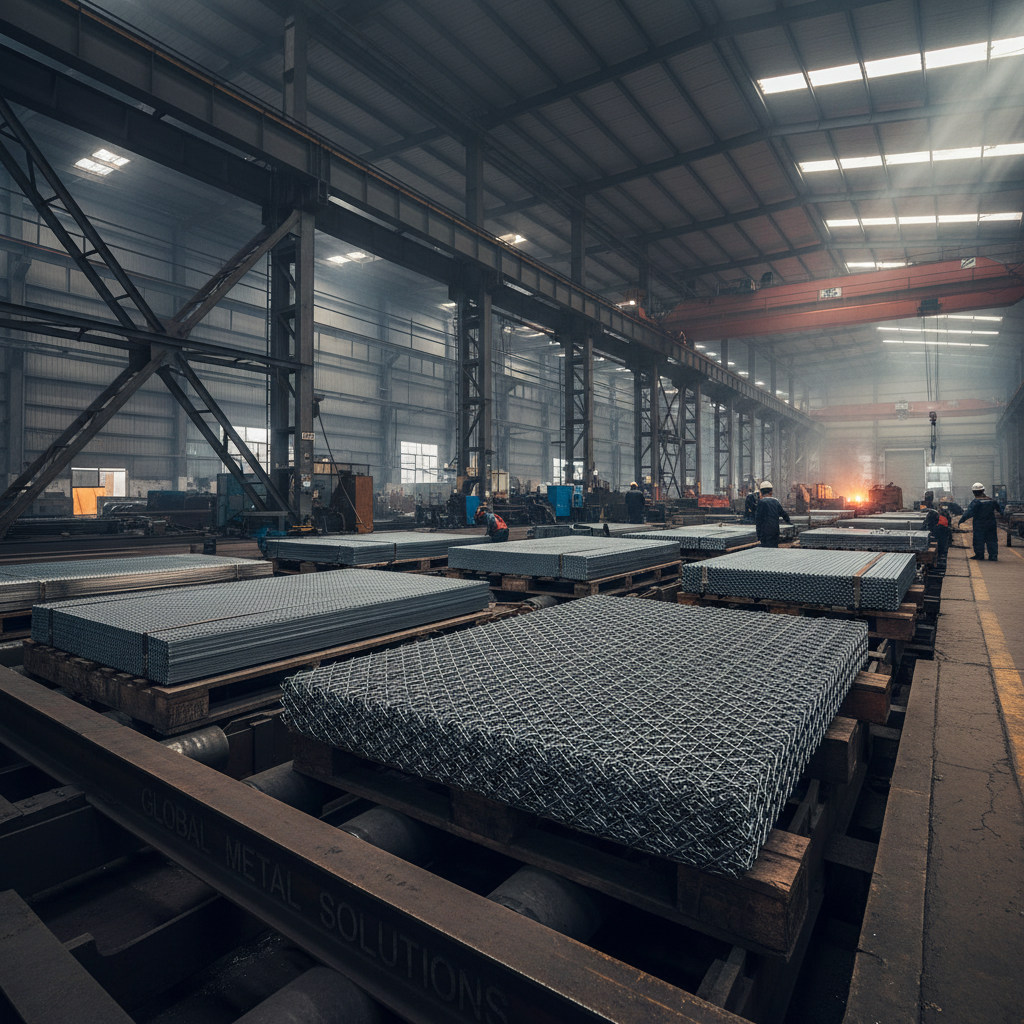
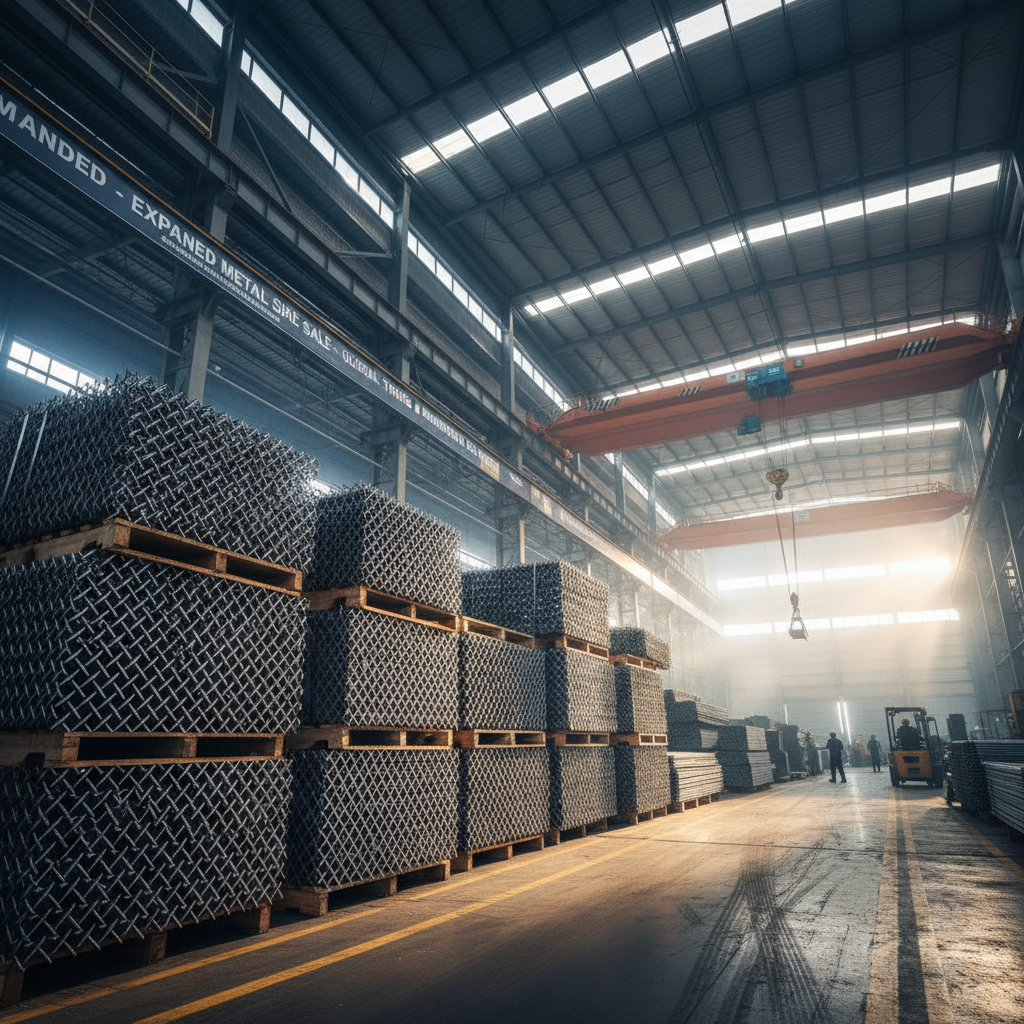
Expanded metal types represent a crucial element in modern infrastructure and diverse industrial applications. Their unique combination of strength, lightweight nature, and open-area ratio makes them invaluable across numerous sectors, from construction and security to filtration and even artistic design. Understanding the nuances of different expanded metal types is critical for engineers, architects, and procurement specialists seeking optimal solutions for their specific needs. This knowledge empowers informed decision-making, leading to enhanced project efficiency, cost-effectiveness, and long-term durability.
Globally, the demand for expanded metal continues to rise, fueled by infrastructure development in emerging economies and a growing emphasis on safety and security measures worldwide. The versatility of expanded metal types allows for customization to meet precise specifications, making them ideal for projects ranging from large-scale bridges and tunnels to intricate architectural facades and protective barriers. The market is experiencing innovation in materials and manufacturing techniques, driving further adoption across industries.
The inherent advantages of expanded metal – including its non-slip surface, excellent ventilation properties, and cost-competitive pricing – contribute significantly to its widespread use. Its ease of fabrication and integration into existing structures further enhance its appeal, solidifying its position as a vital material in a vast array of applications.
The Significance of Expanded Metal Types
Expanded metal types are integral to modern construction, industrial design, and security solutions. Their unique manufacturing process creates a strong, lightweight material with a high open area, allowing for efficient airflow and visibility. This inherent versatility positions expanded metal as a superior alternative to traditional materials in a multitude of scenarios.
The increasing demand for sustainable and cost-effective building materials has further propelled the growth of the expanded metal market. Its recyclability and long lifespan contribute to environmental responsibility, aligning with global efforts to reduce carbon footprints and promote circular economy principles. expanded metal types are not just materials; they're solutions designed for durability, safety, and efficiency.
Defining Expanded Metal Types
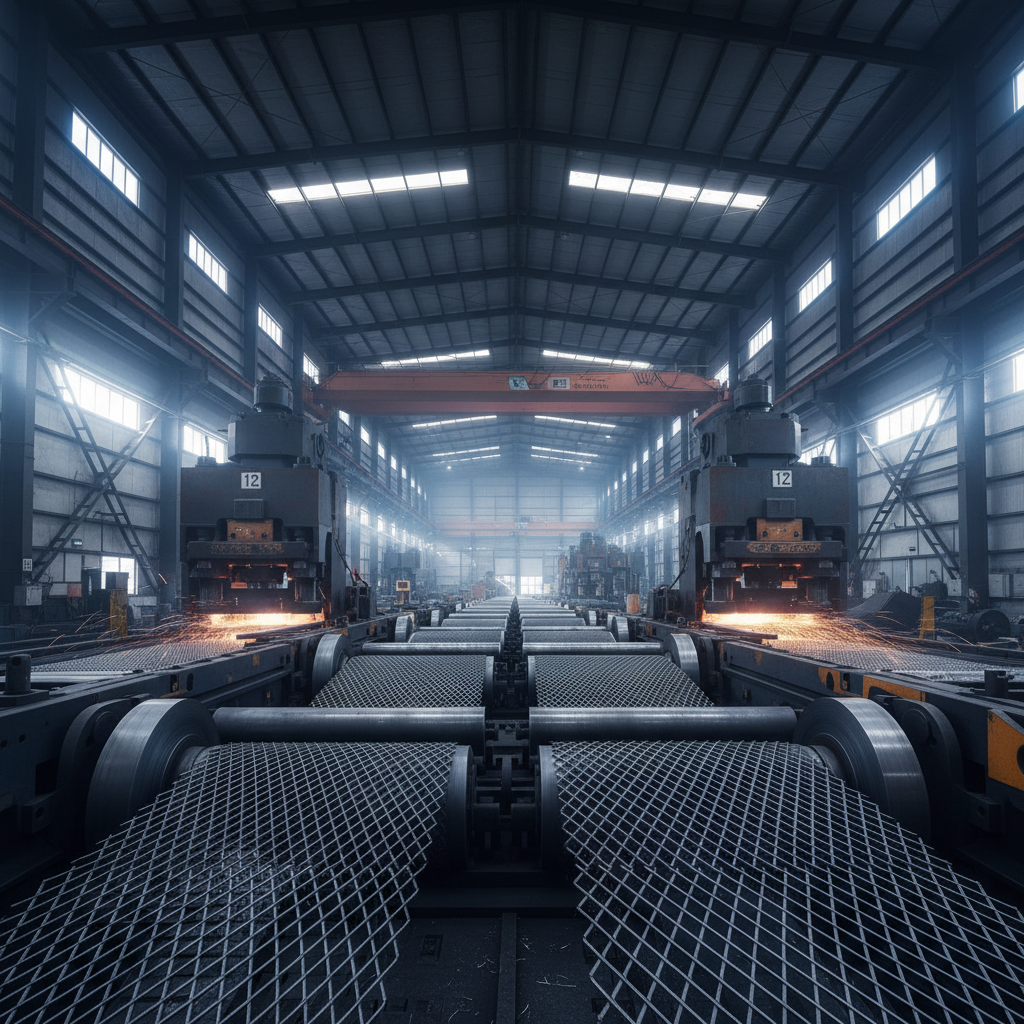
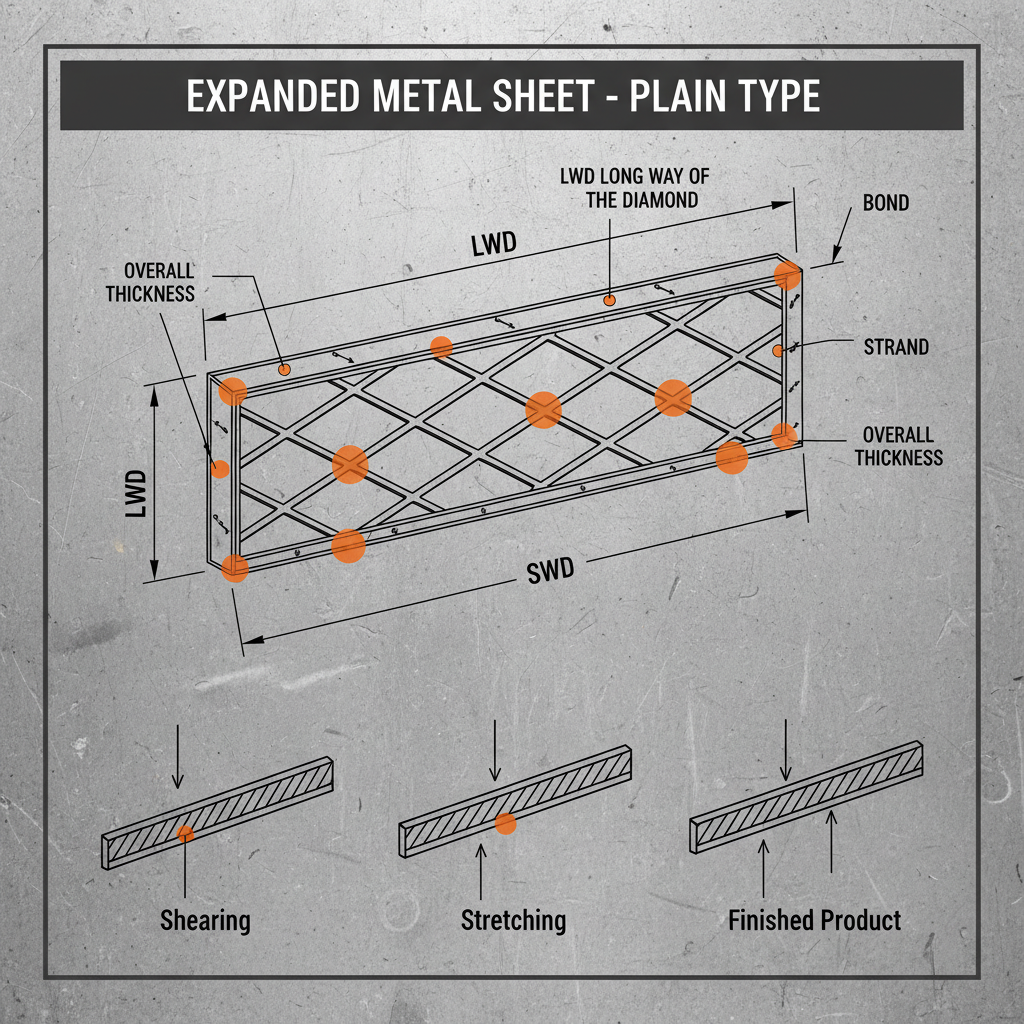
Expanded metal types are created by slitting and stretching a sheet of metal, resulting in a rigid mesh with diamond-shaped openings. Unlike woven wire mesh, expanded metal is formed from a single piece of metal, eliminating the risk of unraveling and providing exceptional strength and structural integrity. The process doesn't involve welding, reducing weak points and enhancing the material’s overall durability.
Different expanded metal types are categorized based on several factors, including the metal material (steel, aluminum, stainless steel, etc.), the shape and size of the openings (small, medium, large diamond, hexagonal), and the thickness of the sheet metal used. These variations allow for customization to suit a wide range of applications and performance requirements.
This manufacturing process connects seamlessly to modern industry, offering solutions that range from filtration systems and noise reduction barriers to architectural cladding and safety grating. In humanitarian contexts, expanded metal provides durable and readily deployable materials for temporary shelters and infrastructure projects.
Core Characteristics of Expanded Metal Types
The defining characteristic of expanded metal types is its exceptional strength-to-weight ratio. The stretching process work-hardens the metal, increasing its tensile strength without adding significant weight. This makes it ideal for applications where structural integrity is paramount, such as flooring, walkways, and security fencing.
Another crucial characteristic is the high open area. The diamond-shaped openings allow for excellent airflow, light transmission, and drainage. This is particularly beneficial in applications like ventilation grilles, sunshades, and filters, where unobstructed passage of air or liquids is essential. Furthermore, expanded metal’s inherent non-slip surface provides enhanced safety in walking surfaces and stair treads.
Finally, the consistent and uniform openings of expanded metal make it highly predictable in terms of performance. This reliability is crucial in engineering applications where precise dimensional control and load-bearing capacity are critical. The adaptability of expanded metal types in regards to various metals ensures compatibility with diverse environmental conditions and project requirements.
Key Advantages of Utilizing Expanded Metal Types
One significant advantage of expanded metal types is its cost-effectiveness. The manufacturing process minimizes material waste, making it more economical than other metal mesh products. This cost benefit extends throughout the product lifecycle due to its durability and low maintenance requirements.
The material’s inherent durability translates into a long service life, reducing the need for frequent replacements. This long-term value makes expanded metal a sustainable choice, minimizing lifecycle costs and environmental impact.
Comparative Performance of Expanded Metal Types
Global Applications and Diverse Use Cases
Expanded metal types find widespread application in construction, serving as flooring, walkways, stair treads, and facade cladding. Their non-slip surface and structural strength enhance safety and aesthetic appeal. In the security industry, they’re used for fencing, screens, and protective barriers, providing robust physical protection.
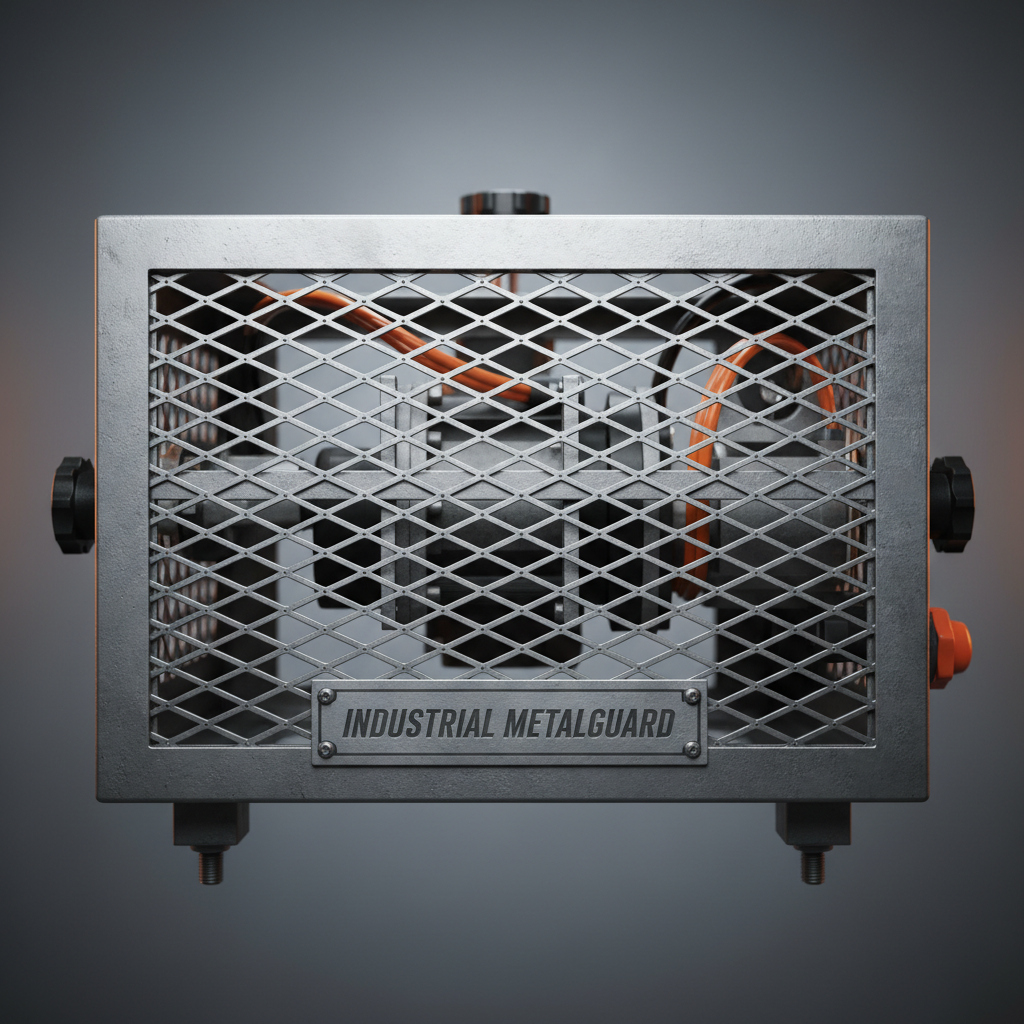
Across various industrial sectors, expanded metal is employed in filtration systems, speaker grills, machine guards, and shelving. Its open area facilitates airflow and visibility while maintaining structural integrity. In post-disaster relief operations, expanded metal sheets offer a quick and durable solution for temporary shelters and emergency infrastructure.
Long-Term Value and Sustainable Benefits
The longevity of expanded metal types contributes significantly to long-term cost savings. Its resistance to corrosion and wear minimizes maintenance requirements, reducing lifecycle expenses. The material’s inherent strength and durability ensure a prolonged service life, delaying the need for replacements.
Expanded metal is highly recyclable, promoting sustainable practices and reducing environmental impact. Using recycled materials in its production further minimizes its carbon footprint. The material’s low weight also reduces transportation costs and energy consumption.
Beyond economic and environmental benefits, expanded metal prioritizes safety. The non-slip surface prevents accidents, while the robust construction provides reliable protection. This contributes to a safer working environment and enhances the overall well-being of users.
Future Trends and Emerging Innovations
The future of expanded metal types lies in the development of new alloys and coatings that enhance corrosion resistance and performance in extreme environments. Research into innovative manufacturing techniques, such as laser cutting and 3D expansion, promises greater precision and customization capabilities.
Integration with smart technologies, such as embedded sensors for structural health monitoring, is also on the horizon. This will enable proactive maintenance and prevent failures, further extending the material’s lifespan and optimizing performance. Furthermore, a focus on sustainable materials and eco-friendly production processes will drive the adoption of expanded metal in green building initiatives.
Digital transformation in manufacturing allows for more streamlined design and production processes, reducing lead times and improving cost-efficiency. Automation in expanded metal fabrication will increase precision and repeatability, ensuring consistent quality and minimizing errors.
Summary of Expanded Metal Type Performance Characteristics
| Metal Type |
Corrosion Resistance (1-10) |
Tensile Strength (MPa) |
Cost Index (1-10) |
| Mild Steel |
4 |
400 |
3 |
| Stainless Steel 304 |
8 |
500 |
7 |
| Aluminum 5052 |
6 |
280 |
5 |
| Galvanized Steel |
7 |
450 |
4 |
| Corten Steel |
9 |
480 |
8 |
| Stainless Steel 316 |
10 |
520 |
9 |
FAQS
Expanded metal is created from a single sheet of metal that's slit and stretched, resulting in a seamless, more robust material. Woven wire mesh, however, is formed by interlacing individual wires. This means expanded metal offers superior strength, doesn’t unravel, and generally provides a more consistent opening size. The single-piece construction of expanded metal also makes it more resistant to deformation and wear compared to woven alternatives.
The metal type significantly affects performance. Steel offers high strength and cost-effectiveness, but may require corrosion protection. Aluminum is lightweight and corrosion-resistant, ideal for marine or outdoor applications. Stainless steel provides superior corrosion resistance and hygiene, making it suitable for food processing or medical environments. The selection depends on the specific environment, load requirements, and budget constraints.
The lifespan of expanded metal in outdoor applications varies based on the metal type and environmental conditions. Galvanized steel can last 10-20 years with proper maintenance. Aluminum generally lasts significantly longer due to its inherent corrosion resistance. Stainless steel offers the longest lifespan, often exceeding 50 years, even in harsh environments. Regular cleaning and protective coatings can further extend the lifespan.
Yes, expanded metal is highly customizable. Manufacturers can adjust the sheet metal thickness, the size and shape of the openings (diamond, hexagonal, etc.), and the overall dimensions to meet specific project requirements. Custom patterns can also be created to achieve unique aesthetic effects or functional performance characteristics. This flexibility is a key advantage of using expanded metal.
Yes, expanded metal is frequently used in high-security applications like fencing, screening, and access control systems. The rigid construction and difficult-to-cut nature of expanded metal provide a strong physical barrier. Thicker gauges and reinforced designs can further enhance security, making it difficult to climb or breach. Often combined with other security elements for optimal protection.
Lead times for custom expanded metal orders can vary depending on the complexity of the order, the material type, and the manufacturer's current workload. Generally, standard orders may take 2-4 weeks for production, while more complex or large-volume orders can take 6-8 weeks or longer. It’s best to contact a supplier directly to obtain an accurate quote and lead time estimate for your specific requirements.
Conclusion
Throughout this discussion, we've highlighted the pivotal role expanded metal types play across a diverse spectrum of industries. From offering exceptional strength-to-weight ratios and durability to providing cost-effective and sustainable solutions, expanded metal continues to be a material of choice for architects, engineers, and manufacturers worldwide. Its versatility, customizable nature, and long-term value contribute to its enduring relevance in modern construction and industrial applications.
Looking ahead, ongoing innovation in materials and manufacturing processes will further expand the capabilities of expanded metal types. Embracing these advancements and prioritizing sustainable practices will unlock new opportunities for its application, contributing to more resilient infrastructure, safer environments, and a more sustainable future. Explore the possibilities further and discover how expanded metal can benefit your next project. Visit our website: www.ccmetalmesh.com.