To be honest, things have been hectic. Everyone's talking about prefabrication these days, right? Prefabricated structures, modular builds…it's all the rage. I spend most of my year on construction sites, and you see a definite shift. Less cutting, less welding, more…assembly. But it's not all sunshine and roses.
Have you noticed how everyone wants 'lighter' these days? Lightweight materials, lightweight designs. They think they're saving money on transport and installation. Which, okay, they are… to a point. But lighter often means less durable, and you end up replacing things sooner. I encountered this at a factory in Ningbo last time, they were boasting about their 'ultra-light' expanded metal decking. It felt… flimsy. Smelled like new plastic, which isn’t a good sign, frankly.
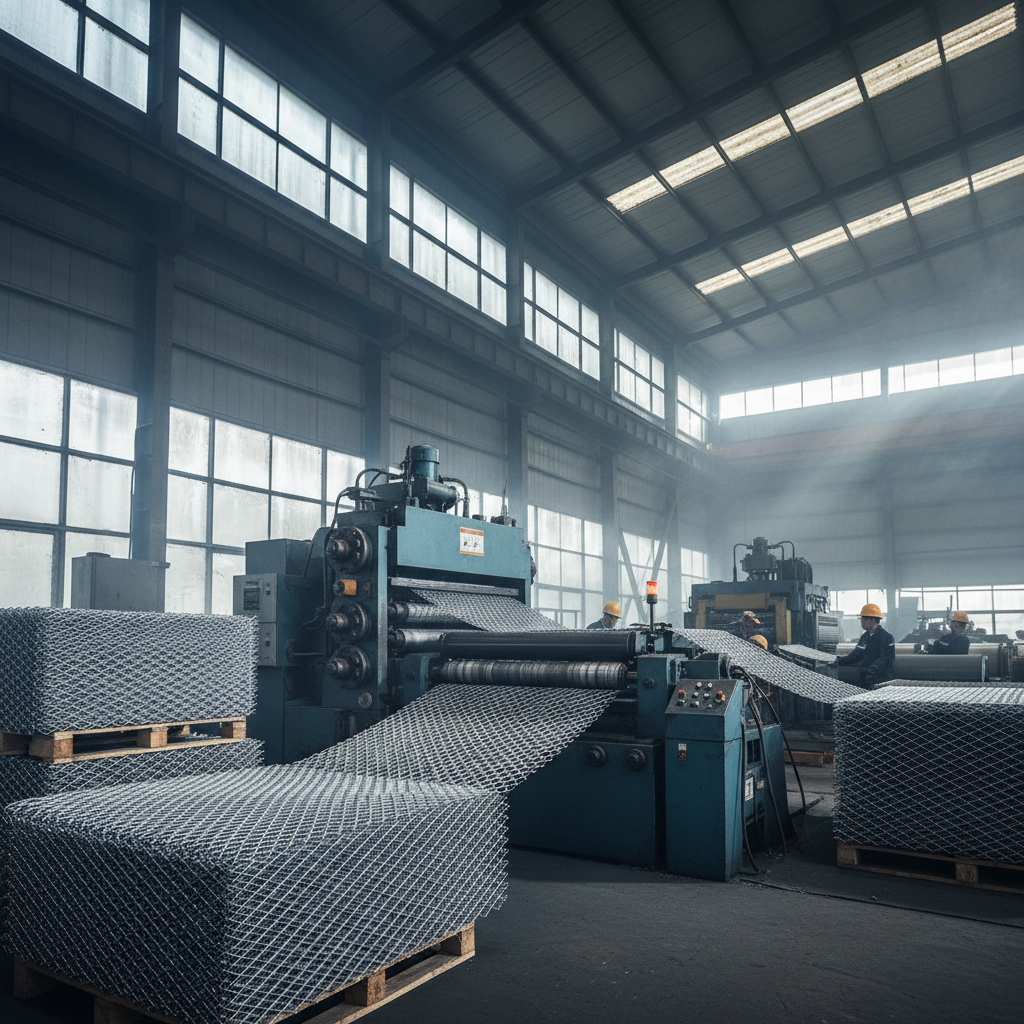
And it all comes back to expanded mesh, doesn't it? Specifically, expanded metal mesh. It's a workhorse. It really is. You see it everywhere – flooring, walkways, security screens, even architectural features these days. It’s not glamorous, but it gets the job done.
The Rise of Prefabrication and Expanded Metal Mesh
Seriously, prefabrication is huge. It's changing how we build, and expanded metal mesh fits right in. You need something strong, durable, and easy to work with in a modular system. It’s not about flashy new materials, it’s about reliable components. It allows for faster installation, reduces waste, and improves on-site safety. I mean, fewer guys cutting metal in the rain is always a win.
Anyway, I think the real appeal isn’t just the speed, it’s the predictability. You know what you’re getting. There’s less variability on-site, which means fewer surprises and fewer delays. And in this business, time is money.
Design Pitfalls: Avoiding the Lightweight Trap
I’ve seen it a million times. Engineers trying to save a few bucks by specifying a thinner gauge expanded metal. They run the calculations, it technically meets the load requirements… but then you get out on the site and it feels… wobbly. Strangely enough, often the guys installing it are the first to point it out. They’ve been doing this for years, they know what feels right. And they're usually right.
The problem is, those calculations don’t always account for real-world factors like impact, fatigue, and corrosion. And let’s be real, construction sites aren’t known for being gentle environments. You need a safety factor, and sometimes that means going with a heavier gauge material, even if it adds to the cost.
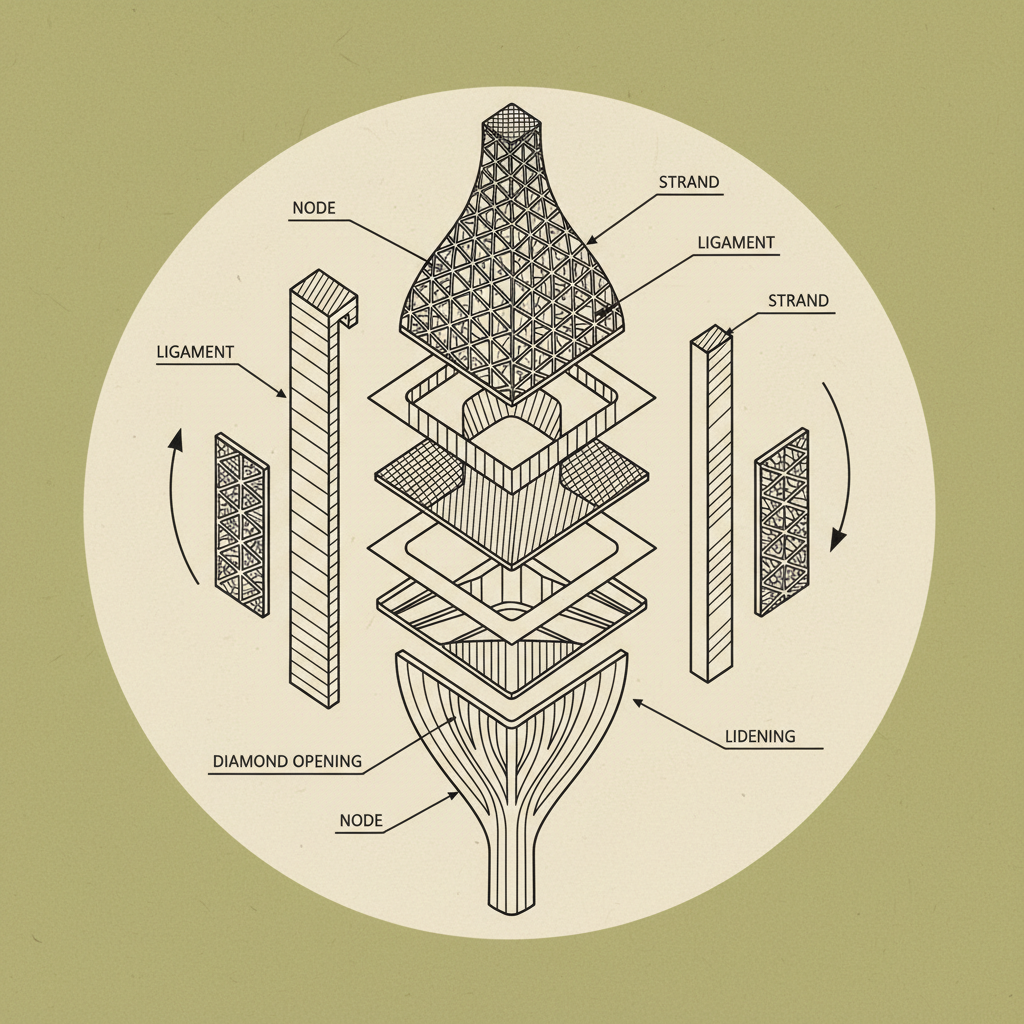
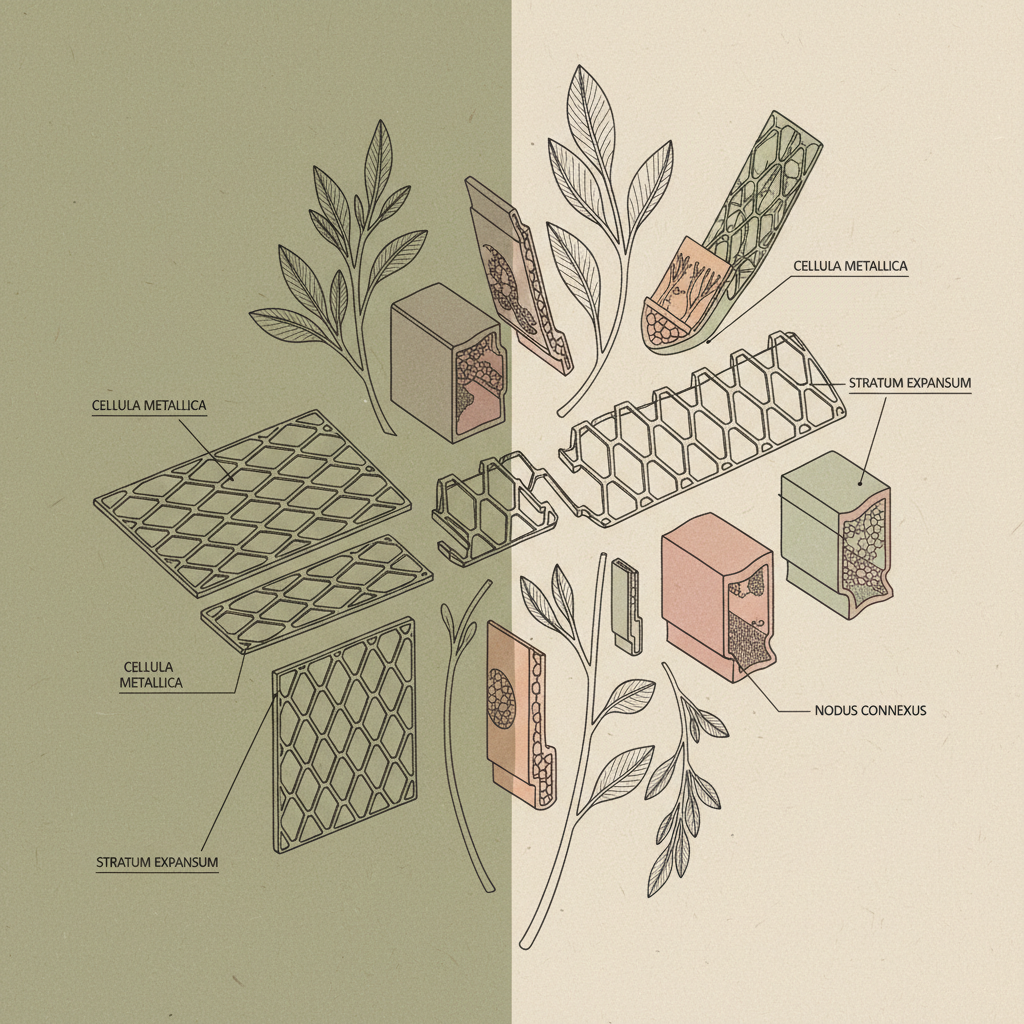
And it's not just about the gauge, it's about the opening size, the strand width, and the overall pattern. A finely detailed mesh might look nice, but it's going to be weaker than a more robust design.
Material Matters: Steel Grades and Surface Treatments
Now, let’s talk steel. It's not all created equal, you know. We’re mostly working with carbon steel, obviously. But the grade matters. A36 is good for general-purpose applications. A572 is stronger, more suitable for structural applications. And then you get into the higher alloy steels for corrosion resistance.
Honestly, the surface treatment is just as important. Galvanizing is a must if it's going to be exposed to the elements. Powder coating adds another layer of protection and can also improve aesthetics. I was at a plant last month and they were using this new zinc-rich epoxy primer… smelled awful, but the corrosion resistance was phenomenal. I'm telling you, the smell reminded me of my grandpa's garage!
And don't even get me started on stainless steel. It’s beautiful, it’s corrosion-resistant, it’s expensive. You only use it when you absolutely have to.
Real-World Testing: Beyond Lab Reports
I’ve never really trusted those lab reports, to be honest. They're useful for getting a baseline, but they don't tell you how a material will perform in the real world. I prefer to see it bent, hammered, and dropped. I want to see how it holds up to abuse.
Expanded Mesh for Sale: Performance Ratings (1-10)
How It's Actually Used: Surprising Applications
You wouldn’t believe some of the things people use expanded metal for. I saw a guy building a custom grill out of it last week. Said it held the coals perfectly and allowed for even heat distribution. Then there are the sound barriers along highways… that's a big one. It's surprisingly effective at reducing noise pollution.
And the security applications. It's used for fences, gates, and even as a protective screen for windows. It’s strong enough to deter most intruders, but still allows for airflow and visibility.
Advantages, Disadvantages, and Customization Options
Look, it’s a good product. Strong, durable, relatively inexpensive, and easy to fabricate. That’s the appeal. But it’s not perfect. It can be slippery when wet, and it can rust if it’s not properly protected. It's not the prettiest material, let’s be honest.
But you can customize it. You can change the mesh size, the strand width, the material, the surface finish… Last month, a client wanted a specific pattern, a repeating diamond shape, for an architectural feature. It wasn't standard, but we were able to get it done. It took some extra time and money, but the end result looked fantastic.
A Customer Story: The Debacle
Okay, so this happened last month. Small boss in Shenzhen, makes smart home devices. Insisted on changing the mounting brackets for his new sensor network to use connectors instead of standard screws. Said it was “more modern.” I told him it was a terrible idea – vibration would loosen the connectors, it wouldn't be secure, and it would be a nightmare to service.
He didn’t listen. He wanted “sleek.” Three weeks later, he’s calling me, frantic. Sensors are falling off the walls. Everything’s a mess. He ended up having to rip it all down and start over with screws. A simple, reliable screw.
Later… Forget it, I won’t mention it.
Overview of Expanded Metal Mesh Performance Factors
| Material Grade |
Corrosion Resistance |
Load Capacity (1-10) |
Cost Effectiveness (1-10) |
| A36 Carbon Steel |
Low (Requires Galvanizing) |
6 |
9 |
| A572 Carbon Steel |
Medium (Requires Galvanizing) |
8 |
7 |
| 304 Stainless Steel |
High |
7 |
4 |
| Aluminum 5052 |
Medium |
5 |
6 |
| Galvanized A36 |
Medium-High |
7 |
8 |
| Powder Coated A572 |
High |
9 |
6 |
FAQS
Forget the fancy plasma cutters. A good pair of metal shears or an abrasive chop saw with a metal cutting disc will do the trick. Just wear safety glasses and gloves – it gets hot and those edges are sharp. Trying to use a standard circular saw is a recipe for disaster. Trust me, I've seen it happen.
Galvanizing helps, but it’s not a magic bullet. Keep it clean, remove any debris, and consider applying a clear coat or sealant, especially in coastal environments. Regular inspection and touch-ups are key. Don’t let it sit in a pile of dirt and rainwater. That’s just asking for trouble.
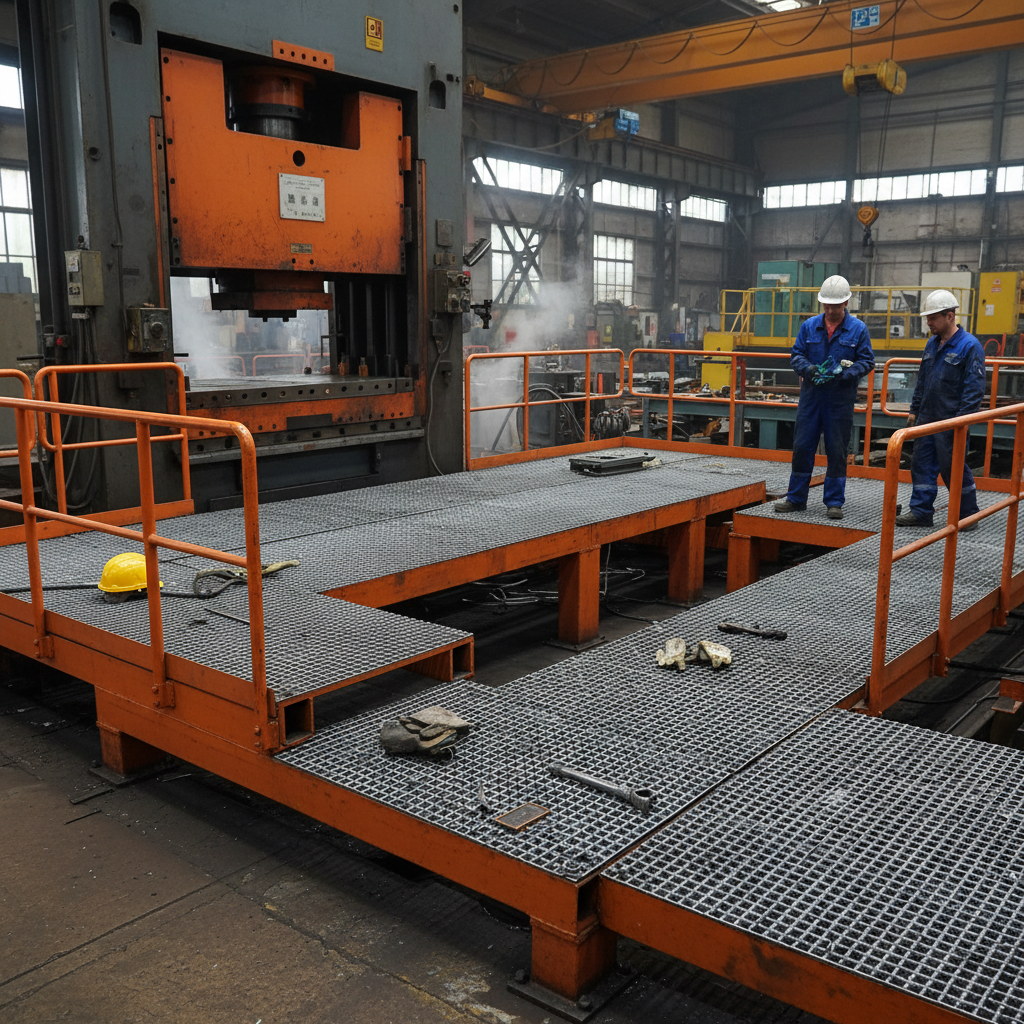
Walkways, mezzanines, platforms… anywhere you need a strong, open grating surface. It provides good traction and allows for airflow. It’s especially popular in industrial settings and for outdoor decks. Be sure to select a mesh size that’s appropriate for the intended use - you don't want heels getting stuck!
Absolutely. It’s a very effective deterrent. The open design provides visibility while still being a physical barrier. Pair it with a robust framing system and proper fasteners, and you’ve got a secure perimeter. Just make sure the mesh size isn’t so large that someone can squeeze through.
Raised expanded metal has the traditional ridges and valleys. Flattened expanded metal is put through rollers to flatten it out. Flattened is better for surfaces that need to be smooth and flush, like flooring or wall panels. Raised is more common for general-purpose applications where strength and traction are more important.
Yes, but it’s not always easy. The open mesh can make it tricky to get a good weld. You need a skilled welder and the right equipment. Typically, spot welding or tack welding is used. Full-penetration welds can distort the mesh. Proper preparation of the edges is also crucial.
Conclusion
So, there you have it. Expanded metal mesh: it’s not sexy, it’s not high-tech, but it’s a reliable, versatile, and cost-effective material that’s been a workhorse for decades. From prefabricated structures to security fencing, it plays a vital role in countless applications. It’s about understanding the material, knowing its limitations, and using it appropriately.
Ultimately, whether this thing works or not, the worker will know the moment he tightens the screw. You can run all the calculations you want, you can write all the specifications you want, but if it doesn’t feel right when it’s being installed, it’s probably not right. And that’s the truth. Check out expanded mesh for sale for more info.