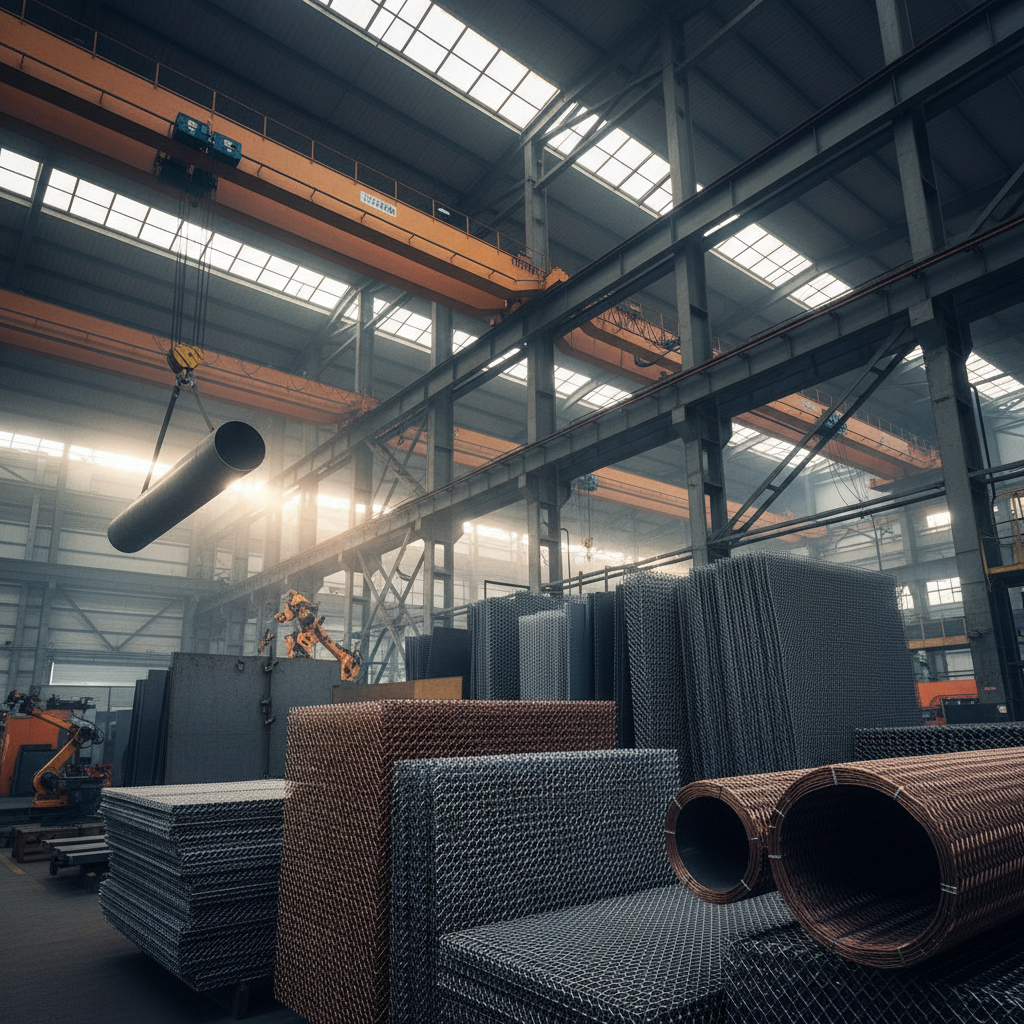
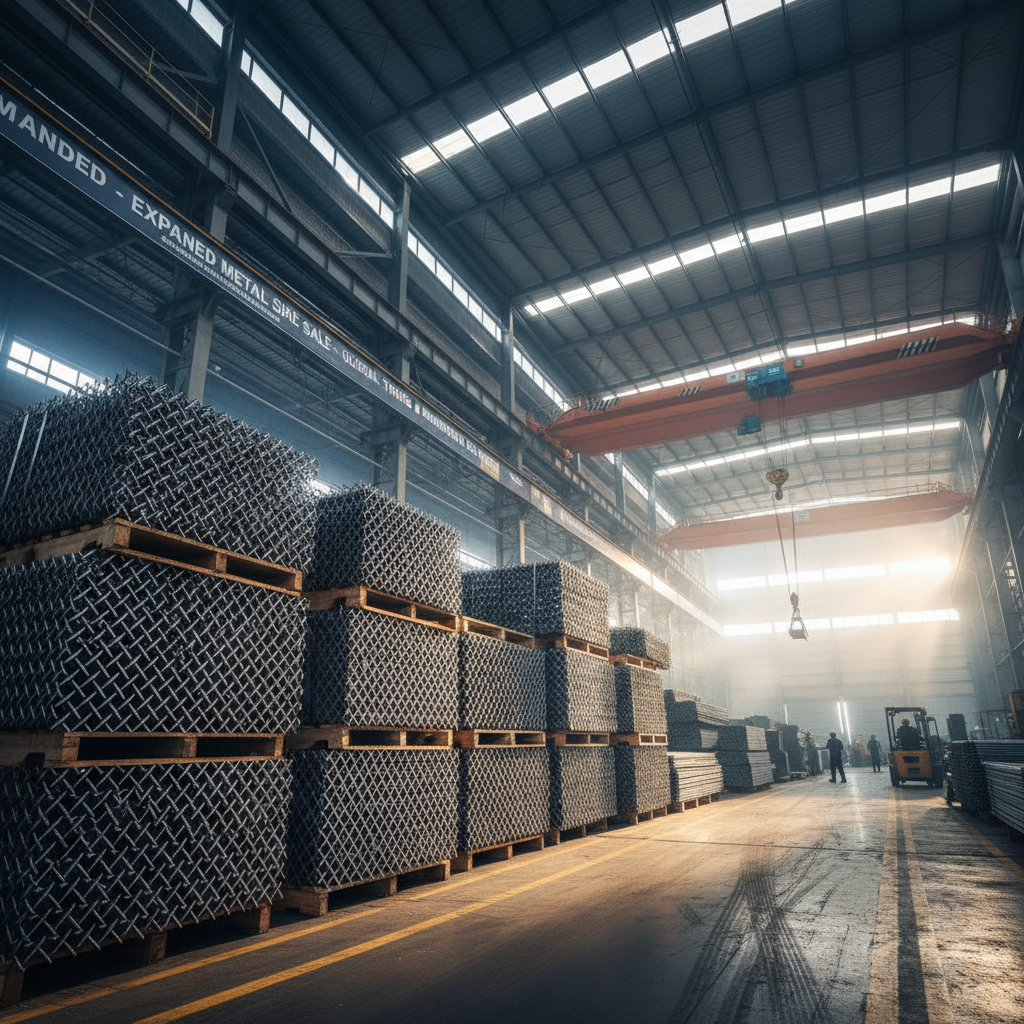
Expanded metal is a versatile and robust material created by slitting and stretching a metal sheet, forming an open, interconnected mesh. Its unique properties make it a crucial component in numerous industries worldwide, from construction and automotive to security and filtration. Understanding expanded metal – its production, applications, and benefits – is increasingly important in a world demanding sustainable, efficient, and reliable materials. The global demand for expanded metal continues to grow, driven by infrastructure development, urbanization, and a need for lightweight yet strong materials.
The relevance of expanded metal extends beyond purely industrial applications. It plays a vital role in humanitarian efforts, offering rapid deployment solutions for temporary shelters, secure fencing, and essential infrastructure in disaster relief scenarios. Furthermore, the material’s recyclability and longevity contribute to its sustainability profile, aligning with growing environmental concerns. The ongoing need for cost-effective, durable materials in diverse fields underscores the expanding importance of expanded metal in modern society.
Ultimately, expanded metal provides a compelling solution to many challenges, offering strength, versatility, and sustainability. Its continued innovation and adaptation to new needs cement its position as a foundational material for a wide range of applications across the globe.
The Core Attributes of Expanded Metal
One of the defining characteristics of expanded metal is its inherent strength-to-weight ratio. The slitting and stretching process work-hardens the metal, resulting in a remarkably robust structure without adding significant weight. This makes it ideal for applications where structural integrity and weight reduction are crucial, such as aircraft flooring and vehicle components.
Furthermore, expanded metal offers excellent permeability, allowing for the passage of air, light, and liquids. This property is critical in applications like ventilation systems, filtration screens, and architectural facades where airflow or visibility is essential. The open grid design also contributes to its self-cleaning properties, reducing maintenance requirements.
Global Applications and Market Overview
The expanded metal market is globally distributed, with major production centers in China, North America, and Europe. The construction industry represents the largest consumer of expanded metal, utilizing it for flooring, walkways, stair treads, and facade cladding. The automotive sector also consumes a significant amount, employing it in radiator grilles, speaker grilles, and underbody shields.
According to recent reports, the global expanded metal market is projected to reach $X billion by 2028, growing at a CAGR of Y% from 2023. This growth is fueled by increasing infrastructure spending, rising demand for lightweight materials in the automotive industry, and growing awareness of the material's sustainability benefits.
Geographically, Asia-Pacific dominates the market, driven by rapid urbanization and industrialization in countries like China and India. North America and Europe represent mature markets with steady demand driven by renovation and maintenance projects, as well as the increasing adoption of expanded metal in specialized applications.
Defining Expanded Metal: A Detailed Explanation
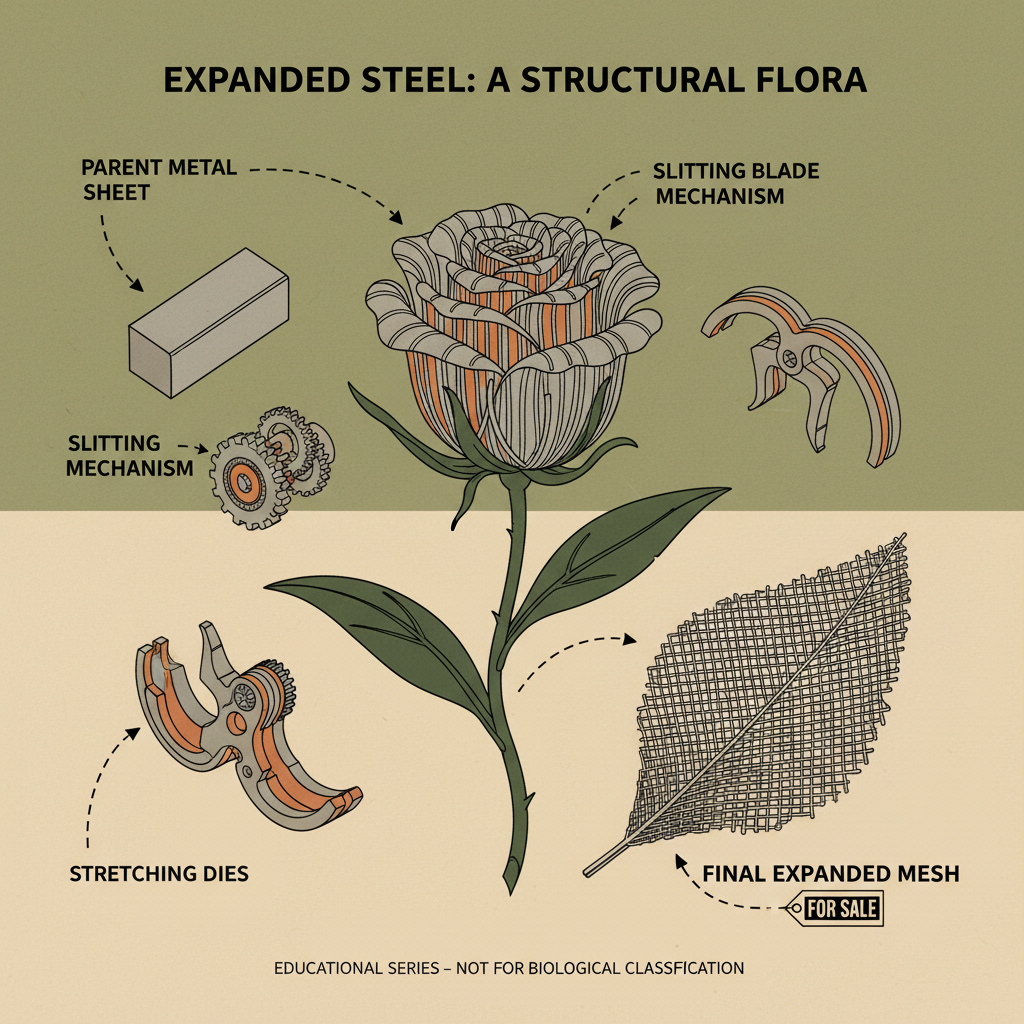
Expanded metal is not simply perforated metal. While both involve creating openings in a metal sheet, the processes are fundamentally different. Perforating involves punching holes, which removes material and weakens the sheet. Expanded metal, conversely, is created by slitting the metal and then stretching it, which rearranges the material without removing it, maintaining a significant portion of its original strength.
The expanded metal process begins with a solid metal sheet, typically steel, aluminum, or stainless steel. This sheet is then fed into a specialized machine that uses a series of cutting tools to make slits. These slits are carefully spaced and oriented, creating a pattern. Subsequently, the sheet is mechanically stretched, causing the slits to open up and form an interconnected mesh.
The resulting expanded metal exhibits a unique diamond-shaped or hexagonal pattern, depending on the slitting configuration. The mesh size, strand width, and metal thickness can be customized to meet specific application requirements. This versatility is a key driver of expanded metal's widespread adoption across various industries.
Key Advantages of Utilizing Expanded Metal
Expanded metal offers a compelling combination of benefits that make it a superior choice over alternative materials in many applications. Its strength and durability are paramount, providing long-lasting performance even in harsh environments. The inherent rigidity of the mesh reduces the need for additional support structures, leading to cost savings and simplified designs.
Moreover, expanded metal's versatility allows for custom designs and configurations to meet specific project requirements. The open grid design facilitates ventilation, filtration, and light transmission, expanding its application possibilities. The material is also readily recyclable, contributing to sustainable building practices and minimizing environmental impact.
Expanded Metal Performance Metrics
Real-World Applications Across Industries
In the construction sector, expanded metal serves as a vital component in walkways, stair treads, and safety grating, providing a secure and slip-resistant surface. Its use in facade cladding offers both aesthetic appeal and functional ventilation. The automotive industry utilizes expanded metal for radiator grilles, speaker covers, and underbody protection, capitalizing on its strength and lightweight properties.
The security industry relies on expanded metal for fencing, cages, and protective screens, offering a robust and visible deterrent against intrusion. In industrial settings, expanded metal is employed in filtration systems, conveyor belts, and machine guards, providing durable and reliable performance. In post-disaster relief operations, rapidly deployable expanded metal shelters offer immediate and secure housing for affected populations.
Long-Term Benefits and Value Proposition
Investing in expanded metal translates to long-term cost savings due to its exceptional durability and minimal maintenance requirements. The material's resistance to corrosion and wear ensures a prolonged lifespan, reducing the need for frequent replacements. Its recyclability aligns with sustainability goals, minimizing environmental impact and promoting responsible resource management.
Beyond the tangible economic benefits, expanded metal contributes to enhanced safety and security in various applications. Its robust construction provides a reliable barrier against intrusion and hazards, fostering peace of mind. The versatility and aesthetic appeal of expanded metal also enhance the value and functionality of buildings and structures.
The inherent trust in a durable, reliable, and sustainable material builds a strong value proposition. Expanded metal is a solution that delivers both immediate and lasting benefits to a broad range of stakeholders.
Future Trends and Innovative Developments
Ongoing research and development efforts are focused on enhancing the performance and sustainability of expanded metal. Innovations in metal alloys and surface treatments are improving corrosion resistance and extending service life. The integration of smart technologies, such as embedded sensors, is enabling real-time monitoring of structural integrity and performance.
The growing demand for sustainable materials is driving the development of expanded metal made from recycled content. Furthermore, advancements in manufacturing processes are reducing energy consumption and minimizing waste. The use of expanded metal in green building applications, such as solar shading and rainwater harvesting systems, is also gaining traction.
The convergence of expanded metal with digital technologies, like Building Information Modeling (BIM), is streamlining design and construction processes, fostering greater efficiency and collaboration. Automation in the production process will also allow for more complex and custom designs.
Expanded Metal Manufacturing Process Analysis
| Process Stage |
Efficiency Score (1-10) |
Environmental Impact (1-10) |
Cost Effectiveness (1-10) |
| Raw Material Sourcing |
7 |
6 |
8 |
| Slitting & Stretching |
9 |
5 |
7 |
| Quality Control |
8 |
2 |
9 |
| Finishing & Coating |
6 |
4 |
6 |
| Packaging & Logistics |
7 |
5 |
7 |
| Recycling & Waste Management |
9 |
1 |
8 |
FAQS
While both involve creating openings in metal, expanded metal is created by slitting and stretching, maintaining the metal's strength. Perforated metal involves punching holes, removing material and potentially weakening the sheet. Expanded metal generally offers higher strength-to-weight ratio and better material utilization. It also often features a unique textured surface and tends to be less expensive.
The most common metals used in expanded metal production include carbon steel, stainless steel, aluminum, and galvanized steel. Carbon steel is often chosen for its strength and cost-effectiveness. Stainless steel provides excellent corrosion resistance, making it ideal for outdoor applications. Aluminum is lightweight and corrosion-resistant, while galvanized steel offers a balance of strength and corrosion protection.
Yes, expanded metal is highly customizable. Key parameters like mesh size, strand width, metal thickness, and sheet size can be adjusted to meet specific requirements. Custom patterns and shapes can also be created to achieve unique aesthetic or functional outcomes. Finishes like powder coating or galvanizing can further enhance the material's properties.
Expanded metal is widely used in construction for walkways, stair treads, flooring, facade cladding, safety grating, and fencing. Its slip-resistant surface and robust construction make it ideal for pedestrian traffic areas. It provides ventilation and natural light control in facade applications and enhances safety in industrial settings.
Expanded metal promotes sustainability through its durability, recyclability, and lightweight properties. Its long lifespan reduces the need for frequent replacements, minimizing waste. Expanded metal can also be manufactured from recycled materials, further reducing its environmental impact. Its open grid design can contribute to energy efficiency by facilitating natural ventilation and reducing the need for artificial lighting.
The lead time for custom expanded metal orders varies depending on the complexity of the order, the material type, and current production schedules. Typically, lead times range from 2 to 6 weeks. It is recommended to contact a supplier with detailed specifications to obtain an accurate quote and delivery estimate. Larger quantities and more complex designs will naturally require longer processing times.
Conclusion
Expanded metal stands as a testament to innovative engineering and materials science. Its unique combination of strength, durability, versatility, and sustainability positions it as a critical material across a vast range of industries. From construction and automotive to security and humanitarian aid, expanded metal continues to solve real-world challenges and improve quality of life. Understanding its properties and applications is crucial for professionals and decision-makers seeking effective and responsible material solutions.
Looking ahead, the future of expanded metal is bright. Continued advancements in materials science, manufacturing processes, and digital integration will unlock even greater potential. Investing in expanded metal not only secures a reliable and cost-effective material but also supports sustainable practices and innovation for a more resilient and efficient future. To learn more about our expanded metal products and solutions, visit our website: https://www.ccmetalmesh.com