You know, these days everyone's talking about prefabrication, modular construction… it's the buzz, right? Everyone wants faster turnaround, less waste. But honestly, I’ve seen a lot of these "innovations" fall flat on their face because they overthink the design. They create something beautiful on paper, but completely impractical for the guys actually assembling it on site. Have you noticed that? They forget about things like… well, everything.
It all boils down to the details, the little stuff that engineers sometimes miss. Like, choosing the right expanded metal. It’s not just about load-bearing capacity. It’s about how easy it is to cut, bend, weld. How it feels to handle, the smell even. Some of that cheap stuff smells like… well, let’s just say it doesn't inspire confidence. I encountered this at a factory in Tianjin last time, a mountain of this off-gassing metal, and the welders were refusing to even touch it.
We mainly use carbon steel, usually Q235, sometimes stainless steel if the environment's particularly harsh. Carbon steel is workhorse, you know? It’s got that weight to it, feels solid. You can smell the oil on it when it’s new. Stainless… well, it’s slick, clean, but more expensive. Handling it's different too; you need gloves, it doesn't grip as well. It's funny how material choice affects even something as simple as a worker’s comfort.
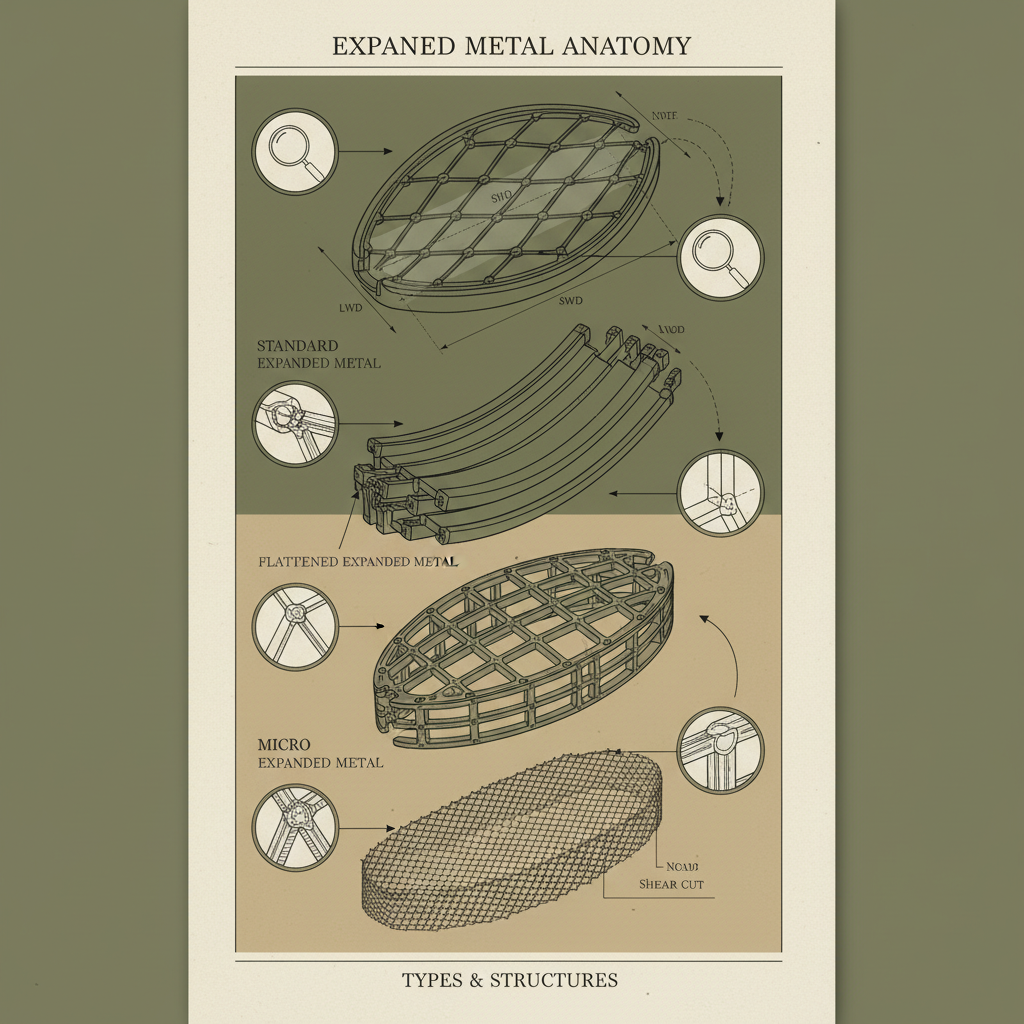
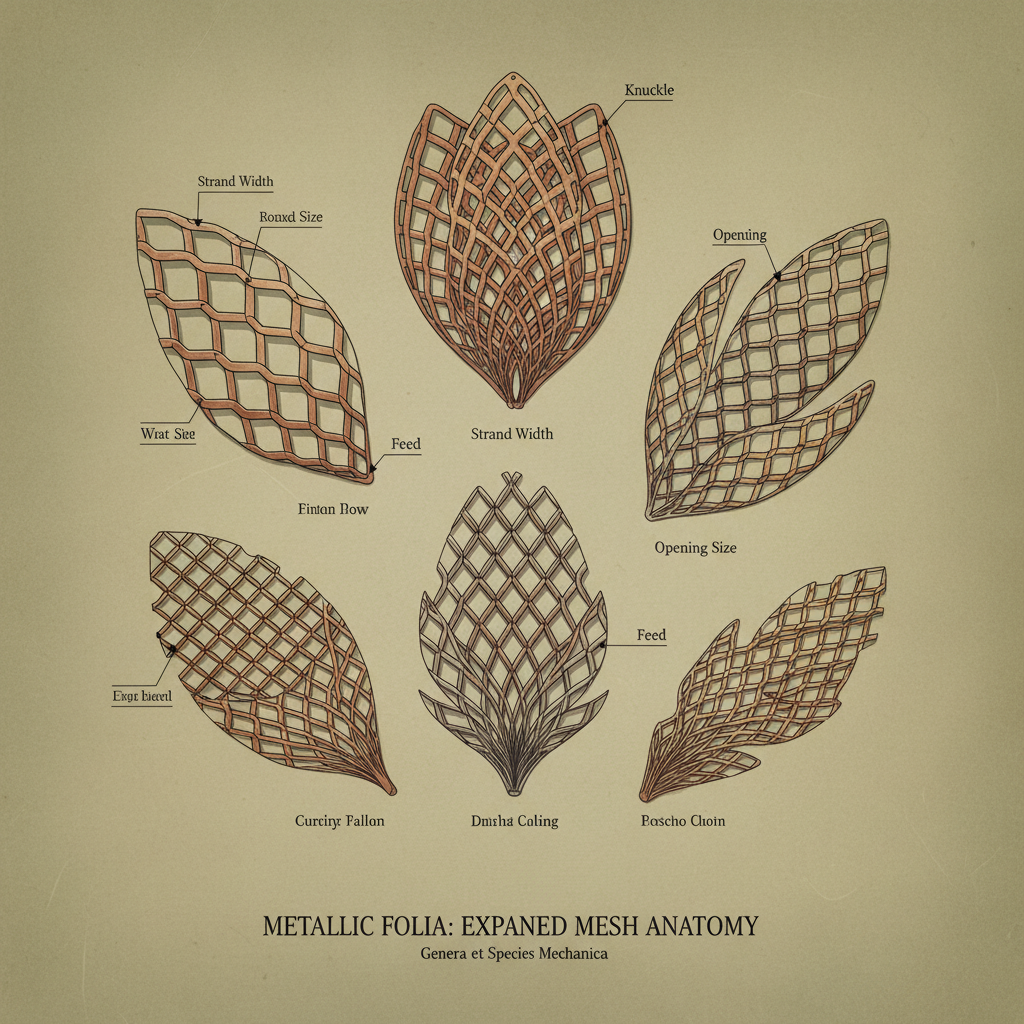
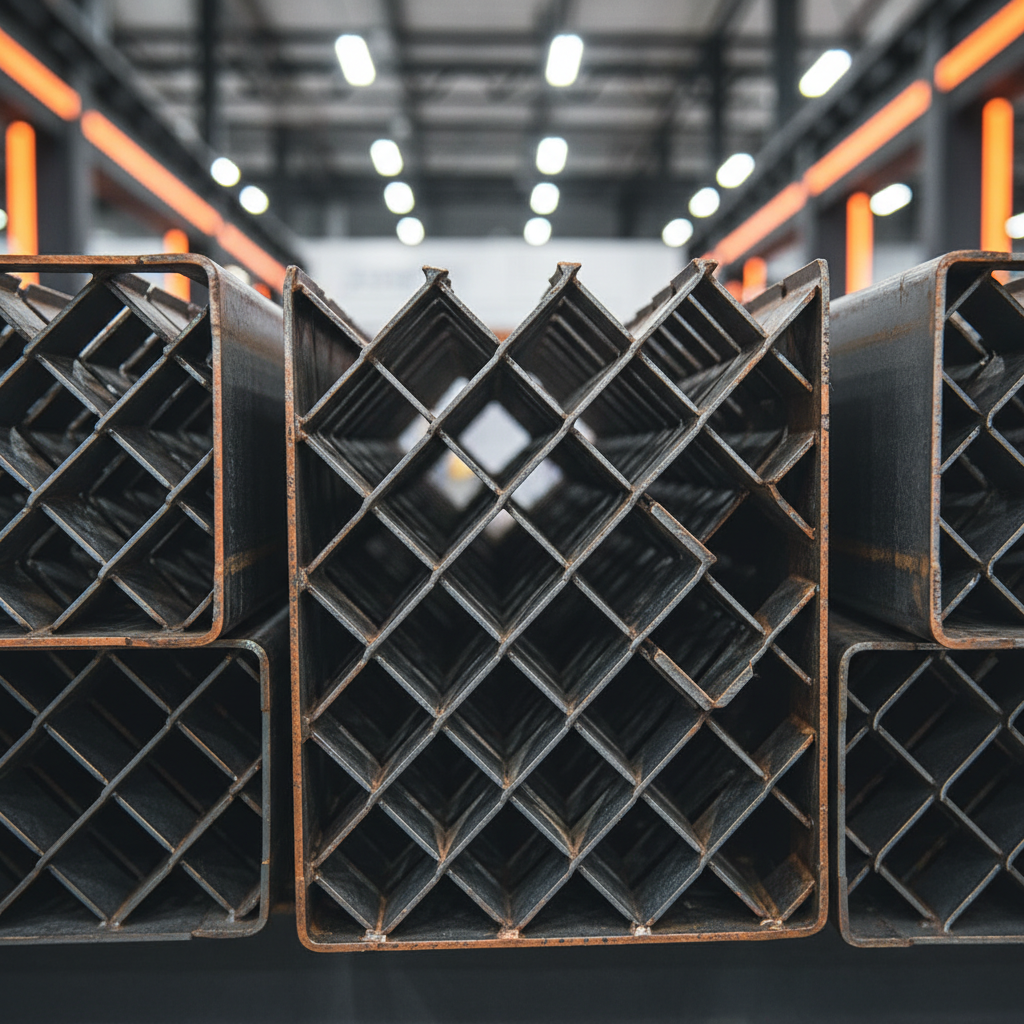
These days, you see expanded metal everywhere – from scaffolding and walkways to security fencing and even architectural facades. It's not a new thing, obviously, been around for ages, but the demand's gone up with this push for lighter, stronger materials. Strangely, the biggest jump I’ve seen is in the renewable energy sector, specifically solar panel mounting structures. They want something that’s durable, can withstand the elements, and doesn't block too much light.
It’s also becoming increasingly common in soundproofing applications, especially in industrial settings. People don’t realize how much noise can bleed through a building if it’s not properly insulated. Expanded metal, with the right backing material, can make a huge difference. And of course, always the classic use case – grating, platforms, stuff like that.
Honestly, there’s no magic bullet. Galvanizing is a good start, but even that can fail over time, especially in harsh environments. Regular painting with a high-quality rust-inhibiting primer is crucial. And don’t let it sit in puddles of water! I’ve seen projects ruined by simply neglecting basic maintenance.
That depends entirely on the gauge, the pattern, and the span. It's not a one-size-fits-all answer. You need to consult with an engineer and do the calculations. Don’t just guess. I once saw a guy try to build a platform out of thin expanded metal, and it nearly collapsed under the weight of a few boxes of tools. Scared the bejesus out of him.
Potentially, but it needs to be installed properly. The openings need to be small enough to prevent someone from falling through. And you need to make sure the surface is level and secure. Adding a non-slip coating is also a good idea, especially in wet or oily environments. Remember, safety first!
Absolutely! It’s a readily recyclable material. A lot of scrap metal yards will take it, and it can be melted down and repurposed. I’m seeing more and more projects using recycled expanded metal, which is a good thing, you know, for the environment and all that.
Aluminum’s great where weight is a concern. You'll see it a lot in aircraft applications, architectural panels, and decorative screens. It's also used in some marine applications where corrosion resistance is crucial. It's not as strong as steel, but it's lighter and more corrosion resistant.
Wear gloves and safety glasses, that’s a must. A metal cutting saw with a fine-tooth blade works best. Avoid using abrasive cutting wheels, as they can create a lot of sparks and damage the metal. And always work in a well-ventilated area. Trust me, you don’t want to breathe in those metal fumes.
So, ultimately, expanded metal's a versatile material, but it’s not a silver bullet. You need to understand its strengths and weaknesses, choose the right material for the application, and pay attention to the details. It’s not about fancy designs or lab tests, it’s about practicality, durability, and safety.
And honestly, whether this thing works or not, the worker will know the moment he tightens the screw. If it feels right, if it fits together smoothly, if it doesn't wobble or flex, then you know you’ve done something right. That’s the real test. If you want to know more, or need some advice on a specific project, visit our website at www.ccmetalmesh.com.