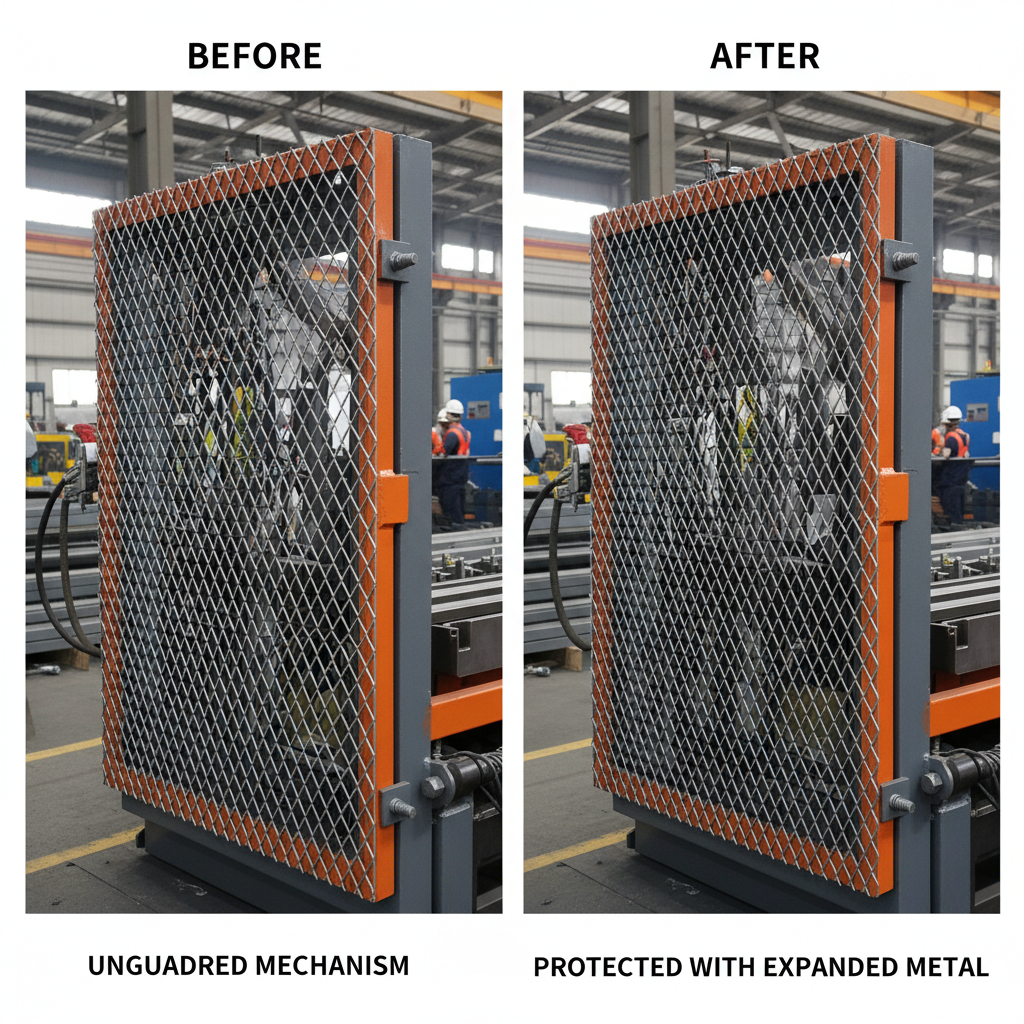
Look, I’ve been on construction sites for fifteen years, seen materials come and go. Right now? Everyone’s obsessed with prefabrication. Speed is king, right? Get things built off-site, ship ‘em in, and assemble. Less disruption, theoretically. But it’s not always that simple, believe me.
To be honest, a lot of folks are rushing into it without fully thinking through the logistics. The devil's in the details, and there are a LOT of details. Everything from transport to on-site assembly, it all adds up. And if the designs aren’t solid… well, you end up with a very expensive puzzle.
The Current Landscape of expanded metal for sale
Expanded metal, you see it everywhere these days – walkways, stair treads, security screens. It's having a moment. But it’s not new. It’s been around for ages. What is changing is the demand, especially for specific alloys. Stainless steel is huge, of course. Everyone wants something that won’t rust. I was at a factory in Shanghai last time, and they were struggling to keep up with the orders for 316 stainless. Smelled like metal shavings and welding fumes the whole time, not pleasant.
Strangely enough, there's also a growing interest in carbon steel with specialized coatings. People are looking for cost-effective solutions, but they still need some level of corrosion resistance. It’s a balancing act, you know?
Design Pitfalls in expanded metal for sale Applications
Have you noticed how architects love to specify really intricate patterns? Looks great on paper, but try fabricating that in the real world! The smaller the openings, the harder it is to work with, and the more likely you are to have issues with deformation during welding or bending. Also, people often underestimate the load-bearing capacity. They see a solid-looking sheet and assume it can handle anything. But it's not solid, it’s a network of struts. You gotta calculate the stresses properly. I once saw a whole staircase have to be redone because the expanded metal wasn’t thick enough. A nightmare, honestly.
Another thing? Edge finishing. Those cut edges can be sharp. Really sharp. You need to bevel them, roll them, or add some kind of protective edging. Otherwise, you’re asking for injuries. And believe me, somebody will get injured.
And don’t even get me started on drainage. If you’re using expanded metal for walkways or platforms, you need to think about how water will drain. Otherwise, it'll become a slippery mess.
Material Selection: Beyond the Datasheet
Look, a datasheet will tell you tensile strength and yield point, sure. But it won’t tell you how the material feels to work with. Carbon steel, for example – you can smell it, you know? That oily, metallic smell when you cut it. It’s got weight to it. Stainless steel feels… colder, smoother. Different alloys behave differently. Some are easier to weld, some are more brittle.
I encountered this at a fabrication shop last time where they were using a new grade of aluminum expanded metal. It looked good on paper, but it was a real pain to weld. Kept cracking, burning through. They ended up switching back to a more traditional alloy.
Anyway, I think choosing the right material isn’t just about the numbers. It's about understanding how it’ll behave under real-world conditions. Talk to the fabricators, get their input. They’re the ones who’ll be dealing with it day in and day out.
Real-World Testing of expanded metal for sale
Lab tests are fine, but they don’t always tell the whole story. I prefer to see things tested in the field. We once did a project where we used expanded metal for a bridge walkway. Instead of relying solely on calculations, we built a test section and subjected it to simulated pedestrian traffic. We had guys walking back and forth, carrying weights, even deliberately trying to flex it. It gave us a much better understanding of how the material would perform under actual load.
Another important test is corrosion resistance. We’ve had situations where stainless steel started to pit and corrode in coastal environments. Salt spray is brutal. So, we’ll often do accelerated corrosion tests, exposing samples to harsh conditions for extended periods.
Corrosion Resistance Performance of Different expanded metal for sale Materials
How expanded metal for sale is Actually Used
It’s funny, the ways people actually use things. You design it for one purpose, and they find a dozen others. We did a project for a winery, originally intended as a trellis for vines. But the owner ended up using it as a decorative screen for the tasting room. Looked pretty good, actually.
I’ve seen it used as animal enclosures, as filters for air conditioning systems, even as sound barriers along highways. People are resourceful.
Advantages and Disadvantages of expanded metal for sale
Alright, let's be real. The advantages are obvious – lightweight, strong, good ventilation, relatively inexpensive. It's a good all-around material. But it's not perfect. The open grid can be a problem in some applications. Dust, debris, small objects can fall through. It doesn’t offer complete protection.
And it can be a pain to clean. Getting dirt out of those openings… forget about it. It's a job nobody wants. And the sharp edges, like I said before, are a constant safety concern.
Anyway, I think you’ve gotta weigh the pros and cons carefully before choosing expanded metal for a project. It's not a one-size-fits-all solution.
Customization Options for expanded metal for sale
You can customize almost anything about it – the pattern, the gauge, the alloy, the finish. Last month, that small boss in Shenzhen who makes smart home devices insisted on changing the interface to , and the result was…well, let's just say it delayed the project by two weeks. He wanted a really fine mesh for a speaker grille, but the standard tooling couldn’t produce it. We had to create a custom die, which took forever.
We’ve also done projects where we’ve powder-coated the metal in specific colors to match a client’s branding. Or we’ve added pre-welded brackets or flanges for easier installation. The possibilities are pretty much endless.
But remember, customization adds cost and lead time. So you gotta be sure it’s worth it.
Summary of expanded metal for sale Customization Factors
| Customization Aspect |
Complexity Level |
Estimated Cost Impact |
Lead Time Impact |
| Pattern Modification |
High |
Significant |
4-8 weeks |
| Alloy Selection |
Medium |
Moderate |
1-2 weeks |
| Powder Coating/Finishing |
Low |
Minor |
Few days |
| Pre-Welded Components |
Medium |
Moderate |
2-3 weeks |
| Edge Treatment (Beveling, Rolling) |
Low |
Minor |
Few days |
| Custom Gauge/Thickness |
High |
Significant |
3-6 weeks |
FAQS
That really depends on the environment, obviously. Coastal areas with salt spray will shorten the lifespan considerably. However, with proper maintenance and the right alloy – usually stainless steel 316 – you can realistically expect 20-30 years, even in harsh conditions. Carbon steel, even coated, is more likely to be 10-15 years before needing replacement or significant repair. It’s all about corrosion resistance.
It can be, but you have to choose the right gauge and pattern. A finer pattern with thicker metal will be more durable. You also need to consider the surface treatment. A slip-resistant coating is essential. I’ve seen some installations where they’ve added a rubber matting over the expanded metal for extra grip and comfort. The main downside is that small objects can fall through, so it’s not ideal for areas where cleanliness is critical.
Generally, expanded metal is non-combustible, which is a big plus. However, the coatings applied to it can be flammable. You need to make sure any coatings meet the relevant fire safety standards. Also, the open grid allows for good ventilation, which can help prevent the buildup of flammable gases. But it's always best to check with a fire safety professional to ensure compliance with local regulations.
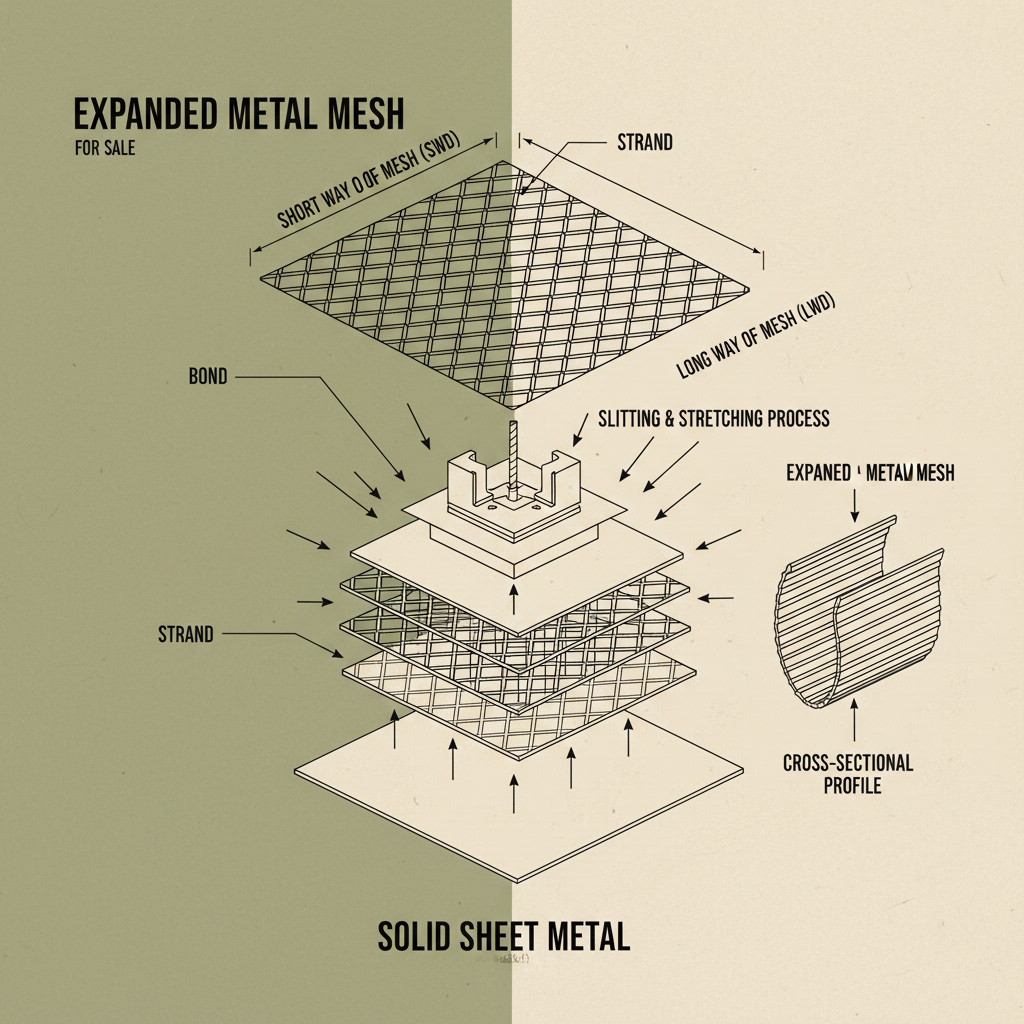
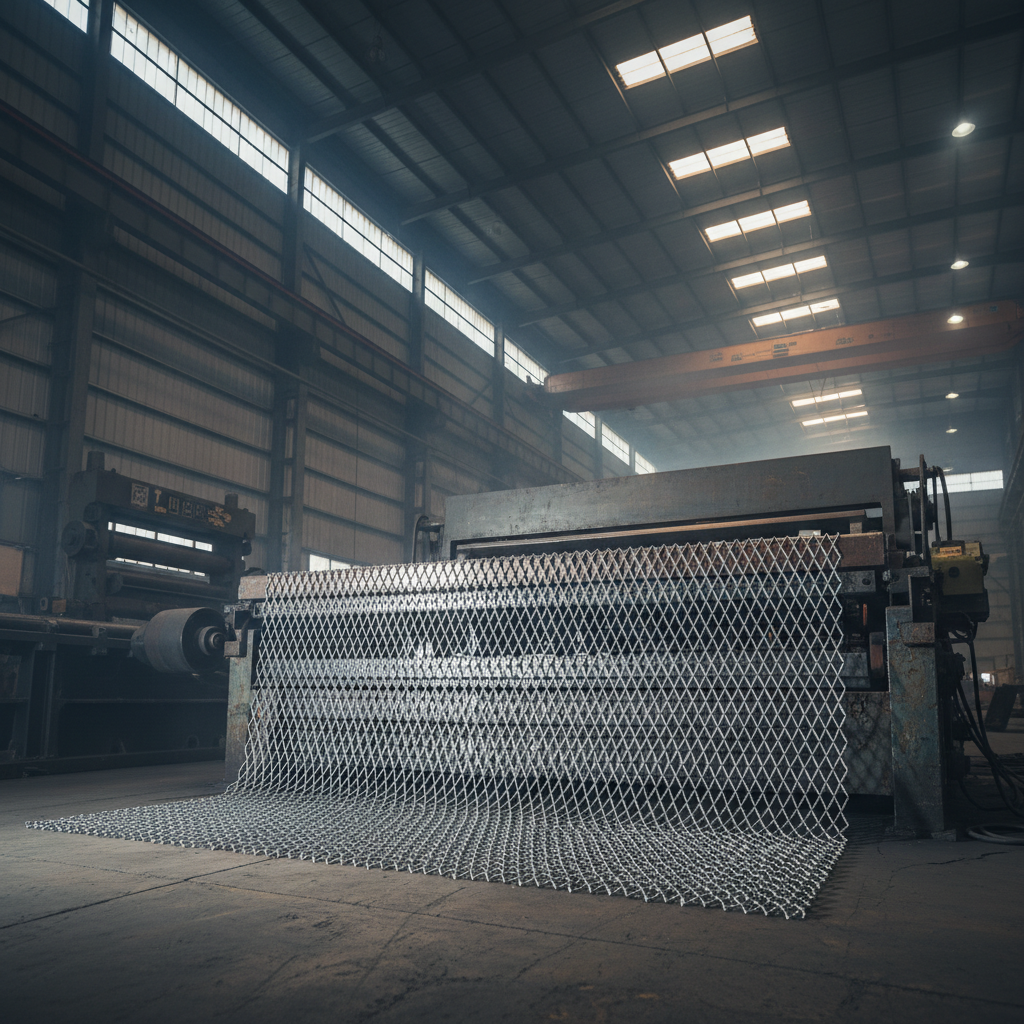
The process is pretty straightforward - slitting and stretching – but the quality control is key. You want a consistent pattern, clean cuts, and minimal distortion. I've seen some cheaper stuff where the stretching wasn’t done properly, and the metal was all warped and uneven. That’s a headache for fabrication. A good manufacturer will have rigorous inspection procedures at every stage of the process.
Absolutely. It's almost entirely recyclable, especially steel and aluminum. That's a big benefit from a sustainability standpoint. Scraps from fabrication can be melted down and reused, and even end-of-life expanded metal can be recycled. It’s a relatively environmentally friendly material, especially compared to some of the plastics and composites out there.
Welding is the most common method, but it can be tricky. You need to use the right welding technique and filler metal to avoid distortion. Spot welding is often used for smaller pieces. Riveting is another option, but it’s not as strong. And for temporary connections, you can use clamps or bolts. The best method depends on the application and the load requirements.
Conclusion
So, there you have it. Expanded metal, it's a versatile material, for sure. It has its strengths and weaknesses, and it's not always the right choice. But when it is the right choice, it can be a game-changer. It’s lightweight, strong, durable, and can be customized to meet a wide range of needs. But don’t get caught up in the marketing hype or the fancy specifications.
Ultimately, whether this thing works or not, the worker will know the moment he tightens the screw. And if he has to spend all day fighting with it, something’s gone wrong. That’s what matters. Visit our website at expanded metal for sale to see what we can offer.