In the realm of high-performance metallurgy, titanium expanded metal represents a pinnacle of engineering, blending the extraordinary corrosion resistance of titanium with the structural efficiency of an expanded mesh. This specialized material is essential for industries where failure is not an option, providing a lightweight yet incredibly strong solution for filtration, reinforcement, and architectural screening in the most aggressive environments on Earth.
The global shift toward sustainable and long-lasting infrastructure has placed a premium on materials that minimize maintenance cycles. By utilizing the unique properties of expanded metal—produced by slitting and stretching a solid sheet—engineers can achieve a high strength-to-weight ratio that traditional perforated sheets cannot match, while the titanium base ensures total immunity to chlorides and saltwater.
Understanding the technical nuances of titanium expanded metal is critical for procurement managers and engineers in the chemical, aerospace, and marine sectors. From reducing total cost of ownership to ensuring biocompatibility in medical applications, this material addresses the fundamental challenge of balancing structural integrity with extreme chemical stability.
The Industrial Significance of Titanium Expanded Metal
The global demand for titanium expanded metal has surged as industrial processes become more corrosive and demanding. According to materials science standards aligned with ISO, the ability of titanium to form a stable, protective oxide layer makes it indispensable in the desalination and petrochemical industries, where stainless steels often fail due to pitting and crevice corrosion.
Beyond simple protection, the "expanded" nature of this metal provides a seamless, monolithic structure. Because there are no welds or joints in the mesh pattern, there are no weak points for corrosive agents to attack, ensuring that the structural integrity of the component remains intact over decades of service.
Defining the Architecture of Expanded Titanium
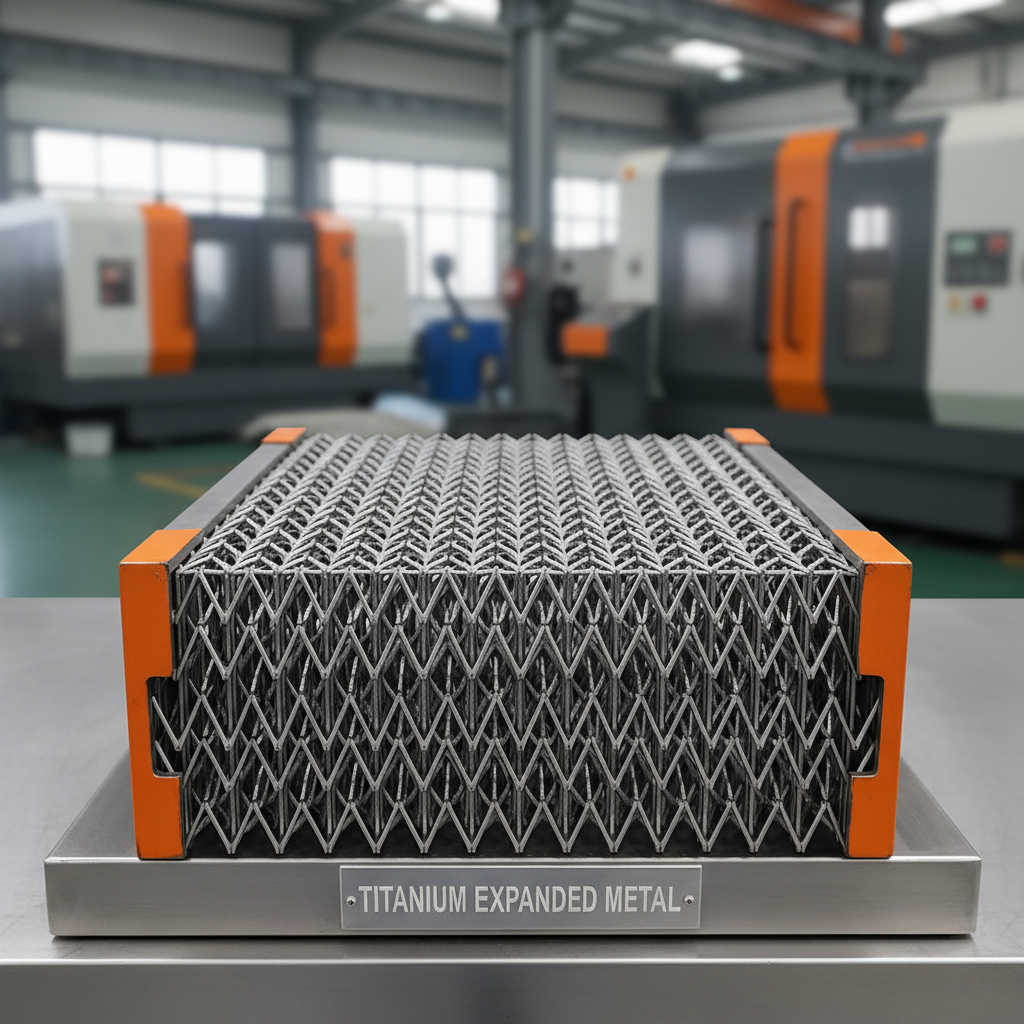
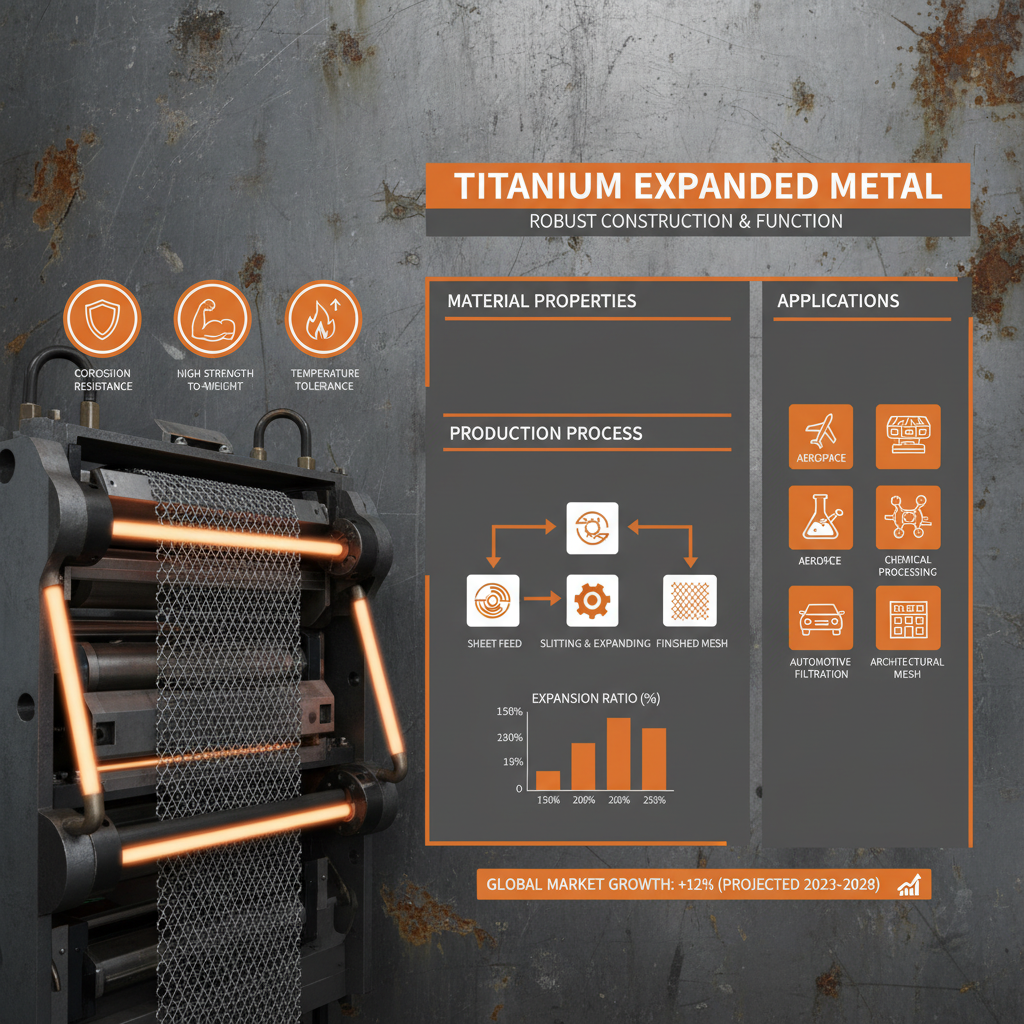
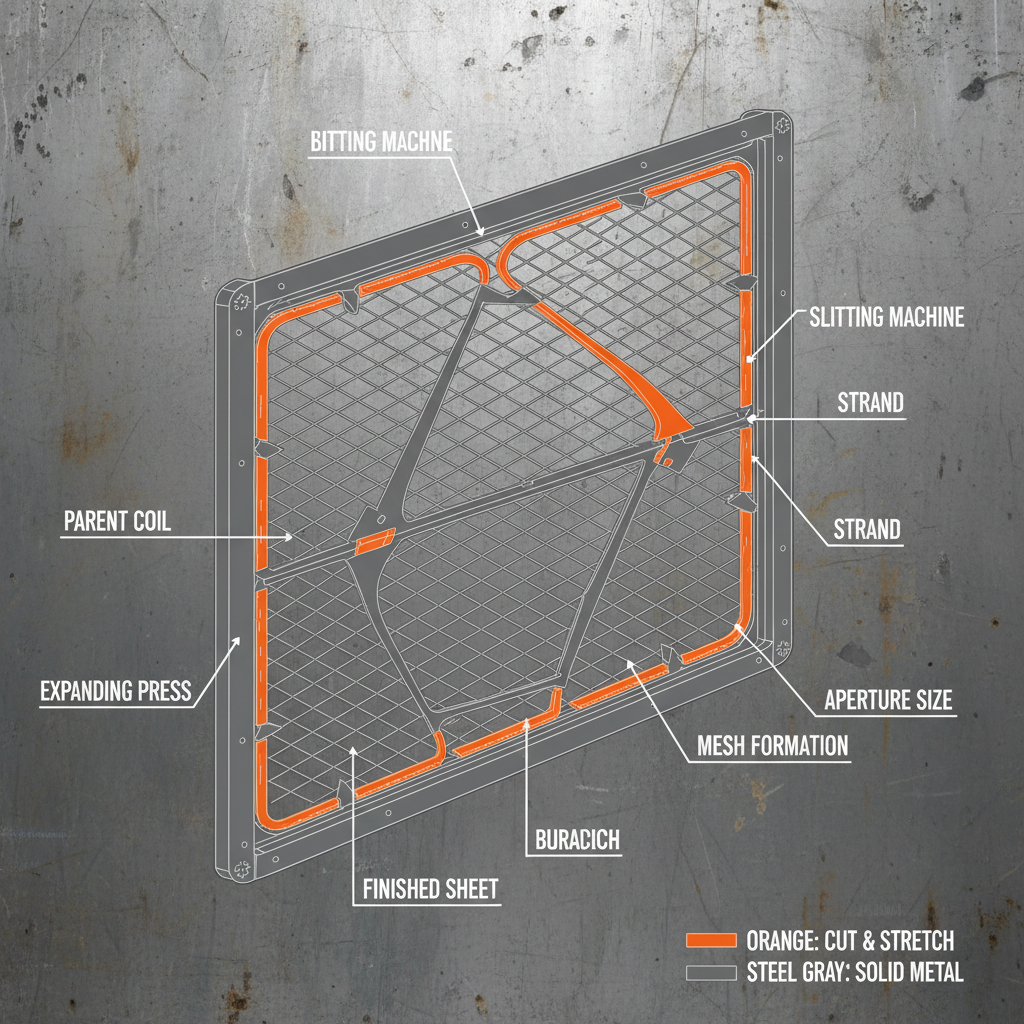
At its core, titanium expanded metal is created through a precise process of slitting and stretching. Unlike perforated metal, where material is punched out and wasted as scrap, expanding involves shifting the metal, resulting in a diamond-shaped opening. This process preserves the material's grain and enhances its inherent strength, making it an economical choice for high-cost metals like titanium.
This geometry is not merely aesthetic; it serves a critical functional purpose. The raised strands of the expanded mesh provide a three-dimensional profile that increases the surface area for heat exchange or filtration, while simultaneously adding stiffness to the panel. This makes it an ideal candidate for lightweighting in aerospace applications without sacrificing load-bearing capacity.
In modern industrial contexts, this material is often compared to woven wire mesh. While woven mesh is excellent for precise filtration, expanded titanium offers superior rigidity and is far easier to clean and maintain, as it lacks the "intersections" where particles or contaminants can become trapped and cause localized corrosion.
Core Technical Factors for Material Selection
When specifying titanium expanded metal, the first critical factor is the Grade of Titanium. Grade 2 (commercially pure) is the industry standard for general corrosion resistance, while Grade 5 (Ti-6Al-4V) is selected for high-stress aerospace components due to its vastly superior tensile strength.
The "Open Area" percentage is the second most vital parameter. In filtration and straining applications, the ratio of open space to solid metal determines the flow rate and pressure drop. Because titanium expanded metal can be customized with precise strand widths and lengths, engineers can fine-tune the permeability to meet exact process requirements.
Finally, surface finish and edge treatment play a role in the final application. Whether the mesh is left "as-expanded" for maximum grip or flattened for a smooth architectural finish, the inherent biocompatibility of titanium ensures that it remains non-toxic and non-reactive, which is essential for pharmaceutical and medical-grade equipment.
Performance Benchmarks and Efficiency
To evaluate the efficiency of titanium expanded metal, one must look at the balance between weight, durability, and cost. Traditional alloys require frequent replacement in chloride-rich environments, leading to high operational downtime. Titanium's longevity effectively eliminates this cycle, providing a lower total cost of ownership (TCO) despite the higher initial material investment.
Moreover, the structural efficiency of the expanded pattern allows for the use of thinner gauges of metal to achieve the same rigidity as thicker, solid plates. This weight reduction is critical in mobile industrial units and offshore platforms where every kilogram affects buoyancy and transport costs.
Comparative Efficiency of Titanium Expanded Metal Variants
Global Applications in Extreme Environments
In the chemical processing plants of the Gulf Coast and the desalination hubs of the Middle East, titanium expanded metal is the primary choice for strainer panels and catalyst supports. Its ability to withstand hot brine and acidic vapors without leaching metallic ions into the product stream is a critical safety and quality requirement.
Beyond heavy industry, this material finds use in remote Arctic research stations and deep-sea exploration vessels. In these zones, where maintenance is nearly impossible and temperatures fluctuate wildly, the thermal stability and corrosion resistance of titanium mesh ensure that critical ventilation and filtration systems remain operational without fail.
Long-Term Value and Sustainability
The sustainability of titanium expanded metal is rooted in its longevity. When a component lasts for 30 years instead of 5, the environmental footprint associated with mining, smelting, and transporting replacement parts is drastically reduced. This aligns with the "Circular Economy" principles by emphasizing durability over disposability.
From an emotional and logical perspective, the use of titanium provides "peace of mind" for engineers. In critical infrastructure—such as nuclear waste containment or high-pressure chemical reactors—the reliability of the material is a matter of public safety and corporate trust. Knowing that the mesh will not rust or fatigue unexpectedly is an invaluable asset.
Furthermore, the recyclability of titanium means that at the end of its long life cycle, the metal can be reclaimed and repurposed. This makes it a far more ecological choice than composite materials or coated steels that often end up in landfills due to the difficulty of separating the coating from the substrate.
Future Innovations in Titanium Mesh Processing
The future of titanium expanded metal is being shaped by additive manufacturing and hybrid processing. We are seeing the emergence of "smart meshes" where titanium expanded panels are integrated with sensors to monitor flow rates or structural stress in real-time, transitioning the material from a passive component to an active part of the Industrial IoT (IIoT) ecosystem.
Sustainability is also driving innovations in "Green Titanium" production, reducing the carbon intensity of the Kroll process used to extract titanium from ore. As these production costs drop, expanded titanium will likely move from "niche high-end" to a more standard specification in municipal water treatment and green energy hydrogen fuel cells.
Automation in the expanding process is allowing for "variable pitch" meshes, where the diamond size changes across a single sheet to optimize flow dynamics. This level of precision ensures that the material can be tailored to specific fluid dynamics, reducing turbulence and increasing the energy efficiency of the overall system.
Technical Analysis of Titanium Expanded Metal Specifications
| Material Grade |
Corrosion Resistance |
Tensile Strength |
Primary Application |
| Grade 2 Pure Ti |
Exceptional (10/10) |
Moderate (5/10) |
Chemical Filtration |
| Grade 5 Alloy |
Very High (9/10) |
Very High (10/10) |
Aerospace Brackets |
| Grade 7 (Pd Alloy) |
Extreme (10+/10) |
Moderate (6/10) |
Acidic Heat Exchangers |
| Flattened Grade 2 |
Exceptional (10/10) |
Low (4/10) |
Architectural Screens |
| Fine Mesh Gr. 2 |
High (9/10) |
Moderate (5/10) |
Pharmaceutical Sifting |
| Heavy Duty Gr. 5 |
Very High (9/10) |
Extreme (10/10) |
Marine Structural Mesh |
FAQS
While stainless steel is versatile, titanium expanded metal offers a significantly higher strength-to-weight ratio and is virtually immune to chloride-induced stress corrosion cracking. In saltwater or highly acidic environments, titanium will outlast 316L stainless steel by decades, reducing replacement costs and system downtime.
Yes, the "expansion" process allows for precise control over the Long Way of the Diamond (LWD) and Short Way of the Diamond (SWD). By adjusting the slitting and stretching parameters, we can create mesh with very specific open-area percentages to match the pressure drop and flow requirements of your specific industrial process.
Initially, the material cost is similar, but expanded metal is often more cost-effective because it produces zero waste. In perforated sheets, the "slugs" (the punched-out holes) are waste. In expanded metal, the material is simply displaced, meaning you get more usable surface area per kilogram of expensive titanium.
Absolutely. Titanium is renowned for its biocompatibility and non-reactivity. titanium expanded metal is frequently used in medical implants, surgical screens, and pharmaceutical filtration where preventing contamination from metal ions is a strict regulatory requirement.
One of the greatest advantages of titanium is that it requires almost no maintenance. Unlike steel, it doesn't need painting or galvanizing. For filtration use, simple back-flushing or ultrasonic cleaning is usually sufficient to remove debris without risking the integrity of the protective oxide layer.
For most seawater applications, Grade 2 commercially pure titanium is sufficient and cost-effective. However, if the environment involves high temperatures or acidic conditions alongside salt, Grade 7 (which contains palladium) is recommended for its superior resistance to reducing acids.
Conclusion
To summarize, titanium expanded metal is far more than just a structural component; it is a strategic investment in longevity and safety. By combining the unmatched corrosion resistance of titanium with the structural rigidity and efficiency of the expanding process, it solves the most persistent challenges of the chemical, aerospace, and marine industries. From its superior strength-to-weight ratio to its total biocompatibility, this material provides a sustainable alternative to traditional alloys, ensuring that critical systems operate reliably under the most punishing conditions.
As we look toward a future of green hydrogen, deep-sea mining, and advanced medical technology, the role of specialized materials will only grow. We recommend that engineers prioritize a life-cycle cost analysis over initial purchase price when selecting mesh solutions, as the long-term gains in uptime and reliability provided by titanium are incomparable. For those seeking the highest standards in industrial filtration and structural screening, titanium is the only logical choice. Visit our website: www.ccmetalmesh.com