
Round hole perforated metal is a versatile material widely used across diverse industries, from architectural design to industrial filtration. Its precisely engineered holes offer a blend of functionality and aesthetic appeal. This article will explore the characteristics, manufacturing processes, applications, and benefits of round hole perforated metal, providing a comprehensive overview for engineers, architects, and procurement professionals. Understanding the nuances of this material can unlock innovative solutions for a wide range of projects.
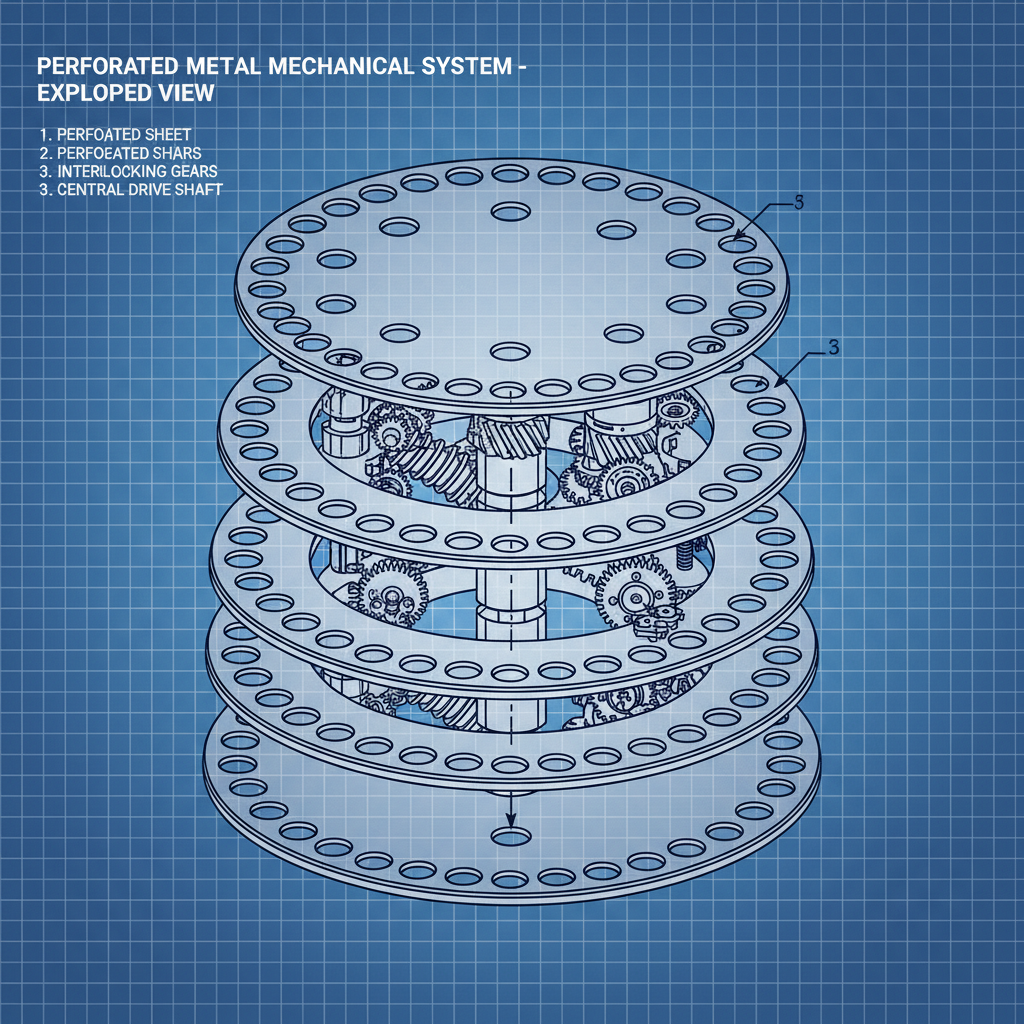
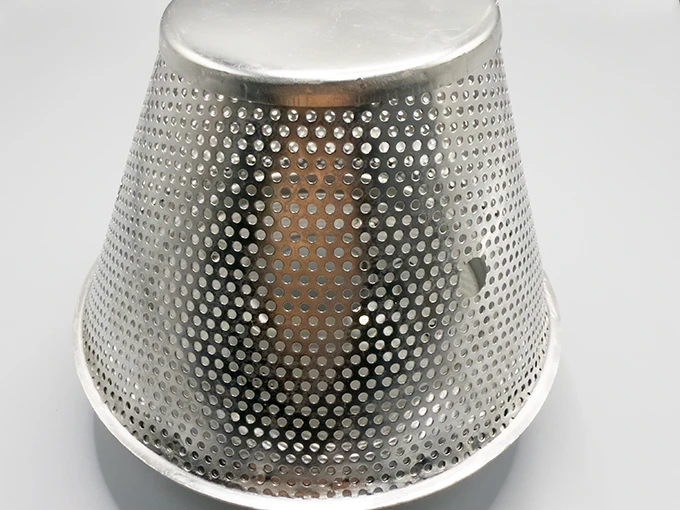
Round hole perforated metal is a sheet of metal containing holes punched in a regular pattern. These holes are, as the name suggests, circular, and can vary significantly in diameter and spacing depending on the specific application. The metal sheets used can be made from a range of materials including stainless steel, aluminum, galvanized steel, and copper, offering varying levels of corrosion resistance and strength. The perforation process doesn't simply create openings; it also alters the material's properties, affecting its weight, airflow, and sound absorption capabilities. The resulting product is highly customizable, making it suitable for a broad spectrum of requirements. CC Metal Mesh offers a wide range of options to suit your needs.
Key Characteristics: Precise hole patterns, customizable hole diameter and spacing, variety of material options, altered material properties (weight, airflow, sound absorption).
The most common method for creating round hole perforated metal is through a progressive die stamping process. This involves using a punch and die to create the holes in a single operation. Other methods, such as laser cutting or plasma cutting, can also be used, especially for smaller production runs or intricate designs. However, stamping typically provides faster production speeds and greater cost-effectiveness for large-scale projects. The choice of manufacturing process also impacts the quality of the edges of the holes – stamping generally produces cleaner, more uniform edges than cutting methods. Accurate tooling and skilled operators are crucial for achieving precise and consistent results.
Manufacturing Method Comparison:
• Progressive Die Stamping: High-speed, cost-effective for large runs, clean edges.
• Laser Cutting: Suitable for intricate designs and small batches, can be slower and more expensive.
• Plasma Cutting: Useful for thicker materials, but edge quality may be lower.
The applications for round hole perforated metal are incredibly diverse. In architecture, it’s frequently used for facade cladding, sunshades, and decorative screens, offering both aesthetic appeal and solar control. Industrially, it finds applications in filtration systems, speaker grills, machine guards, and sound dampening panels. The automotive industry utilizes it for air intake systems and radiator grills. Food processing relies on it for straining and separation processes. The versatility of the material lies in its ability to be customized to meet specific performance criteria. From reducing noise levels to controlling airflow, round hole perforated metal offers effective solutions for a multitude of engineering challenges.
Using round hole perforated metal provides several advantages. It’s lightweight yet strong, offering a high strength-to-weight ratio. The open area created by the holes allows for excellent airflow and sound transmission (or reduction, depending on the design). It’s highly durable and resistant to corrosion, particularly when manufactured from stainless steel or aluminum. The material is also visually appealing and can be easily customized with different hole sizes, patterns, and finishes. Furthermore, it's relatively easy to fabricate and install, reducing project timelines and costs.
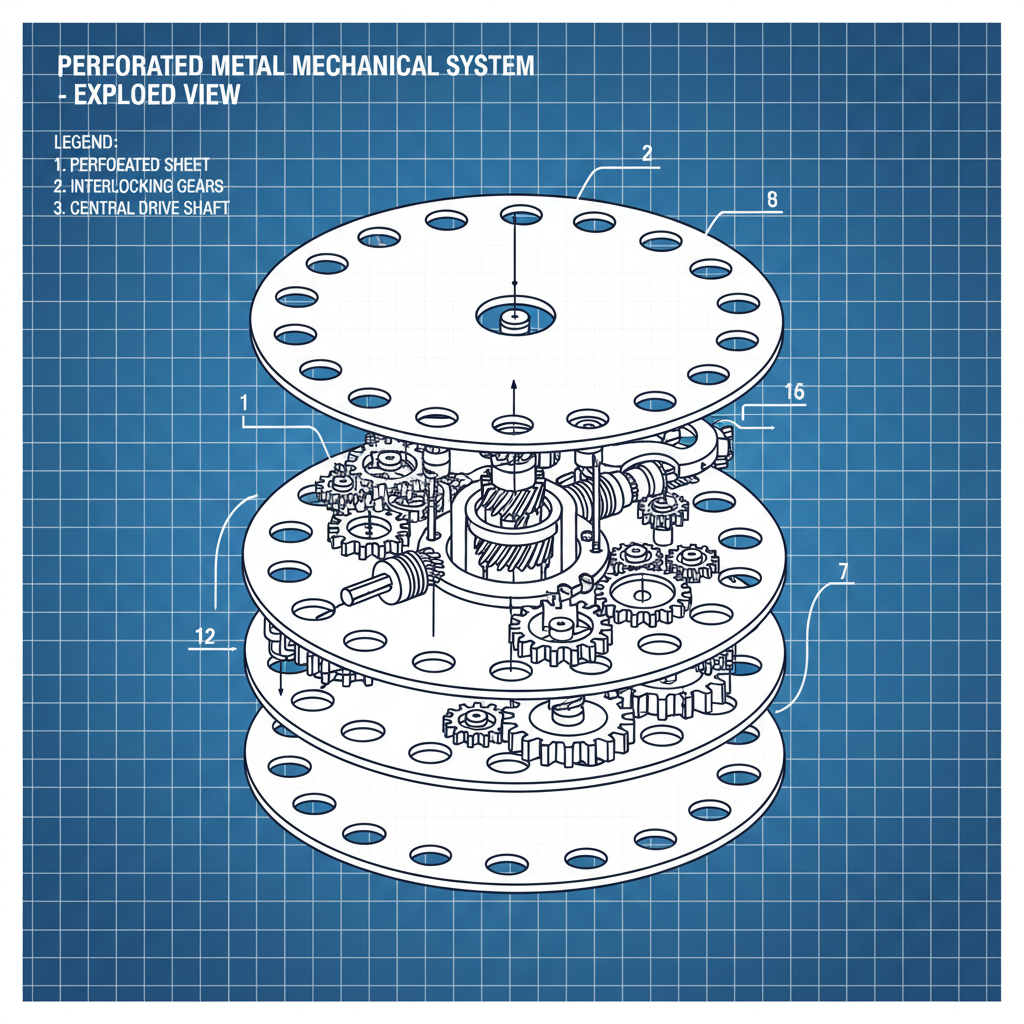
When specifying round hole perforated metal, several factors need careful consideration. Hole diameter and spacing are crucial for achieving the desired airflow, sound transmission, or filtration characteristics. Material selection should be based on the application environment and required corrosion resistance. Sheet thickness influences the material’s strength and rigidity. The perforation pattern (staggered, straight, etc.) can affect the aesthetic appearance and structural integrity. Finally, consider any finishing requirements, such as polishing, painting, or anodizing. Working with a reputable supplier like CC Metal Mesh ensures you receive a product tailored to your specific needs.
Round hole perforated metal is a highly adaptable material offering a unique combination of functionality, aesthetics, and durability. Its diverse applications span across numerous industries, making it a valuable asset for engineers, architects, and designers. By understanding its properties, manufacturing processes, and application possibilities, you can unlock innovative solutions for your projects. CC Metal Mesh is your trusted partner for high-quality perforated metal products and expert guidance.
The most common materials include stainless steel (offering excellent corrosion resistance and durability), aluminum (lightweight and corrosion resistant), galvanized steel (cost-effective with good corrosion protection), and copper (aesthetically pleasing and corrosion resistant). The choice of material depends on the specific application requirements, considering factors like environmental exposure, load-bearing capacity, and desired aesthetic appearance. Different alloys within each material category offer varying properties to suit specific needs.
Hole size and spacing have a significant impact on the metal’s properties. Larger holes and wider spacing reduce the material’s strength but increase airflow and permeability. Smaller holes and tighter spacing increase strength and rigidity but decrease airflow. The open area percentage – the ratio of hole area to total sheet area – is a key factor in determining the material’s performance characteristics. Engineers carefully consider these factors to optimize the design for specific applications.
Perforated metal is used in soundproofing applications primarily for its ability to control sound transmission. When used in conjunction with sound-absorbing materials (like fiberglass or mineral wool), the perforated metal acts as a resonator, helping to dissipate sound energy. It’s commonly used in acoustic panels, ceiling tiles, and wall coverings in recording studios, concert halls, and industrial environments. The hole size and spacing are critical for achieving optimal sound absorption performance.
Yes, perforated metal can be customized with various edge treatments, including burr-free edges, rolled edges, and polished edges. Burr-free edges are essential for applications where safety is a concern, preventing sharp edges from causing injury. Rolled edges provide a more aesthetically pleasing finish and enhance durability. Polished edges offer a smooth, refined appearance for architectural applications. CC Metal Mesh offers a range of edge treatment options to meet your specific requirements.



![$item[alt]](https://images.exportstart.com/images/a1393/cc-7691.webp "$item[title]")