In the demanding landscape of modern industrial filtration and structural reinforcement, ss expanded metal has emerged as a pivotal material. By utilizing a unique process of shearing and stretching, this material provides a high strength-to-weight ratio that is unmatched by traditional perforated sheets, making it indispensable for sectors ranging from chemical processing to architectural design.
Globally, the shift toward sustainable manufacturing and long-term durability has pushed engineers to favor stainless steel variants. The inherent corrosion resistance of ss expanded metal ensures that infrastructure remains intact even in the most aggressive saline or acidic environments, reducing the total cost of ownership through minimized maintenance cycles.
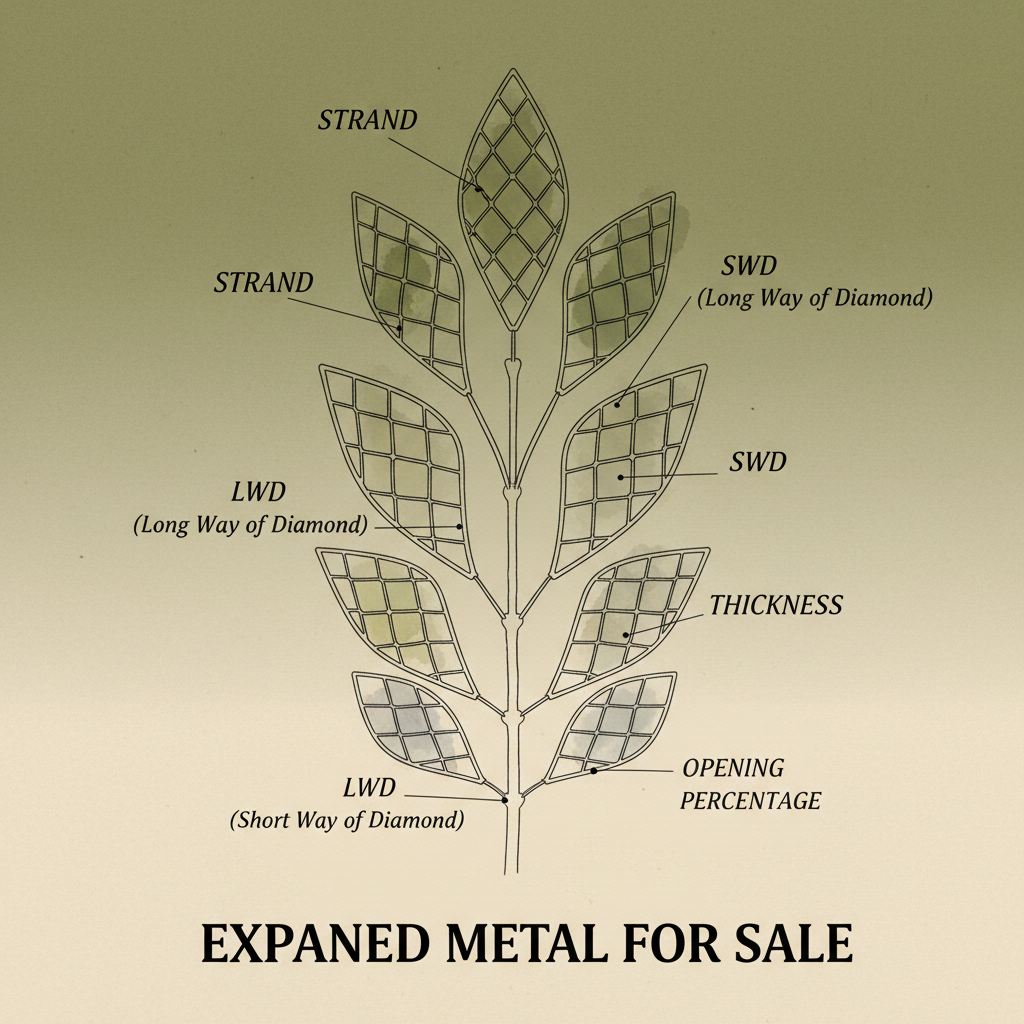
Understanding the technical nuances of this material—from the Long Way of the Mesh (LWM) to the Short Way of the Mesh (SWM)—allows procurement managers and architects to optimize their projects for both cost and performance. This guide explores the multifaceted utility of stainless steel expanded mesh and why it remains a gold standard in industrial application.
Global Industrial Relevance of ss expanded metal
The global demand for ss expanded metal is driven by the rapid expansion of the petrochemical and food processing industries. According to ISO standards for corrosion resistance, stainless steel alloys used in expanded mesh provide a critical barrier against oxidation, which is a primary cause of structural failure in industrial plants. In regions with high humidity or coastal salinity, the adoption of these materials has seen a steady increase as companies seek to align with global safety and longevity benchmarks.
However, many industries struggle with the balance between weight and load-bearing capacity. Traditional heavy plating often leads to excessive structural stress and higher shipping costs. By implementing the expanded geometry, manufacturers can achieve a lightweight solution that does not compromise on rigidity, effectively solving the challenge of structural efficiency in large-scale industrial installations.
Defining the Mechanics of ss expanded metal
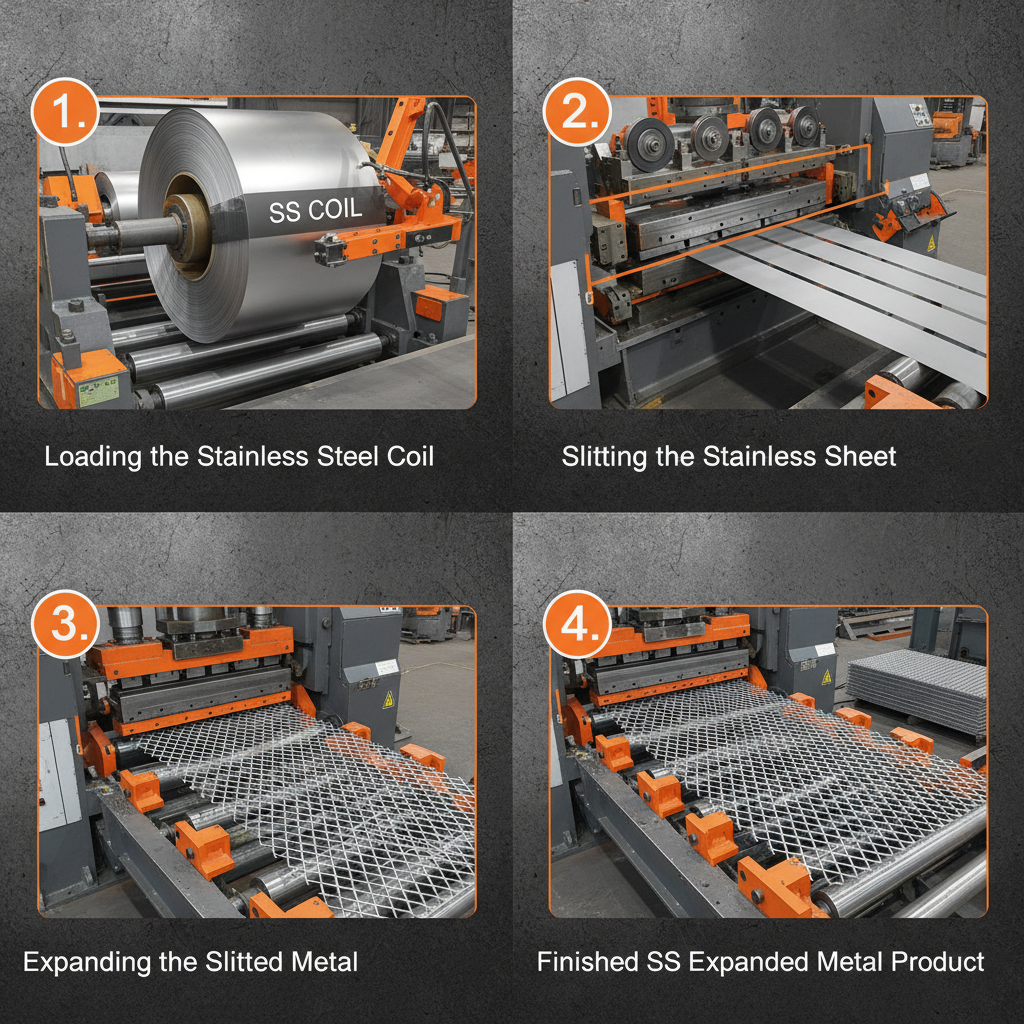
At its core, ss expanded metal is produced through a simultaneous slitting and stretching process. Unlike perforated metal, where material is removed as scrap (holes), expanded metal is shifted. This means no material is wasted, making the production process inherently more sustainable and cost-effective for the manufacturer, which is then passed down to the consumer.
The result is a series of open diamond-shaped apertures. These openings allow for the free flow of air, light, and liquids, while the remaining "strands" and "bonds" provide a continuous, interlocking structural framework. This mechanical bond is what gives the material its legendary stability, preventing the warping or shifting often seen in welded wire meshes.
In modern industry, this material serves as a bridge between raw structural support and refined filtration. Whether it is used as a catalyst support in a chemical reactor or as a protective guard in a high-traffic pedestrian area, the ability to customize the "open area percentage" makes it a versatile tool for solving specific engineering hurdles.
Core Components and Material Factors
The performance of ss expanded metal is primarily governed by the grade of stainless steel utilized. Grade 304 is the industry workhorse, offering excellent general corrosion resistance, while Grade 316 is preferred for marine environments due to the addition of molybdenum, which prevents pitting corrosion in chloride-rich settings.
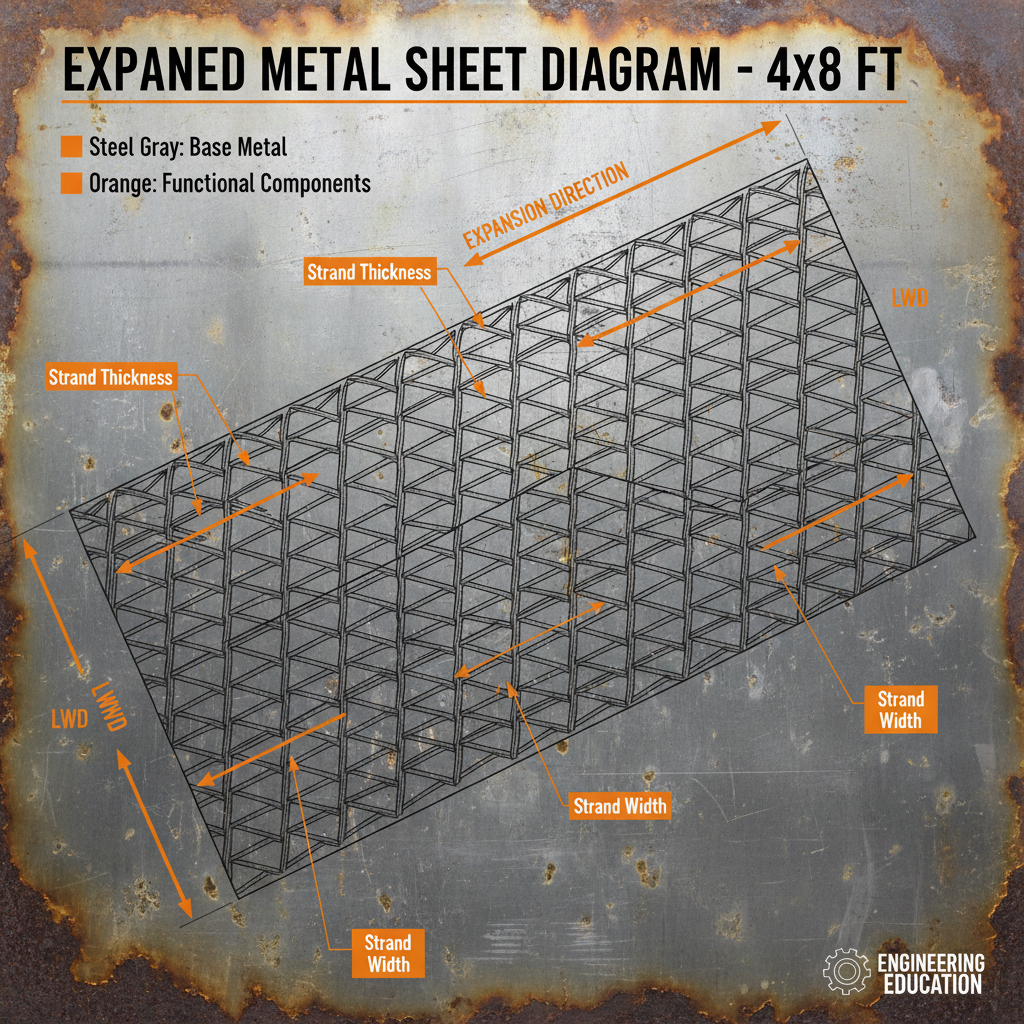
Beyond the alloy, the "Strand Width" and "Bond Width" are the critical geometry factors. The strand width determines the load-bearing capacity of the mesh, while the bond width ensures the integrity of the connection between openings. Optimizing these two variables allows for a precise balance between transparency (open area) and mechanical strength.
Another essential factor is the finishing process. While many ss expanded metal products are left in a mill finish, others undergo electropolishing to remove surface impurities. This not only enhances the aesthetic appeal for architectural use but also significantly improves the hygienic properties, making it ideal for pharmaceutical and food-grade environments.
Performance Metrics and Cost Efficiency
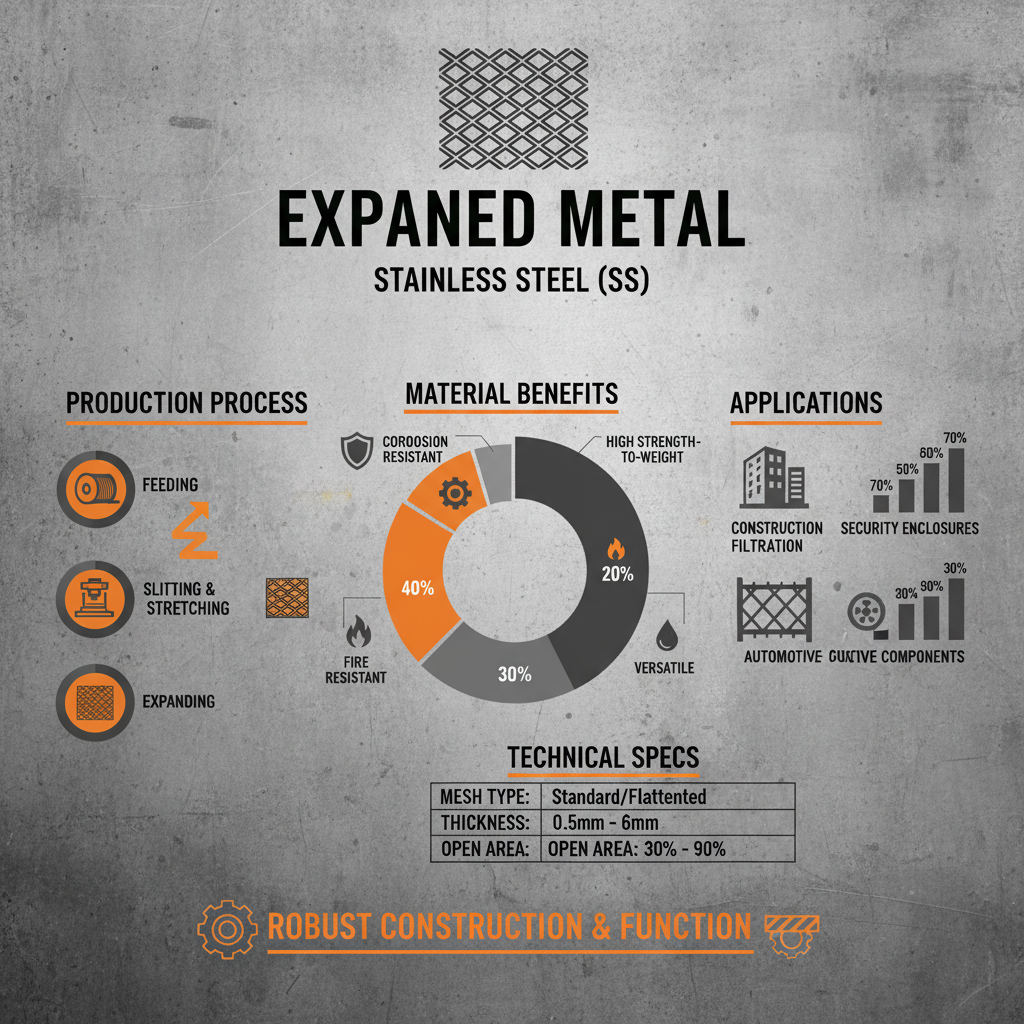
When evaluating ss expanded metal, the primary metric for efficiency is the strength-to-weight ratio. Because the material is stretched rather than punched, the grain of the metal is maintained, resulting in a product that can withstand significant pressure while remaining lightweight. This leads to lower logistics costs and faster installation times on-site.
Furthermore, the "no-waste" manufacturing process ensures that the price per square foot remains competitive compared to perforated alternatives. By reducing raw material waste, the industry minimizes its environmental footprint, aligning with the global move toward "Lean Manufacturing" and circular economy principles.
Efficiency Comparison of Stainless Steel Mesh Variants
Global Applications and Strategic Use Cases
In the realm of industrial safety, ss expanded metal is frequently used for catwalks, stair treads, and machine guards. Its non-slip surface and high visibility make it a preferred choice for oil rigs in the North Sea or mining operations in Australia, where safety standards are stringent and environmental conditions are harsh.
Beyond heavy industry, we see an increasing trend in architectural integration. Designers in urban hubs like Singapore and Dubai use expanded stainless steel for facade cladding and interior partitions. The material's ability to play with light and shadow, combined with its extreme weather resistance, allows for the creation of "breathing" buildings that reduce energy consumption for cooling.
Long-Term Value and Sustainability
The long-term value of ss expanded metal lies in its life-cycle cost. While the initial investment in stainless steel may be higher than carbon steel, the elimination of repetitive painting and rust-treatment cycles creates a significant net saving over a 10-to-20-year horizon. This reliability is essential for critical infrastructure where downtime for repairs is financially catastrophic.
From a sustainability perspective, the material is 100% recyclable. As the world moves toward a "Green Steel" economy, using materials that can be melted down and repurposed without loss of quality is a key priority. The expanded process itself contributes to this by ensuring that the input raw material is utilized to its maximum potential.
Moreover, the psychological value of using high-grade stainless steel cannot be overlooked. In commercial settings, it conveys a sense of cleanliness, innovation, and permanence. This trust in the material's integrity allows companies to build structures that not only last but also enhance the brand image of the facility.
Future Trends and Innovation in Metal Mesh
The future of ss expanded metal is being shaped by digital fabrication and automation. With the advent of AI-driven design, we are seeing the development of "gradient mesh," where the aperture size changes across a single sheet to optimize airflow or load distribution based on precise computer simulations.
Furthermore, the integration of nano-coatings is enhancing the properties of stainless steel. New hydrophobic and antimicrobial coatings are being applied to expanded mesh, expanding its use in sterile medical environments and high-tech cleanrooms where contamination must be zero.
As we pivot toward renewable energy, expanded mesh is finding new life in hydrogen fuel cells and advanced battery filtration systems. The ability to precisely control the surface area of the metal makes it an ideal substrate for chemical catalysts, positioning the material at the forefront of the green energy transition.
Technical Comparison of ss expanded metal Configurations
| Mesh Grade |
Corrosion Resistance |
Load Capacity |
Primary Application |
| SS 304 Standard |
High |
Moderate |
Indoor Filtration |
| SS 316 Marine |
Extreme |
High |
Offshore Platforms |
| SS 430 Ferritic |
Moderate |
Moderate |
Appliance Trim |
| Duplex Steel |
Extreme |
Very High |
Chemical Processing |
| SS 304L Low Carbon |
High |
Moderate |
Welded Structures |
| Custom Alloy Mesh |
Custom |
Custom |
Aerospace Components |
FAQS
The primary difference is the manufacturing process. Perforated sheets are created by punching holes out of the metal, which creates scrap waste. ss expanded metal is made by slitting and stretching the metal, meaning no material is removed. This results in a stronger, more rigid structure with a continuous mechanical bond and zero material waste.
For most outdoor applications, Grade 304 is sufficient. However, if the installation is near the ocean or in an area with high chemical exposure, Grade 316 is strongly recommended. Grade 316 contains molybdenum, which provides superior resistance to pitting and crevice corrosion caused by chlorides and salts.
Yes, ss expanded metal is frequently used for industrial flooring, catwalks, and mezzanines. By selecting a thicker gauge and a smaller aperture size, you can achieve high load-bearing capacities while maintaining a non-slip surface and allowing liquids or debris to fall through.
The open area is calculated by dividing the total area of the openings by the total area of the sheet. This is typically determined by the LWM (Long Way of Mesh), SWM (Short Way of Mesh), and the strand width. Most professional suppliers provide an "Open Area Percentage" chart to help engineers select the right mesh for specific airflow or filtration needs.
Generally, yes, the raw material cost of stainless steel is higher than aluminum. However, the long-term value is superior due to the much higher strength and corrosion resistance. For applications requiring hygiene, extreme heat resistance, or long-term durability without recoating, stainless steel is more cost-effective over the product's lifespan.
Absolutely. ss expanded metal can be cut to specific dimensions, bent, folded, or welded into complex 3D shapes. Because it is a malleable yet strong sheet, it can be integrated into a wide variety of custom architectural or industrial components.
Conclusion
In summary, ss expanded metal represents a perfect intersection of material science and geometric efficiency. From its waste-free production process to its exceptional strength-to-weight ratio and corrosion resistance, it provides a versatile solution for the world's most challenging industrial and architectural environments. By understanding the critical balance between alloy grade and mesh geometry, engineers can ensure maximum longevity and performance for their projects.
As we look toward a future defined by sustainable infrastructure and smart manufacturing, the role of advanced metal mesh will only grow. Whether you are designing a high-efficiency filtration system or a landmark architectural facade, prioritizing high-quality stainless steel expanded mesh is an investment in safety, durability, and ecological responsibility. For professional grade solutions and custom specifications, visit our website: www.ccmetalmesh.com