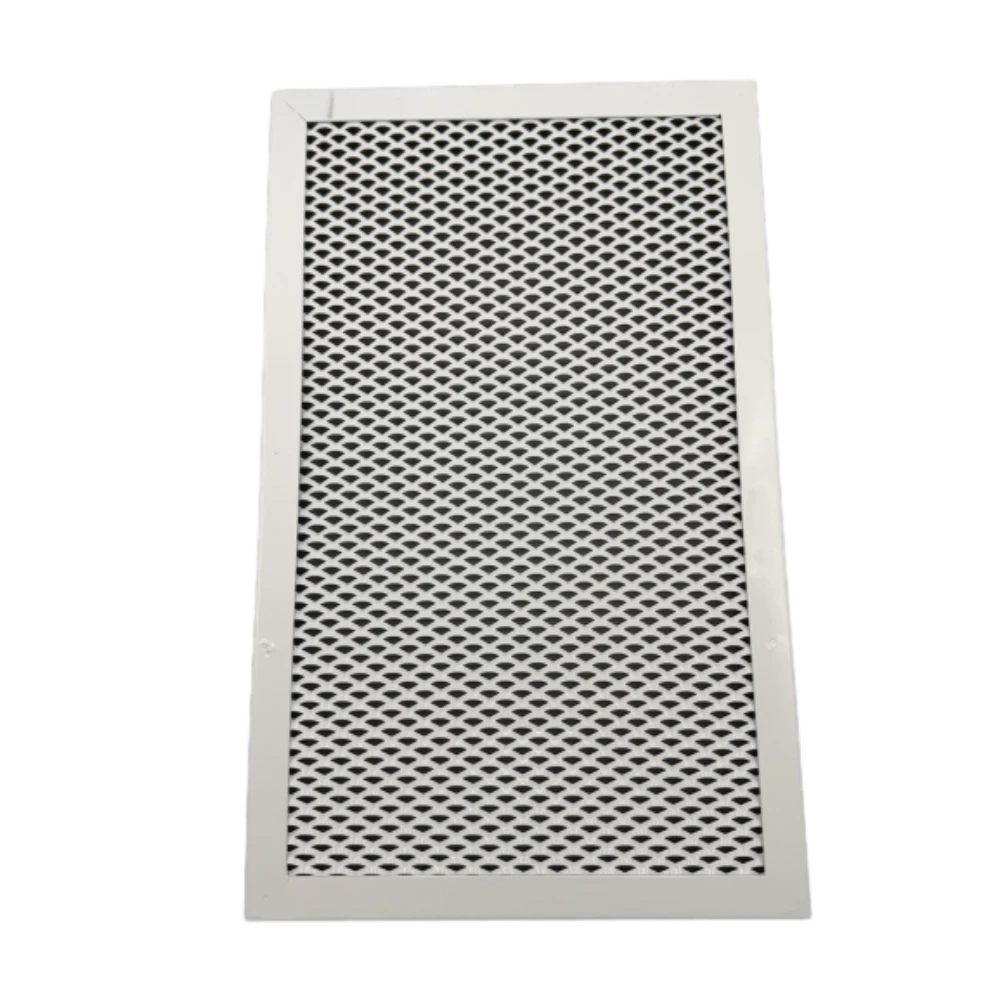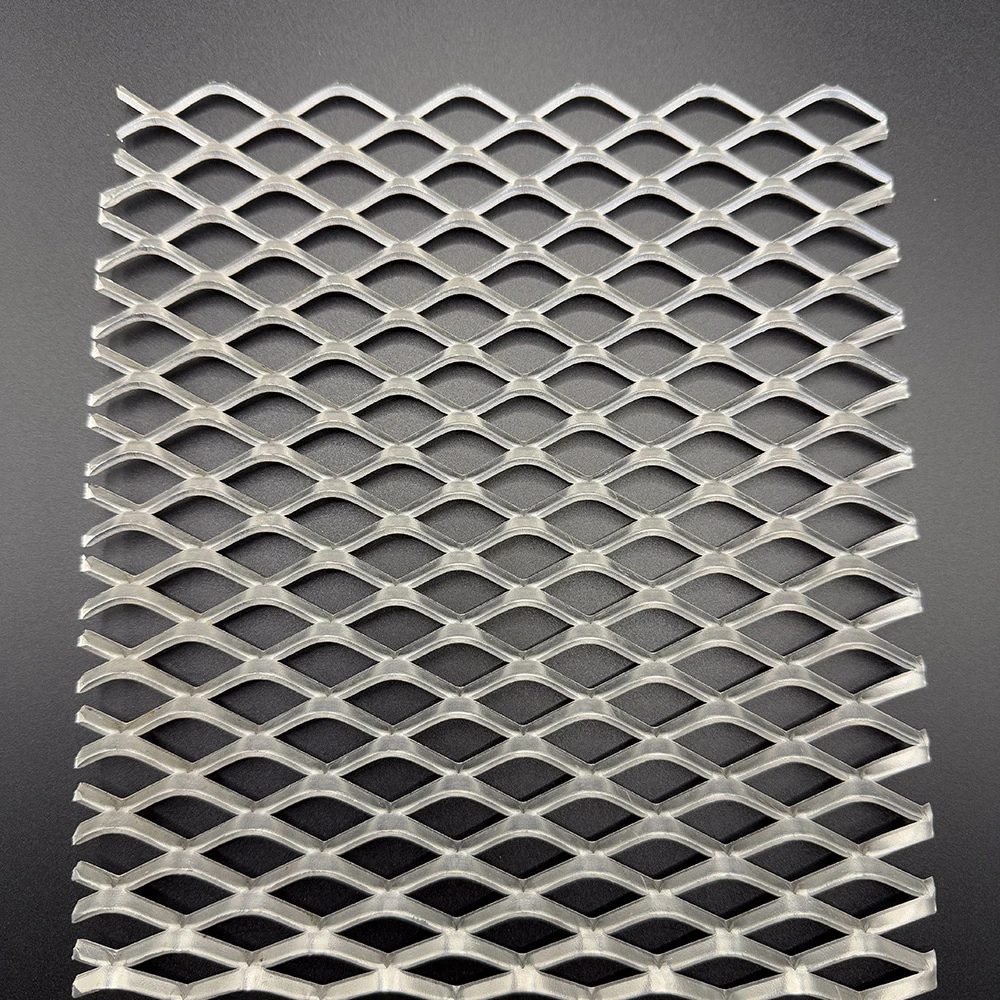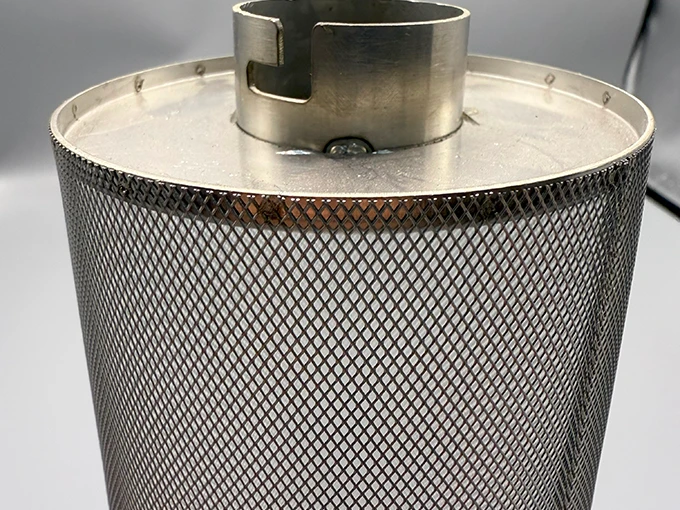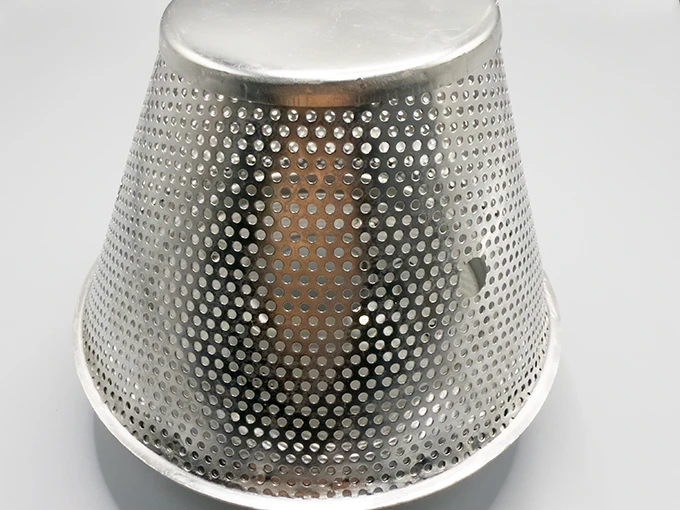

If you’re spec’ing a square hole perforated sheet for a façade, screen, or machinery guard, here’s the quick, no-fluff briefing I give project teams. To be honest, the category looks simple—sheet in, holes out—but the devil’s in pitch, open area, finish, and tolerances. And, surprisingly, in lead time.
Materials: SS304/316, galvanized steel (G90+), aluminum (5052/3003). Typical thickness 0.5–2.0 mm for architectural, up to 3.0 mm for guards. Square pitch can be straight or staggered; tolerances usually ±0.1–0.2 mm on hole and ±0.5 mm on sheet, real-world may vary with coil flatness.
| d (mm) | c (mm) | Open Area (%) | Notes |
|---|---|---|---|
| 2 | 4 | 25.07 | Tight privacy, finer filtration |
| 3 | 5 | 36.0 | Higher airflow, lighter look |
| 3 | 6 | 25.0 | Stronger ligament, load-bearing screens |
Specs are indicative; site handling and finish can nudge open area and airflow.
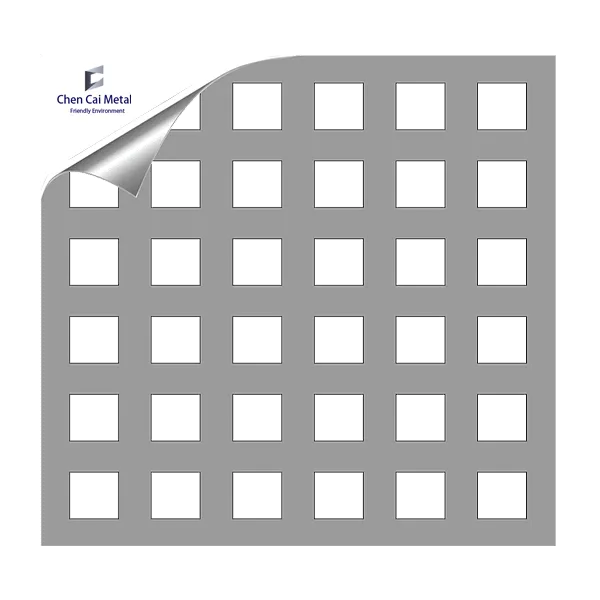
Coil selection → decoiling → CNC turret punching (or progressive die for volume) → leveling → deburring/edge dressing → surface prep → finishing (hot-dip galvanize, powder coat, anodize, or 2B/BA for stainless) → QC (hole gauge, pitch mapping, flatness, coating thickness) → crate pack. Testing: salt spray per ASTM B117/ISO 9227 for coated parts; material certs to ASTM A240 (SS) or ASTM A653 (GI). Service life: ≈10–25 years outdoors depending on coating and coastal exposure.
| Vendor | Typical Lead Time | Tolerances | Certs/Testing | Notes |
|---|---|---|---|---|
| CC Metal Mesh (Hou Zhuang Industry Zone, Anping County, 053600, Hebei, China) | ≈10–18 days | Hole ±0.1–0.15 mm | ISO 9001; ASTM B117 report on request | Strong on custom punches and large panels |
| Regional Trader | ≈3–5 weeks | Hole ±0.2 mm | Basic mill certs | Limited pattern library |
| Local Fabricator | ≈7–14 days (small runs) | Hole ±0.2–0.3 mm | Shop QA only | Great for urgent prototypes |
Ask for margin-free punching if you’ll trim on site; otherwise specify 10–20 mm unperforated borders for clamping. Standard sheets 1000×2000 or 1220×2440 mm, custom up to ≈1500×3000 mm. For a square hole perforated sheet façade, pre-curve and test a corner panel—many customers say it saves a week later.
Bottom line: a square hole perforated sheet balances airflow, rigidity, and optics better than most round-hole equivalents when grids matter. I guess that’s why it keeps showing up on submittals.



![$item[alt]](https://images.exportstart.com/images/a1393/cc-7691.webp "$item[title]")