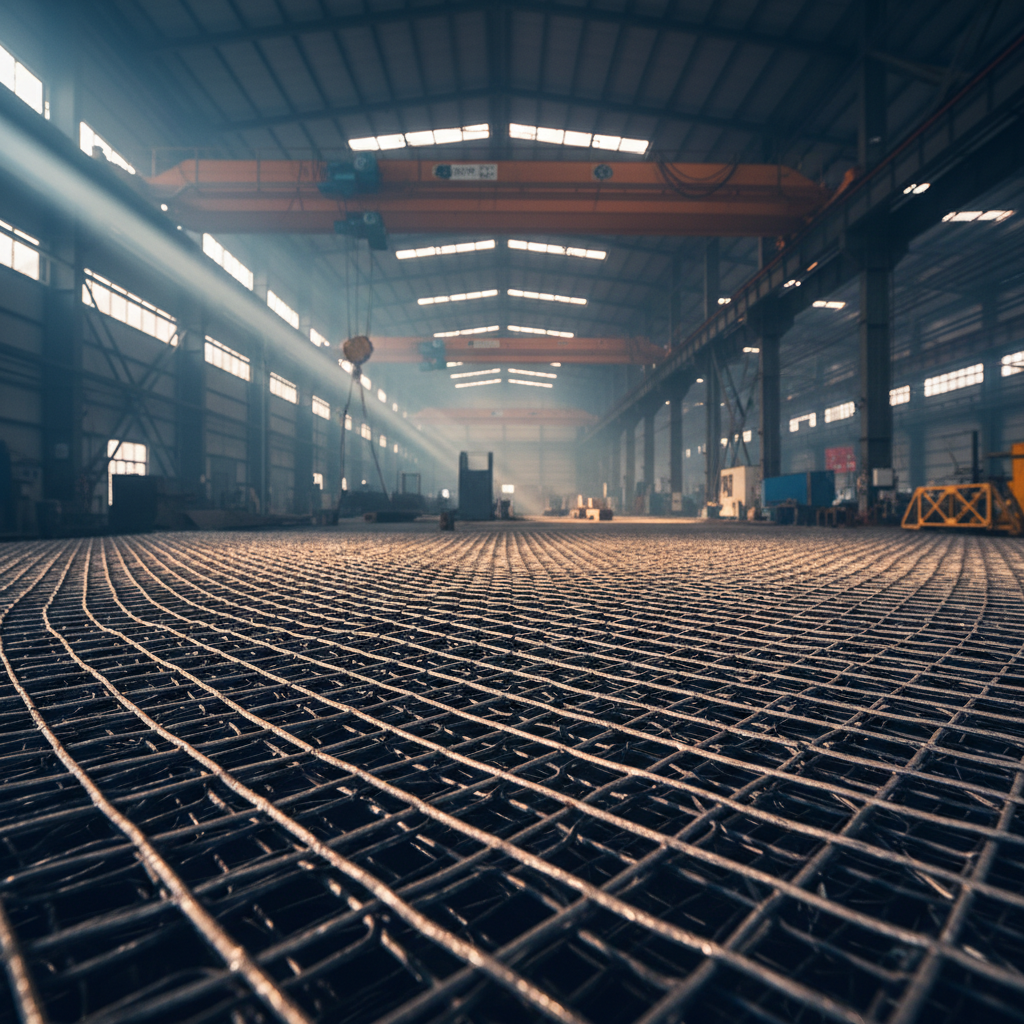
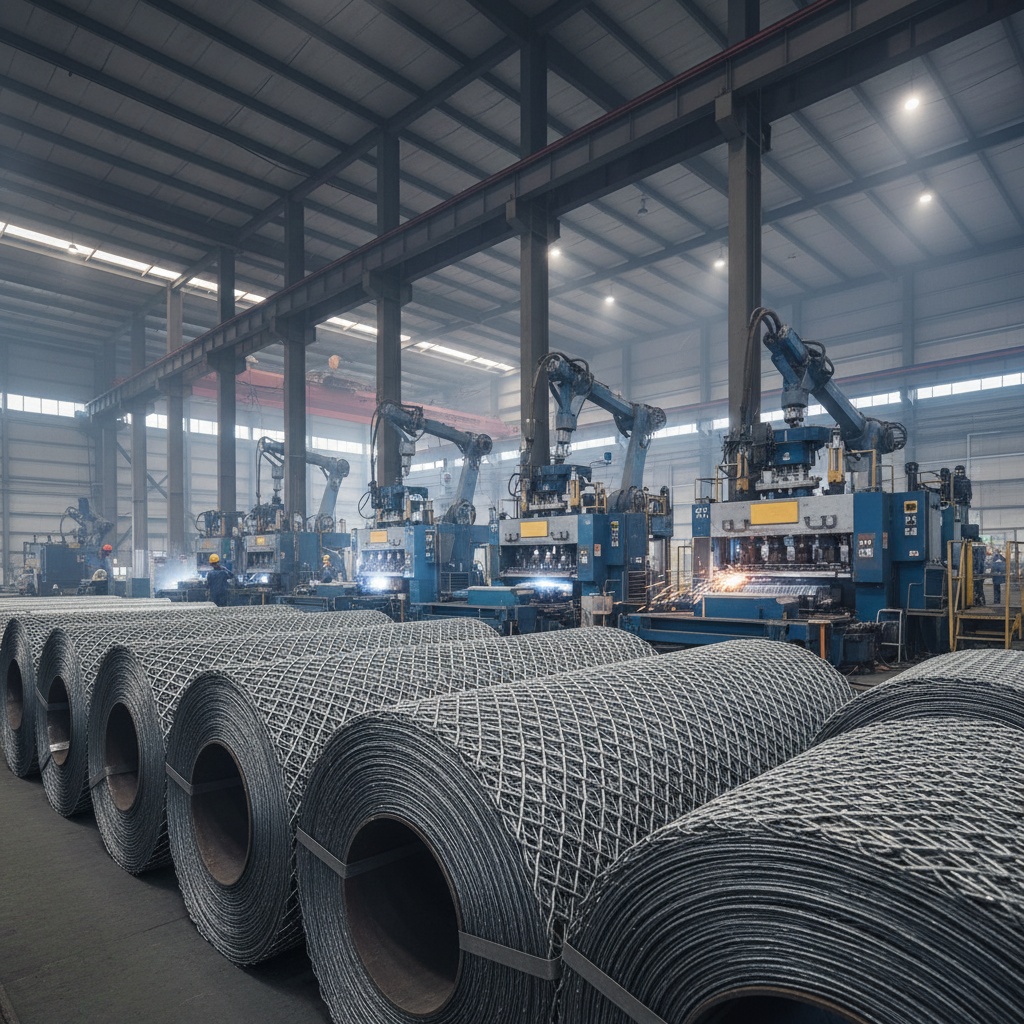
You know, lately everyone's talking about prefabrication. It's not exactly new, we've been doing modular stuff for years, but the push is real now. Labor shortages, material costs… it’s hitting everyone. And honestly, it's driving a lot of demand for expanded steel for sale. Not just for formwork, but for reinforcing, even cladding in some cases. It’s become surprisingly versatile, which is good, because finding reliable suppliers… that's a whole other story.
I spend my life on sites, and you see a lot of mistakes. A common one with expanded steel, especially the lighter gauges, is underestimating the load-bearing capacity. Engineers will spec it out, sure, but they haven’t wrestled with it in the mud. They don’t know how quickly it can deflect if it’s not properly supported during concrete pouring. It's subtle, but it can cause serious headaches later. Have you noticed? It looks okay at first, but then things start to… shift.
And it's not just the engineering. Choosing the right material grade is critical. We’re using a lot of Q235 expanded steel for sale these days – it's a good balance of strength and cost. But I encountered this at a factory in Tianjin last time, they were trying to pass off something thinner, claiming it met the spec. You could smell the difference – that oily residue, the way it bent under pressure… thankfully, our QA team caught it. It’s a constant battle, I tell you.
The Growing Demand for expanded steel for sale
To be honest, the increased demand isn’t just prefabrication. It’s everything. Infrastructure projects, commercial builds, even residential… everyone’s using more expanded steel. It’s lighter than solid steel, easier to work with, and surprisingly strong for its weight. Plus, it provides good ventilation, which is critical for things like walkways and platforms. It's become a go-to material for a lot of applications where open-grid construction is beneficial.
And the price hasn't gone completely crazy yet, compared to other steel products. That’s a big factor, especially with budgets getting tighter and tighter. Strangely enough, I’m seeing it pop up in some unexpected places too – like landscaping projects, as a decorative element. People are getting creative with it, which is good to see.
Common Pitfalls in Expanded Steel Design
One thing I’ve noticed repeatedly is engineers designing with expanded steel as if it’s a direct replacement for solid steel. It’s not. The open grid means it has a lower bending stiffness. You need to account for that in your calculations, or you’ll end up with deflection issues. It's simple physics, really, but it's surprisingly easy to overlook. And then you’re scrambling to add extra supports or reinforce the structure after the concrete’s already poured.
Another issue is corrosion. The cut edges of expanded steel are more susceptible to rust than the surface of solid steel. So, you need to pay attention to the coating – galvanizing is essential, and even then, it needs to be inspected regularly. Especially in coastal areas or environments with high humidity. I’ve seen projects where they skimped on the galvanizing, and within a year, the steel was starting to flake.
And don't even get me started on the connections. Welding expanded steel can be tricky. You need the right technique and the right filler metal to avoid burning through the material or creating weak joints.
Material Selection: Navigating the Grades
Q235 is the workhorse, as I said. It's readily available, relatively inexpensive, and strong enough for most general construction applications. But there are other options. Q345 offers higher strength, which is useful for projects with heavier loads. And you’ve got stainless steel expanded metal, which is obviously more corrosion-resistant, but also significantly more expensive.
What’s crucial is understanding the specifications and ensuring the material actually meets those specs. It's not enough to just take the supplier’s word for it. You need to request mill certificates and conduct your own testing if you’re concerned about quality. I’ve had too many bad experiences to trust anyone blindly. It smells like metal, feels cold, but beneath, there's a world of difference in quality.
And don't forget about the mesh size. The size of the openings in the expanded metal affects its strength and weight. Larger openings reduce the weight but also reduce the strength. It’s all about finding the right balance for your specific application.
Real-World Testing and Performance
Lab tests are useful, sure, but nothing beats seeing how expanded steel performs in the real world. We do a lot of load testing on site, subjecting panels to increasing weight to see when they start to deflect or fail. It’s not pretty, but it’s informative. We’ve also started using drones to monitor deflection over time, which is a game-changer.
I prefer the simple methods, though. Take a piece, bend it, twist it, see how it holds up. You learn a lot just by getting your hands dirty. Forget the fancy equipment; sometimes, the old ways are the best.
Expanded Steel for Sale Performance Metrics
How Expanded Steel is Actually Used on Site
People think it's just formwork, right? It's not. I’ve seen it used for everything from security fencing to stair treads. It's even starting to show up in architectural applications – facades, screens, that sort of thing. It’s versatile, I’ll give it that.
But the way it's actually used on site is often different than what the drawings show. Workers will improvise, add extra supports, or cut it to fit in ways the engineer didn’t anticipate. That's where experience comes in – knowing when those improvisations are safe and when they're a disaster waiting to happen.
Advantages and Disadvantages of expanded steel for sale
Okay, advantages? Lightweight, strong for its weight, good ventilation, relatively inexpensive. Disadvantages? Corrosion, can deflect under load, welding can be tricky, and it can be a pain to cut neatly. Plus, it’s not always the prettiest material. But hey, it gets the job done. Anyway, I think the advantages generally outweigh the disadvantages, especially when you consider the cost.
Honestly, though, it’s all about context. For a temporary formwork, it’s fantastic. For a permanent structural element, you need to be more careful. And for anything aesthetically visible, you probably want to spend a bit more on a higher-quality finish.
Customization and Specialized Applications
You can get expanded steel for sale in just about any size, shape, and material. We had a customer last month, a small boss in Shenzhen who makes smart home devices, who insisted on changing the interface to . The result was a week of headaches trying to find a supplier who could deliver custom panels with the right dimensions and tolerances. He was convinced it would make his product stand out, and honestly, it probably did, but it cost him a fortune.
We also do a lot of custom bending and shaping. We can create curved panels, conical sections, even complex geometric shapes. It's not cheap, but it allows us to create unique designs that wouldn’t be possible with standard flat sheets.
Summary of Expanded Steel Applications and Considerations
| Application |
Material Grade |
Key Consideration |
Estimated Cost (USD/ton) |
| Formwork for Concrete |
Q235 |
Adequate Support During Pouring |
$800 - $1200 |
| Walkways & Platforms |
Q345 |
Load Capacity & Slip Resistance |
$1000 - $1500 |
| Security Fencing |
Galvanized Q235 |
Corrosion Resistance & Mesh Size |
$900 - $1400 |
| Architectural Facades |
304 Stainless Steel |
Aesthetic Appeal & Weather Resistance |
$2000 - $3500 |
| Stair Treads |
Q345 with Anti-Slip Coating |
Slip Resistance & Structural Integrity |
$1100 - $1600 |
| Custom Panels |
Variable |
Precise Dimensions & Tolerances |
$1500 - $4000 |
FAQS
Honestly? Underspecifying the gauge. They see the price difference between a lighter and heavier gauge and go for the cheaper option. Then, they wonder why it deflects under load. It's a classic case of being penny-wise and pound-foolish. You need to calculate the load-bearing requirements carefully and choose a gauge that can handle it. Don’t skimp on this.
Galvanizing is your best bet, hands down. Hot-dip galvanizing provides a robust, long-lasting coating. But even galvanizing needs to be inspected for damage. Powder coating is also an option, especially for indoor applications or where aesthetics are important. But it's not as durable as galvanizing in harsh environments. Regular maintenance, like applying a corrosion inhibitor, can also help extend its lifespan.
It can be, but you need to choose the right mesh size and coating. A smaller mesh size provides better support and reduces the risk of deformation. And a durable coating, like galvanizing or powder coating, will protect against wear and tear. You might also want to consider adding an anti-slip surface to improve safety.
Lead times vary depending on the complexity of the order and the supplier’s capacity. But generally, you’re looking at 4-8 weeks for custom orders. It's always best to plan ahead and place your order well in advance, especially during peak season. The smaller the order, the faster it can go, but it’s still subject to their schedule.
Absolutely. Steel is one of the most recycled materials on the planet. Expanded steel can be melted down and reused to make new steel products. That’s a big plus from a sustainability perspective. It's a relatively easy process, which is why it's so common. A lot of scrap yards will take it, but check with your local provider.
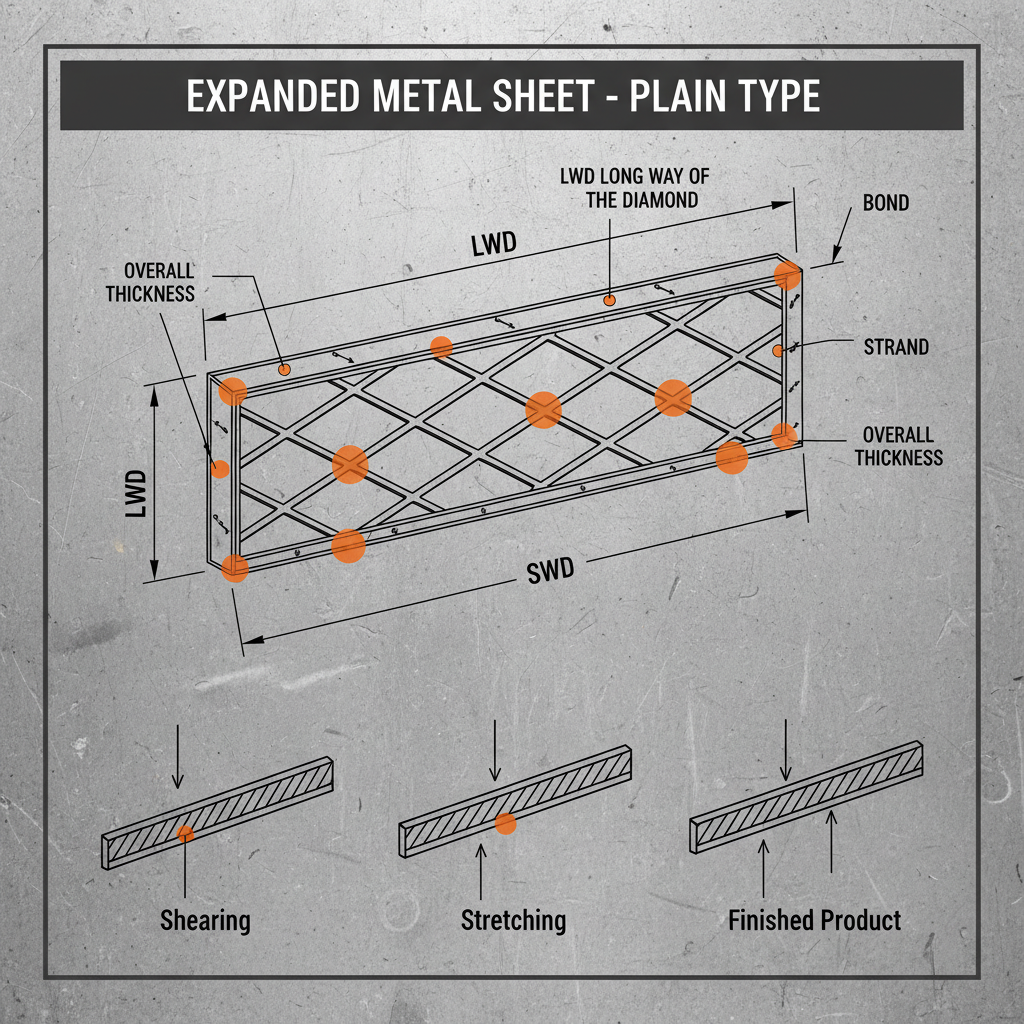
Good question! Perforated metal has holes punched out, while expanded metal is slit and stretched. This creates a different pattern and affects the strength and weight. Expanded metal is generally stronger for the same weight, but perforated metal can offer more precise openings. The application determines which one is best.
Conclusion
So, there you have it. Expanded steel for sale is a versatile, cost-effective material with a lot to offer, but it's not a magic bullet. You need to understand its limitations, choose the right grade and coating, and pay attention to the details. It's a workhorse material, for sure, and it'll continue to be in demand as construction methods evolve.
Ultimately, whether this thing works or not, the worker will know the moment he tightens the screw. It’s not about the fancy engineering reports or the mill certificates. It's about whether it feels solid, whether it fits, and whether it does the job it's supposed to do. And if it doesn’t, you’ll hear about it. Trust me.