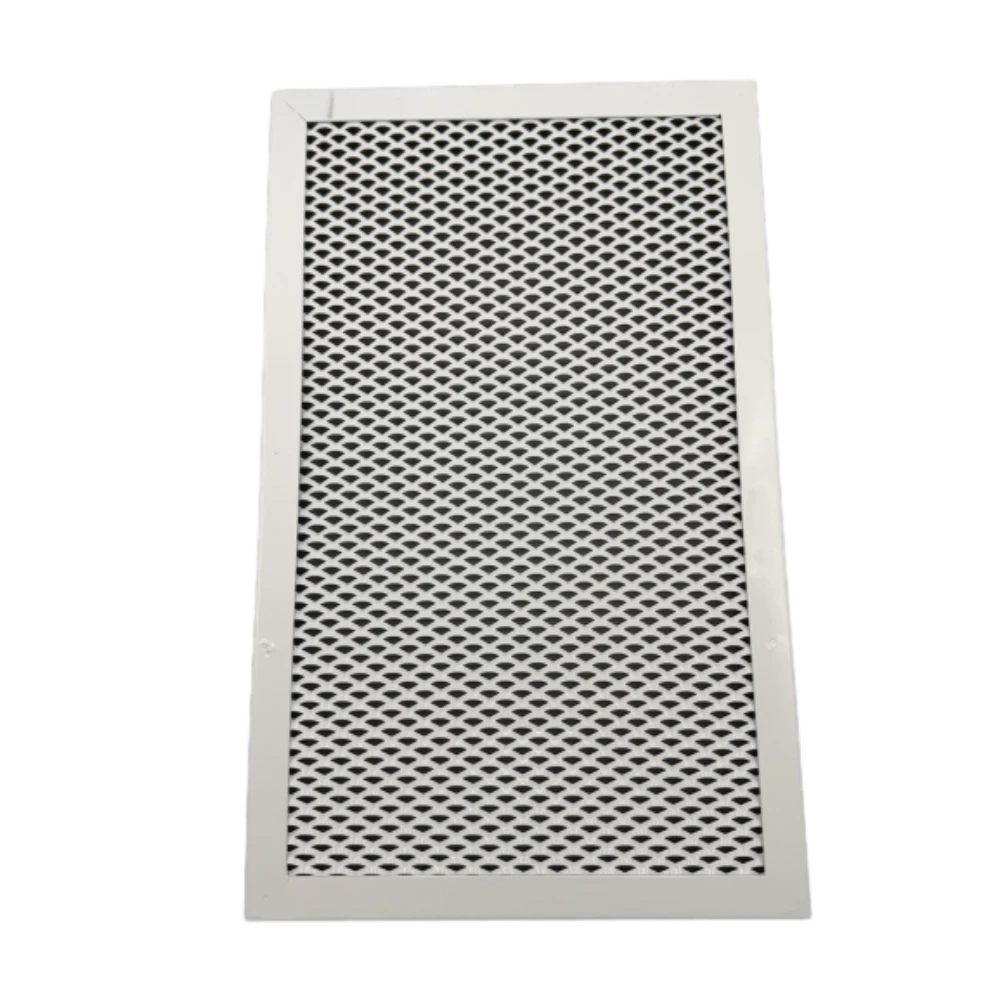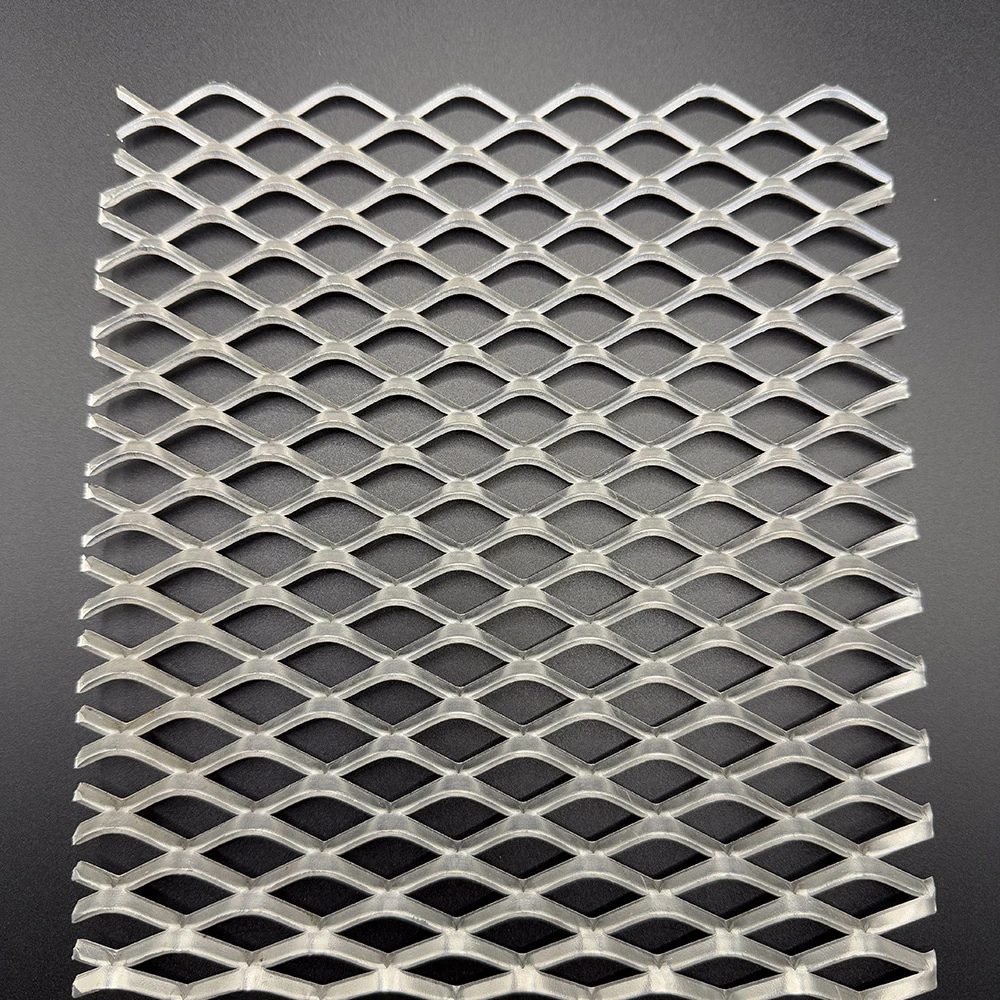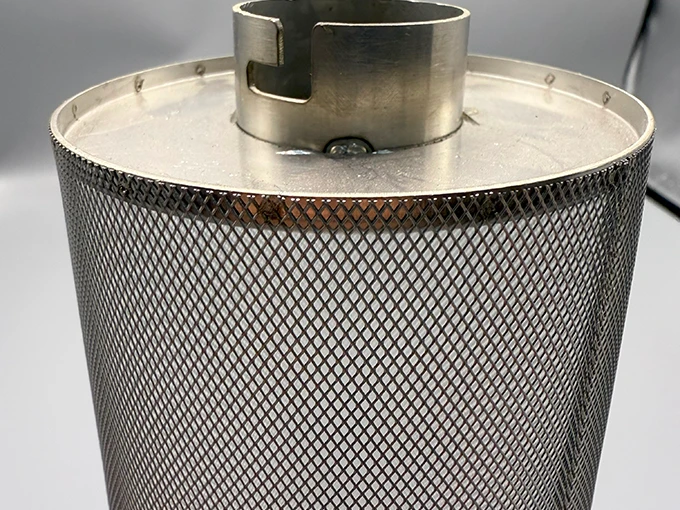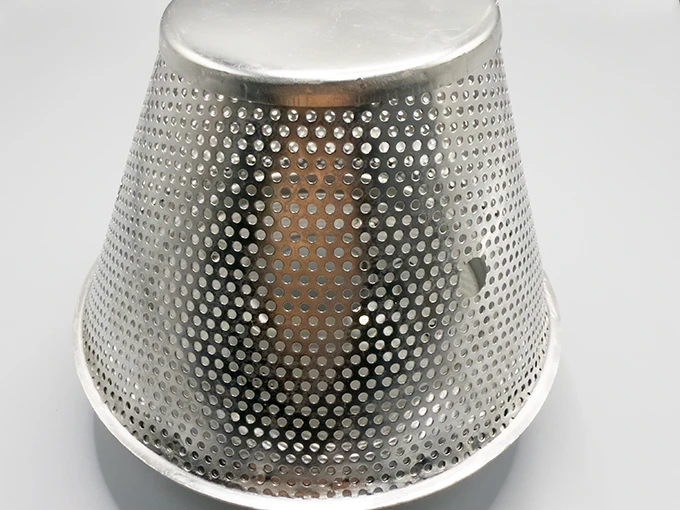

Hexagonal perforated steel sheet is a versatile material widely used across numerous industries. Its unique design, characterized by regularly spaced hexagonal holes, offers a compelling combination of strength, lightweight properties, and functionality. This article will explore the various applications, benefits, manufacturing processes, and key considerations when choosing the right hexagonal perforated steel sheet for your project. We will delve into how its unique characteristics make it ideal for diverse projects, from architectural design to industrial filtration.
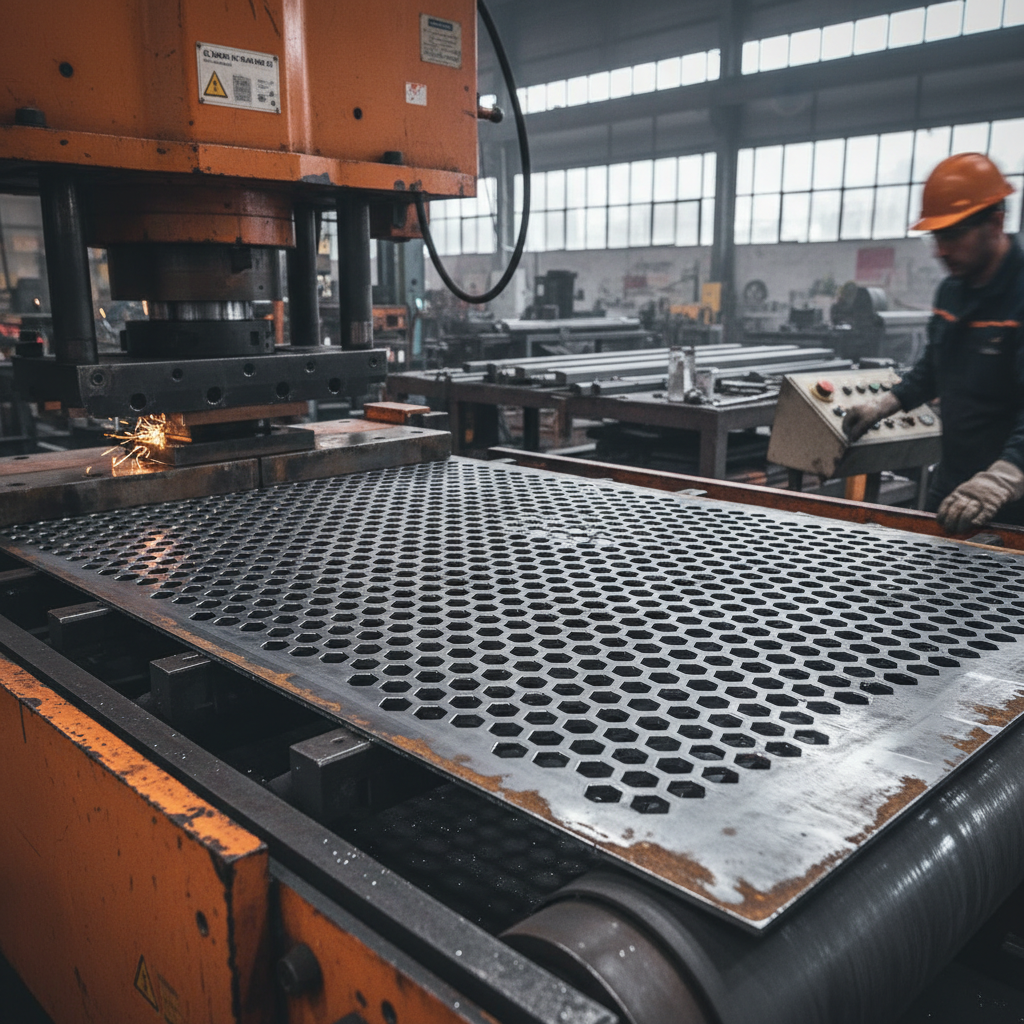
The hexagonal pattern isn't merely aesthetic; it provides superior structural integrity compared to other perforation styles. The balanced distribution of stress around each hole minimizes the risk of cracking or deformation. This makes hexagonal perforated steel sheet exceptionally durable and suitable for applications requiring high strength-to-weight ratios. Other benefits include enhanced air and liquid flow, sound dampening properties, and visual appeal. The uniform distribution of holes also reduces noise levels when used in acoustic applications. Choosing the correct hole size and sheet thickness can further optimize performance for specific needs.
Key Highlights: Offers superior structural integrity, balanced stress distribution, enhanced flow rates, sound dampening, and aesthetic appeal.
The versatility of hexagonal perforated steel sheet shines through its wide range of applications. In architecture, it's used for facade cladding, sunshades, and decorative panels. Industrial applications include filters, screens, speaker grilles, and machine guards. The agricultural sector employs it in ventilation systems and animal enclosures. Furthermore, its use is expanding into creative fields like art installations and interior design, thanks to its modern and stylish appearance. The ability to customize the hole size, sheet thickness, and material further expands its usability across different projects.
Application Areas:
• Architectural Facades & Cladding
• Industrial Filtration Systems
• Speaker Grilles and Acoustic Panels
• Machine Safety Guards
While other perforation patterns like square or round exist, hexagonal perforation offers unique advantages. Square perforations can concentrate stress at the corners, increasing the risk of cracking. Round perforations, while strong, don’t distribute stress as evenly as hexagonal holes. Hexagonal patterns are inherently stronger and more resistant to deformation, making them ideal for demanding applications. The consistent shape also allows for more predictable airflow and sound absorption.
Hexagonal perforated steel sheet can be manufactured from a variety of materials, including stainless steel (304, 316L), carbon steel, aluminum, and galvanized steel. The choice of material depends on the application's requirements, such as corrosion resistance, strength, and weight. Customization options are extensive, encompassing hole size, sheet thickness, perforation pattern, and edge finishing. CC Metal Mesh offers tailored solutions to meet unique project specifications.
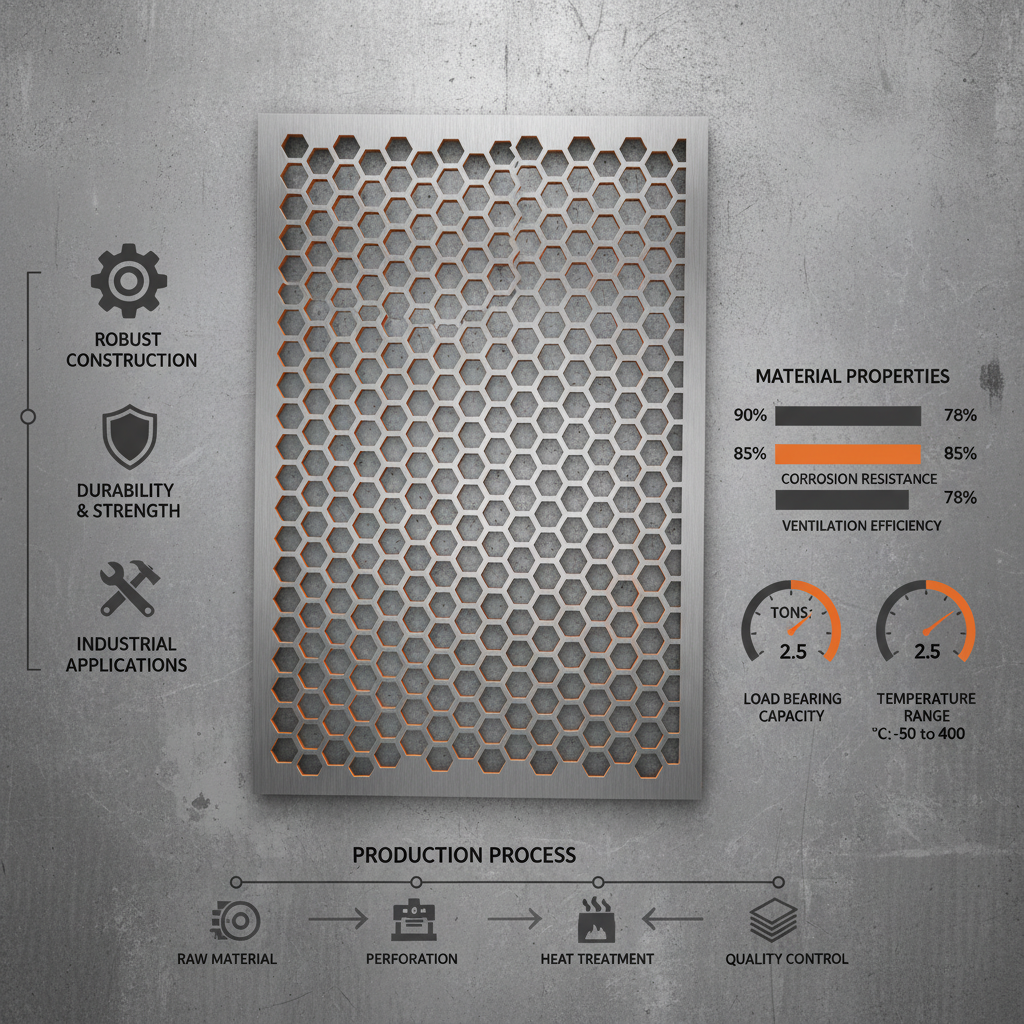
Choosing the appropriate hexagonal perforated steel sheet requires careful consideration of several factors. Determine the required load-bearing capacity and select a suitable sheet thickness. Consider the operating environment and choose a material with adequate corrosion resistance. Define the desired airflow or filtration rate to determine the optimal hole size and pattern density. Finally, consider aesthetic requirements and edge finishing options to achieve the desired look. Consulting with a reputable supplier like CC Metal Mesh can ensure you select the best solution for your specific needs.
The hexagonal perforated steel sheet offers a powerful combination of strength, functionality, and aesthetic appeal. Its wide range of applications, customization options, and durability make it a valuable material for diverse industries. By understanding its unique characteristics and carefully considering your project requirements, you can leverage this versatile material to achieve optimal results.
Common materials include stainless steel (grades 304 and 316L for corrosion resistance), carbon steel (cost-effective for general applications), aluminum (lightweight and corrosion-resistant), and galvanized steel (provides corrosion protection). The choice depends on the intended application, environmental conditions, and budget. Stainless steel is often preferred for its durability and resistance to rust, while aluminum is ideal for applications requiring a lightweight material. Carbon steel is a more economical option for indoor projects where corrosion is not a concern.
Hole size significantly impacts performance. Smaller holes provide greater strength and filtration efficiency but reduce airflow. Larger holes increase airflow but compromise structural integrity and filtration capabilities. The optimal hole size depends on the application; for example, a filtration system requires smaller holes, while a ventilation panel benefits from larger openings. Consideration must also be given to the hole pitch (distance between holes) which also influences the overall strength and permeability of the sheet.
Yes, hexagonal perforated steel sheets can be powder coated to enhance their corrosion resistance, aesthetic appeal, and durability. Powder coating provides a protective layer against environmental factors and allows for a wide range of color options. The powder coating process involves applying a dry powder electrostatically to the sheet and then curing it under heat to form a hard, durable finish. Proper surface preparation is crucial for ensuring good adhesion of the powder coating.
Lead times for custom orders vary depending on the material, quantity, hole size, and sheet thickness. Generally, standard materials and sizes can be delivered within 2-4 weeks. More complex orders or those requiring specialized materials may take 6-8 weeks or longer. Contacting CC Metal Mesh directly with your specifications will provide the most accurate lead time estimate.



![$item[alt]](https://images.exportstart.com/images/a1393/cc-7691.webp "$item[title]")