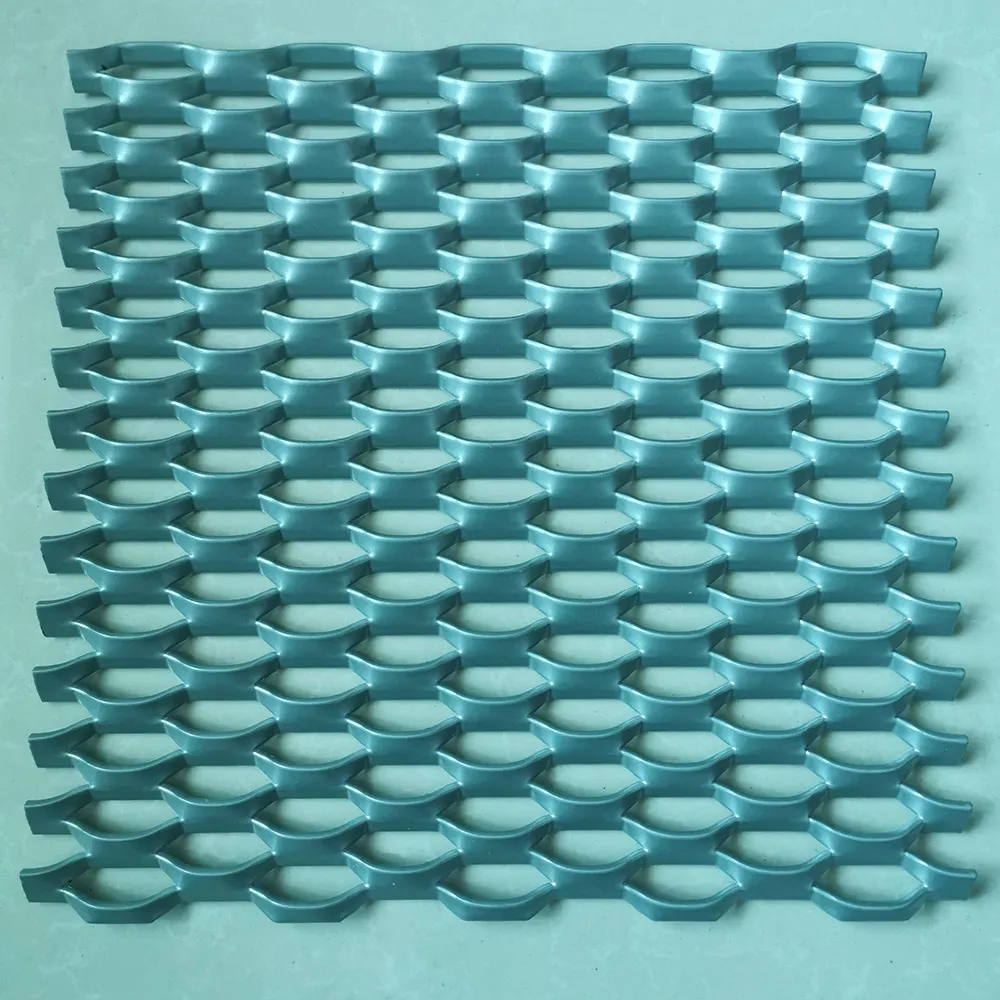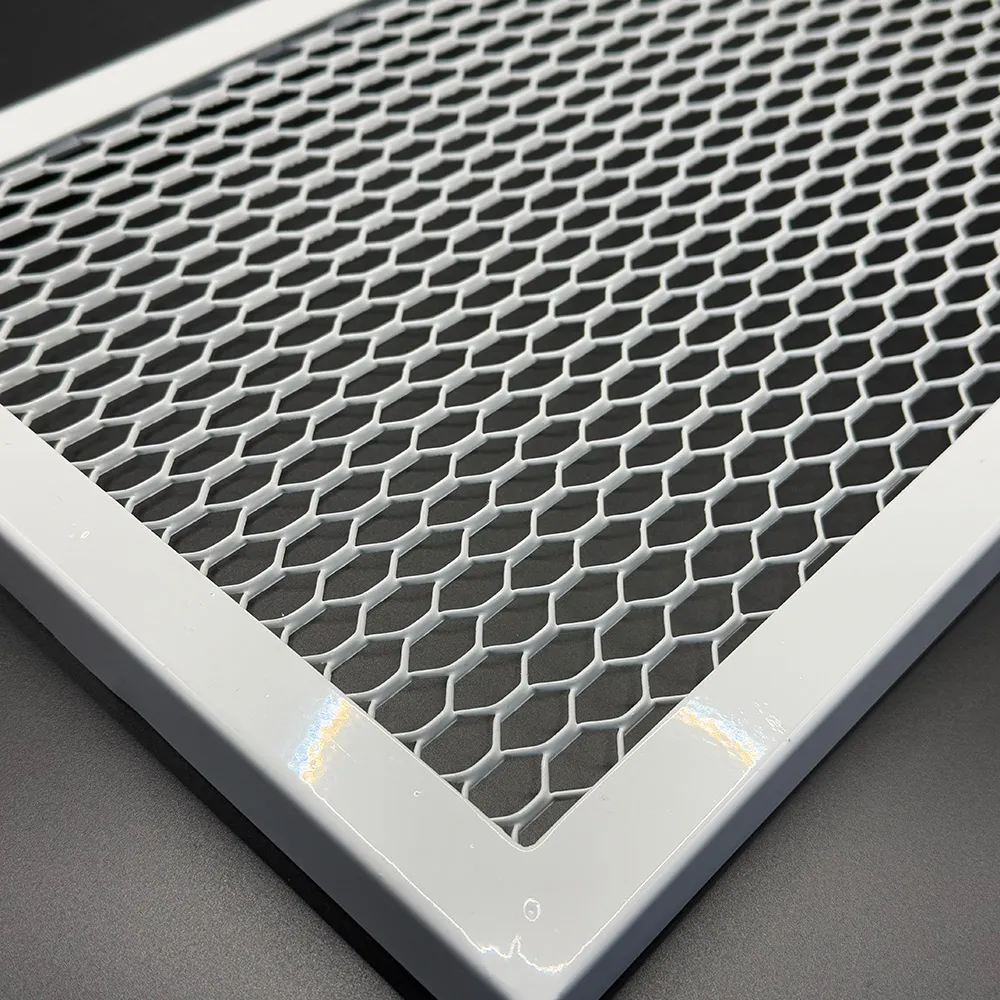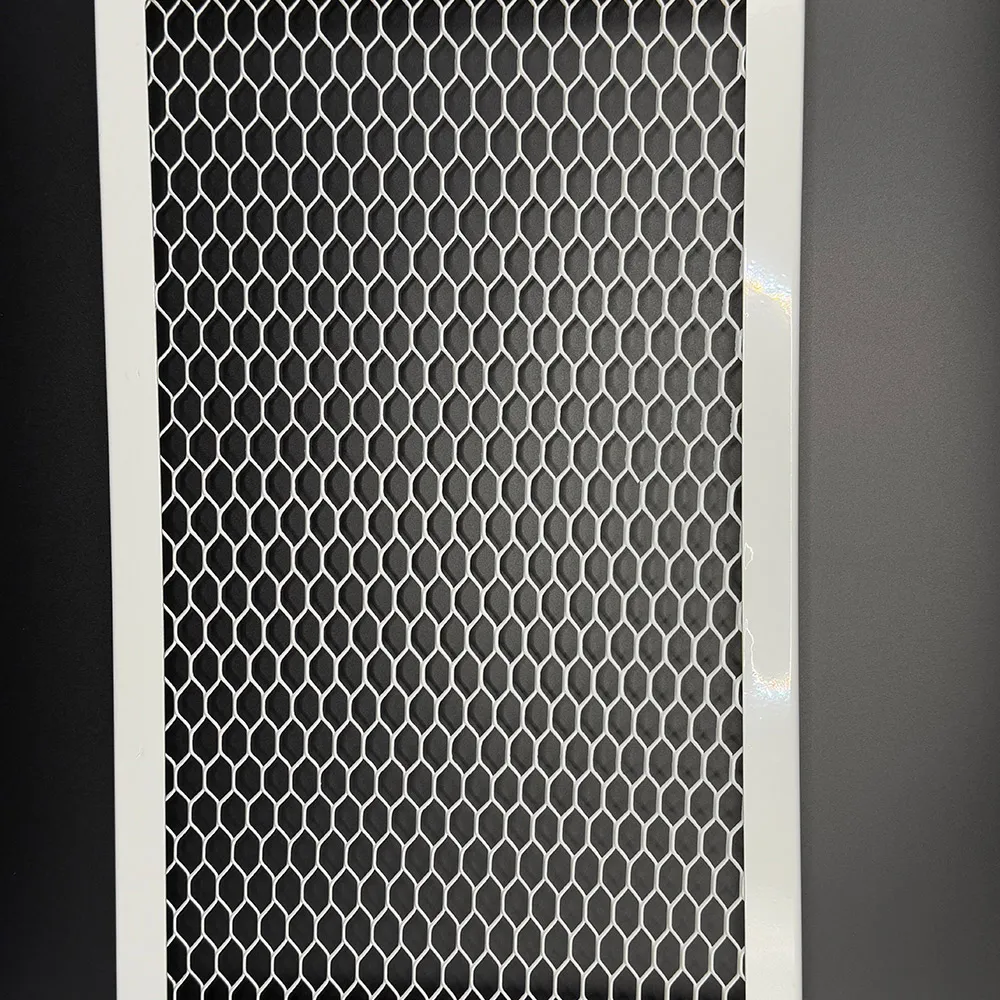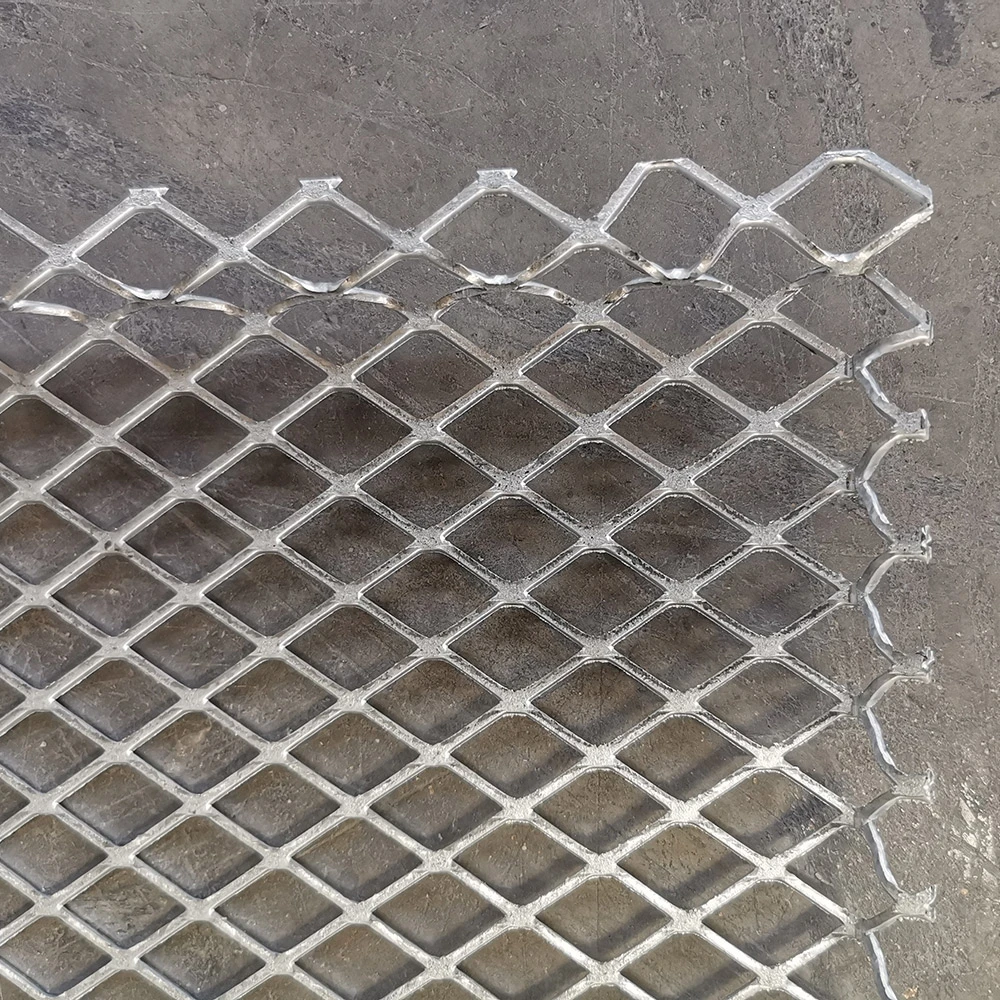
Product Description
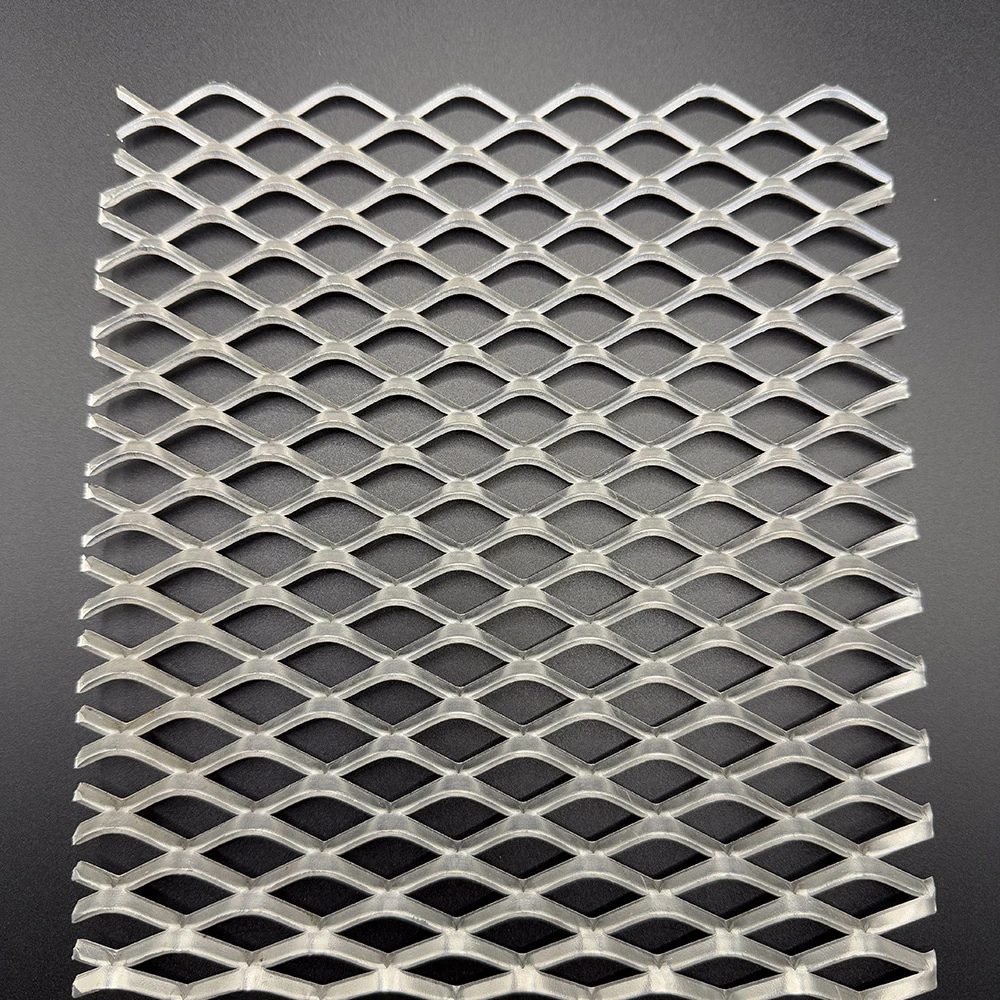
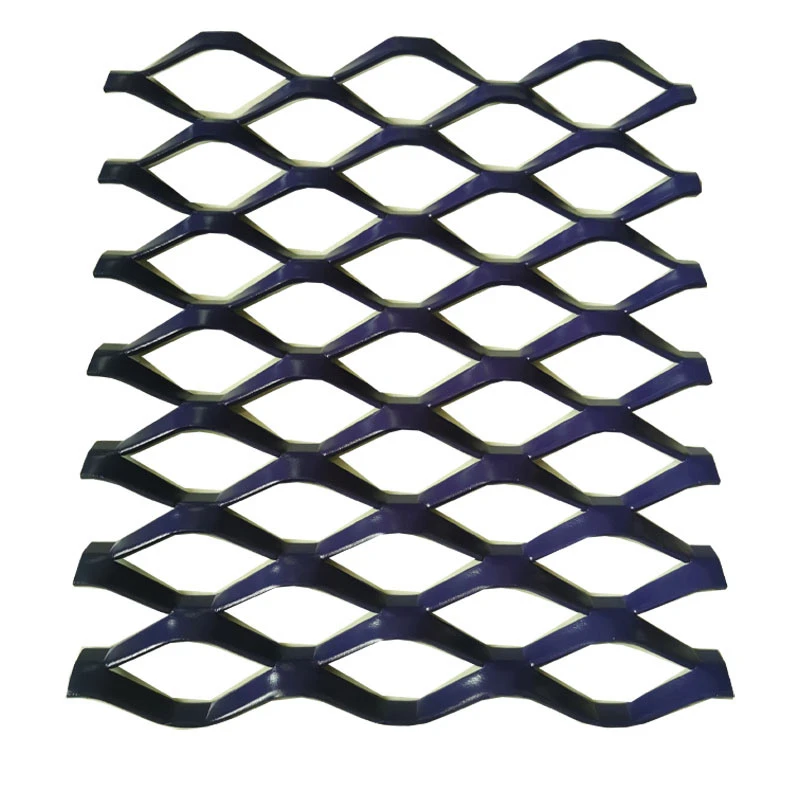
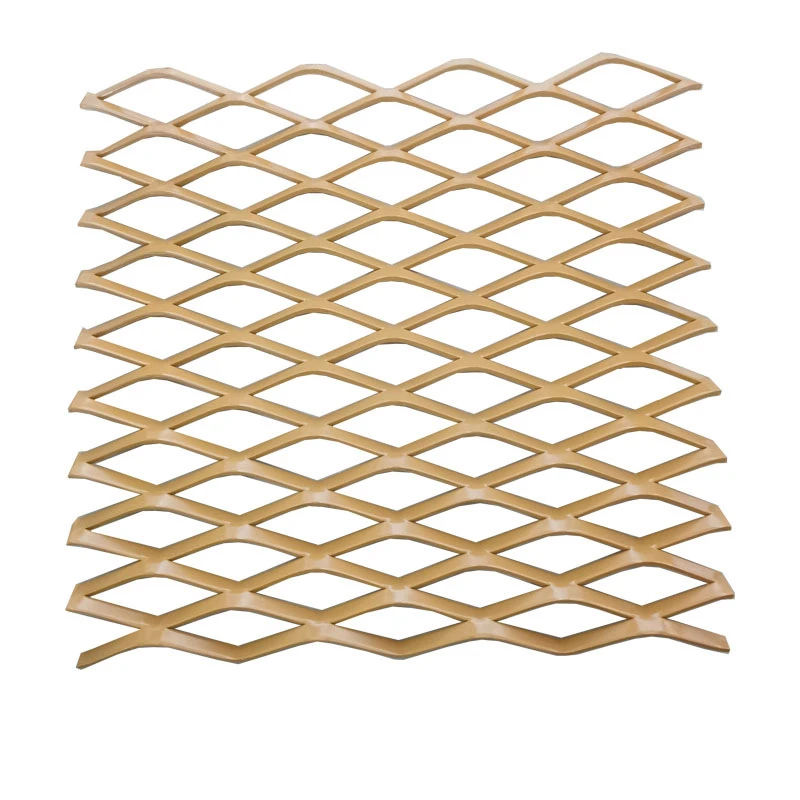
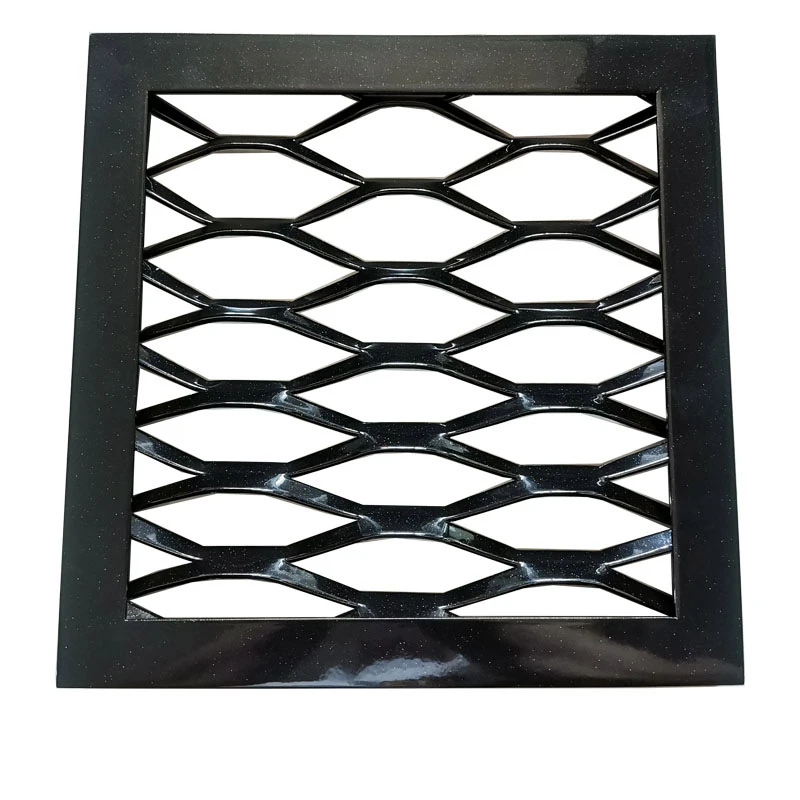
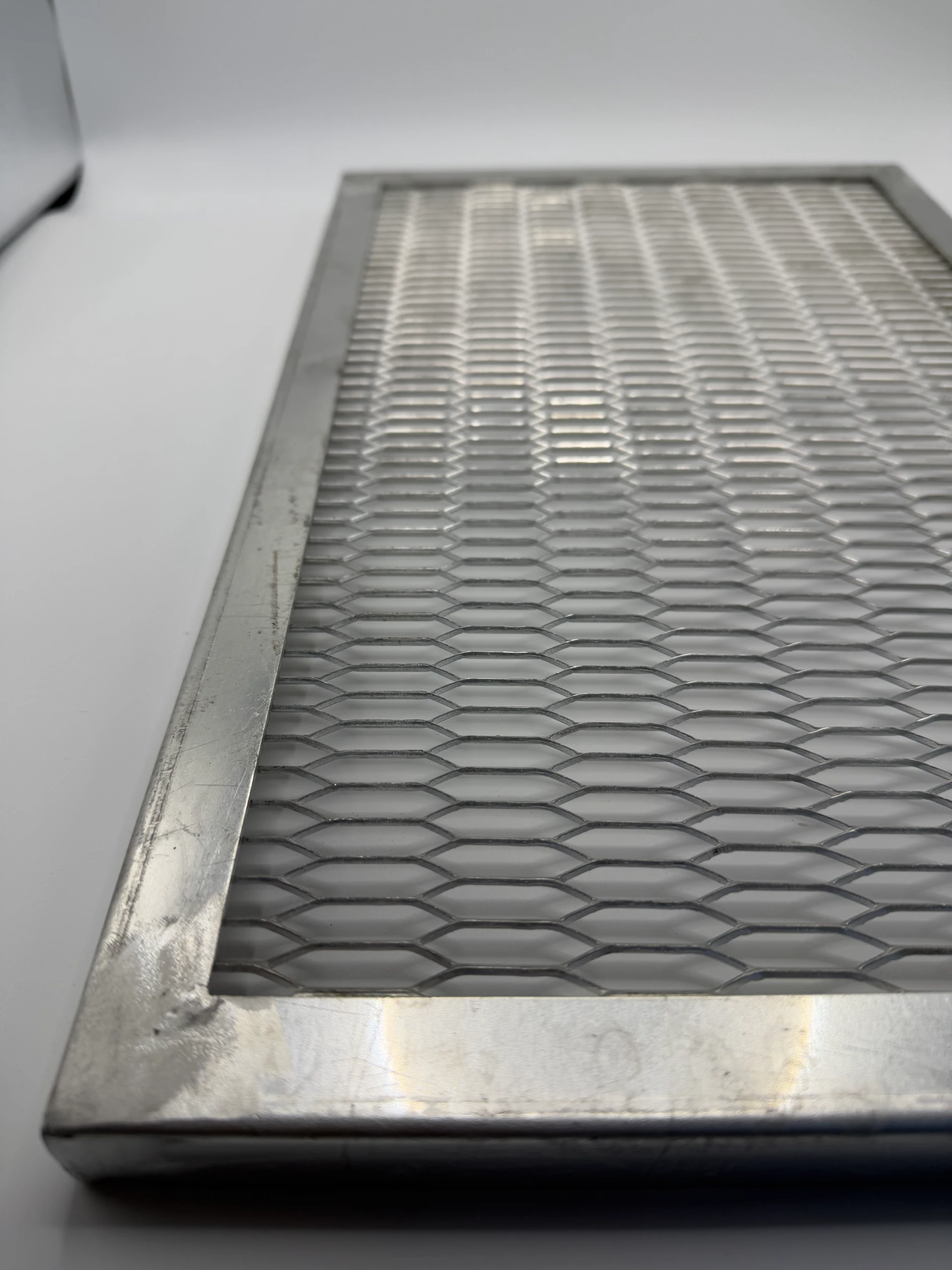
A hexagonal metal structure is a type of engineered metal mesh or framework where the openings or cells are shaped like hexagons, rather than the traditional diamonds or squares found in standard expanded metal. This geometric pattern offers unique advantages in terms of strength, stability, and aesthetic appeal, making it popular in both industrial and architectural applications.
Hexagonal metal structures can be fabricated from a variety of metals, including steel, aluminum, stainless steel, and copper. The manufacturing process may involve expanding, welding, or perforating the metal sheets to form interconnected hexagonal cells. These cells create a lightweight yet rigid framework that distributes loads efficiently, which is particularly useful for platforms, walkways, grilles, and fencing.
One key benefit of the hexagonal pattern is its structural efficiency. Hexagons provide a higher strength-to-weight ratio compared to square or rectangular meshes. The shape evenly distributes stress across the material, reducing deformation and improving durability under heavy loads or vibration. This property is widely exploited in aerospace, automotive, and construction industries.
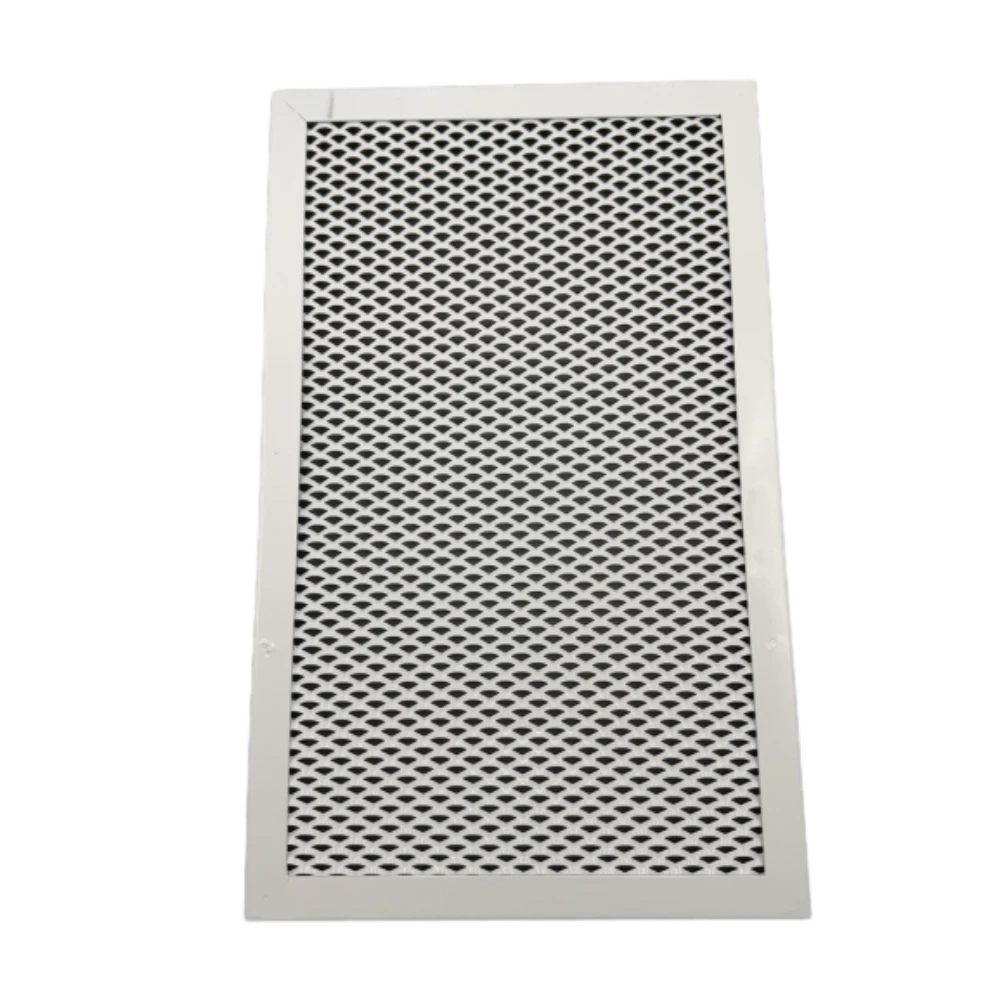
Hexagonal metal structures also offer functional advantages like ventilation, drainage, and filtration. The open cell design allows air, light, or liquids to pass through while maintaining a strong barrier, which is ideal for HVAC systems, machine guards, and outdoor enclosures.
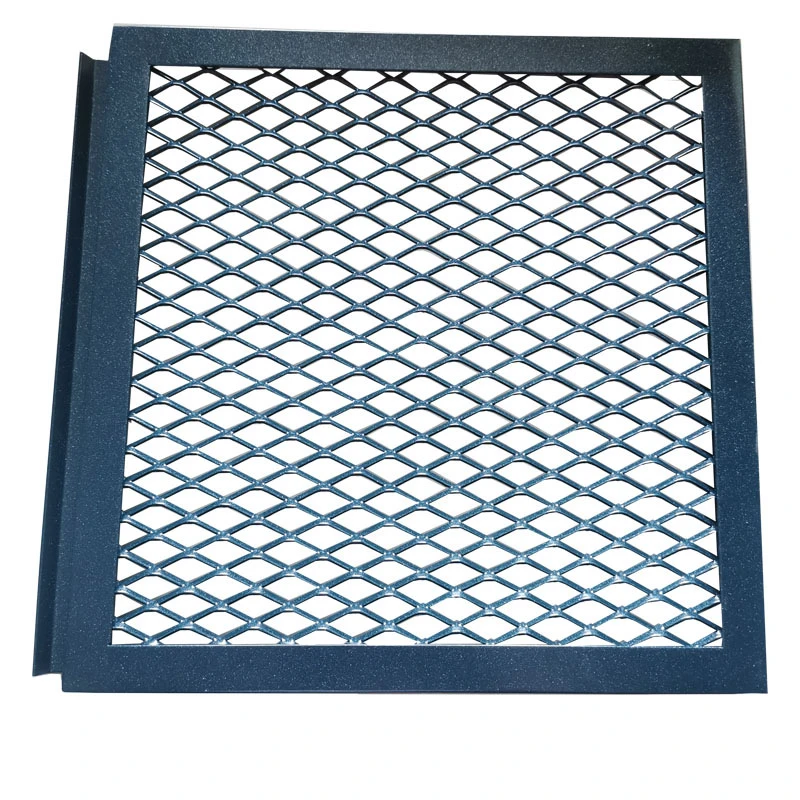
In addition to its functional uses, hexagonal metal is valued for aesthetic applications. Architects and designers incorporate it into facades, decorative panels, ceiling designs, and interior partitions. The repeating hexagonal pattern creates a visually appealing, modern look while providing the structural benefits of metal.
Whether used for industrial strength or architectural design, a hexagonal metal structure combines efficiency, versatility, and visual appeal, making it a preferred choice when both performance and style are essential. Its unique geometry demonstrates how simple shapes can enhance both function and form in metal fabrication.
Hexagonal structures are widely recognized for their exceptional strength and efficiency, both in nature and engineering. The hexagon is a unique geometric shape that distributes stress evenly across its sides and corners, minimizing weak points and providing excellent load-bearing capabilities. This inherent efficiency makes hexagonal patterns popular in materials like hexagonal expanded metal, honeycomb panels, and structural frameworks.
In hexagonal expanded metal, the interconnected metal strands form a network of hexagonal cells. This design enhances rigidity while maintaining a lightweight structure. Unlike square or rectangular grids, the hexagonal pattern spreads force uniformly, reducing the risk of deformation under pressure. As a result, hexagonal metal meshes are often used in walkways, platforms, and industrial grilles, where both strength and durability are crucial.
Hexagonal structures also excel in weight-to-strength ratio. The open-cell design allows for significant material reduction without compromising stability. This makes them ideal for applications requiring light yet strong components, such as aerospace panels, automotive parts, and lightweight architectural facades. The ability to combine strength with reduced weight also contributes to lower material costs and easier installation.
Another advantage of hexagonal designs is impact resistance. The geometry absorbs and disperses forces efficiently, which helps prevent localized failures. In industrial or construction applications, this makes hexagonal expanded metal an excellent choice for protective barriers, machine guards, and structural reinforcements.
Beyond functionality, hexagonal structures offer versatility in design. They can be fabricated from steel, aluminum, stainless steel, and other metals, and can be customized for decorative or functional purposes. The combination of strength, lightweight properties, and aesthetic appeal makes hexagonal structures a preferred choice across engineering, architecture, and industrial design.
In summary, hexagonal structures are inherently strong due to their geometric efficiency, uniform stress distribution, and high strength-to-weight ratio, making them suitable for a wide range of structural and decorative applications.
A hexagon is a six-sided polygon, and its shape can vary depending on the length of sides and the measure of angles. Understanding the four primary types of hexagons is important in geometry, design, and engineering applications, including hexagonal expanded metal and architectural structures.
1.Regular Hexagon
A regular hexagon has six equal sides and six equal angles, each measuring 120 degrees. This symmetry makes it the most structurally stable hexagon and the one most commonly seen in nature, such as in honeycombs. In engineering and design, regular hexagons provide uniform load distribution and aesthetic appeal.
2.Irregular Hexagon
An irregular hexagon has six sides that are not necessarily equal, and its interior angles can vary. This type of hexagon is often used in custom architectural patterns, decorative panels, or artistic designs where flexibility in shape is required without the strict symmetry of a regular hexagon.
3. Convex Hexagon
In a convex hexagon, all interior angles are less than 180 degrees, and no vertices point inward. Convex hexagons are stable shapes for tiling surfaces, flooring patterns, or structural panels because they do not create weak points in a design. Most regular and irregular hexagons used in construction are convex.
4.Concave Hexagon
A concave hexagon has at least one interior angle greater than 180 degrees, causing one or more vertices to point inward. While less common in structural applications, concave hexagons are used in creative designs, artistic installations, and unique architectural facades to create visual interest.
In practical applications such as hexagonal expanded metal, the regular hexagon is often preferred for its strength, uniform stress distribution, and lightweight properties. Irregular or concave hexagons may appear in decorative or custom patterns where visual complexity is more important than structural uniformity.
Understanding these four types of hexagons—regular, irregular, convex, and concave—helps designers, engineers, and fabricators select the right geometry for both functional and aesthetic purposes, ensuring strength, stability, and visual appeal in their projects.
|
Mini Order Quantity |
1 Piece |
|
OEM NO. |
CC-003 |
|
Type |
Hexagonal Expanded Metal |
|
Place of Origin |
Heibei, China |
|
Packaging |
Carton Box / Wood Pallet Steel Pallet / Waterproof Plastic Cover |
|
Sample |
Paid |
|
Customization Service |
Yes |
|
Available Raw Materials |
Carbon Steel (Q235, 195, 195L, SPHC) Stainless Steel (304, 316, 316L) |
|
Surface Treatment |
Dipped Galvanized / Powder Coating / Anodizing / Polishing / Fluorocarbon PVDF |
|
Powder Coating / Fluorocarbon PVDF Standard (AkzoNobel, PPG Industries, Jotun etc) |
AAMA2604 Standard(Guarantee 10 Year) AAMA2605 Standard(Guarantee 15 Year) AAMA2606 Standard(Guarantee 20 Year) |
|
Hot Dipped Galvanized Standard |
>Zinc 50g (3-5Year) >Zinc 100g (5-8Year) >Zinc 250g (15 Year+) |
|
Producing Video |
|
|
FAQ |
How to prevent rust? Steel plate mesh: galvanized or painted with anti-rust paint. Aluminum plate mesh: naturally corrosion-resistant, no special treatment required.
Do you have AFTER-SERVICE? Yes, if goods is questioned, we will take a flight to visit your company or project area. |
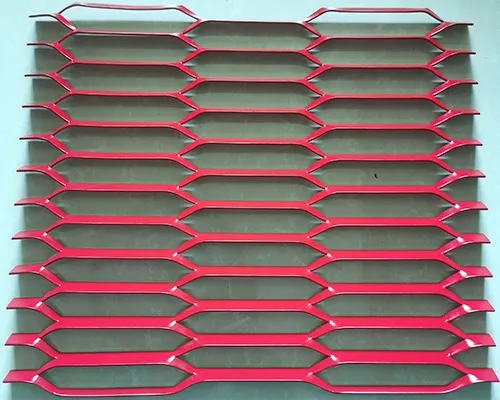
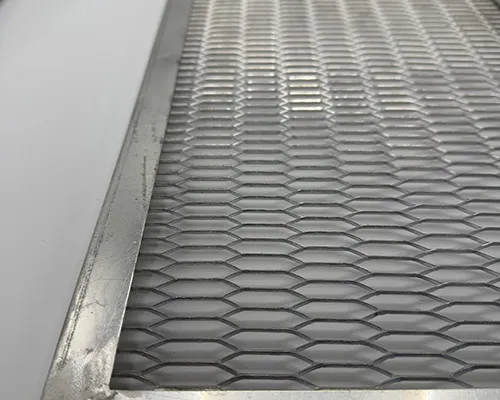
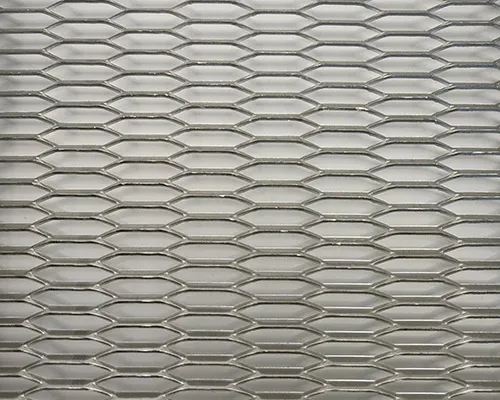
Hexagonal Expanded Metal Description
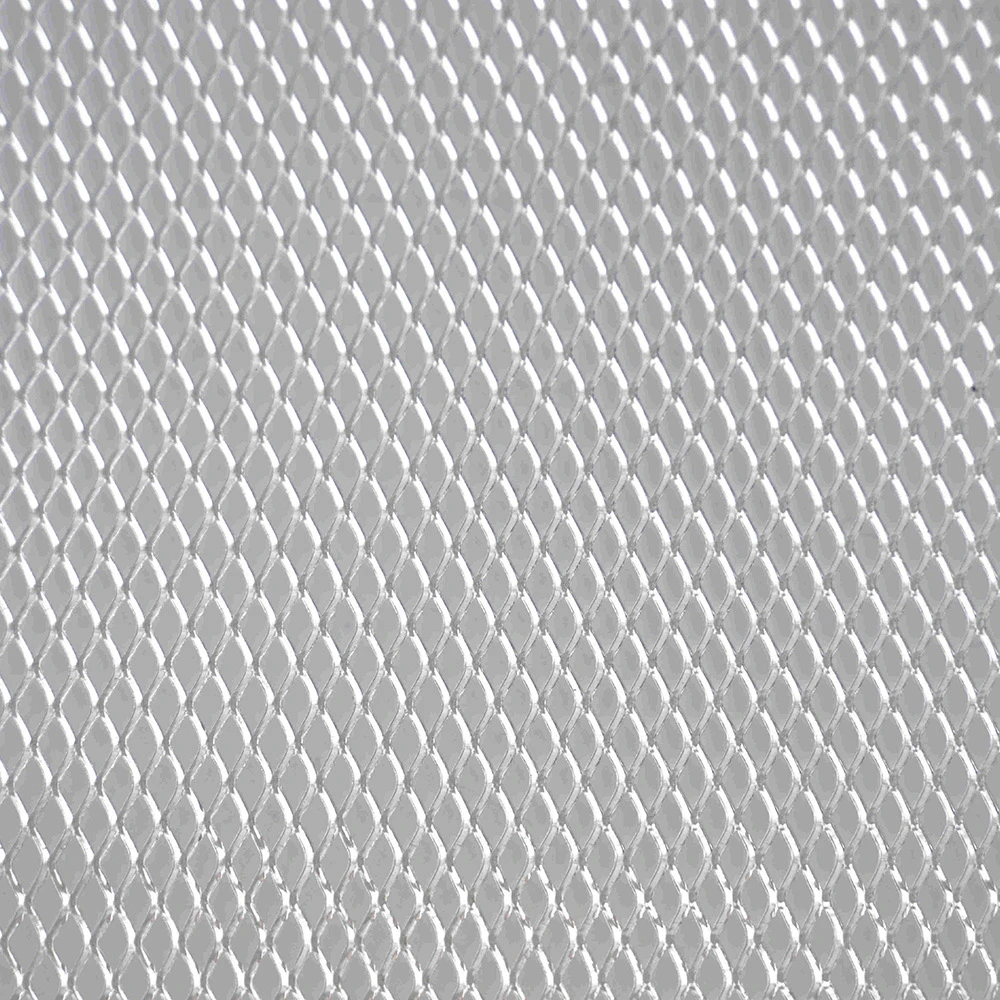
Hexagonal Expanded Metal is popular for decoration field like ceiling system. Because finished expanded metal will be passed by mill, making surface smooth, that is why it is attractive and fashionable.
Filtration and Ventilation Systems
Hexagonal expanded metal is widely used in air and fluid filtration systems, as well as ventilation grilles and protective covers. The hexagonal pattern provides a larger open area compared to traditional shapes, allowing for better airflow and efficient passage of light or liquids. This makes it ideal for applications in HVAC systems, industrial filtration, and equipment protection where both performance and durability are essential.
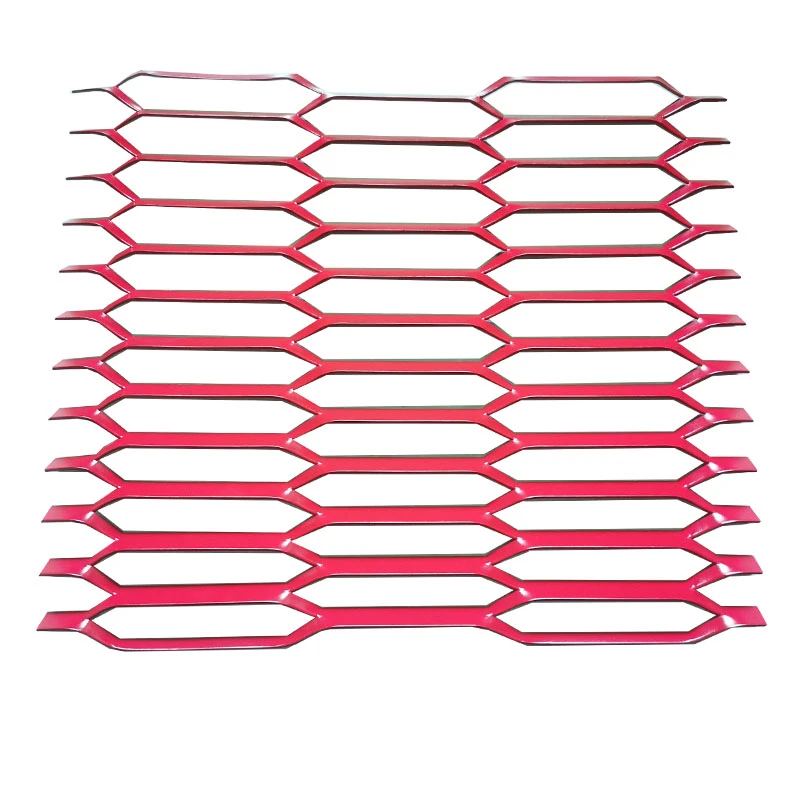
Modern Architectural Cladding
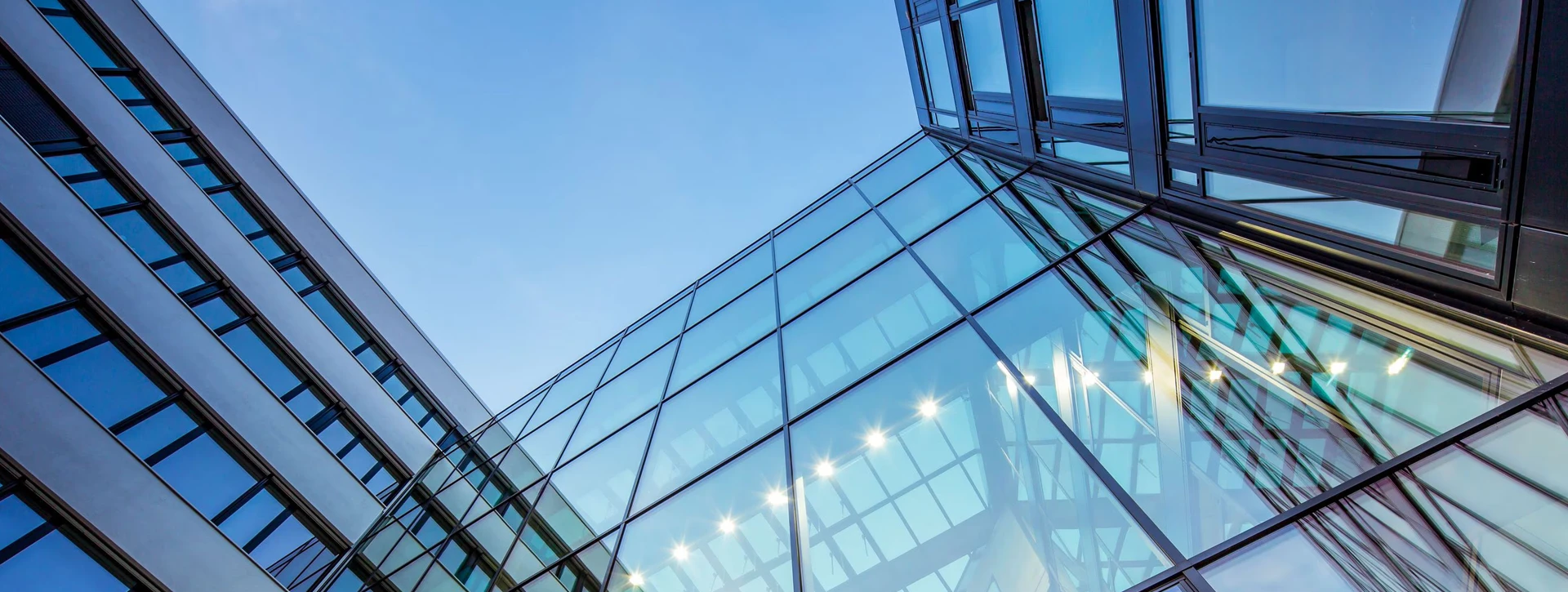
In the architectural and construction sectors, hexagonal expanded metal is favored for building facades, shading panels, and interior partitions. Its honeycomb-like pattern delivers a visually appealing, geometric and symmetrical look that enhances both the design and functionality of spaces. It enables natural ventilation, daylight control, and energy efficiency while offering a unique modern aesthetic for commercial buildings, cultural centers, and urban landscapes.



![$item[alt]](https://images.exportstart.com/images/a1393/cc-7691.webp "$item[title]")