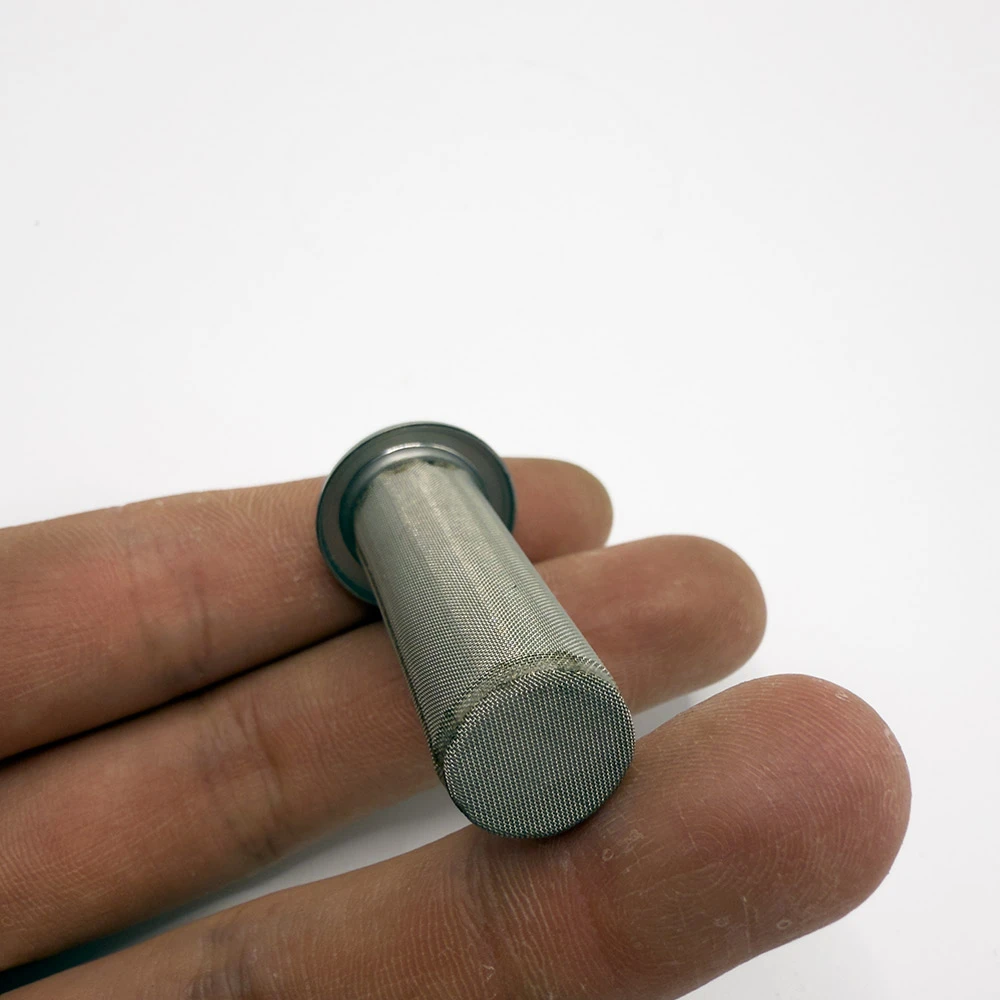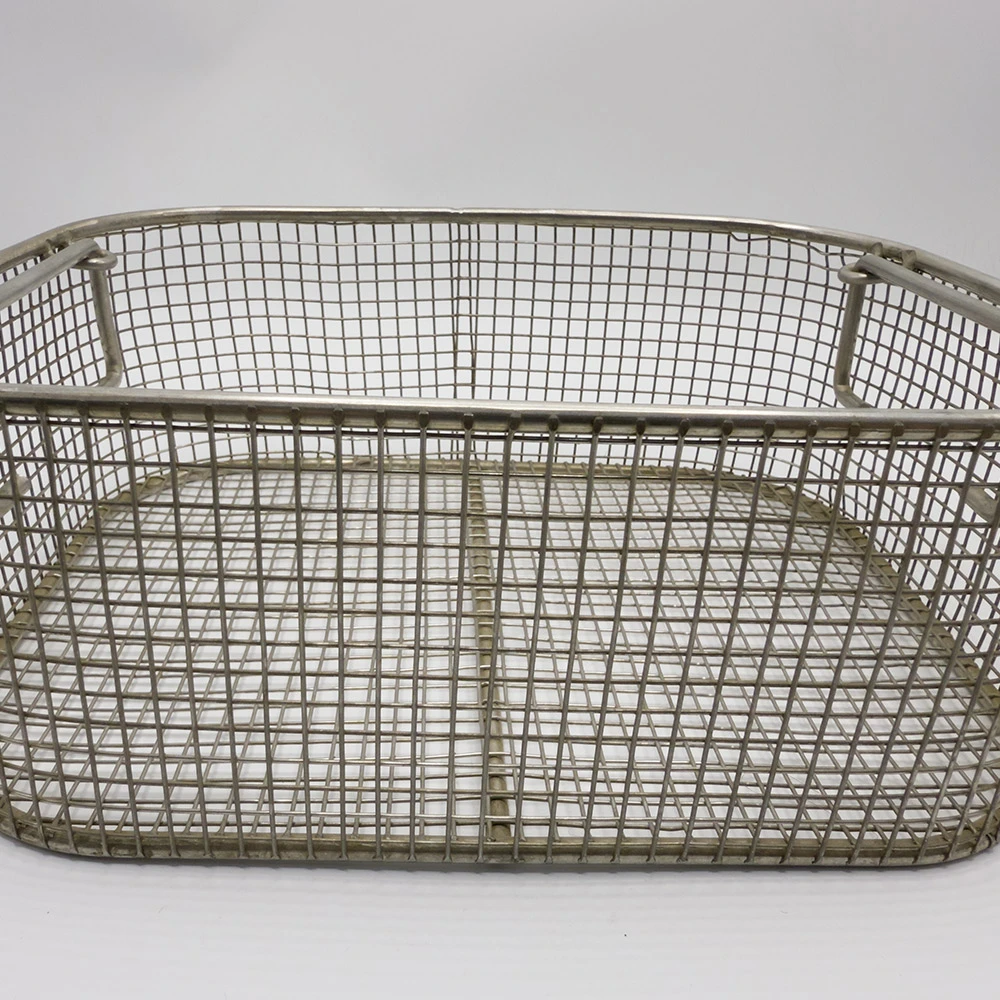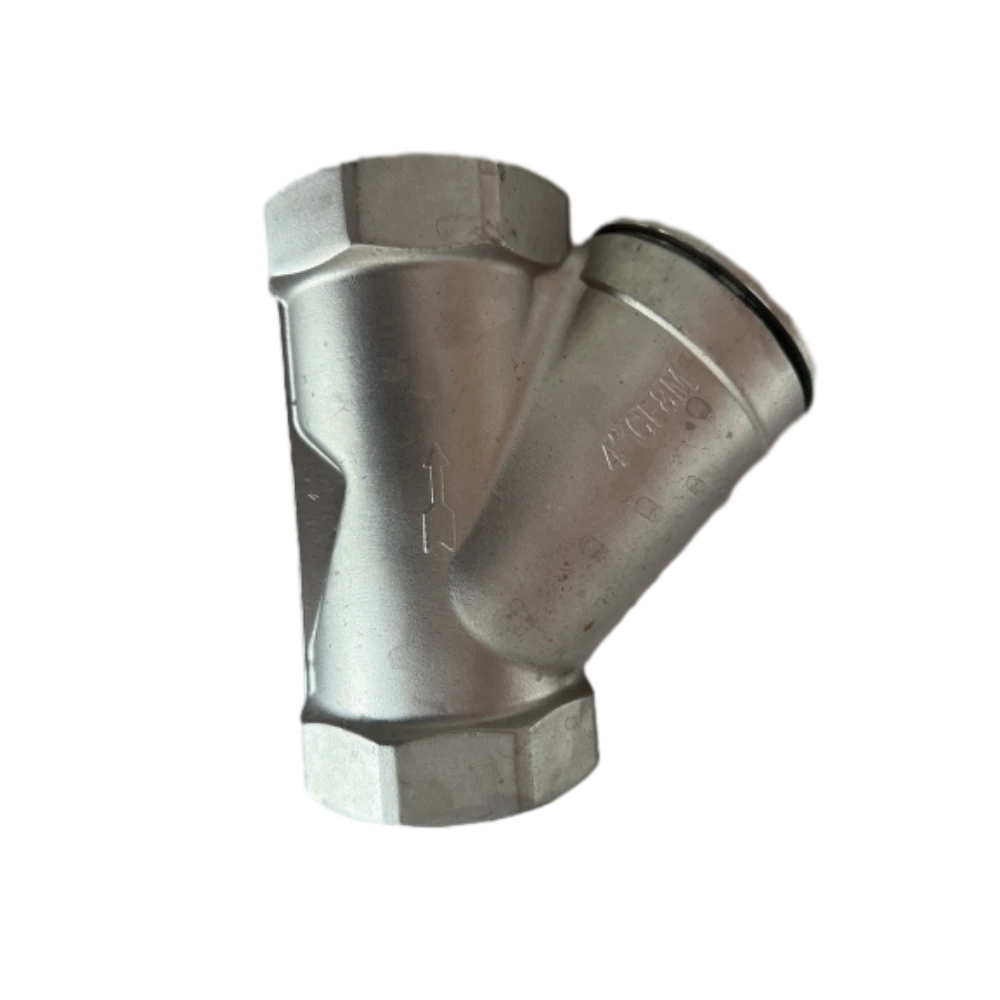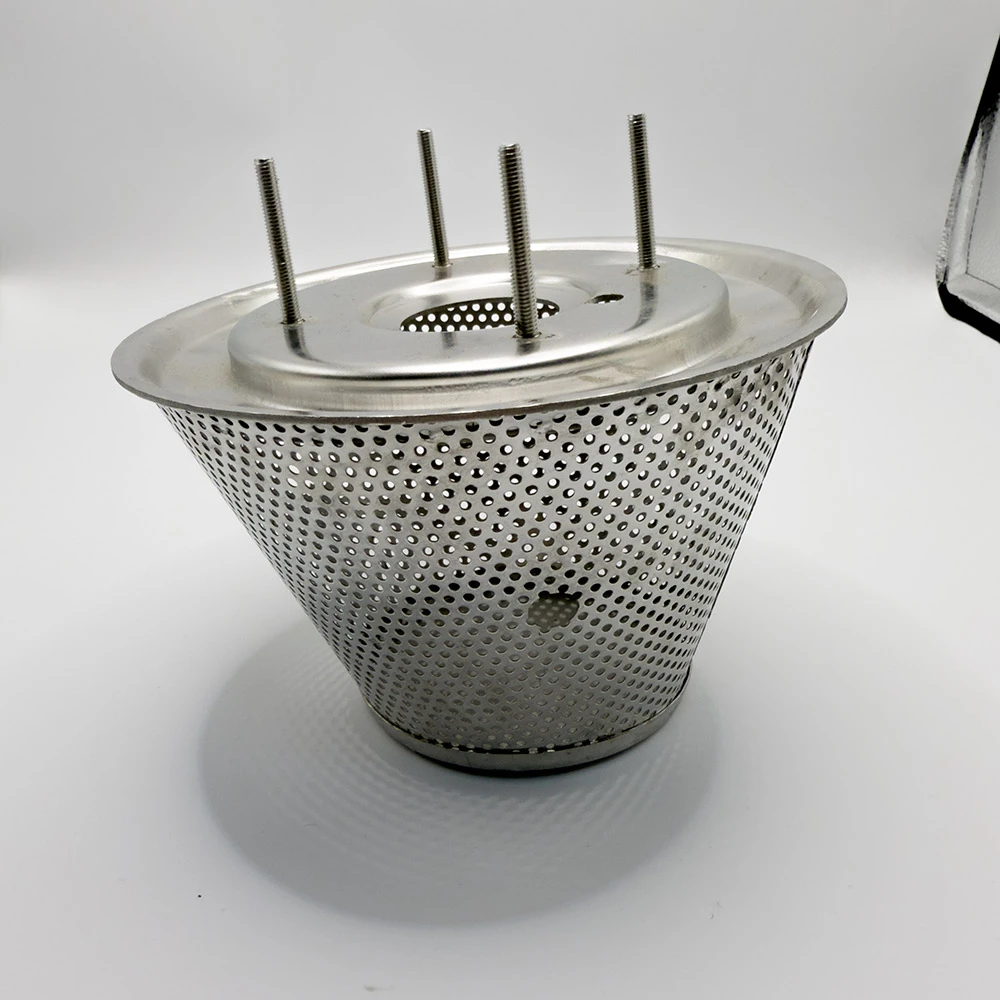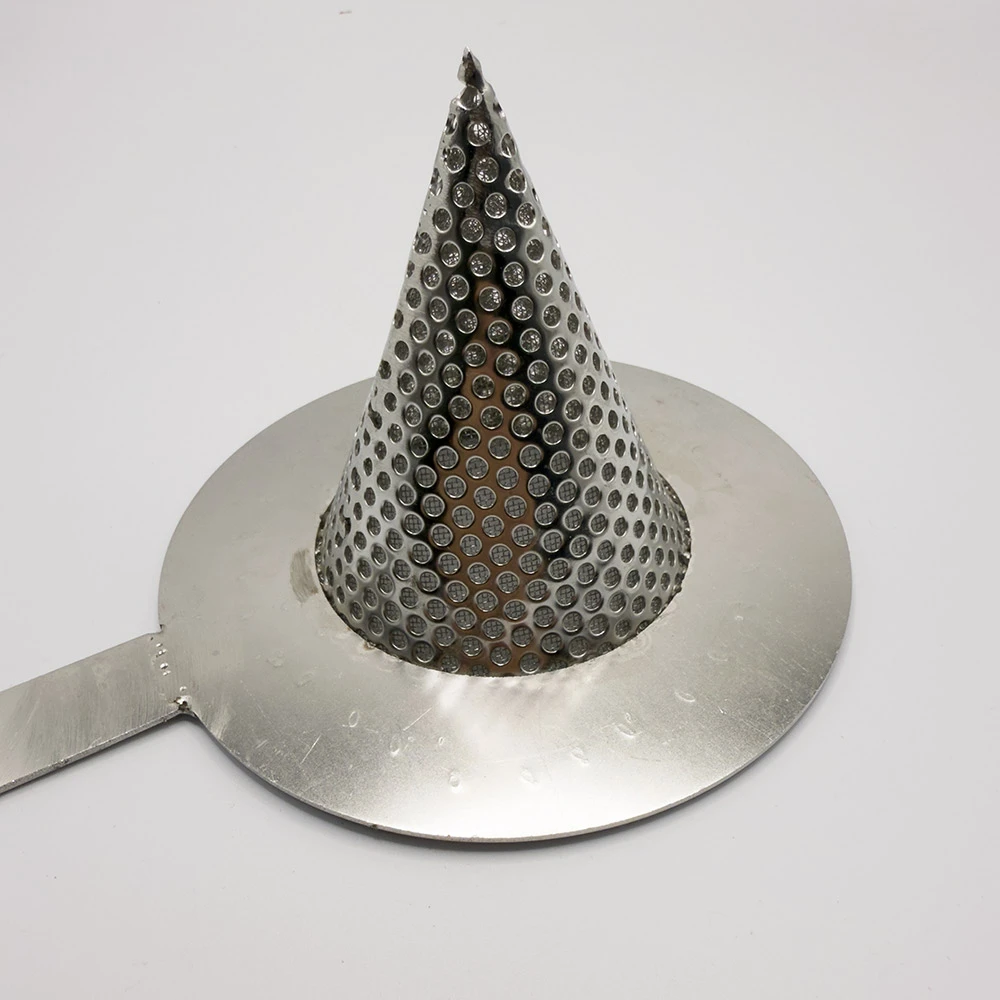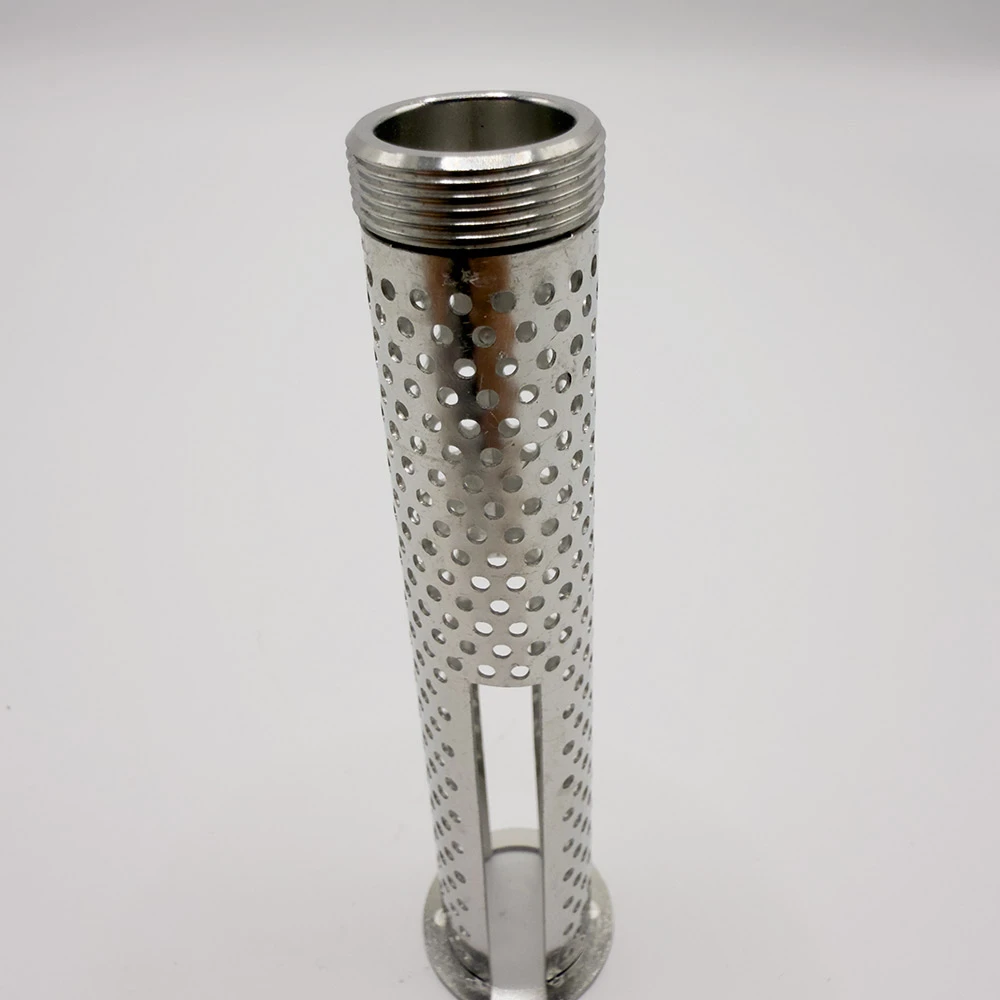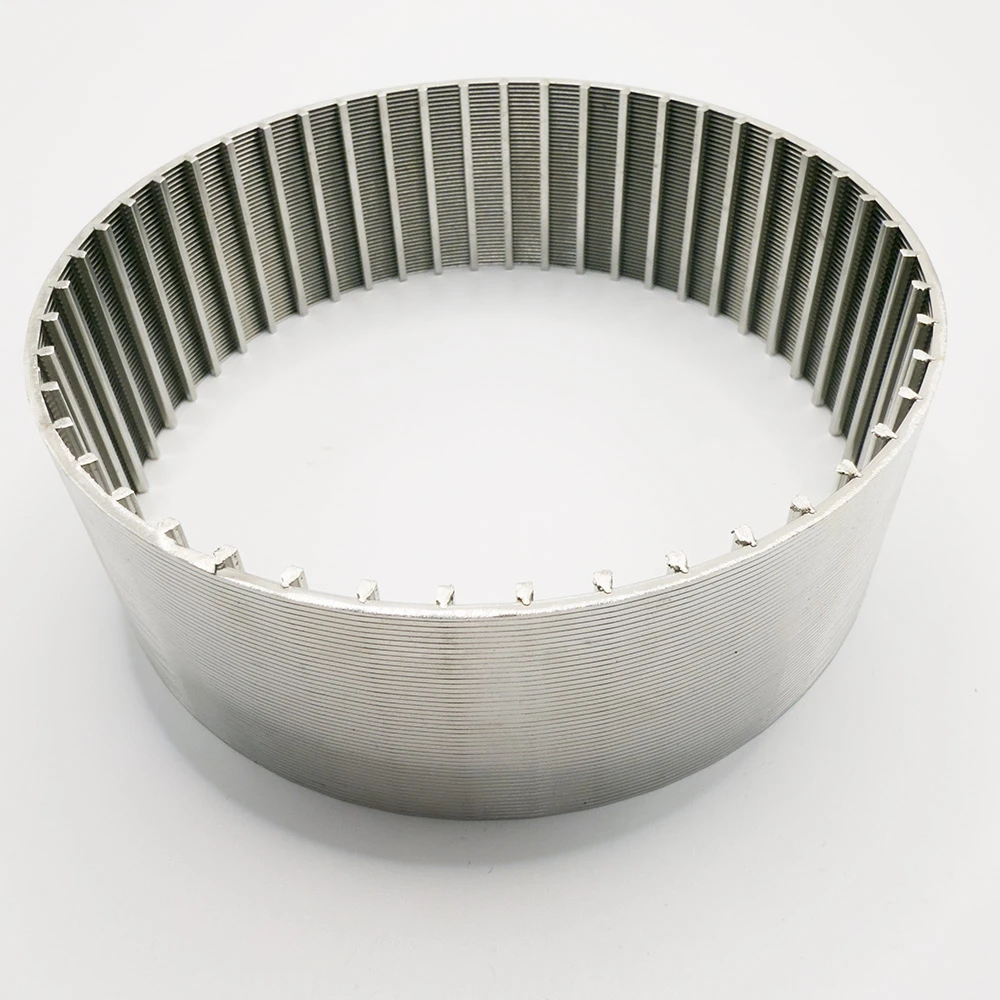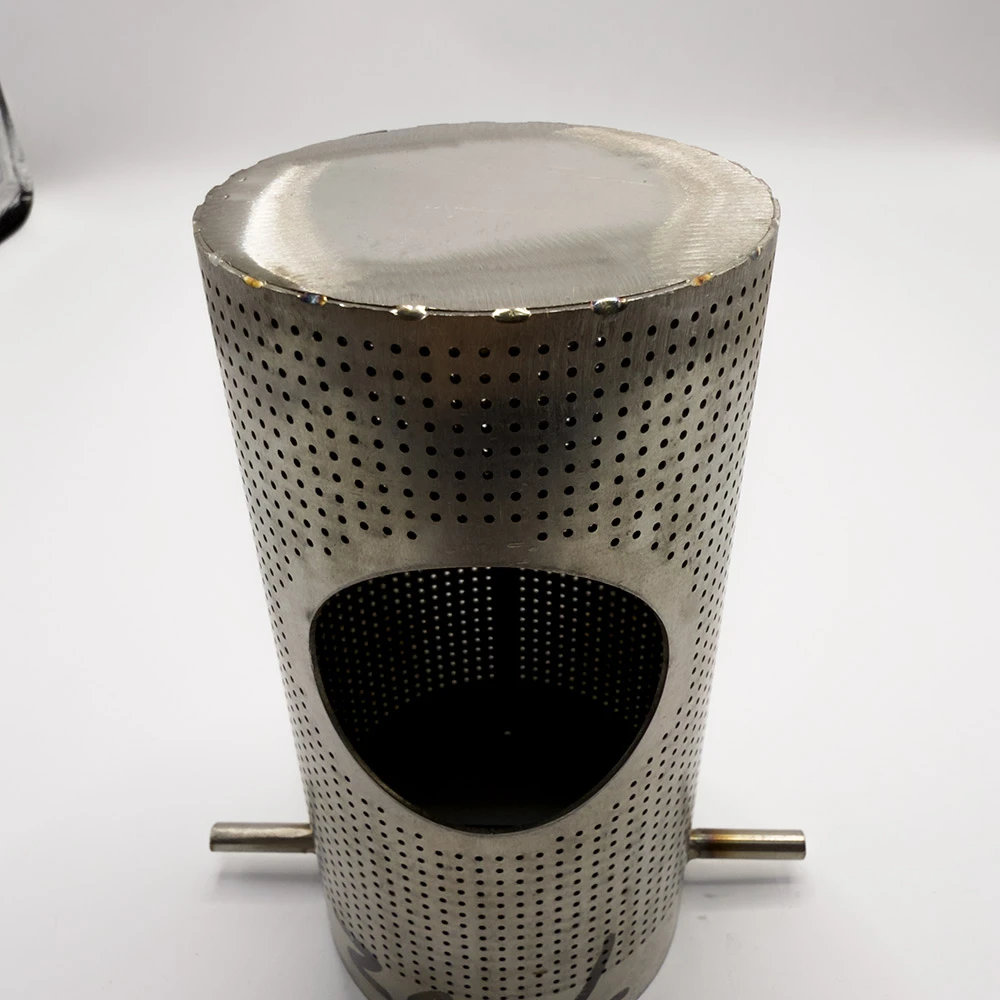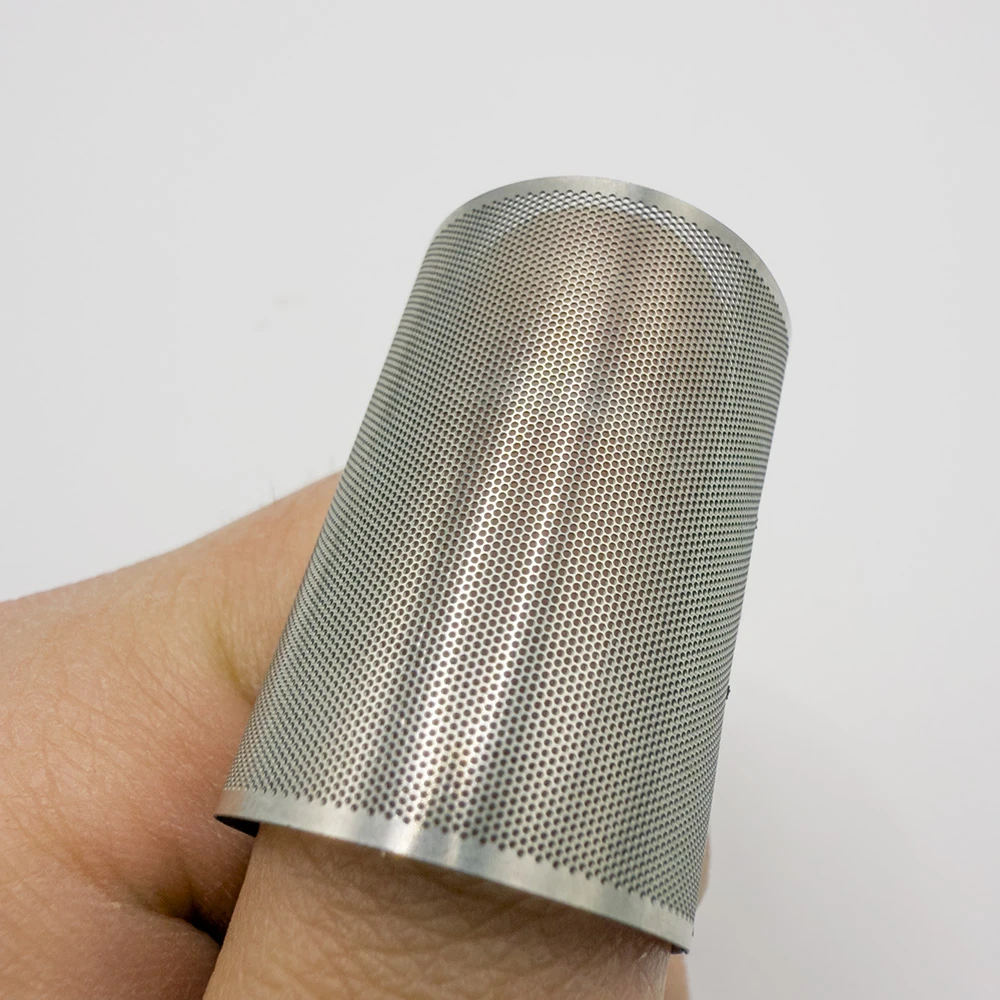

Product Description
|
Items |
Description |
|
Product Name |
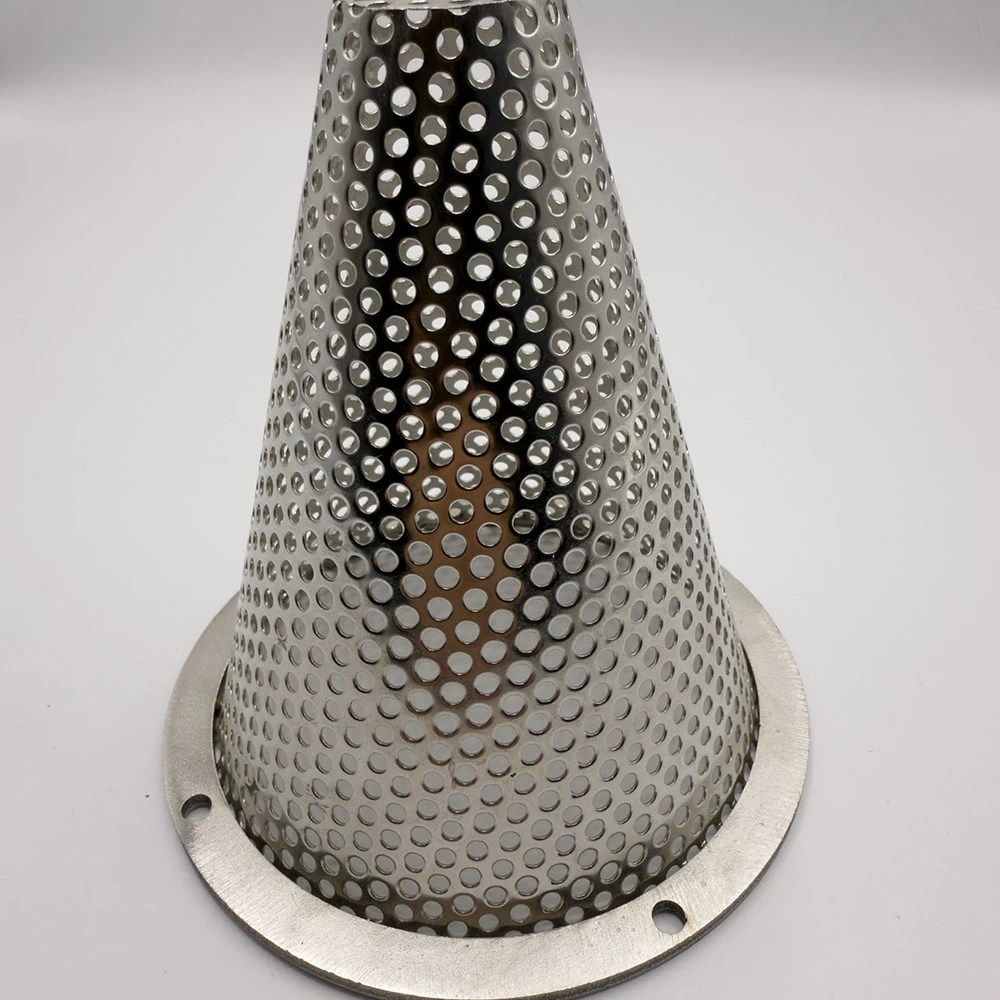
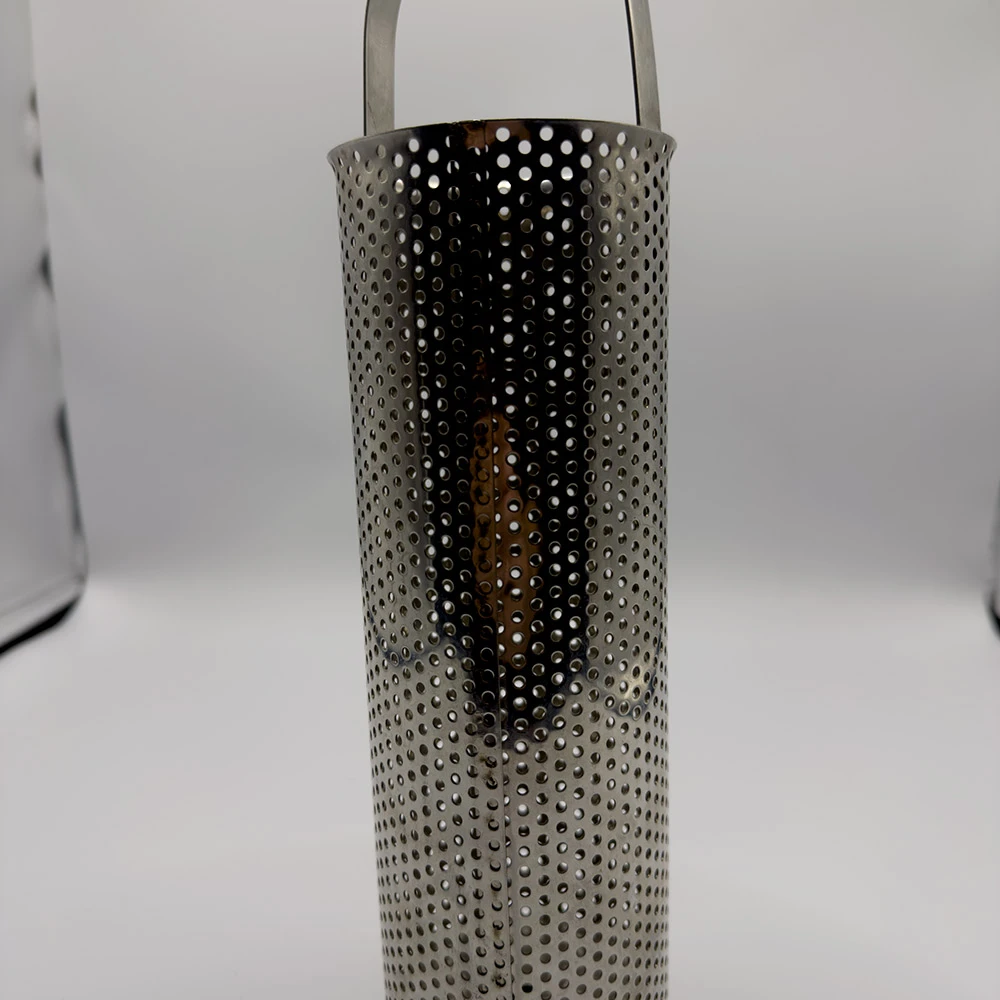
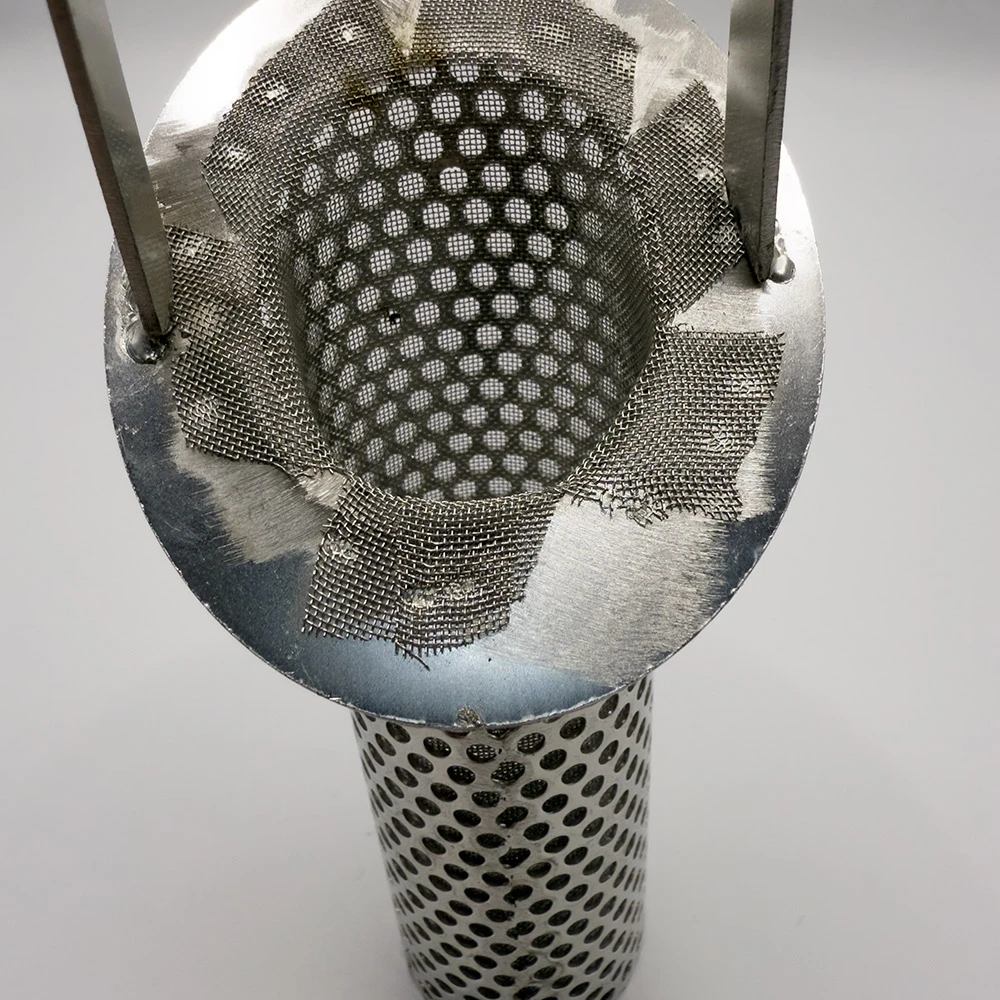
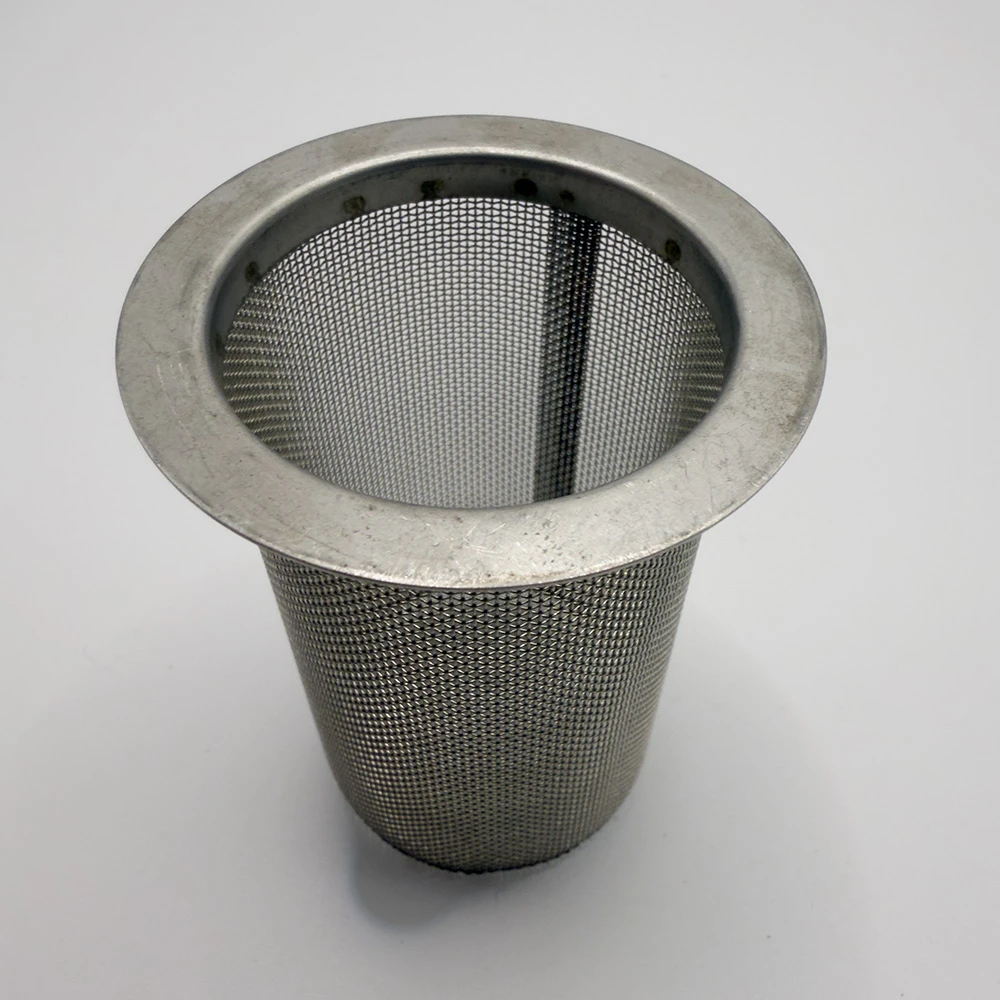
T-Strainer Filtration |
|
Material |
Stainless Steel (SS304, SS316, etc.) |
|
Structure |
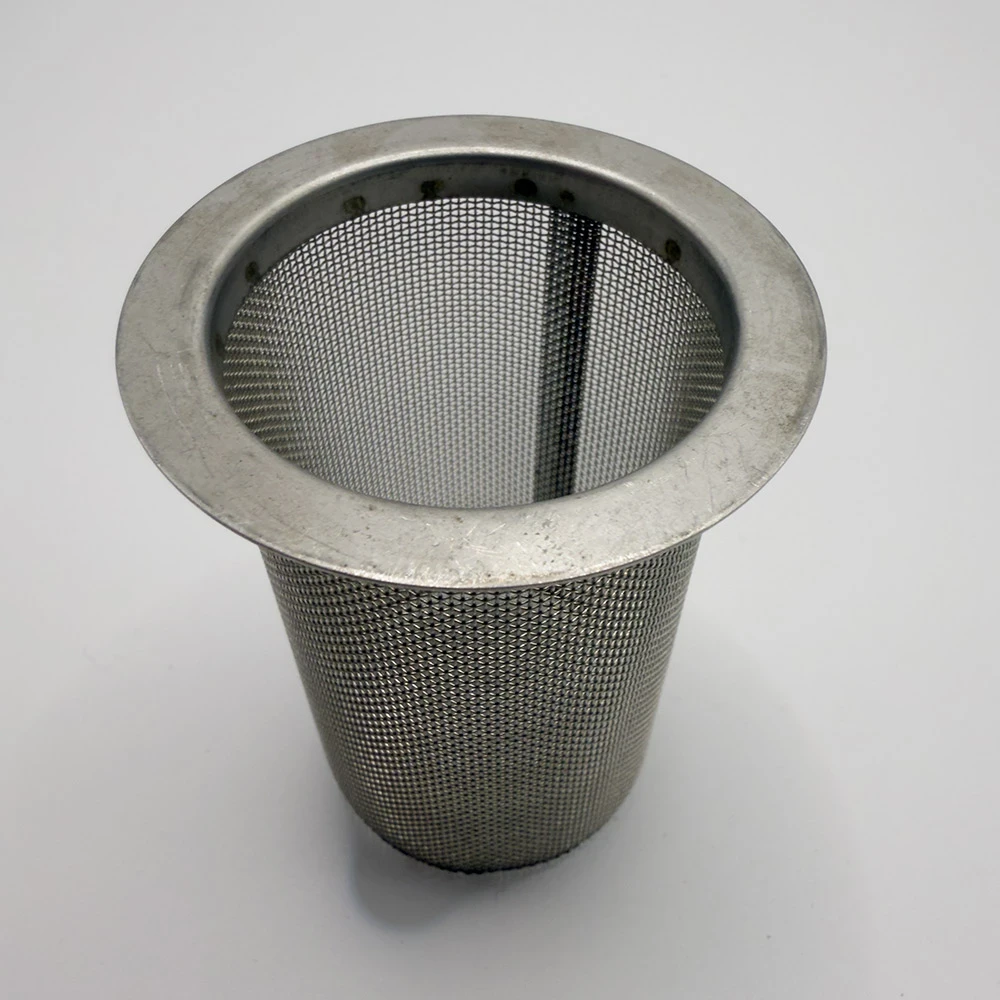
Woven or perforated metal mesh with a T-shaped strainer frame |
|
Filtration Accuracy |
5–200 microns (customizable) |
|
Dimensions |
Custom sizes available based on application requirements |
|
Thickness |
Varies depending on mesh type and application |
|
Hole Type |
Round, square, or slotted openings |
|
Open Area Ratio |
Typically 30%–60% (depending on mesh specifications) |
|
Connection Type |
Welded, bolted, or clamped |
|
Operating Temperature |
Up to 800°C (depending on material) |
|
Surface Treatment |
Pickling, passivation, or electropolishing |
|
Corrosion Resistance |
Excellent resistance to rust, acids, and alkalis |
|
Applicable Media |
Water, oil, gas, chemicals, and other industrial fluids |
| Application Industries |
Petrochemical, water treatment, food processing, pharmaceutical, and power plants |
|
Features |
High strength, reusable, easy to clean, and durable |
|
Customization Options |
Size, mesh type, filtration rating, and connection method |
|
Packaging |
Packed in plastic film, wooden cases, or customized packaging |
T-Strainer Filtration Mesh Dimensions
T-Strainer Filtration is used to remove debris, pollutants, and particles from liquids and gases. Usually used to prevent blockages or damage to pipelines, pumps, valves, and other equipment.
Marine & Shipbuilding Industry
Efficient Seawater Filtration for Cooling Systems
In the marine industry, T-Strainer Filtration Mesh plays a crucial role in protecting shipboard cooling systems by filtering out sand, algae, and marine debris from seawater intake. Its durable structure and corrosion-resistant materials ensure reliable performance in harsh, saltwater environments, extending the life of heat exchangers and pumps.
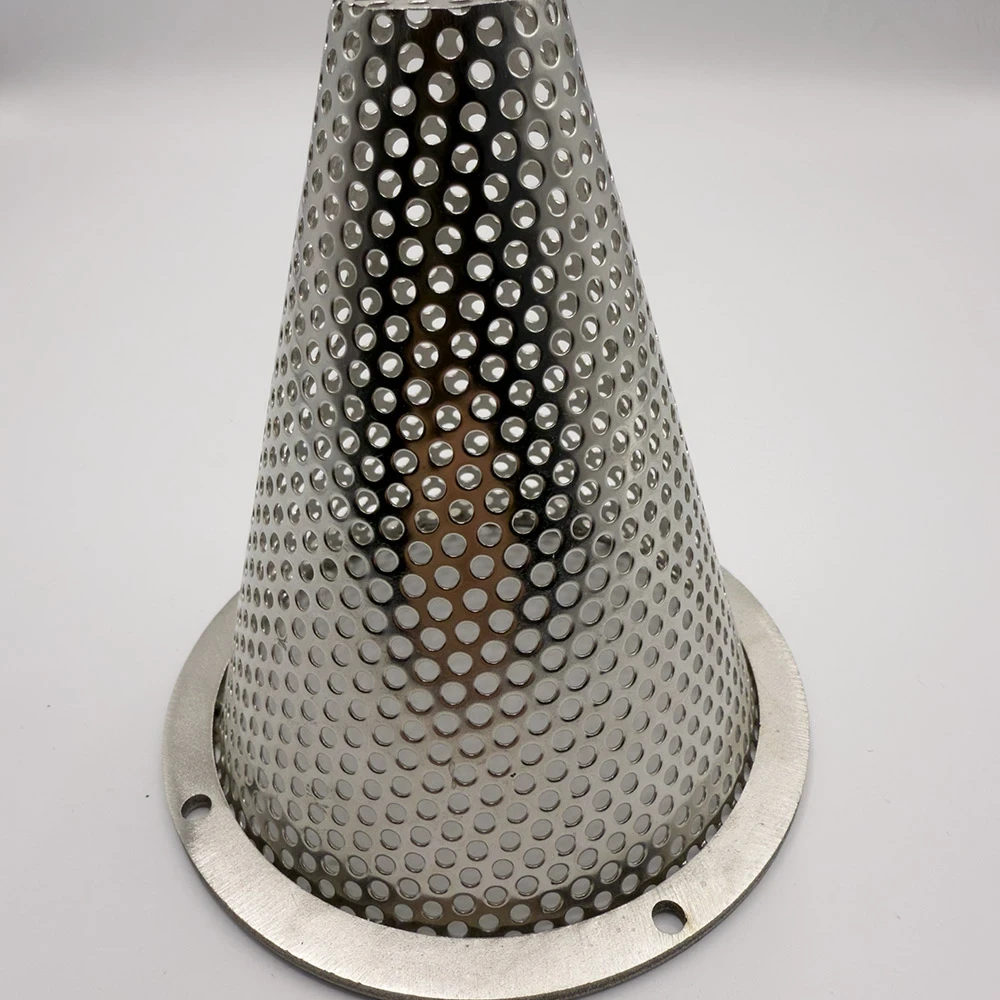
Chemical & Petrochemical Processing
Protecting Sensitive Equipment from Process Contaminants
Within chemical and petrochemical plants, T-Strainer Filtration Mesh is essential for pre-filtering liquids and gases, capturing rust particles, scale, and solids before they reach sensitive reactors, valves, and instrumentation. This enhances process safety, reduces downtime, and ensures product purity in aggressive chemical conditions.



![$item[alt]](https://images.exportstart.com/images/a1393/cc-7691.webp "$item[title]")