
Exploring Slotted Hole Perforated Sheet Applications and Manufacturing Processes
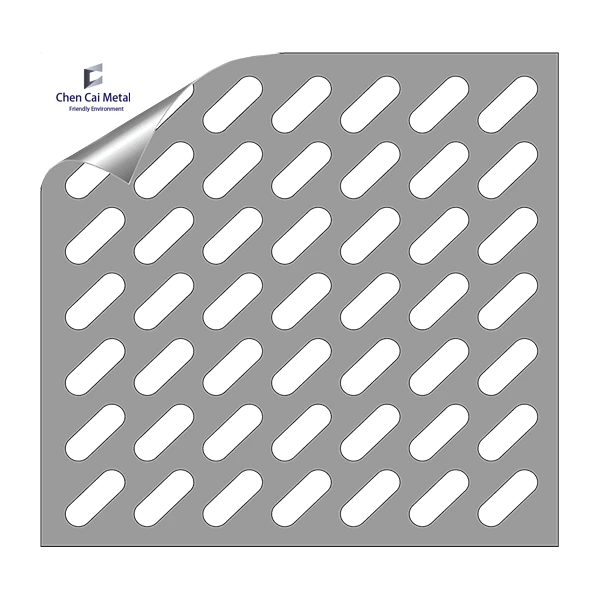
28 February 2026 Slotted hole perforated sheet is a versatile metal product widely used in various industries for filtration, sound control, ventilation, and architectural applications. This article will delve into the intricacies of slotted hole perforated sheet, exploring its manufacturing process, key features, diverse applications, and advantages. We’ll also highlight how CC Metal Mesh can provide customized solutions to meet your specific needs. Understanding the nuances of this material can lead to optimized solutions for a wide range of projects. The production of slotted hole perforated sheet typically involves a precision punching process using specialized machinery. Metal sheets are fed into a machine equipped with dies designed to create the desired slot dimensions and spacing.
Exploring Slotted Hole Perforated Metal Applications and Manufacturing Processes
27 February 2026 Slotted hole perforated metal is a versatile material widely used across various industries. Its unique design, featuring elongated slots instead of circular holes, offers distinct advantages in terms of airflow, sound control, and structural integrity. This article explores the properties, manufacturing process, applications, and benefits of this specialized metal product. We'll delve into why it's a preferred choice for architects, engineers, and manufacturers alike, providing a comprehensive guide to its capabilities. Slotted hole perforated metal is created by punching elongated slots onto a metal sheet, typically steel, stainless steel, aluminum, or brass. Unlike standard perforated metal with round holes, the slots allow for greater open area, enhancing airflow and light transmission. The shape and size of the slots can be customized to meet specific project requirements, offering a high degree of design flexibility. The material thickness, slot length, slot width, and staggering all contribute to the final properties of the metal sheet.
Exploring Slotted Aluminum Metal Sheet Applications and Manufacturing Techniques
26 February 2026 Slotted aluminum metal sheet is a versatile material increasingly utilized across diverse industries. Its unique combination of lightweight properties, strength, and customizable designs make it a preferred choice for numerous applications. From architectural facades to industrial filters and speaker grills, CC Metal Mesh offers high-quality slotted aluminum sheets tailored to meet specific project requirements. This article will delve into the properties, manufacturing processes, applications, and benefits of this remarkable material. Several manufacturing methods are employed to create slotted aluminum sheets. CNC machining is the most common, offering exceptional precision and repeatability. Laser cutting is another option, particularly for intricate designs and smaller production runs.
Exploring the Versatility and Benefits of Slotted Metal Sheet Applications
25 February 2026 Slotted metal sheet is a versatile material used across a wide array of industries, from architecture and filtration to machinery guarding and speaker grills. This article explores the characteristics, manufacturing processes, key applications, and benefits of using slotted metal sheet. We will delve into the specifications that make it ideal for various projects and how it compares to alternative materials. Choosing the right metal sheet is vital for project success, and understanding its properties is the first step. These slots can be straight, round, square, or custom-designed, depending on the application. The process enhances the metal's acoustic properties, provides ventilation, and reduces weight. The metal used can vary widely, including stainless steel, aluminum, carbon steel, and galvanized steel, each offering unique properties like corrosion resistance and strength.
Comprehensive Guide to Slotted Perforated Sheet Metal Applications and Benefits
24 February 2026 Slotted perforated sheet metal is a versatile material widely used across various industries for its unique combination of strength, lightweight properties, and functional design. It’s created by perforating a metal sheet with a series of holes and then slotting these holes to create elongated openings. This process yields a material that’s ideal for applications requiring airflow, sound diffusion, filtration, and aesthetic appeal. At CC Metal Mesh, we specialize in providing high-quality, custom-engineered slotted perforated sheet metal solutions to meet diverse client needs. This article will delve into its characteristics, applications, manufacturing processes, and benefits, providing a comprehensive guide for understanding this essential industrial material.
Exploring the Versatility of Round Perforated Metal Sheet Applications and Benefits
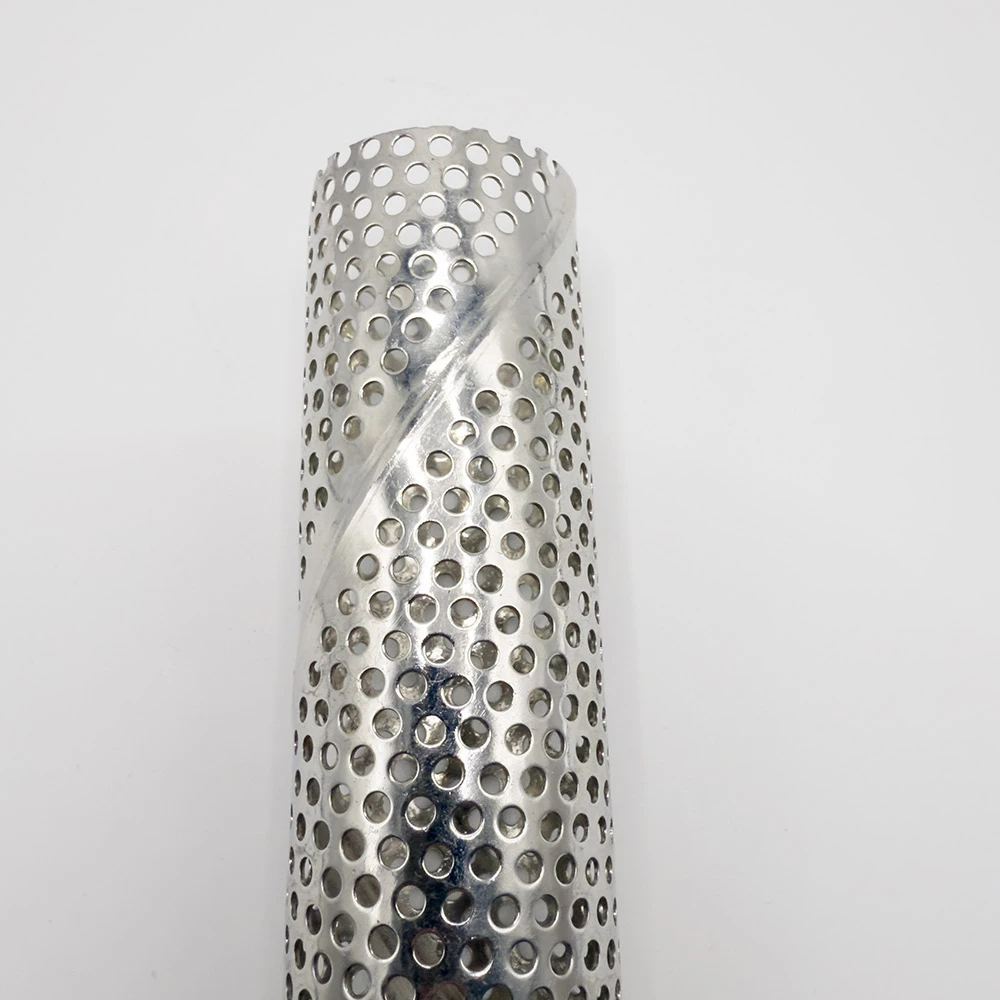
11 February 2026 Round perforated metal sheet is a versatile material used across a diverse range of industries. It's created by punching precisely sized, round holes in a metal sheet, offering unique combinations of strength, weight reduction, and airflow. This article will explore the manufacturing process, key properties, applications, and benefits of round perforated metal sheet, providing a comprehensive guide for potential users. Understanding the nuances of this material allows for informed decisions regarding its suitability for specific projects. The production of round perforated metal sheet typically involves several stages. First, a metal sheet – commonly stainless steel, aluminum, carbon steel, or galvanized steel – is selected. The sheet is then fed into a perforating machine equipped with a die containing the desired hole size and pattern. The die punches the holes, creating the perforated sheet. Subsequent processes may include deburring, flattening, and surface treatment like polishing or coating. The choice of metal significantly impacts the sheet's corrosion resistance, strength, and overall performance.
Exploring the Versatility of Round Hole Perforated Metal for Modern Applications
30 January 2026 Round hole perforated metal is a versatile material widely used across diverse industries, from architectural design to industrial filtration. Its precisely engineered holes offer a blend of functionality and aesthetic appeal. This article will explore the characteristics, manufacturing processes, applications, and benefits of round hole perforated metal, providing a comprehensive overview for engineers, architects, and procurement professionals. Understanding the nuances of this material can unlock innovative solutions for a wide range of projects. Round hole perforated metal is a sheet of metal containing holes punched in a regular pattern. These holes are, as the name suggests, circular, and can vary significantly in diameter and spacing depending on the specific application. The metal sheets used can be made from a range of materials including stainless steel, aluminum, galvanized steel, and copper, offering varying levels of corrosion resistance and strength. The perforation process doesn't simply create openings; it also alters the material's properties, affecting its weight, airflow, and sound absorption capabilities.
Comprehensive Guide to Perforated Metal Thickness Selection and Applications
27 January 2026 Perforated metal is a versatile material utilized across numerous industries, from architectural design to industrial filtration. A crucial factor in determining its suitability for a specific application is the perforated metal thickness. This article will explore the significance of thickness, common materials, manufacturing processes, and how to choose the right thickness for your needs. Understanding these aspects ensures optimal performance and longevity of the perforated metal sheet. The thickness of perforated metal directly impacts its strength, durability, and cost. Thicker materials offer greater structural integrity and resistance to deformation, making them ideal for load-bearing applications or environments with high stress. However, thicker materials also come at a higher price point and can be more difficult to work with. Conversely, thinner materials are more cost-effective and easier to form but may lack the necessary strength for demanding applications.



![$item[alt]](https://images.exportstart.com/images/a1393/cc-7691.webp "$item[title]")